💯
One of the most undervalued and least spoken about aspects of pedagogy. The funny thing is, the best teachers I had were the best explainers.
I knew it then as a student and I bet students now do as well. Yet, I have never seen any professional org or PD talk about this.
🌴 I don't think our professional education orgs talk enough about the value and technique of teacher explanation. This basically hands the microphone and stage to the "just tell 'em how to do it!" crowd. 1/2
@ddmeyer @desmosclassroom 2/2 if you are still telling me that there is not an option for the user (teacher) to elect to turn this feature on, it feels VERY controlling by Desmos. It's very admin-vibey that someone not in the trenches knows what is best for those in the trenches. Just my take.
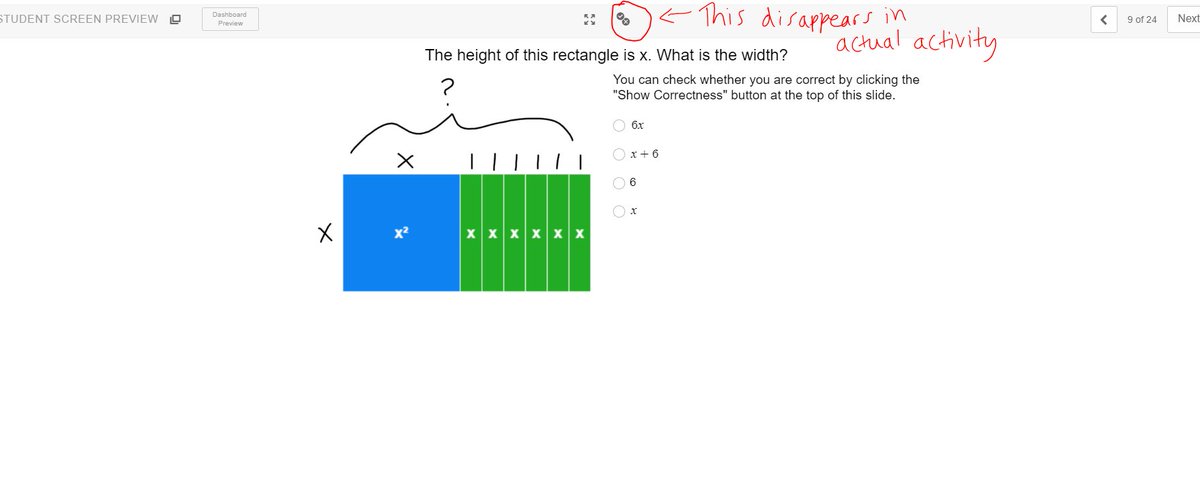
@desmosclassroom and @Desmos , is there a reason this feature (ability to show correctness) appears in preview when I am making the activity but when I actually publish the activity it is not available for students?
@ddmeyer @desmosclassroom 1/2 I totally get your point and that there are scenarios where the right/wrong feedback can be used inappropriately (card sorts). However, there are others where this was the whole point of how technology is supposed to make our life as a teacher easier. So...
@ddmeyer @desmosclassroom 2/2 Being able for a student to see whether they were correct or not is the impetus for them to start to have that conversation. Otherwise, it's like shooting a basket and then closing your eyes, not knowing whether it went in or not.
@ddmeyer @desmosclassroom 1/2 Since it isn't a default though, is there a way to turn it on?
With one teacher and 30 students it would be nice to inform the student if their idea was correct or not without keeping me huddled around my computer to have to catch each one myself.
This comprehensive Italian contact tracing study shows clearly that
-COVID spreads far more easily in the schools than in the community.
-Household spread was a major amplifier of childhood infection.
H/T @dgurdasani1
https://t.co/pJKnxJq60A
NEW—NIH funded study of 1.1 million students & 160,000 school staff concludes:
💡"Universal masking was associated with a 72% reduction in secondary transmission” versus optional/partial masking.
📍So, #Masks help prevent #COVID19. Protect kids please.
https://t.co/fJVEiJnMe6
About 10% to 30% of people infected with the coronavirus may develop long-term symptoms, studies estimate. And four factors appear to increase the risk.
Here's what we know about how long Covid takes inside the body — and why it can be so debilitating. https://t.co/5ZHYg9604w
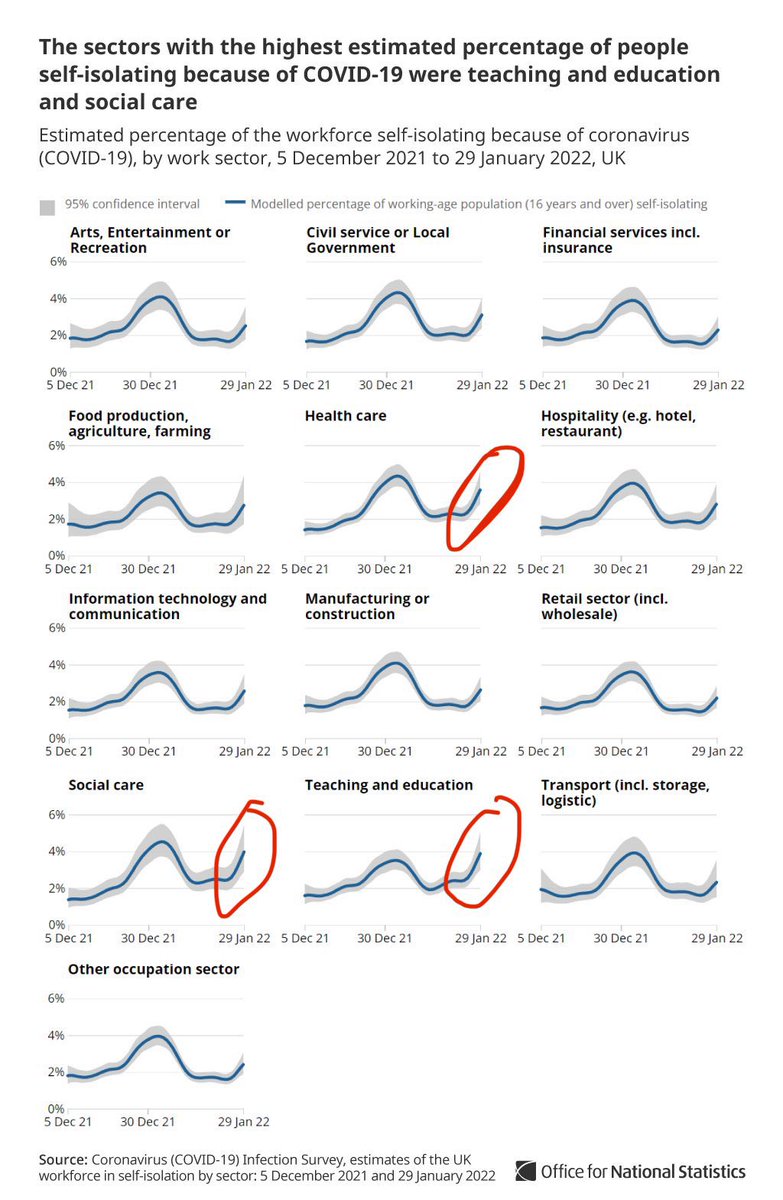
📈TEACHERS had it the worst during #Omicron.
Between Dec 2021 and Jan 29 2022, according to @ONS, the percentage of 🇬🇧workforce #COVID19 self-isolating increased the most among:
📌teachers
📌social care workers
📌healthcare workers
https://t.co/qOQ1BVYQZV
19) It now seems the @WHO is getting very concerned about #BA2 variant outcompeting and displacing old #Omicron. @mvankerkhove is now warning about likely looming surge. We must be vigilant.
HT @Cleavon_MD.
People who consistently wore a mask indoors had nearly half the odds of testing positive for Covid than people who didn’t, according to a new CDC study.
Shocking new study finds: “Virus spread was 62% higher in school districts without mask rules.” 🤷🏻♂️ #MaskUp#COVID19@GlennYoungkin @RonDeSantisFL
https://t.co/v0kzrdWPaZ