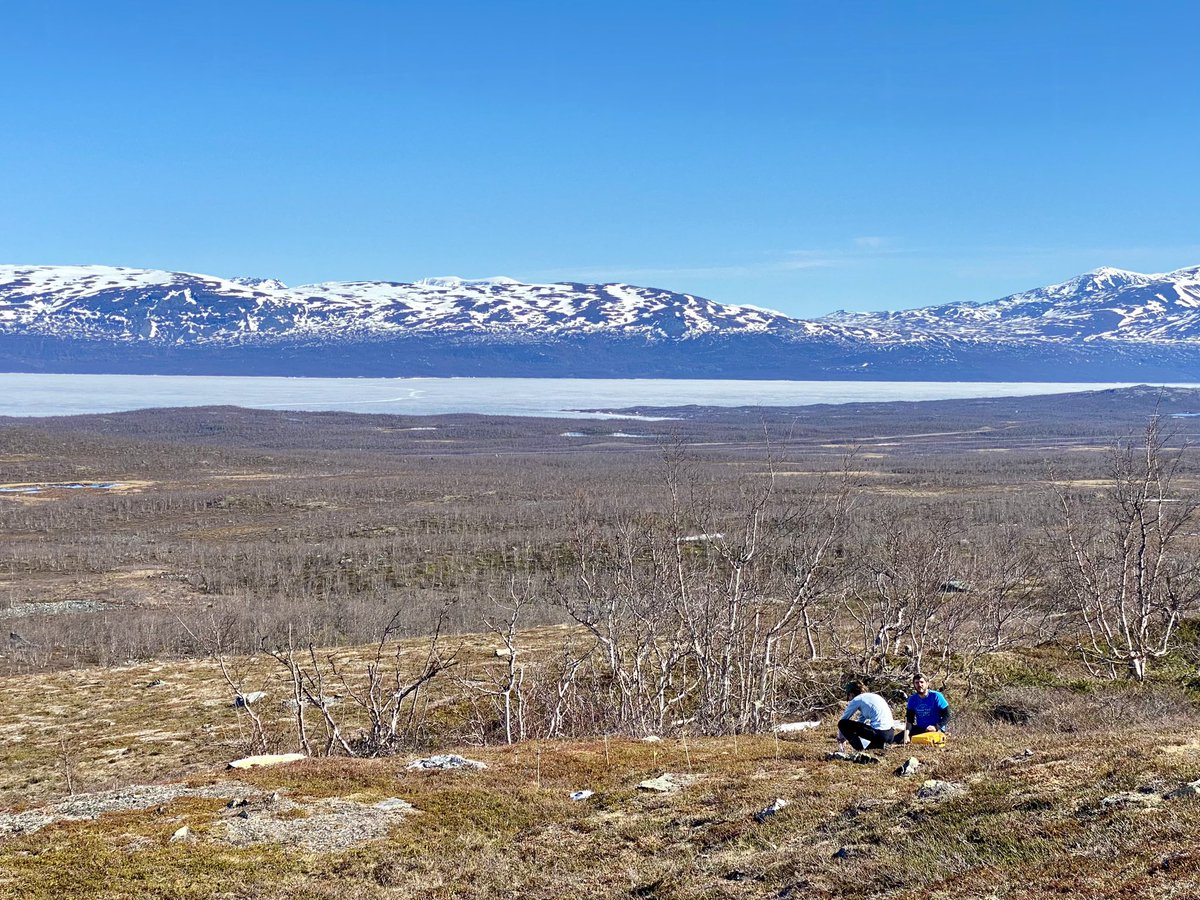
@MathieuSantonja est maître de conférence à @univamu, rattaché à @imbe_marseille
Il est le co-premier auteur de cette étude parue dans @FrontMarineSci👇
https://t.co/DnJ9IZT0tW
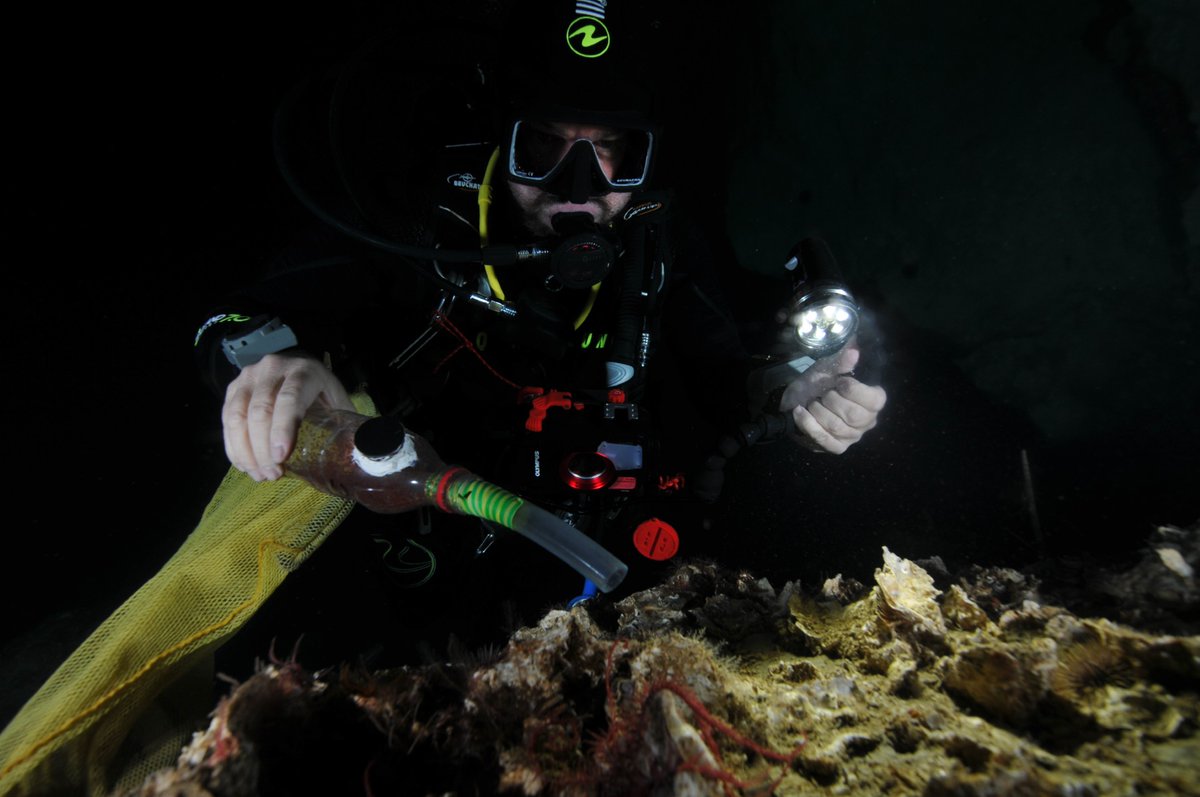
Et une photo de comment mettre l'odeur de leur maison en bouteille - Dorian Guillemain
Les odeurs sont cruciales pour la vie marine. Une nouvelle étude montre qu'un petit crustacé, Hemimysis margalefi, est capable de reconnaître l'eau de sa propre grotte. Une aptitude clé pour retrouver son abri la nuit tombée.
Avec Mathieu Santonja 🦞🏠
https://t.co/EwIHDZ2p5d
Soil health is associated with higher primary productivity🌲🎋📉 across Europe🇪🇺. Positive correlation between biodiversity indicators and productivity in copland, grassland and forest. Our article in #Nature: https://t.co/pR8azVyE8v
Protecting soils starts with knowing soil biodiversity!
Foundations for a national assessment of soil biodiversity - Guerra - 2024 - Journal of Sustainable Agriculture and Environment - Wiley Online Library https://t.co/VFRVnkIuZ9
Découvrez “Panoramas” à la Vieille Charité, une collection de 180 à 200 trésors artistiques des musées de Marseille, réunis pour une expérience culturelle immersive!
➡️Plus d’infos sur https://t.co/8p4kziYml1
Can faster growth compensate for increased mortality in subtropical dry forest fragments? 🌱
To increase forest resilience in a changing climate, recommends the retention of a buffer of plantation trees adjacent to old-growth forest corridors 🌳
🔗 https://t.co/QwCdGg3TTY
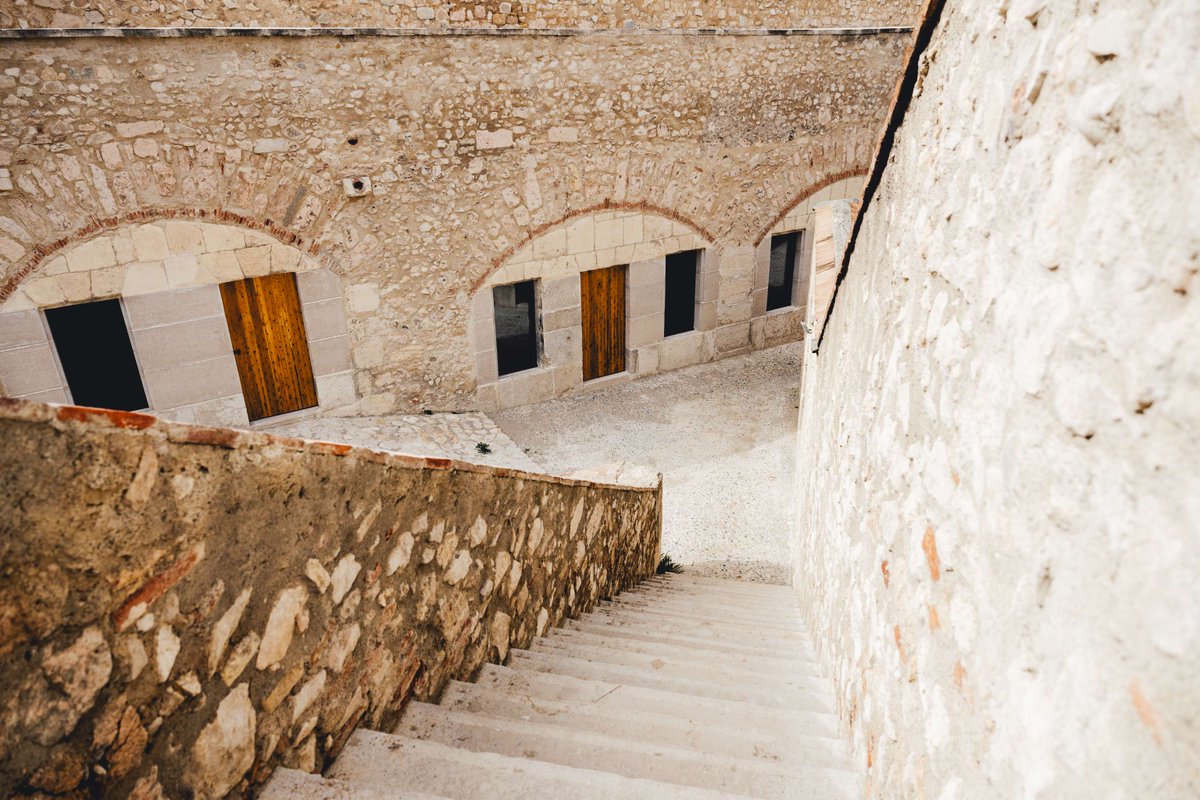
🏰 Après 360 ans de fermeture, la "Citadelle" au Fort Saint-Nicolas (7e) s'ouvre enfin aux Marseillais !
• Les jardins sont en accès libre les samedis et dimanches de 12h à 22h au mois de mai puis du mercredi au dimanche pour cet été.
+d'infos : https://t.co/DmaYbBXNZ4
#RésultatScientifique 🔎
🗺️🧳Les changements climatiques poussent de nombreuses espèces à migrer, sur terre et dans les océans. Deux études récentes se sont intéressées à ces migrations pour mieux les comprendre et les prédire.
▶️https://t.co/jjZLAPIyH4
On the creepy crawly critter beat as usual: my latest for @nytclimate is about the millions tiny soil creatures that help to lock away planet-warming carbon, and what'll happen to them.
“Soil has been like a black box, and we’re now starting to open it.”
https://t.co/byBDg5f6GK
Amazing to see our recent @holisoils paper in @GlobalChangeBio get a fantastic write-up in the @nytimes today! It was a completely unexpected, but lovely surprise. Thanks @SofiQuaglia for the great job! If you want more details on the study, find them here https://t.co/Lna0VYJehU
|| NEW RESEARCH ||
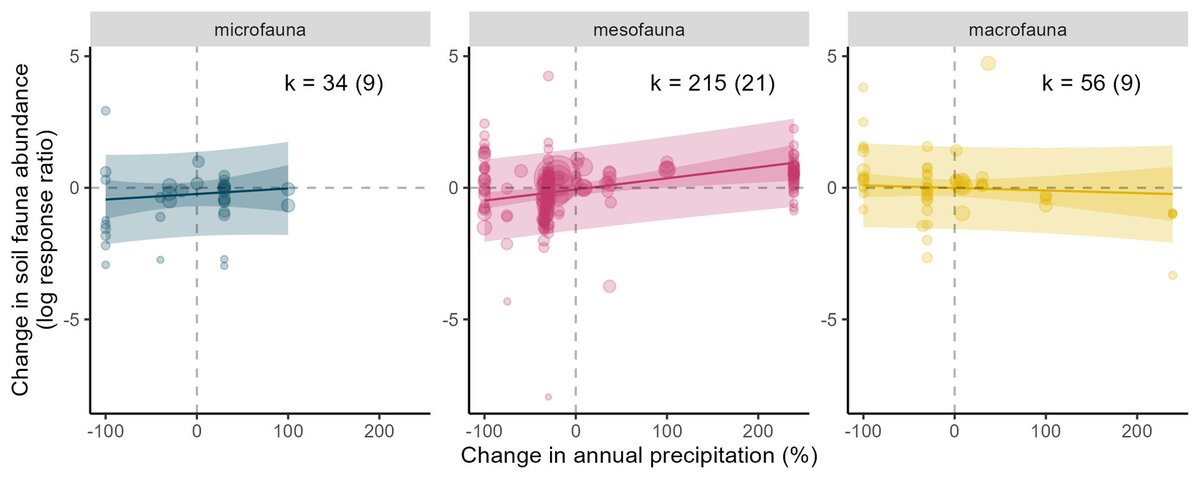
Meta-analysis reveals that the effects of precipitation change on soil and litter fauna in forests depend on body size
📄 https://t.co/2YeXQupbDm
@_PhilMartin @Don_Curiel @BC3Research@holisoils @BecksSpake @CharlotteBiryol @MenivalClaire @MathieuSantonja
🌧️🌱🪲 Changing rainfall patterns impact #soil invertebrate #biodiversity!
Dive into this #HoliSoils blog where @_PhilMartin presents a new study exploring how changes in rainfall caused by #ClimateChange affect invertebrates in #ForestSoil 👇
https://t.co/UMXcQ3w4JT
🚨DEADLINE EXTENSION!🚨
The BES Annual Meeting is made special by your involvement, so to make sure everyone has the opportunity put forward ideas, we're extending the deadline for workshop & thematic sessions proposals.
🗓️ Submit by 17:00 (BST) 21 May
https://t.co/lpCD7cTcJp
Very happy to talk about #soilbiodiversity in a kindergarten in @marseille with @czuckczuck and @salome_coquin
Observing #soilfauna, drawing them and painting their habitat!
At the age of 5, 4 children already want to become #soil ecologists! The next generation is secured! 😎
Our meta-analysis on the impacts of precipitation change on soil invertebrates in forests is out now in @GlobalChangeBio! Headline: Abundance is reduced by drought and increased by increased rainfall, but this depends on the size of the organisms. https://t.co/jPH7mVBBCX
Carnets de science vous emmène en forêt... un trésor à préserver
https://t.co/QjaAuKxdDC Deuxième puits de carbone naturel après l’océan, les forêts hébergent 80 % de la biodiversité terrestre et joueront demain un rôle clé dans la transition écologique.
@CNRS@CNRSecologie