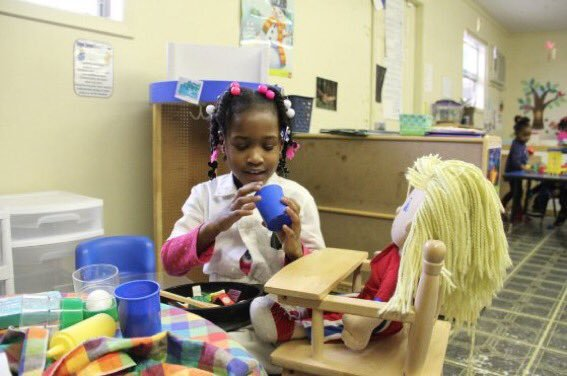
Math in the Mail focuses on developing math skills in three-year-olds, by providing the tools needed in the home environment - FREE to families who qualify!
“The Roots of STEM Success”... This report found that different types of play are essential for developing skills critical for STEM fields, like curiosity, questioning and analysis.
8 ways to introduce kids to STEM at an early age: https://t.co/ncN7Mj6cYH
#STEM#STEMed
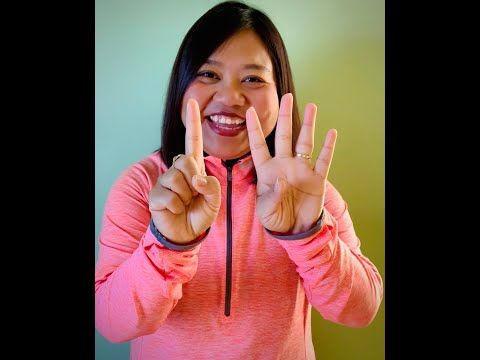
Let's play a counting games using only fingers with your #youngchildren#mathisfun#earlymath#makeitmath Number, Number 1,2,3, How many fingers do you see? https://t.co/DQwY8ayWPN Thank you @SuhsieRose Intrux in multiple languages here https://t.co/3zDHlt1CG7
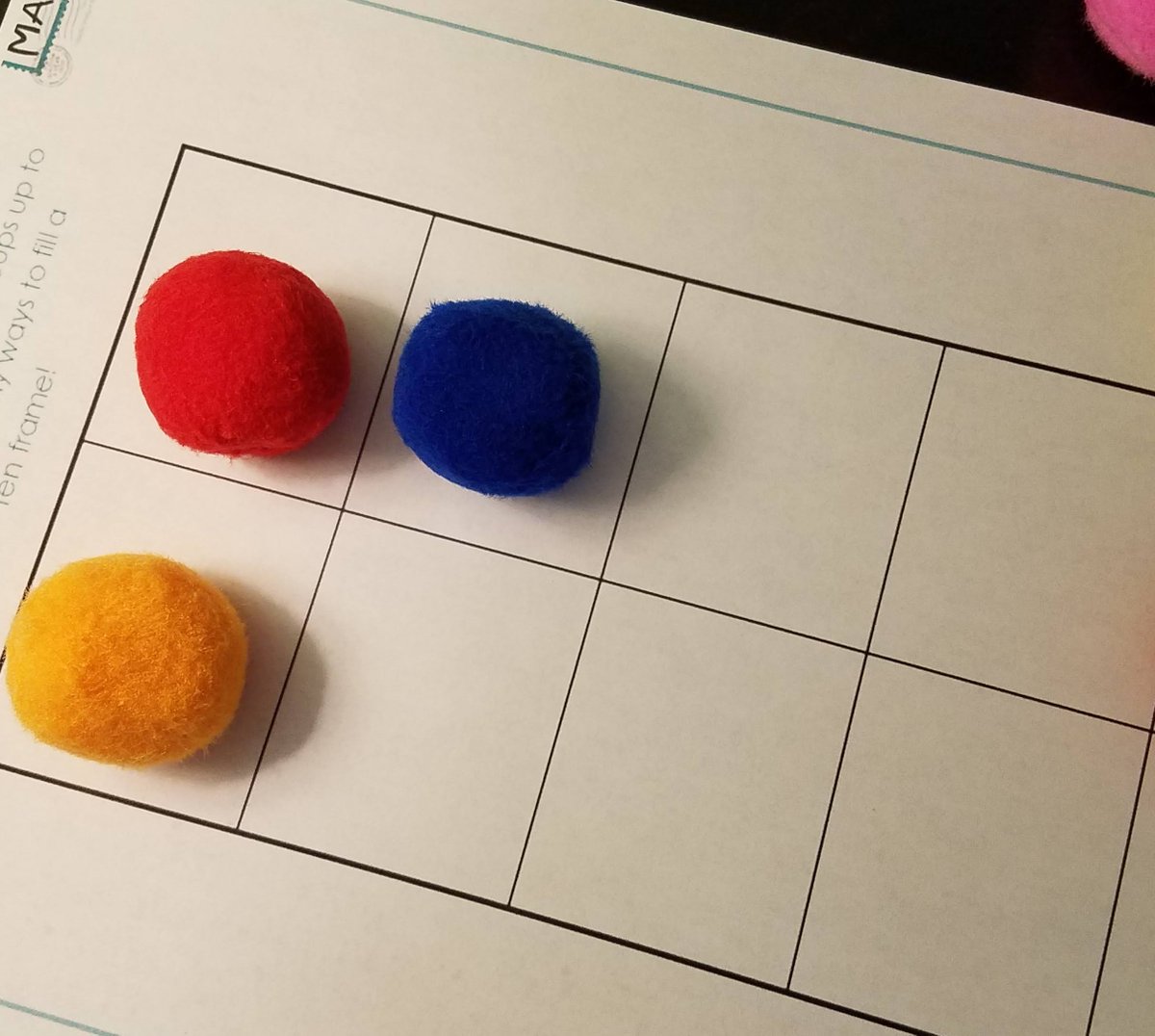
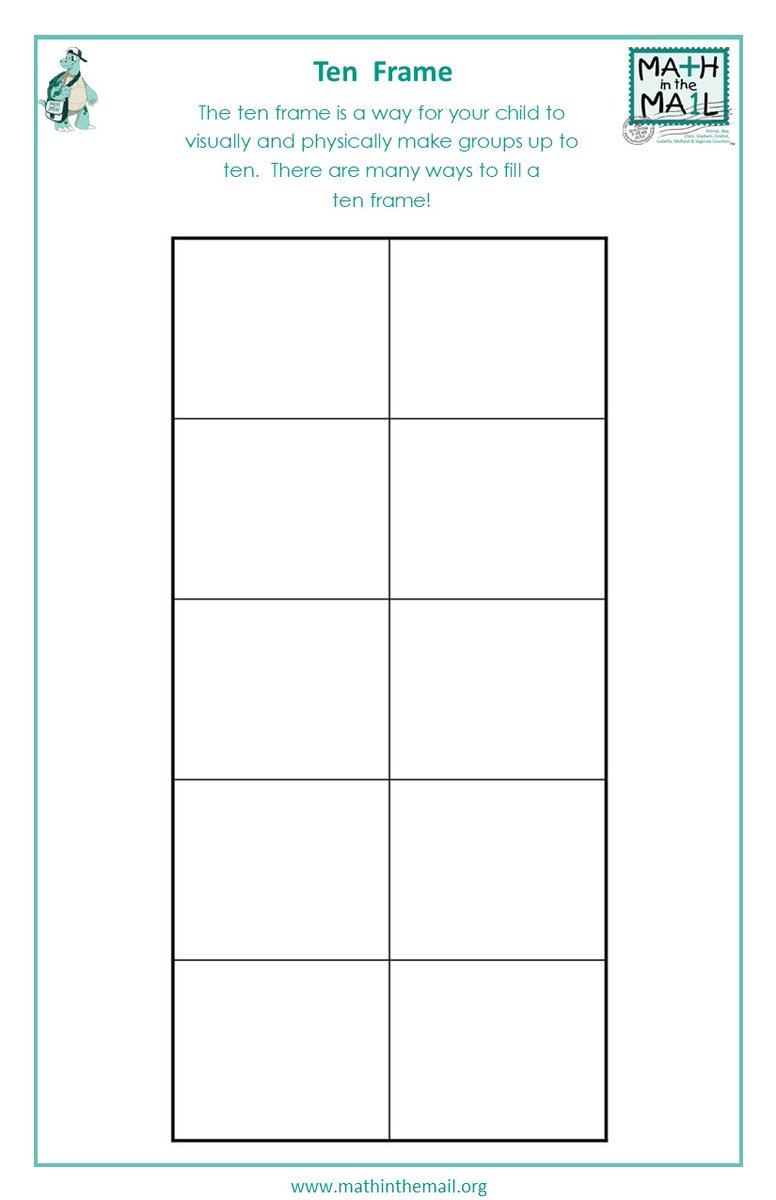
Ten frames are tools for helping young learners develop number sense. Use counters (or any set of objects interesting to your child, such as rocks or toy trucks) to represent a number up to 10 on the ten frame. Ask "Can you put 3 ___ on the ten frame?" #MathintheMail
Children need to think about what makes a story a NUMBER story.
Activity idea: Mouse Collections. How can you adapt for home use?
https://t.co/lrvA8Ce0rl
#kinderchat
#MathMonday Look at the signs around you. What shapes are they? Square? Rectangle? 8-sided octagon (stop sign)? What shapes can you find around you? More ideas to help #youngchildren learn early geometry here #iteachmath#EarlyMath#makeitMath https://t.co/saDmwum5A0
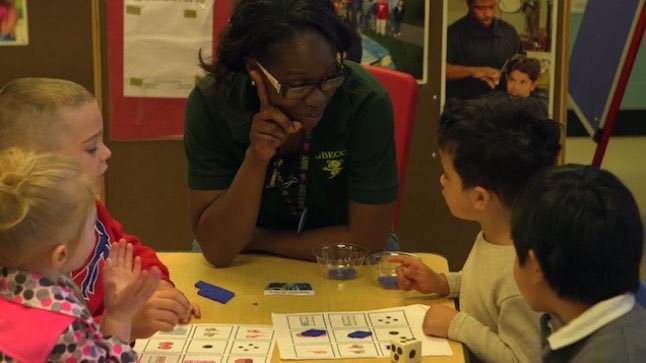
By using multiple representations of the numbers 1 through 4, this game focuses children on the attribute of quantity of small sets and helps them build a more robust NUMBER SENSE.
Match ‘Em All:
https://t.co/2TjrQrdwcm
How far can you kick a ball? Can you throw it farther? How can you measure how far it goes? Bring a clipboard outside and record your findings. What do you see/think/wonder? #joyfulmath https://t.co/oAEVi6MGk4 @McLennan1977#makeitmath
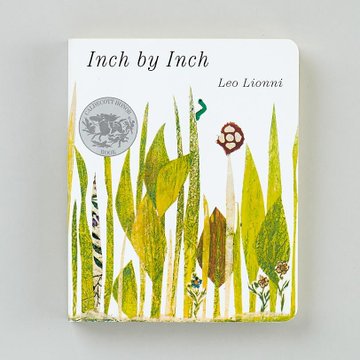
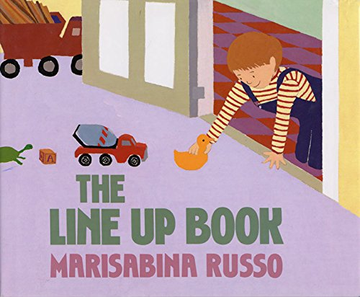
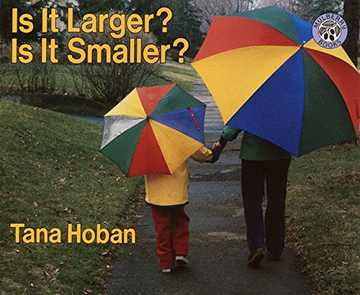
Children measure all of the time, even if they’re not using rulers or numbers while doing so. There are many great children’s books about measurement that spur on their natural fascination with the subject. Here are a few of our favorites. https://t.co/OZE5ZkMxHj
Young children need opportunities to think through math and measurement concepts in everyday situations. One of the best ways to do this is through the books that they love to read...
4 Children’s Books that Explore Measurement Concepts: https://t.co/iNDJdx6pjn
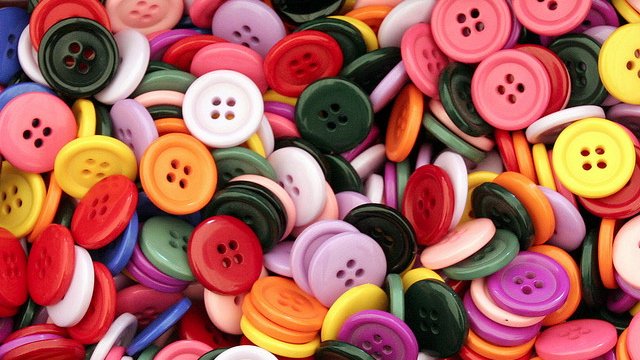
Examining specific ATTRIBUTES of everyday objects around the classroom or HOME can lead to a fruitful lesson in making PATTERNS, creating SETS, and SORTING.
Sorting It Out with Buttons and Books: https://t.co/lhaPOt2GyL
#earlyed#ECE#kinderchat
#mathMonday What are you singing today?What keeps repeating in the songs?Aren't you making patterns while singing?Make your own patterns in different ways: An example of pattern games here, also in Spanish, Portuguese, and Arabic https://t.co/xtcaH5lrch #youngchildren#makeitmath
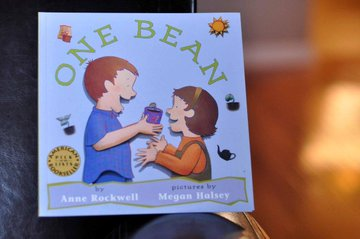
Sets are basic to children’s thinking & learning. They are also basic to our number system. We often fail to appreciate how much of young children’s lives—and their play—involves thinking about & working with sets of things.
Explore the Big Ideas of SETS:
https://t.co/fywuqgM3oi