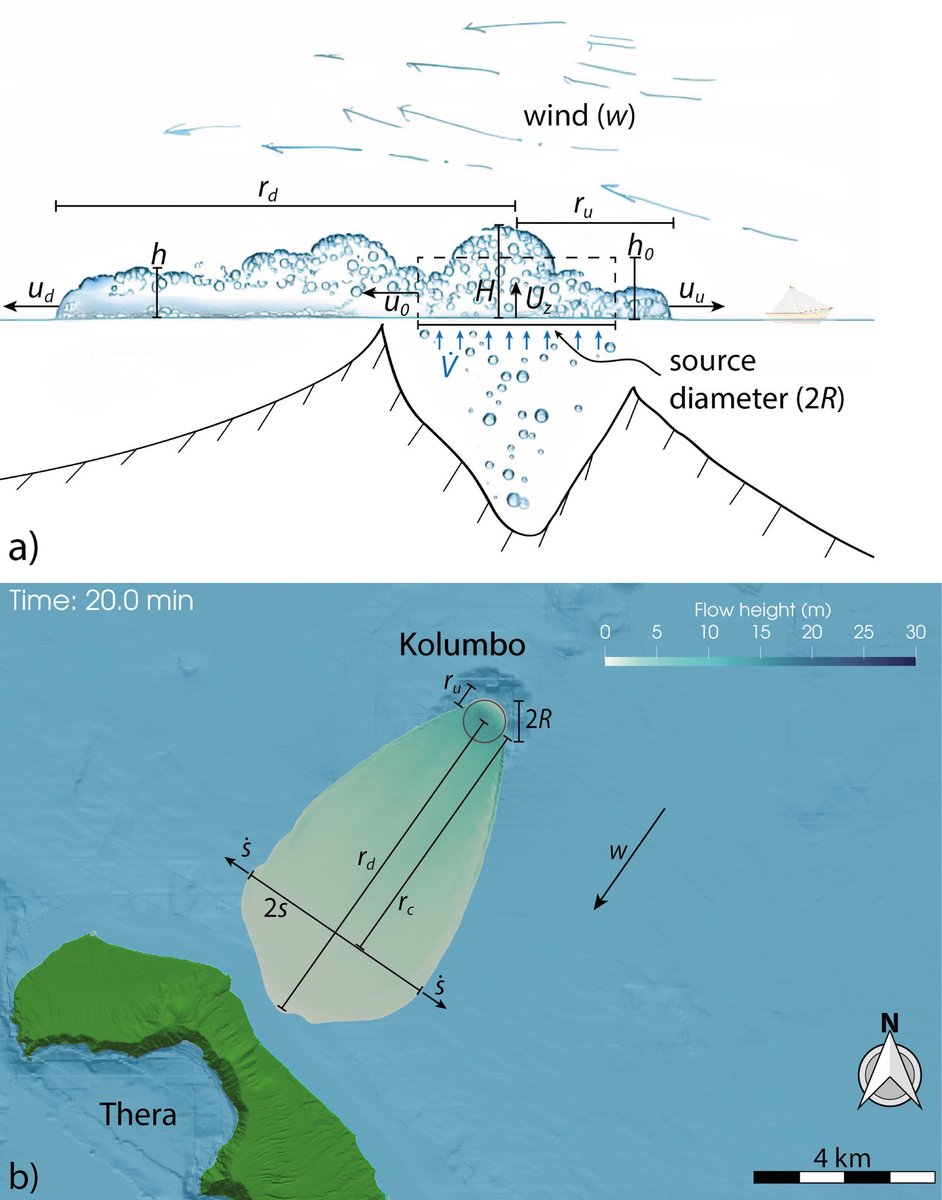
Read my latest #research 🌋 “Gas transport dynamics at Kolumbo submarine volcano: high-resolution numerical simulations, scaling laws, and hazard implications”, published with @SpringerNature in Bulletin of Volcanology @IAVCEI_official
Here: https://t.co/aacFve0pVV
🌋 November Compilation of Bulletin of Volcanology! 🌋
1️⃣2️⃣ "Explosive eruptions of Kolumbo Central Volcano and associated tephra fallout hazards assessment". Pardini et al.
https://t.co/h9UJBzeyga
(13/21)
🌋 November Compilation of Bulletin of Volcanology! 🌋
8️⃣"Gas transport dynamics at Kolumbo submarine volcano: high-resolution numerical simulations, scaling laws, and hazard implications". Cerminara et al.
https://t.co/6oLxCZC7gJ
(9/21)
🌋 November Compilation of Bulletin of Volcanology ! 🌋
We’re excited to share the latest research articles published in November 2025 on the Bulletin of Volcanology! 🔥
🖇 All IAVCEI members enjoy free access to the journal.
(1/21)
Read my latest #research 🌋 “Gas transport dynamics at Kolumbo submarine volcano: high-resolution numerical simulations, scaling laws, and hazard implications”, published with @SpringerNature in Bulletin of Volcanology @IAVCEI_official
Here: https://t.co/aacFve0pVV
🌋 October Compilation of Bulletin of Volcanology! 🌋
We’re excited to share the latest research articles published in October 2025 on the Bulletin of Volcanology! 🔥
Check out the full list of the papers!
🖇 All IAVCEI members enjoy free access to the journal
(1/17)
I'm seeing a few of the same questions about UN voting pop up in the replies, so here are some answers:
The intense US economic blockade of countries like Venezuela 🇻🇪 and Afghanistan 🇦🇫 has caused them to be physically unable to transfer their dues (payable in US dollars) to the UN, meaning their voting rights have been suspended. The same thing happened to Iran a couple of years ago.
On the question of why so many tiny Pacific countries vote alongside the US 🇺🇸 and Israel 🇮🇱: They are microstates, and one of their only valuable exports is their United Nations votes, which are reliably (under the table) sold to the highest bidder. On so many issues, you will see the likes of Nauru 🇳🇷 and Micronesia 🇫🇲 vote with the minority (usually the US position) in order to pad the stats a bit. Why is it that only these countries vote alongside the US? Because that's all Washington can afford.
BREAKING: Today, the United Nations voted 170-6 on "The Right of the Palestinian People to Self-Determination".
Those voting against:
🇺🇸United States
🇮🇱Israel
🇦🇷Argentina
🇵🇾Paraguay
🇫🇲Micronesia
🇳🇷Nauru
#Messina, dal pomeriggio di #oggi si è intensificata l'attività eruttiva dello #Stromboli: potenziato il monitoraggio del #vulcano.
Nella clip il sorvolo sull’isola dell’elicottero dei #vigilidelfuoco Drago 142
#4luglio
E ancora, sempre confronto tra camera a infrarossi (sinistra) e visibile (destra) dei flussi piroclastici che entrano in mare dopo aver percorso tutta la lunghezza della Sciara del Fuoco.
Video fornito dai progetti #UNO e #Dynamo.
#Stromboli#INGV
Curious about the effect of topographical drops on volcanic density currents temperature? #pdc Check out this recent paper in #EPSL. If you’re attending #EGU24, join us on Wednesday afternoon for Session NH2.1 https://t.co/phJdGzVMOe @EGU_GMPV
Just coming back home from a spectacular field trip on the Santorini Island with colleagues from Greece, France, England and Italy. Thanks to the Greek people for the gorgeous hospitality they offered us 💙🤍
Full paper on Volcanology
F. Maeno et al. (Published: 11 May 2023)
Eruption style transition during the 2017–2018 eruptive activity at the Shinmoedake volcano, Kirishima, Japan: surface phenomena and eruptive products
https://t.co/v1PCcO1ibL
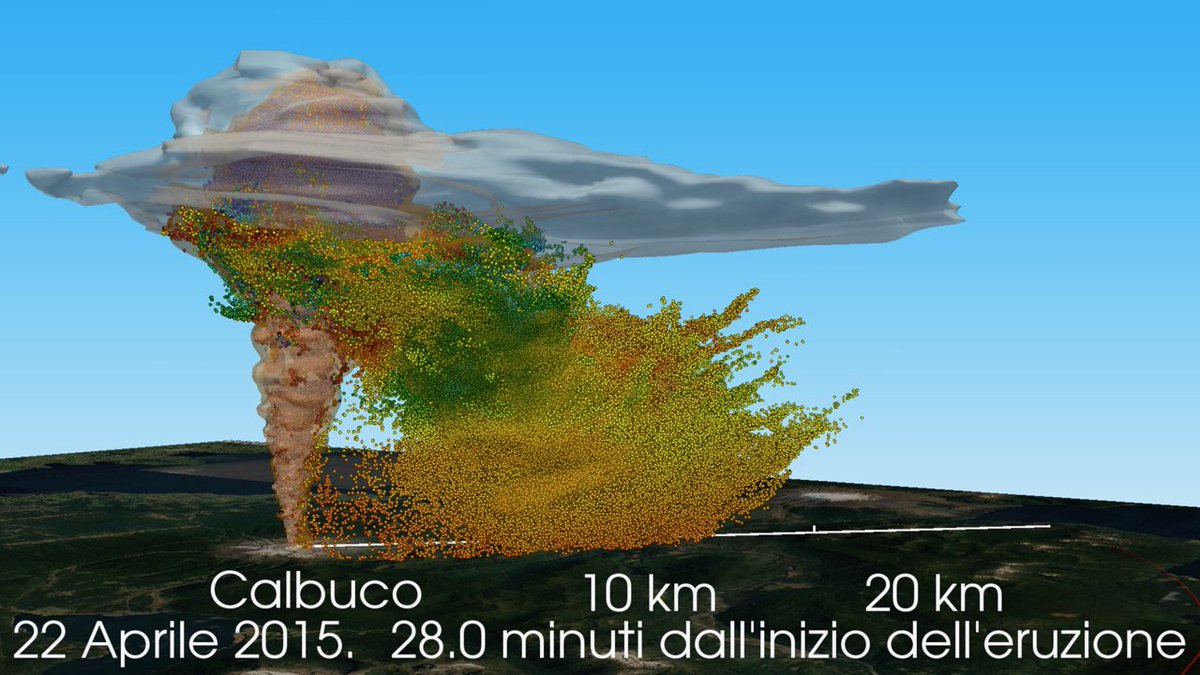
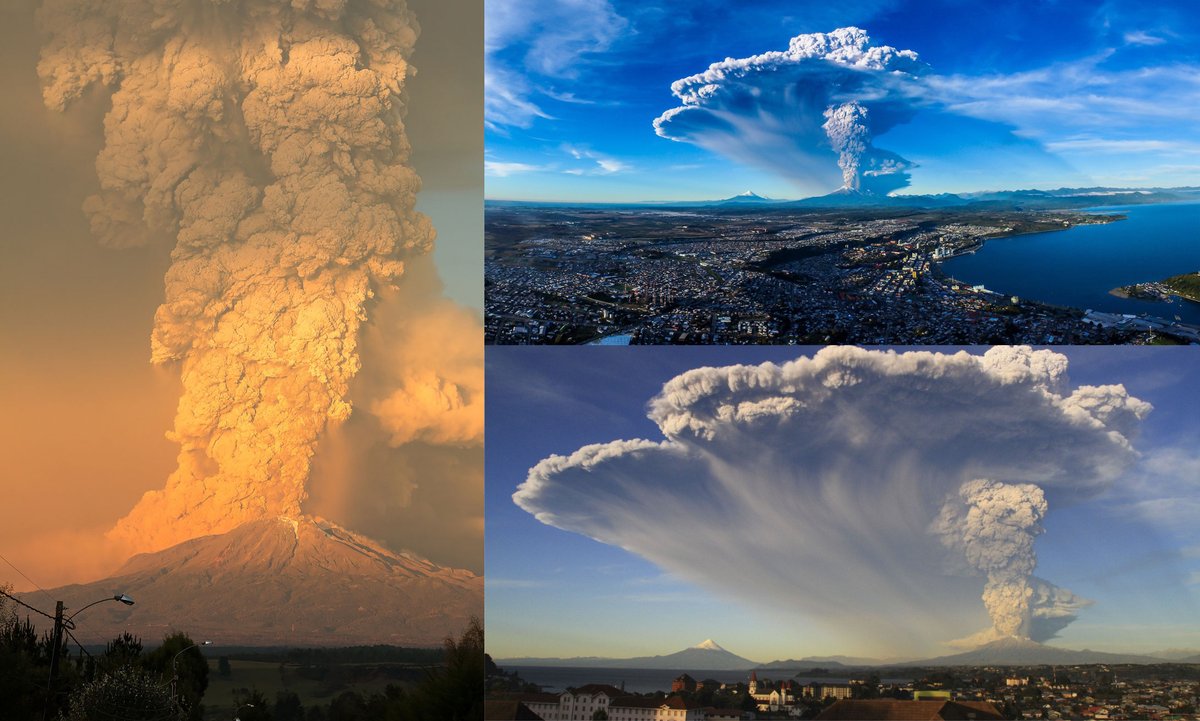
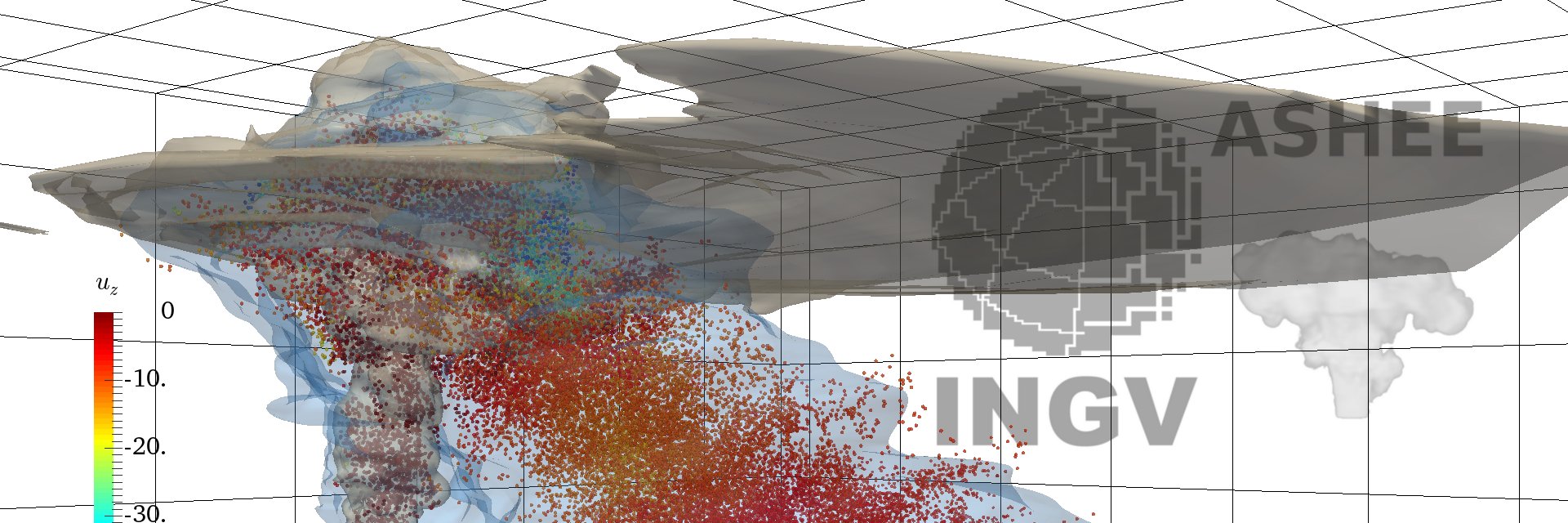
Accadde oggi: il vulcano Calbuco eruttò il 22 aprile 2015, formando una colonna eruttiva di oltre 15 km accompagnata da flussi piroclastici e lahar.
Ne parliamo qui "Capire le eruzioni vulcaniche grazie ai supercomputer"
https://t.co/fHeVMvSkEm
#ingv#calbuco
📰 Italian media 'Il Giornale della Protezione Civile' clarifies the goals of this second phase of ChEESE and explains how the project uses supercomputing for risk mitigation
⬇️ Take a look!