I’m an amateur mycologist, citizen technology scientist researcher who has an interest in sustainability, communications, computational, energy technology
introducing whoakey,
said like, whoa 🤯 key 🔑.
free qr code creator, opener, and scanner
now includes counter and unique visitor counter
https://t.co/YuoJezWv3l
#app#freeapp
We won’t live on Mars like settlers.
We’ll move through space like nomads.
Vans docking into ships. Ships forming networks.
Water flowing to simulate gravity.
Not colonies—constellations of travelers. 🚀💧🌌
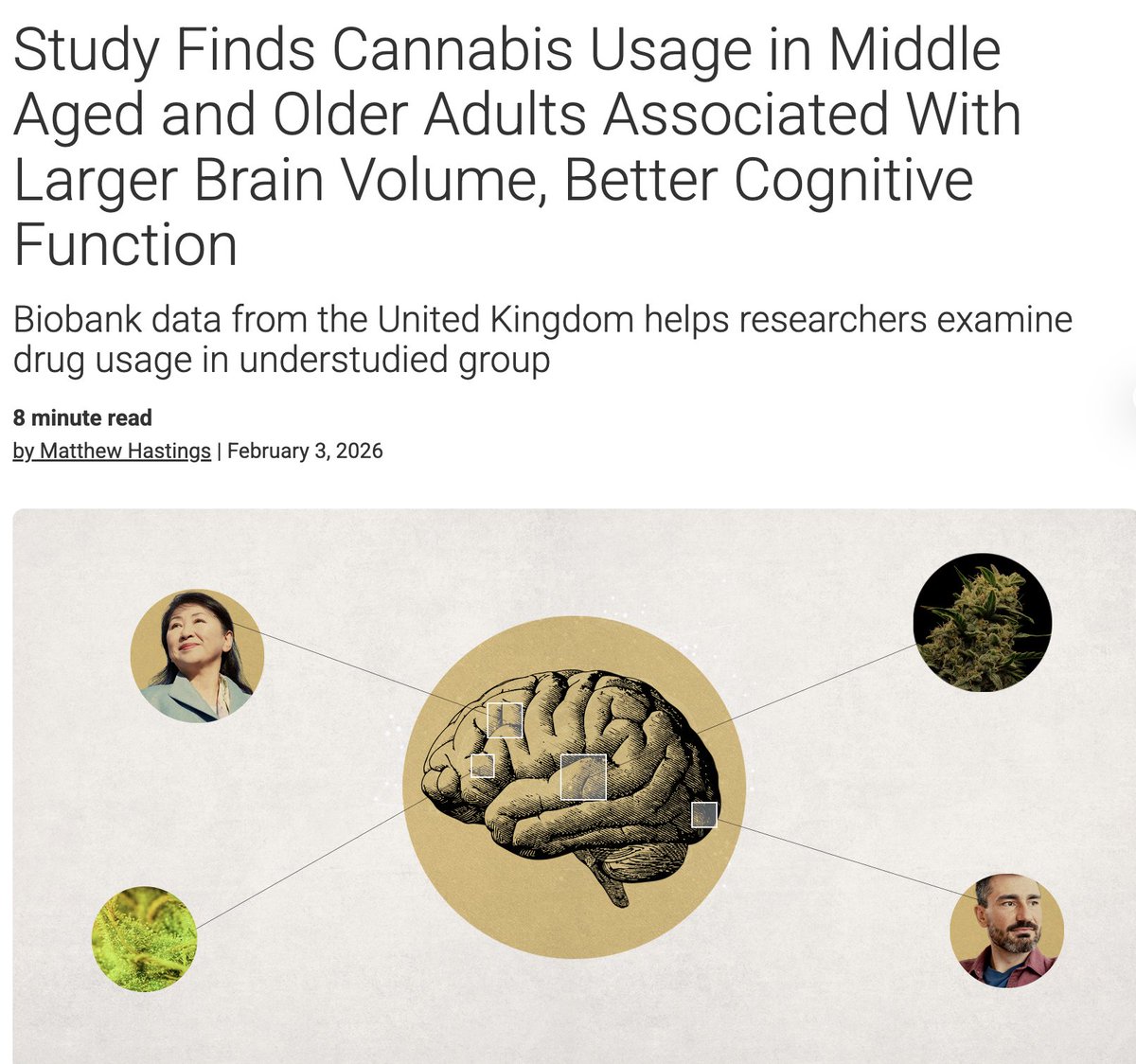
A large new study challenges long-held assumptions about cannabis and the aging brain. In over 26,000 adults ages 40 to 77, greater lifetime cannabis use was associated with larger regional brain volumes and better cognitive performance. Not a headline designed for hype, but one that demands nuance. /1 #BrainHealth #HealthyAging #MedicalResearch
Magic mushrooms dramatically changed my microbiome. Results below.
This is part of an experiment I conducted to explore the potential longevity effects of psilocybin. We tracked 249 biomarkers, which allowed us to identify several first-in-human observations. After multiple 25 mg psilocybin doses, the data suggest that psychedelic mushrooms may have meaningful longevity potential.
Results
We performed a computationally guided deep sequencing genomic profiling (using @Jona_health) of my gut microbiome, comparing results before (4 days pre-dose) and after (10 days post-dose) my first dose of 5 g of Psilocybe cubensis (B+ strain), containing 25 mg of psilocybin.
Results showed a gut bacteria shift towards reduced stress, with mixed metabolic signals (some improved, some worsened), protective signatures against pre-diabetes and insulin resistance, and a trade-off with worse skin health associated signatures.
The two largest movers were both positive for gut and metabolic health:
1. Most increased species: Phocaeicola dorei (0% → 8.41%). This increase is plausibly positive, as this species has been linked (mainly in preclinical/associative studies) to lower gut LPS, reduced inflammatory signaling, improved gut barrier–related pathways, and favorable metabolic associations.
2. Most decreased species: Segatella copri (24% → 12%). This decrease is interpreted as positive, as this species has been linked in multiple studies to inflammation and insulin resistance (associations appear context- and diet-dependent).
Results in Detail
Signs of improved gut-brain axis and mental health associations
+ Significant drops in Parabacteroides, Roseburia, and Pseudomonadota, all linked to mental stress.
+ Significant drops in Blautia, Escherichia, and Dialister, all linked to anxiety.
+ Substantial drops in Gammaproteobacteria, Blautia, Escherichia coli, and Dialister, which are linked to depression.
Metabolic effects
Positive
+ Significant drops in levels of E. coli and Blautia, which are linked with prediabetes.
+ Significant increases in Phascolarctobacterium and Flavonifractor, which both appear to be protective against prediabetes.
+ Major drops in Veillonellaceae, Segatella copri, and Gammaproteobacteria, all linked with liver disease and metabolic dysfunction.
Negative
+ Significant drops in butyrate producers Roseburia (3.31% → 1.25%) and Faecalibacterium prausnitzii (1.16% → 0.66%).
+ Significant drop in Bifidobacterium longum, which has been shown to be protective against metabolic syndrome.
Negative effects on skin associated species
+ Microbiome markers for skin health, specifically Acne, Atopic Eczema, and Rosacea, worsened, based on increases in Erysipelotrichaceae and decreases in Dialister, Oscillospiraceae, and Eubacteriales.
Corroborating Systemic Observations
Interestingly, the results mirror and grant further validity to our former observations from my initial psilocybin trip.
Reduced stress, cortisol, and HPA activation in the days following the dose:
+ Morning cortisol dropped by 42%.A more relaxed and open state, improved sleep efficiency.
+ Systemic inflammation markedly reduced, as measured using hsCRP (undetectable 5-days post-dose).
+ Continuous Glucose Monitoring (CGM) showed a sustained 8% decrease in my blood glucose, and 11% tighter blood glucose control and stabilization (reduced peaks and fluctuations).
We are now waiting for the results from my second psilocybin dose, as well as later timepoints following international travel. We will use these to confirm the findings linked to the acute effects of the mushrooms, probe the effects of international travel and jetlag, and monitor my skin-linked microbiome recovery to validate links to psilocybin and consider prophylactic measures for upcoming doses.
A multi-agent LLM architecture where each agent maintains an explicit position in a narrative graph (self-as-coordinates), uses distance-based routing to spawn breakout deliberations,— Part 1 Thread #LLMs#science#Research
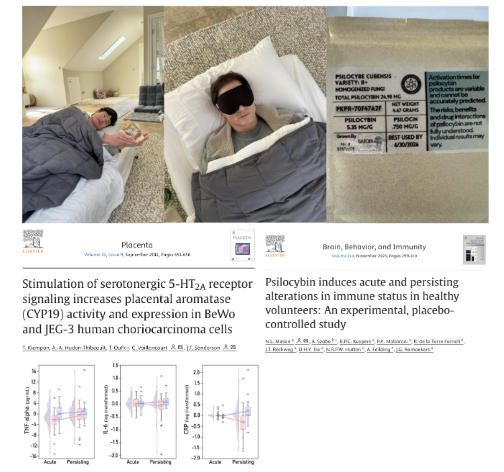
They just released the data from Bryan Johnson's 5-gram trip!
How insane are these results?
- Inflammation dropped >35%
- Stress hormones down by 45%
- Estradiol production up by 300%
He's basically younger, less stressed, and more limber than he's been in years.
But zero medical use, right?
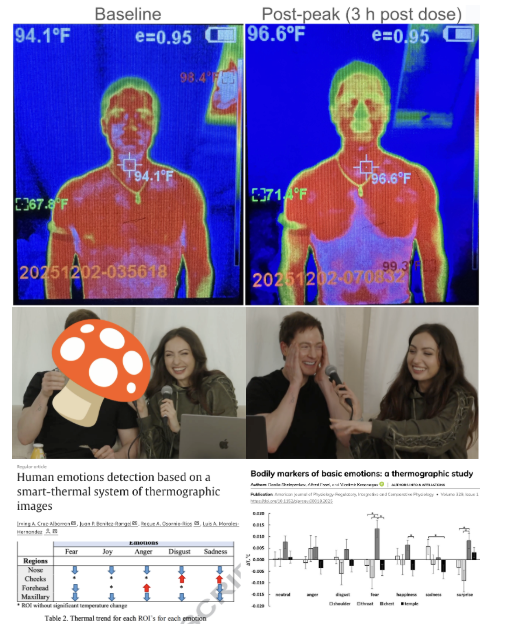
5.24g of mushrooms left measurable physiological and emotional fingerprints on my body. This is a first-of-its-kind, face and body thermal map of a psychedelic experience.
Notes:
1) my core body temp increased 1.5-2°F (~1°C), matching human studies in which 30 mg psilocybin raises temperature by 1.8°F (1.0°C).
2) my upper chest and throat increased 2.5°F (1.4°C), producing a thoracic heat bloom visible in the thermal image.
3) my nose and lips cooled significantly, showing emotional intensity, sadness, and arousal.
4) my cheeks warmed showing joy, connection, happiness and subtle sadness.
5) my forehead cooled showing cognitive effort, introspection.
6) arms cooled showing peripheral vasoconstriction.
7) my fingertip SpO₂ decreased by 5% due to lower measured oxygen saturation at the fingertips due to peripheral vasoconstriction and reduced blood flow to the extremities.
Overall, there was sympathetic activation, peripheral vasoconstriction, and increased cardiovascular load, leading to increased core and reduced peripheral blood flow.
Around the peak (2.5 hrs), my heart rate was still elevated by 15 bpm (55 bpm to 70 bpm), and interestingly my fingertip SpO₂ was decreased by 5% (99% to 94%), both consistent with lasting sympathetic activation.
While acute sympathetic activation typically does not substantially affect systemic arterial blood oxygenation in healthy individuals, it can lower measured oxygen saturation at the fingertips due to peripheral vasoconstriction and reduced blood flow to the extremities.
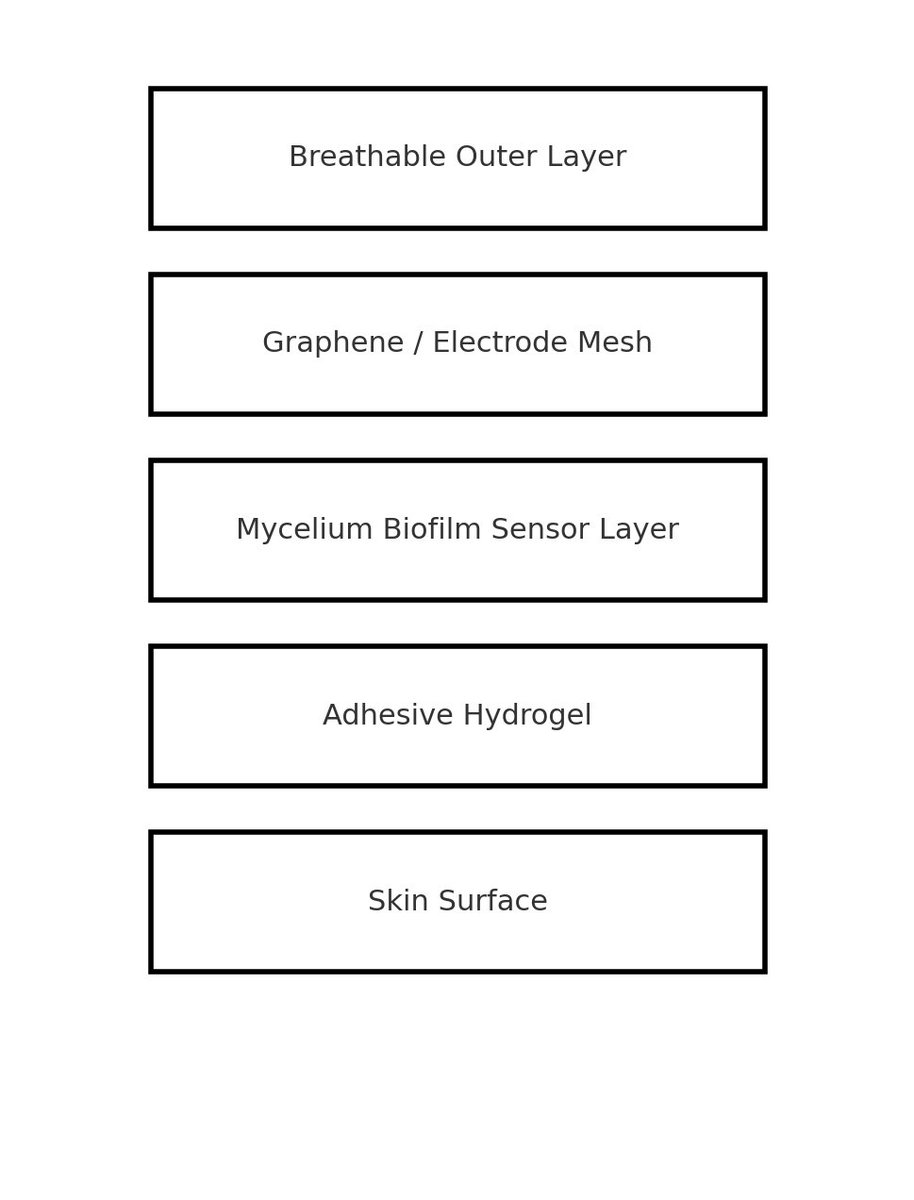
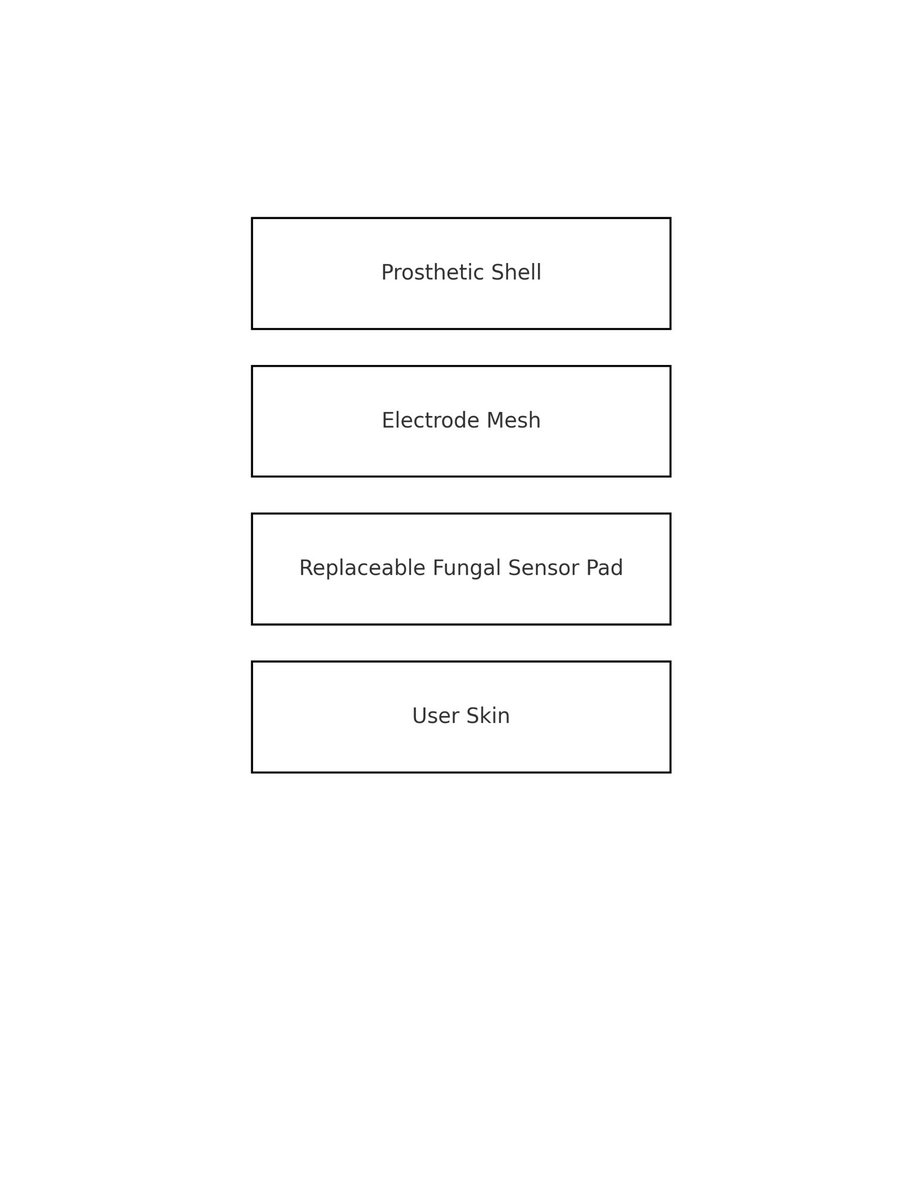
I’m curious if, someday, we’ll be able to read fungal electrical activity and use it as a living pre-processing system—an organic neuromorphic layer that detects early signs of sickness in the body. #computerscience
This seems Big
Researchers have created a one dimensional “quantum wire” where mass and energy flow without friction or loss.
Scientists at TU Wien have created a quantum system where transport has zero resistance, a "perfect flow" of mass and energy.
By lining up thousands of ultracold rubidium atoms in a 1D atomic wire, they found that collisions don’t slow anything down.
Instead, momentum is passed along like a quantum Newton’s cradle, allowing energy and mass to move indefinitely without fading.
The experiment reveals a form of transport that defies normal thermodynamics and behaves like a perfect quantum conductor, it offers a new 'window' into how resistance can vanish at the fundamental level.