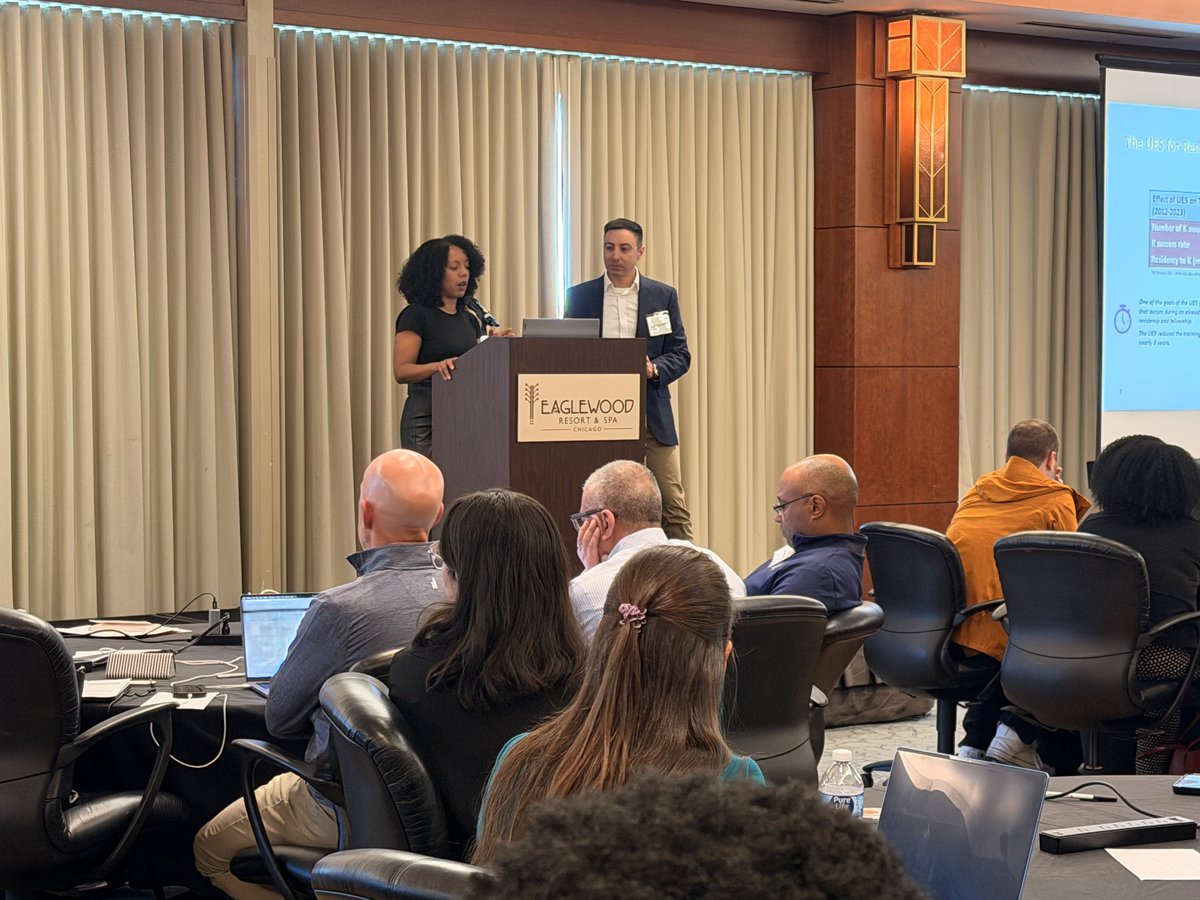
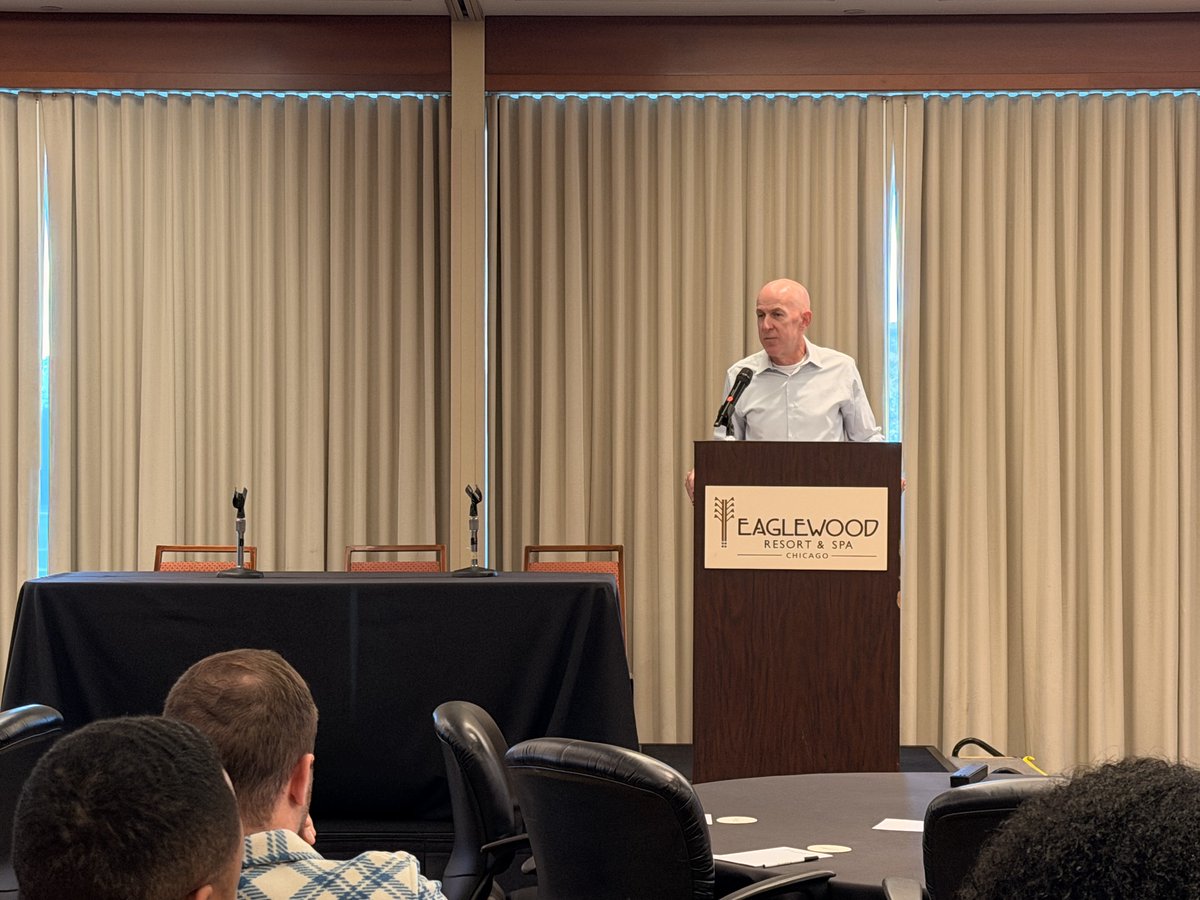
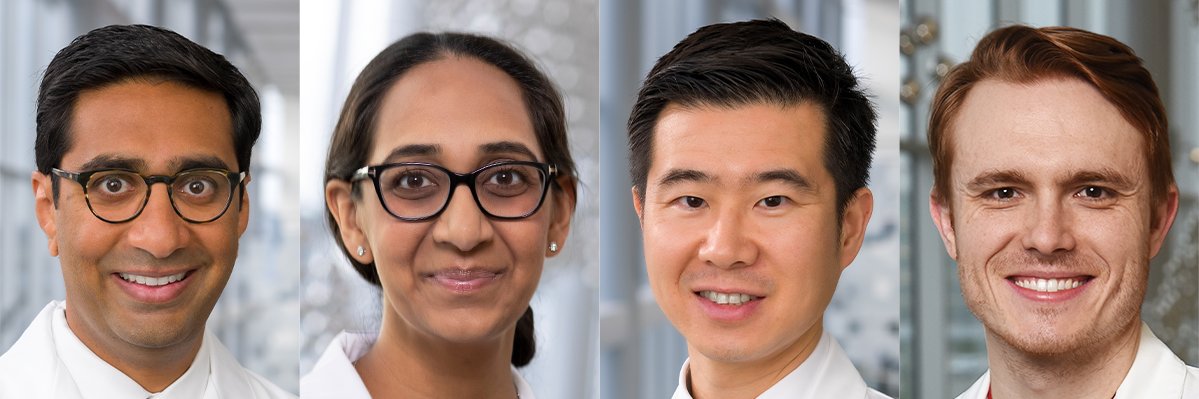
The 2026 NRCDP K12 Retreat brought together faculty and trainees for three days of mentorship and professional development. Topics included NIH funding mechanisms, review process changes, research finances and more. Thank you to everyone who attended and helped make it a success!
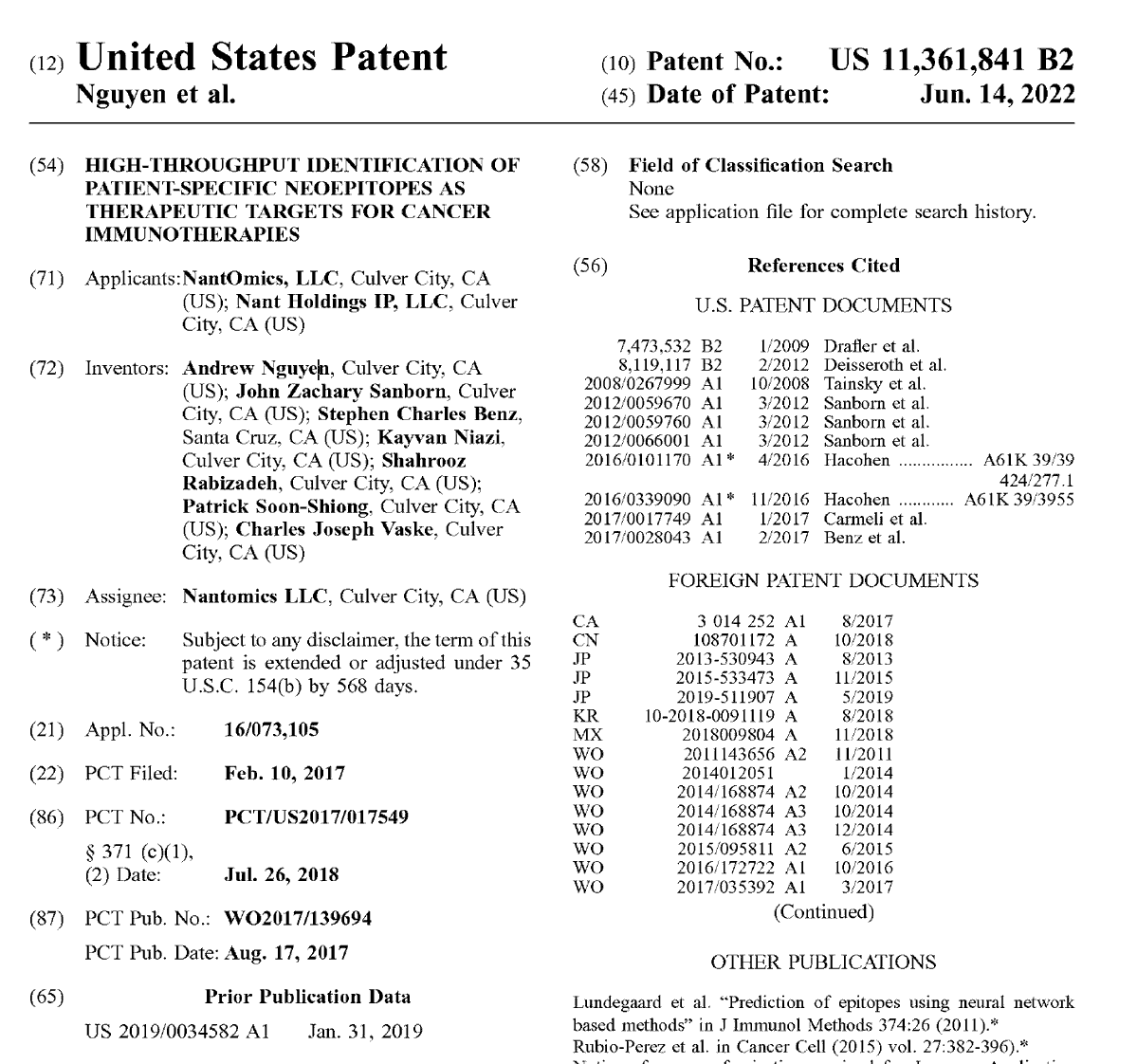
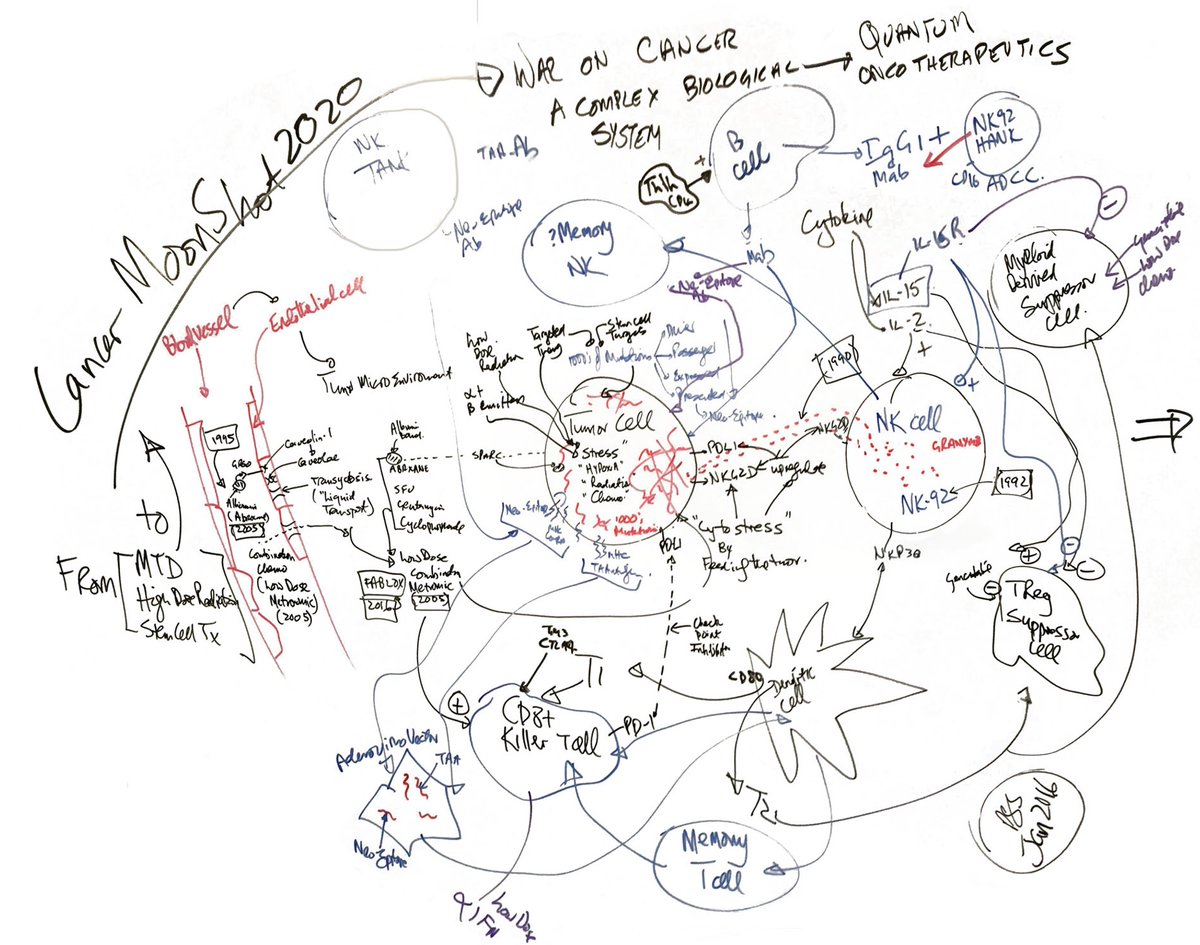
The most precise cancer target ever discovered is not a drug company's molecule. It is the neoepitope... The mutation only your tumor carries, invisible to normal cells. Find it and present it. Let the immune system do what it was evolved to do. Our cancer moonshot coming to fruition.
After reading a lot of grant proposals, I have a theory for why the valley of death in translational research exists:
1. You can make it exciting to propose doing X-omics or testing role of process Y on a disease, even if its the 10th omics study and the 20th process tested…
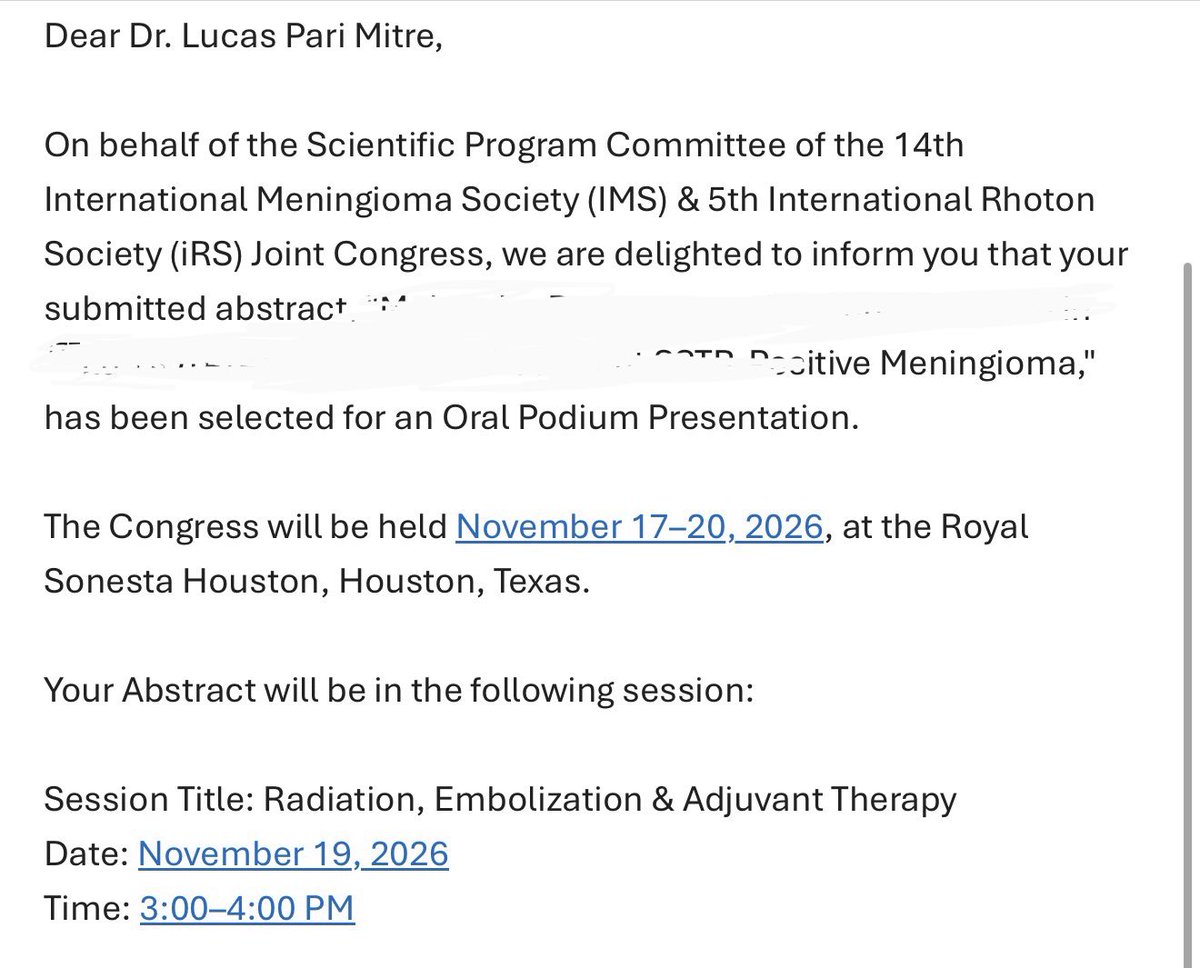
Excited to share that our work on recurrent meningioma has been accepted for two oral presentations at the International Meningioma Society (IMS)- International Rhoton Society Join Congress!
Grateful to the scientific committee, my mentors and colleagues!
See you in Houston!
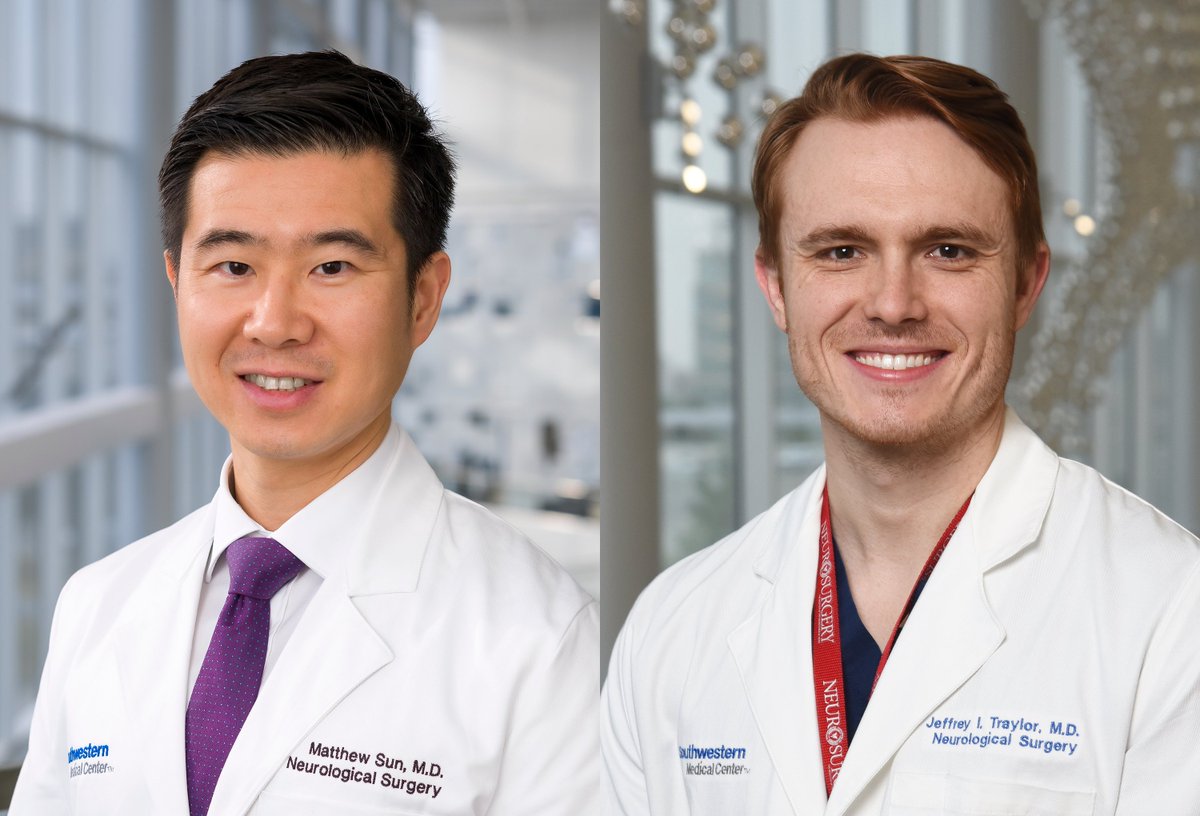
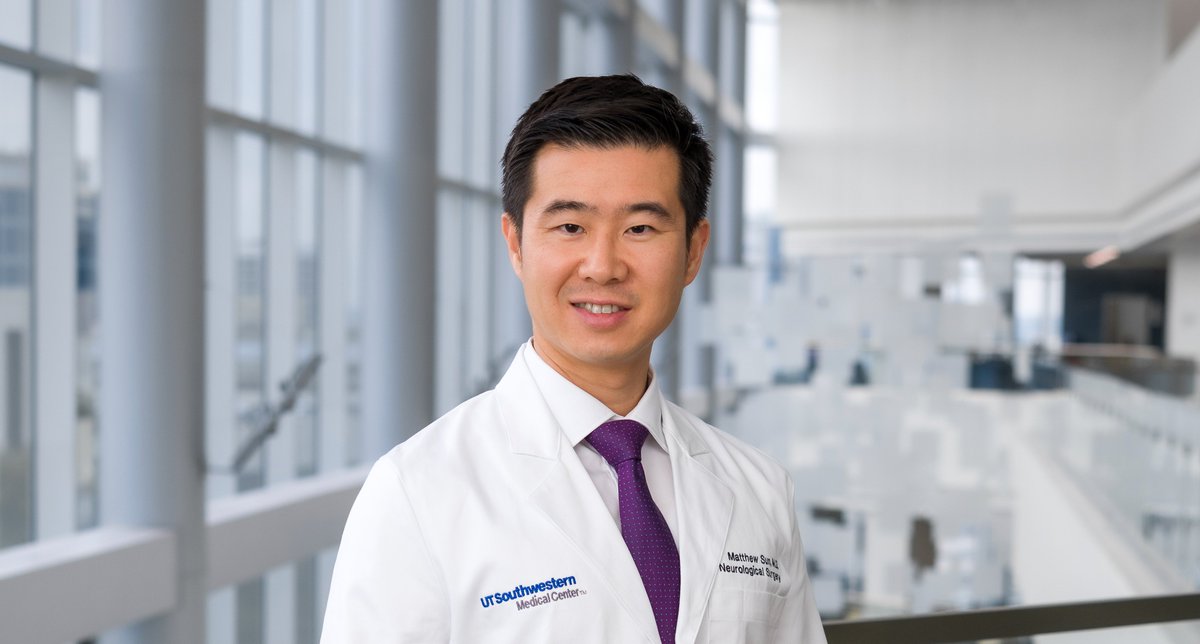
Congratulations @MatthewSunMD, our 2026 Faculty Innovation Award winner! Your ingenuity in neurosurgical care, research, and education continue to inspire our department. 👏 @UTSWMedCenter@UTSWBrain#Neurosurgery
Thrilled that my friend and colleague Andy Josephson will be the next dean of @UCSF School of Medicine. Brilliant clinician, gifted teacher, and one of the warmest people I know – a perfect fit for the moment. Can't wait to work with him in this role.
https://t.co/szEKzkg9XA
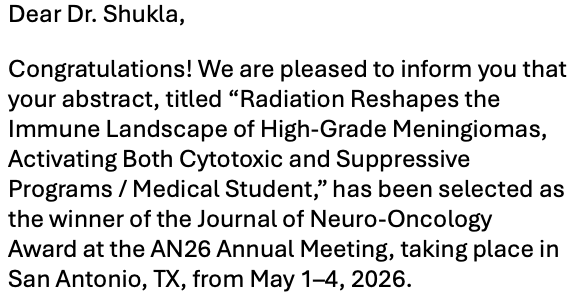
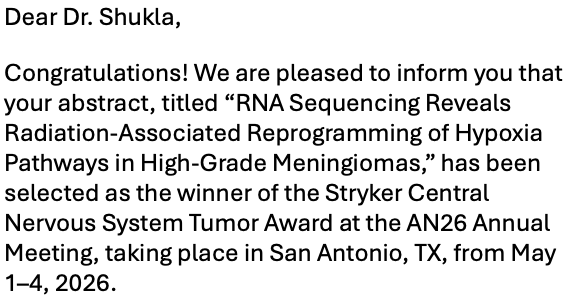
Proud of my med student @IshavShukla for winning TWO AWARDS at the #AANS2026 meeting! @UTSWNeurosurg
JNO Award: Radiation Reshapes the Immune Landscape of High-Grade Meningiomas
Stryker Award: RNAseq Reveals Radiation-Assoc Reprogram of Hypoxia Pathways in High-Grade Meningiomas
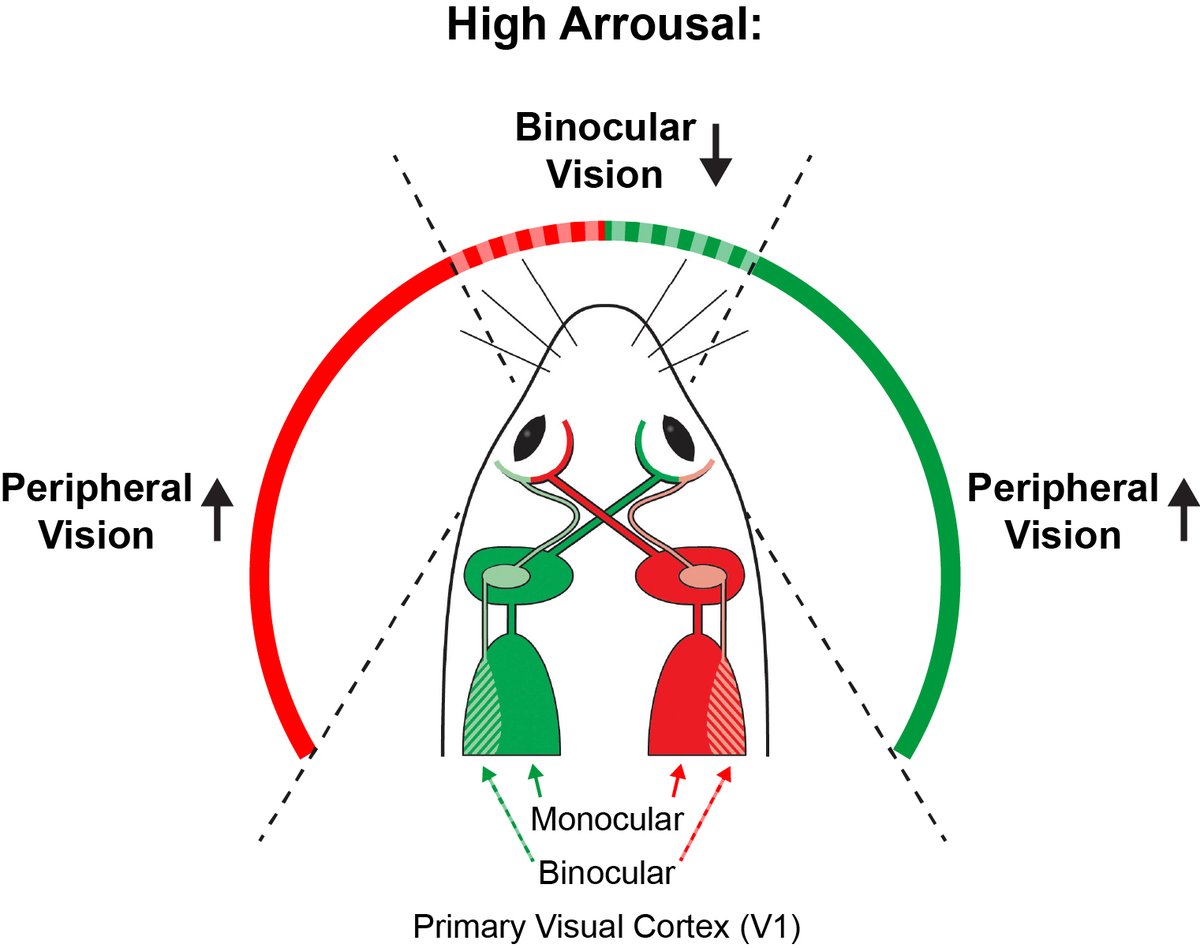
🚨Paper Alert🚨 After 4(!!!) years of revisions, the amazing @KetiCohen & team pushed out this beauty💪 Unlike what the textbooks say, V1 binocularity is not fixed: at high arousal, binocularity decreases while the strength of peripheral vision increases. https://t.co/mK3KEw7jbs
I remember Ethan Shevach talking about how he reviewed this paper in @J_Immunol and only accepted it because he thought “why not let this crazy idea through”, though all reviewers were highly skeptical. Not all Nobel Prize papers have to be in glam journals; they likely require a stroke of luck in review too!