Sleep and autoimmune disease are more connected than most people realise.
Poor sleep raises IL-6 and TNF. It suppresses immune regulatory cells. Circadian disruption directly alters inflammatory gene expression.
In MS, sleep disorders affect up to 62% of patients. In rheumatoid arthritis, poor sleep worsens pain, disease activity, and inflammation.
The relationship runs both ways. Autoimmunity disrupts sleep. Poor sleep drives autoimmunity.
Always cold, even with a "normal" thyroid test?
Standard TSH testing misses a lot. Functional medicine also looks at reverse T3, iron and ferritin, HPA axis function, blood sugar, and gut health.
Urolithin A for mitochondrial renewal; GlyNAC for glutathione restoration; Quercetin + fisetin for senolytic support
No capsule stops aging. Exercise, sleep, and metabolic health still lead. But these target the pathways that habits cannot fully reach.
Aging starts in the mitochondria, not the mirror.
By your 40s, NAD+ has dropped ~50%. Cellular repair slows. Inflammation builds. The compounds with the strongest human evidence right now:
NMN + resveratrol for NAD+ restoration
Spermidine for autophagy
from lymphatic stagnation to cortisol dysregulation to inflammatory cascades that, over time, contribute to chronic disease. Understanding why it happens is the firs
You wake up after a rough night, look in the mirror, and your face looks swollen, heavy, and older than you feel. Most people reach for a cold compress or an extra cup of coffee and move on. t step toward doing something meaningful about it.
https://t.co/ZadPkJ7PaB
But if this is happening to you regularly, your face is sending a signal worth paying attention to.
Facial puffiness after poor sleep is not simply a cosmetic inconvenience. It reflects real physiological changes happening inside your body —
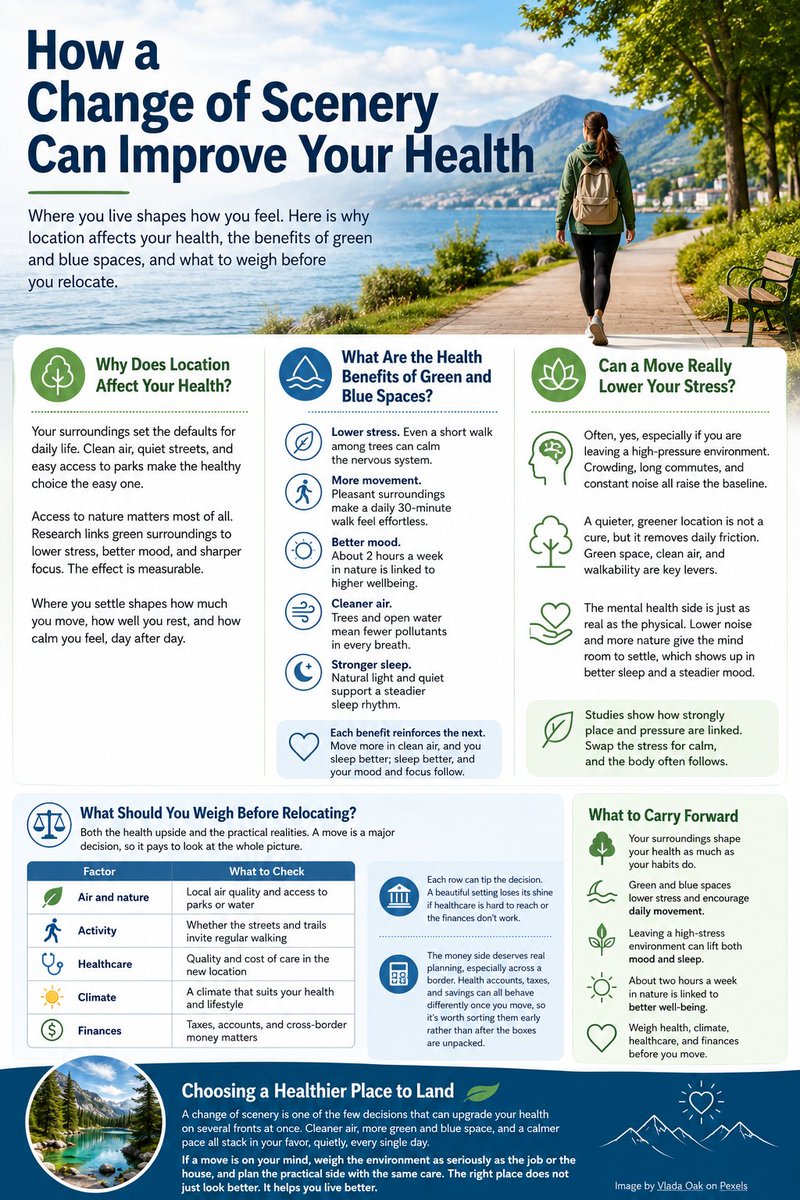
Most health advice focuses on habits. Almost none focuses on environment.
Where you live sets your daily defaults. Clean air, green space, walkability, and low noise all operate on your biology whether you are paying attention or not.
Testosterone declines 1 to 3 percent per year after 40. Low levels often co-occur with diabetes, obesity, hypertension, and cardiovascular disease.
That pattern is a signal, not just a number to correct.
Exercise raises testosterone at any intensity. Alcohol reduction helps.
Childhood snoring is not normal. It is a sign that the airway is being obstructed during sleep.
Up to 5% of children have sleep apnea. Many are misdiagnosed with ADHD or behavioural problems instead.
The structure of the mouth and jaw directly affects breathing.
Sudden increase in eye floaters. Flashes of light. A shadow creeping across your vision.
These are not always just ageing. They can be signs of retinal tears or detachment, which is a genuine eye emergency.
Do not wait for your next routine check. Get evaluated promptly.
Can vibration help preserve bone?
A 12-month trial found that postmenopausal women who consistently used a targeted vibration belt experienced less loss of vertebral bone strength and density than a sham group.
Promising, but fracture prevention remains unproven.
#BoneHealth
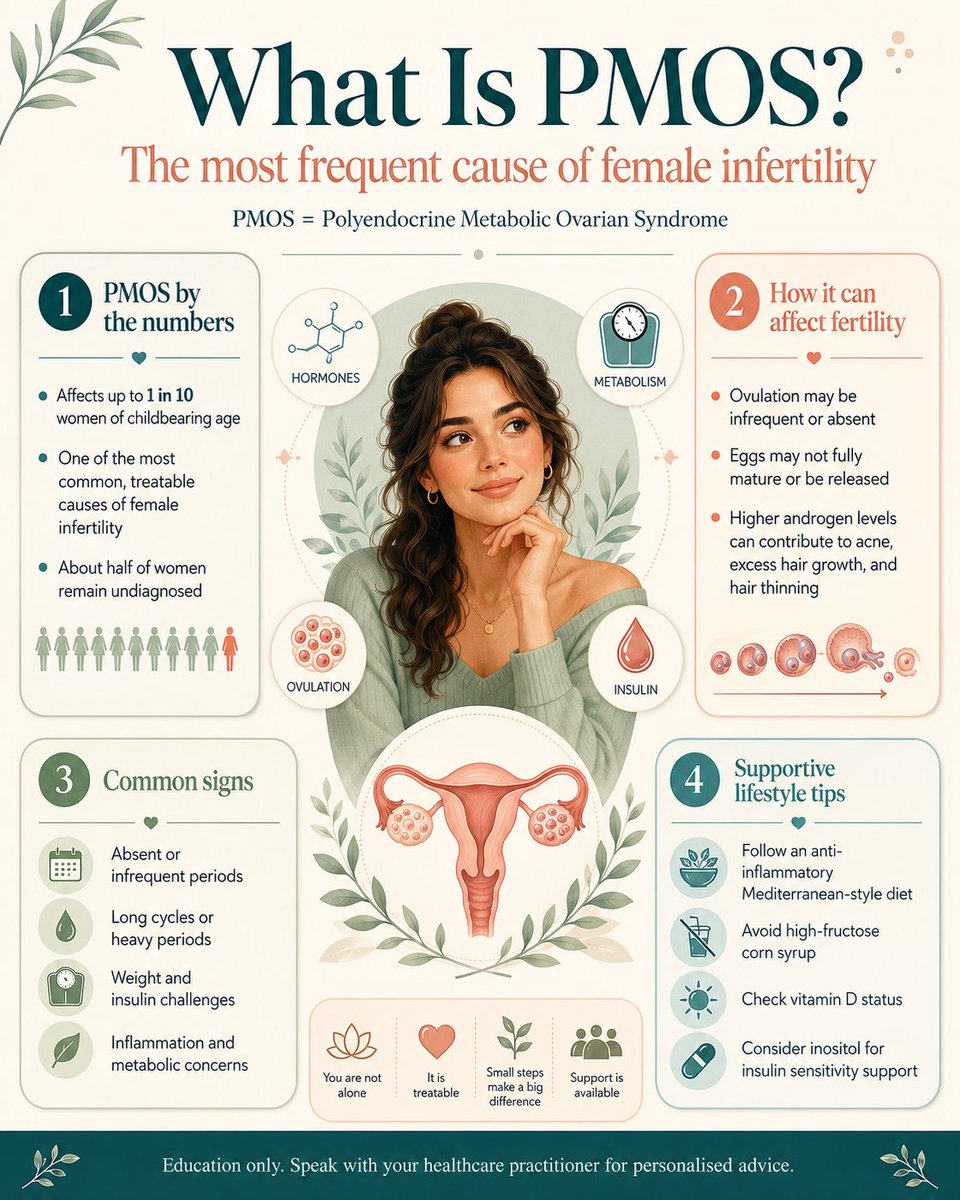
PCOS has a new name: PMOS (polyendocrine metabolic ovarian syndrome).
The name change reflects what it really is: a full-body metabolic disorder affecting 1 in 10 women, with half undiagnosed.
Root causes. Whole-body treatment.
#PMOS#WomensHealth#FunctionalMedicine
Sport as a hobby isn't just exercise.
It's a 63% lower risk of dementia. A 46% drop in all-cause mortality. Better sleep, stronger heart, sharper mind.
Pick something you enjoy. Show up consistently.
That's the prescription.
#SportForHealth#FunctionalMedicine#HealthyAgeing
A new study followed 5,370 adults and found those eating the most ultraprocessed foods had:
58% higher dementia risk
46% higher risk of cognitive impairment without dementia
47% higher risk of either outcome
Food is information for the brain.
Less packaged food. More real food.
Metabolic syndrome is a major warning sign for type 2 diabetes, heart disease, fatty liver and stroke.
A 3-month lifestyle program improved weight, waist, glucose, triglycerides, cholesterol and BP.
People were nearly 4x more likely to recover from metabolic syndrome.
Untreated sleep apnea is not just snoring.
Repeated drops in oxygen during sleep can place serious stress on the cardiovascular system and may contribute to high blood pressure, inflammation, arterial ageing, atrial fibrillation risk, fatigue, and poor recovery.
Deep sleep is not just rest.
It is when your body supports immune repair, cytokine signalling, T-cell activity, natural killer cell function, melatonin balance and inflammation control.
You cannot out-supplement poor sleep.