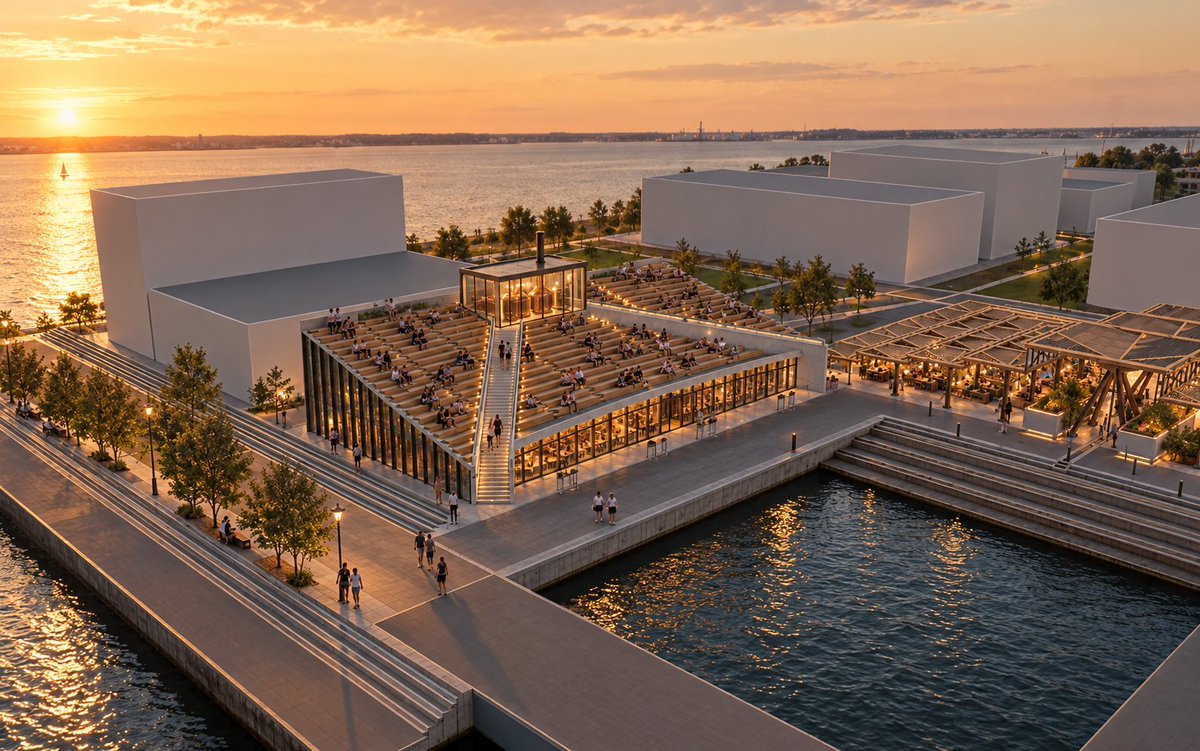
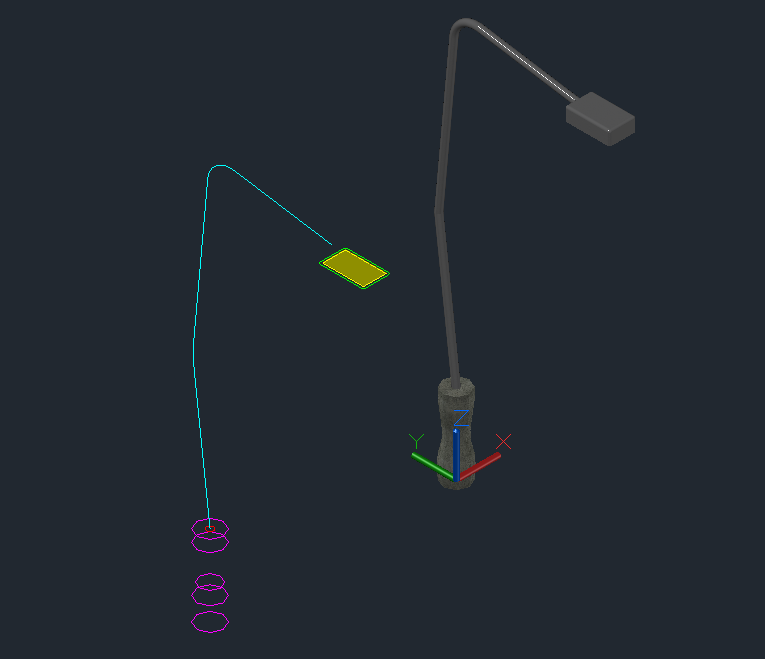
GPT-6 Astra (or Sol) / Opus 5.5. + my SKILL.md:
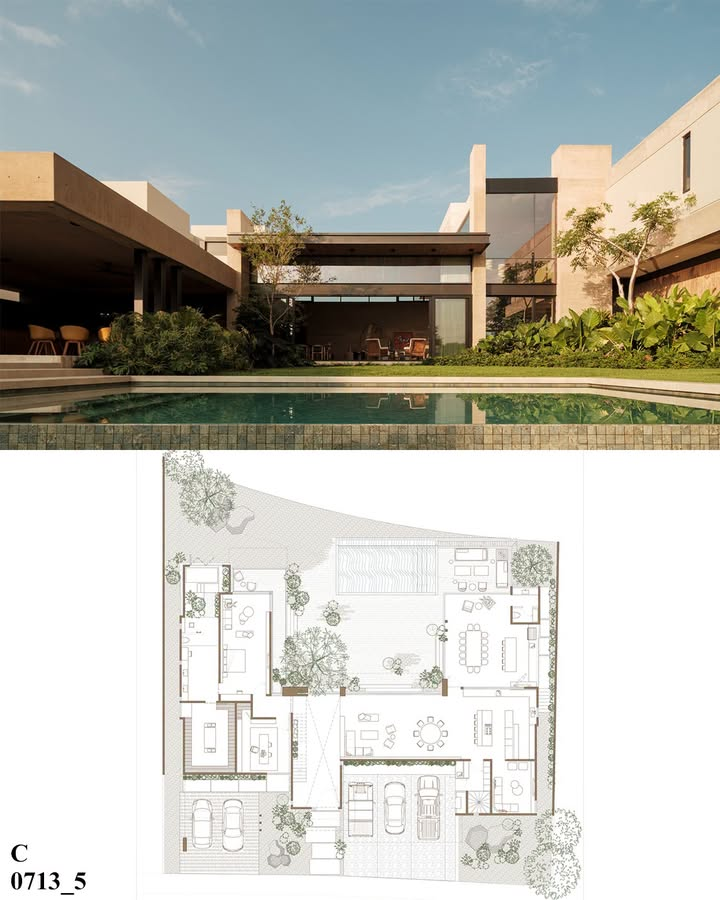
turn real estate photos into 3D walkable spaces
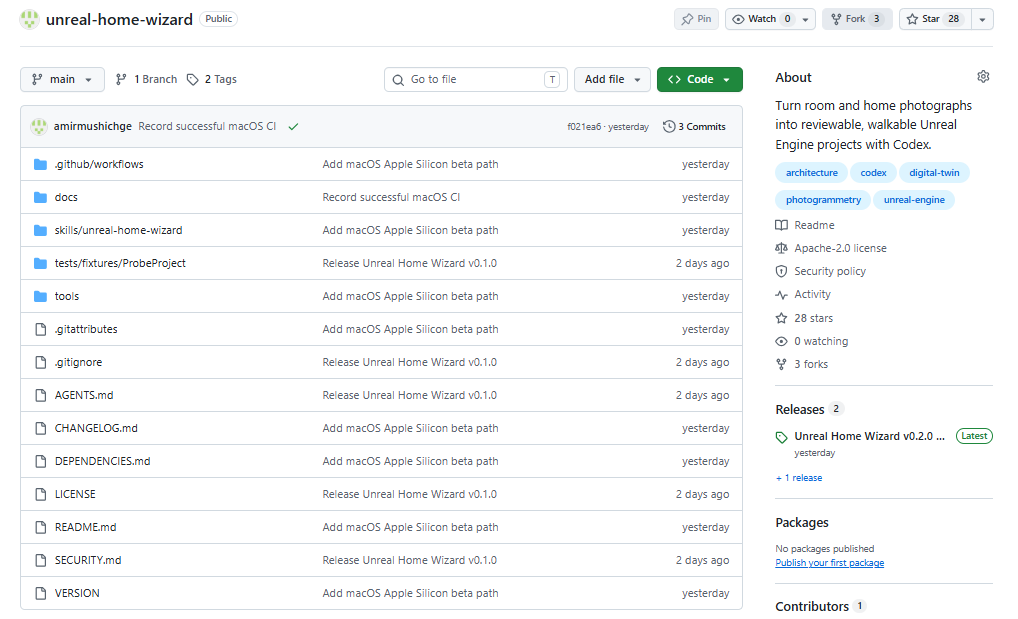
the Skill will guide you - save it:
https://t.co/MKQeBG9Iy7
Opus 5.5のクレジットコスパが良すぎて無限に作業できてしまう
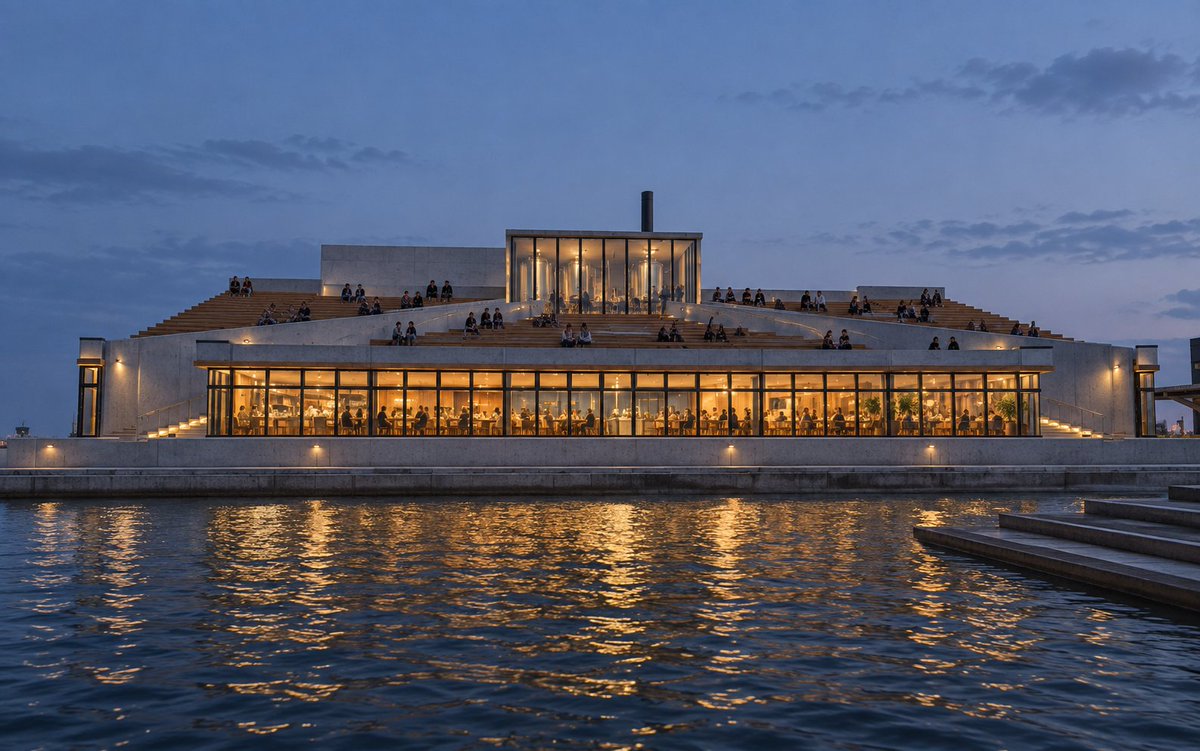
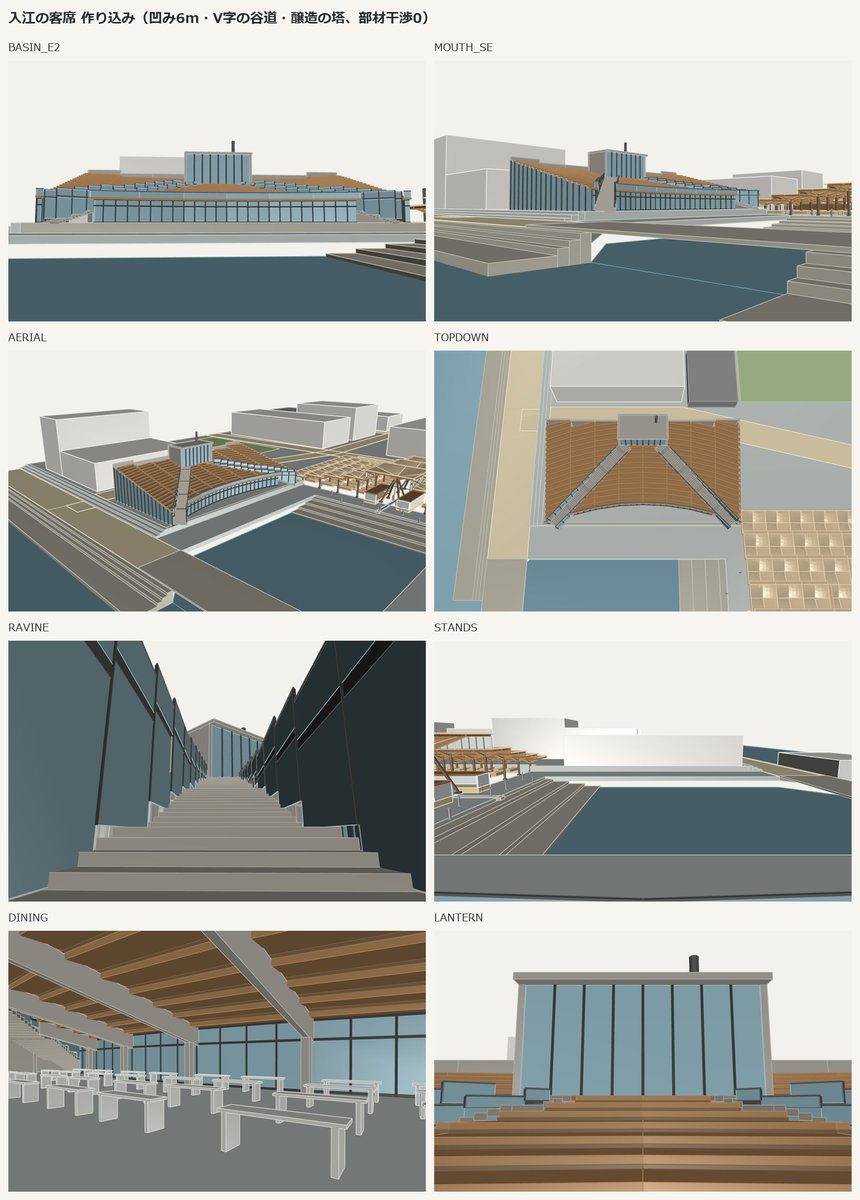
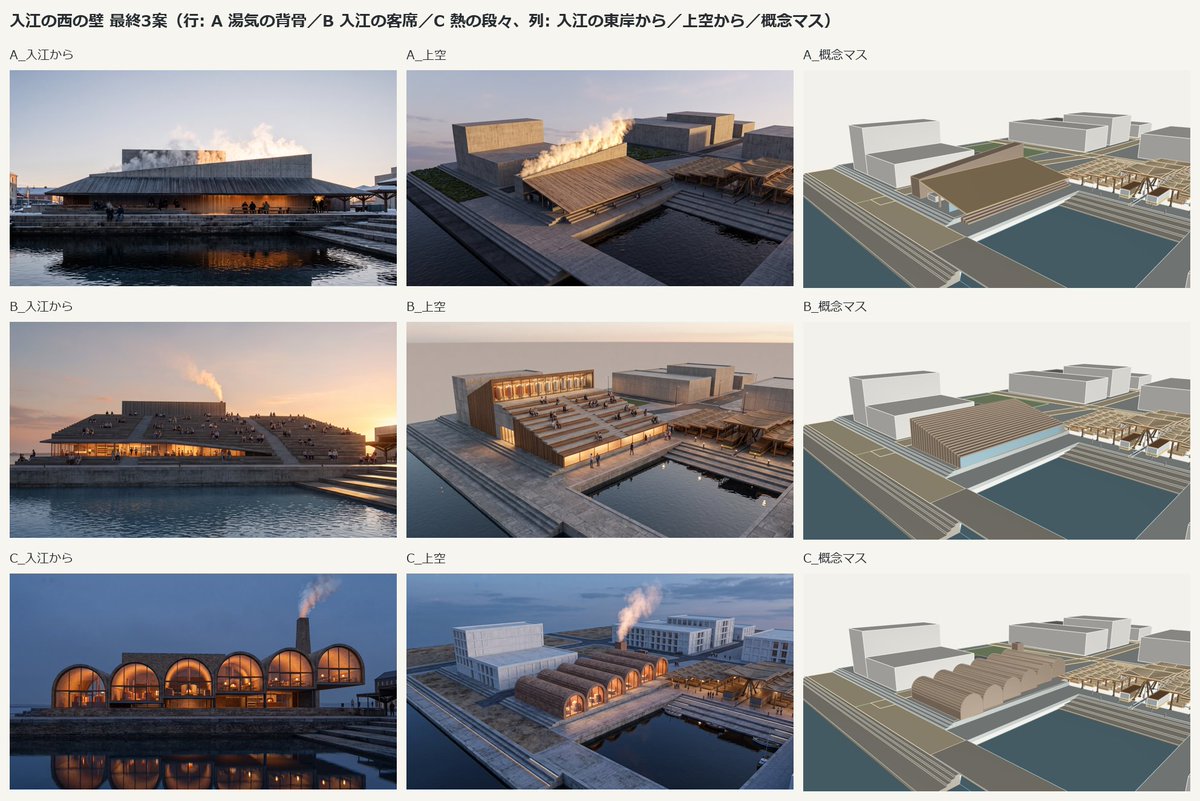
Opus 5.5は作業が早いのも魅力で、デザインの方向性をモデルの素案と画像生成をセットで3案作成させボードにまとめてもらってい���す
これで人間からのフィードバックコメントもしやすく、方向性を検討するのもかなり快適
方向性を決めたら作りこみしてもらい、画像生成も行ってもらいます
画像生成にはヘッドレスモ��ドでCodexを呼び出す方式を採用しています、GPT Images 2.5良い感じ
更に敵対レビューさせたり、人間からツッコミ入れたりして改善していく感じで進めてみています
Opus 5.5、すごく良い感じ
It's mind bending walking around the same place simultaneously in two timelines
Inside the frame it's winter, and outside the frame it's summer - until you step inside.
Recorded this footage in the winter and localized it against a massive 3d scan of the same ranch in the summer. You can follow the camera from the outside, then step into the moment I recorded.
We spend so much time looking at memories through 2d rectangles in our camera roll. It's a strange feeling to walk around one instead. Like navigating through space instead of scrolling through time.
The geospatial memory palace continues to come to life!
Created with @grok
prompt :
Use the UPLOADED IMAGE as the STRICT PRIMARY CHARACTER REFERENCE.
The uploaded person may be MALE or FEMALE. Automatically analyze the visible person and create a complete professional cinematic CHARACTER SHEET based entirely on that individual.
IDENTITY LOCK — HIGHEST PRIORITY
The character shown in EVERY panel MUST be recognizably the EXACT SAME PERSON from the uploaded reference image.
Preserve with maximum accuracy:
• facial identity
• face shape and proportions
• apparent age
• gender presentation
• ethnicity and natural skin tone
• eyes and eye shape
• eyebrows
• nose
• lips
• jawline and chin
• ears
• hairline
• hairstyle, texture, length and color
• facial hair if present
• natural facial asymmetry
• body proportions and build whenever visible
• all distinctive identifying visual features
Do NOT replace the person with a generic AI model.
Do NOT beautify or idealize the face.
Do NOT make the person more masculine or feminine than the reference.
Do NOT change ethnicity, age, facial anatomy, hairstyle, body structure or skin tone.
Do NOT create slightly different faces between panels.
ONE PERSON. ONE IDENTITY. PERFECT CONTINUITY ACROSS THE ENTIRE SHEET.
--------------------------------------------------
OVERALL SHEET DESIGN
--------------------------------------------------
Create an ultra-premium cinematic production character sheet in a WIDE 16:9 landscape composition.
The final result should resemble a professional character-reference board prepared for a high-budget Netflix / HBO / Hollywood production.
Use a sophisticated dark charcoal / black editorial layout with thin clean divider lines, elegant white typography, subtle muted-gray secondary text, balanced spacing and clearly organized image panels.
The sheet must feel like ONE professionally designed production document rather than a random image collage.
No overlapping panels.
No duplicated images.
No malformed typography.
No unnecessary decoration.
--------------------------------------------------
TOP HEADER
--------------------------------------------------
Large elegant title:
CHARACTER SHEET
Directly beneath it, automatically generate an appropriate character descriptor based on the uploaded reference and inferred visual context.
Examples:
MALE TRAVELER
FEMALE ADVENTURER
URBAN FRIEND
LEAD CHARACTER
CASUAL TRAVEL COMPANION
Do NOT invent story-specific information that cannot reasonably be inferred visually.
Create a compact information block containing:
ROLE:
APPARENT AGE:
BODY TYPE:
APPROXIMATE HEIGHT: only if reasonably inferable; otherwise omit
STYLE:
PERSONALITY / VISUAL IMPRESSION:
LOOK:
Keep these concise and production-oriented.
--------------------------------------------------
SECTION 1 — FULL-BODY TURNAROUND
--------------------------------------------------
Create FIVE large vertical full-body panels of the EXACT SAME CHARACTER:
1. FRONT VIEW
2. SIDE VIEW
3. BACK VIEW
4. 3/4 VIEW
5. NATURAL WALKING POSE
Show the complete person from head to shoes.
Maintain identical:
• identity
• apparent age
• hairstyle
• body proportions
• outfit
• accessories
• footwear
• colors
• materials
The turnaround views must represent the same physical character and same clothing from different camera angles, not five reinterpretations.
Neutral professional studio background.
Soft realistic cinematic studio lighting.
Natural anatomy.
Accurate hands.
Accurate feet.
Realistic fabric behavior.
For the BACK VIEW, show a genuine rear view of the same person and outfit.
--------------------------------------------------
SECTION 2 — FACIAL IDENTITY REFERENCE
--------------------------------------------------
Create a dedicated portrait area containing:
• HERO HEAD PORTRAIT
• FRONT HEAD CLOSE-UP
• 3/4 HEAD CLOSE-UP
• OPTIONAL ACCESSORY VERSION if relevant to the uploaded reference
• CLEAN FACE VERSION when useful
• NATURAL SMILING EXPRESSION
All portraits MUST clearly show the same identity.
Do not subtly change:
eye distance,
nose,
jaw,
lip shape,
face width,
age,
skin tone,
hairline,
or hairstyle between portraits.
Use photorealistic skin including pores, fine facial texture and natural imperfections.
--------------------------------------------------
SECTION 3 — EXPRESSION REFERENCE
--------------------------------------------------
Include a larger cinematic expression portrait.
Use a natural expression suitable for the person's visual character, such as:
warm smile,
relaxed confidence,
thoughtful expression,
subtle amusement,
or calm neutral expression.
The expression may change.
THE IDENTITY MUST NOT.
--------------------------------------------------
SECTION 4 — DETAIL SHOTS
--------------------------------------------------
Create neatly framed macro/reference panels showing the character's actual wardrobe and accessories.
Automatically adapt these to whatever is visible in the uploaded reference.
Possible panels:
TOP / JACKET DETAIL
INNER SHIRT DETAIL
PANTS / SKIRT / LOWER GARMENT DETAIL
SHOE DETAIL
WATCH / JEWELRY / ACCESSORY DETAIL
FABRIC TEXTURE
If an item does not exist in the reference, substitute it with another genuinely relevant clothing/accessory detail.
Do NOT randomly add luxury watches, jewelry, glasses or accessories unless they are present or contextually requested.
Every clothing close-up must correspond to the SAME clothing shown on the character.
--------------------------------------------------
SECTION 5 — SCENE CONTEXT REFERENCE
--------------------------------------------------
Create FOUR cinematic environmental reference panels showing the SAME character naturally existing in believable scenes appropriate to their clothing and visual style.
Automatically select context that fits the reference.
Examples:
• sitting inside a vehicle
• sitting outdoors
• casual social moment
• walking
• relaxing
• interacting with an appropriate everyday object
• rear-view environmental shot
These are continuity references, NOT unrelated fashion photographs.
Keep the exact same:
face,
hair,
body,
wardrobe,
accessories,
and character identity.
Include a small heading:
SCENE CONTEXT (REFERENCE)
--------------------------------------------------
SECTION 6 — ENVIRONMENTAL HERO IMAGE
--------------------------------------------------
At the upper-right area, include one beautiful cinematic environmental image related to the character's inferred context.
Examples:
mountains,
city,
road trip,
cafe,
forest,
beach,
home,
office,
street,
or another suitable location.
Integrate the character naturally when appropriate.
Add a subtle short atmospheric quote or character line only if typography can be rendered cleanly.
Also include:
SAME CHARACTER
IN ALL SCENES
--------------------------------------------------
SECTION 7 — OUTFIT PALETTE
--------------------------------------------------
Create a clean:
OUTFIT PALETTE
Extract approximately 4��5 dominant colors directly from the character's clothing.
Display them as minimal rectangular color swatches.
Do NOT invent unrelated colors.
--------------------------------------------------
SECTION 8 — PROP REFERENCES
--------------------------------------------------
Create:
PROP REFERENCES (OPTIONAL)
Show approximately 3–4 small isolated reference objects that logically belong to the character or scene.
Prioritize objects already visible in the uploaded reference.
If additional props are needed, choose only neutral contextually appropriate items.
Examples:
bag,
glasses,
bottle,
hat,
phone,
camera,
book,
travel accessory,
or another relevant object.
Do not add weapons or unrelated fantasy/sci-fi props unless they are clearly part of the uploaded reference.
--------------------------------------------------
CONTINUITY NOTICE
--------------------------------------------------
At the lower-right corner add:
USE SAME OUTFIT IN ALL RELATED SCENES
FOR CONTINUITY
--------------------------------------------------
VISUAL QUALITY
--------------------------------------------------
Photorealistic.
Premium cinematic realism.
Professional film-production reference photography.
Natural realistic skin.
Realistic hair strands.
Accurate human anatomy.
Physically believable clothing.
Detailed fabric weave.
Realistic material response.
Controlled cinematic contrast.
Soft highlight roll-off.
Subtle depth of field where appropriate.
Editorial production-design quality.
Extremely clean layout.
Sharp but natural photographic detail.
The character should look like a REAL PERSON photographed repeatedly during one professional production reference session.
--------------------------------------------------
CRITICAL CONSISTENCY RULE
--------------------------------------------------
Treat the uploaded person as a LOCKED DIGITAL ACTOR.
Every image panel is another photograph of ONE PERSON — never a newly generated interpretation.
Do not allow:
different faces,
different hairstyles,
different body builds,
different ages,
different skin tones,
different outfits,
different footwear,
or unexplained accessory changes.
When information is hidden in the original reference, reconstruct it conservatively and realistically while preserving all visible evidence.
Do not clone the reference pose into every panel.
Generate genuinely correct camera-angle changes while maintaining identity.
--------------------------------------------------
FINAL COMPOSITION
--------------------------------------------------
Arrange everything into ONE cohesive 16:9 production sheet:
TOP:
title + character information + hero/environment area
CENTER-LEFT:
five full-body turnaround views
CENTER:
facial close-ups + expression reference
RIGHT:
wardrobe/accessory detail shots
BOTTOM:
four scene-context images
BOTTOM-RIGHT:
outfit palette + prop references + continuity note
Maintain clean grid alignment, sophisticated spacing and strong visual hierarchy.
No random extra people unless absolutely necessary for environmental context.
The main character must always remain unmistakable.
No distorted hands.
No extra fingers.
No duplicate limbs.
No mismatched shoes.
No inconsistent clothing.
No face drift.
No hairstyle drift.
No body drift.
No random text.
No watermark.
No logo.
8K: 7680 × 4320 ≈ 33.2 million pixels.
16:9 landscape.
Ultra-detailed professional cinematic character reference sheet.
Some people asked me for tutorials on creating something like this. Frankly in today’s time you don’t need tutorials from a human. Your friendly AI is more than capable of teaching you how to build 3D (or anything else) with AI or with tools like blender or libraries like threejs. If coding is a skill then how you use AI is a skill too, which you will keep getting better at with investing time and of course money.
For example, screen record this demo, feed it to AI and ask it to suggest new ideas or variations inspired from it. Once you find a suitable concept, then ask AI to generate a prompt. For three.js all you need to give AI is these terms, once you are ready to get a prompt generated :-
- threejs version (e.g. 185) so that it doesn’t end up using an outdated one.
- TSL or GLSL
- ES6
- and one file HTML output to start with because it’s easier to implement, especially for new starters in web/game (browser based) dev.
you want to find a job that will change your life? figure out how to apply AI to a market that has never seen any innovation. that's what i'm doing with RVs.
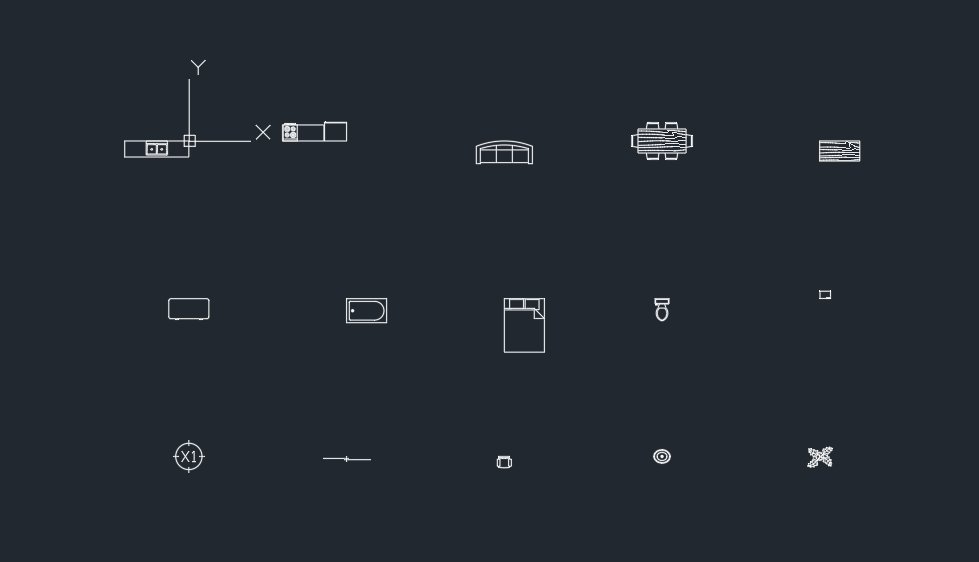
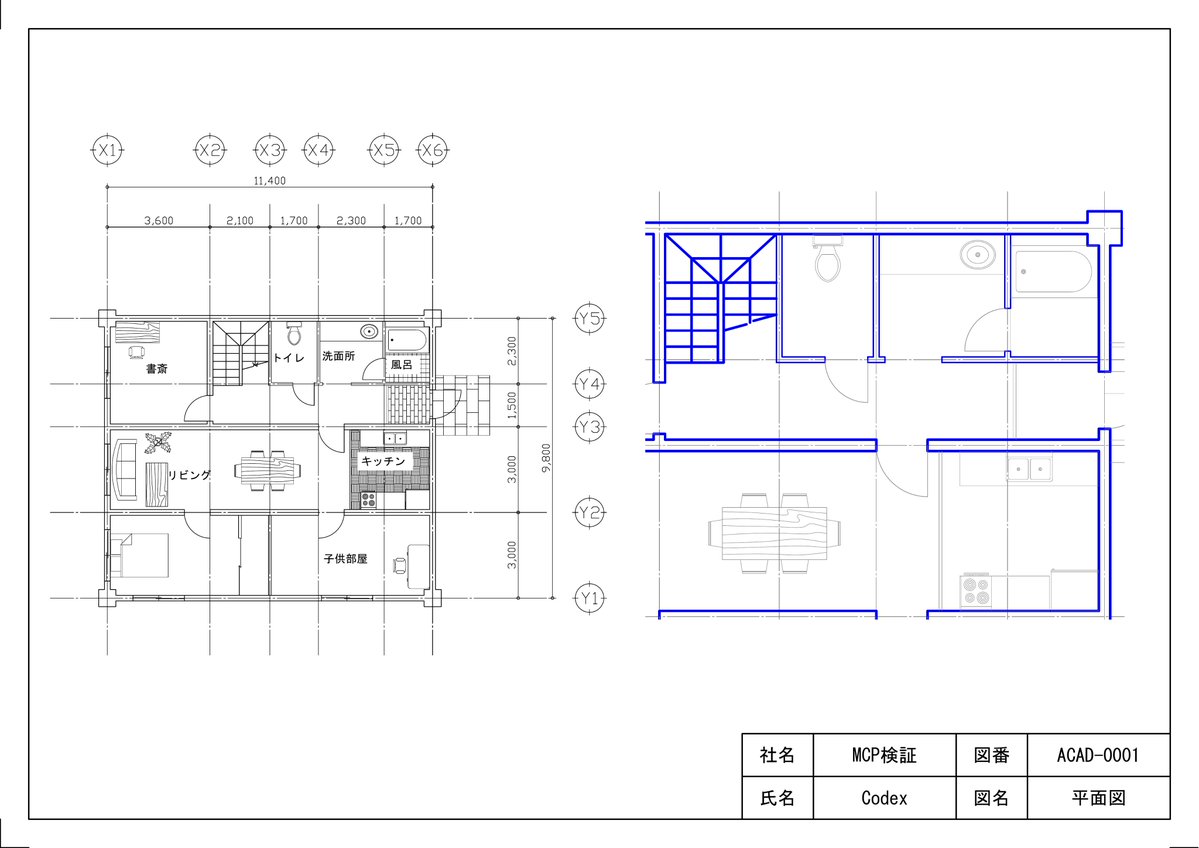
AI processing of floor plan images is helping me comb through (literally) thousands of RV floor plans to accurately tag them with 150+ features and layout options that then become search facets for RV shoppers.
this first image is showing AI perfectly reading each room in the RV. and knowing the ordering of the rooms unlocks so much potential.
this specific example is likely super boring to most people reading this, but the point i'm trying to make is that if you find that one super weird niche that you have more domain knowledge than anyone else – and if you see areas for improvement and can actually ship something – then you have the opportunity to solve problems that people maybe aren't complaining about, but are actively seeking a solution for.
Opus 5.5 built a fun little demo that x-rays a make-believe house with pipes, wires, ducts and all.
It finds four mistakes and fixes them before anything is built.
Now picture an actual expert builder making a tool like it their own. 🔧
Şu olay, UCL tarihinin en epik anlarından biridir. Icardi’nin bu seviyede panenka atması, Alman spikerin sessizliği, müziğin kesilip tribünlerin şarkıya girmesi, Tuchel’in kenarda şaşkın ve çaresiz oturup izleyişi. Müthiş.
Created with @ChatGPT image 2.5
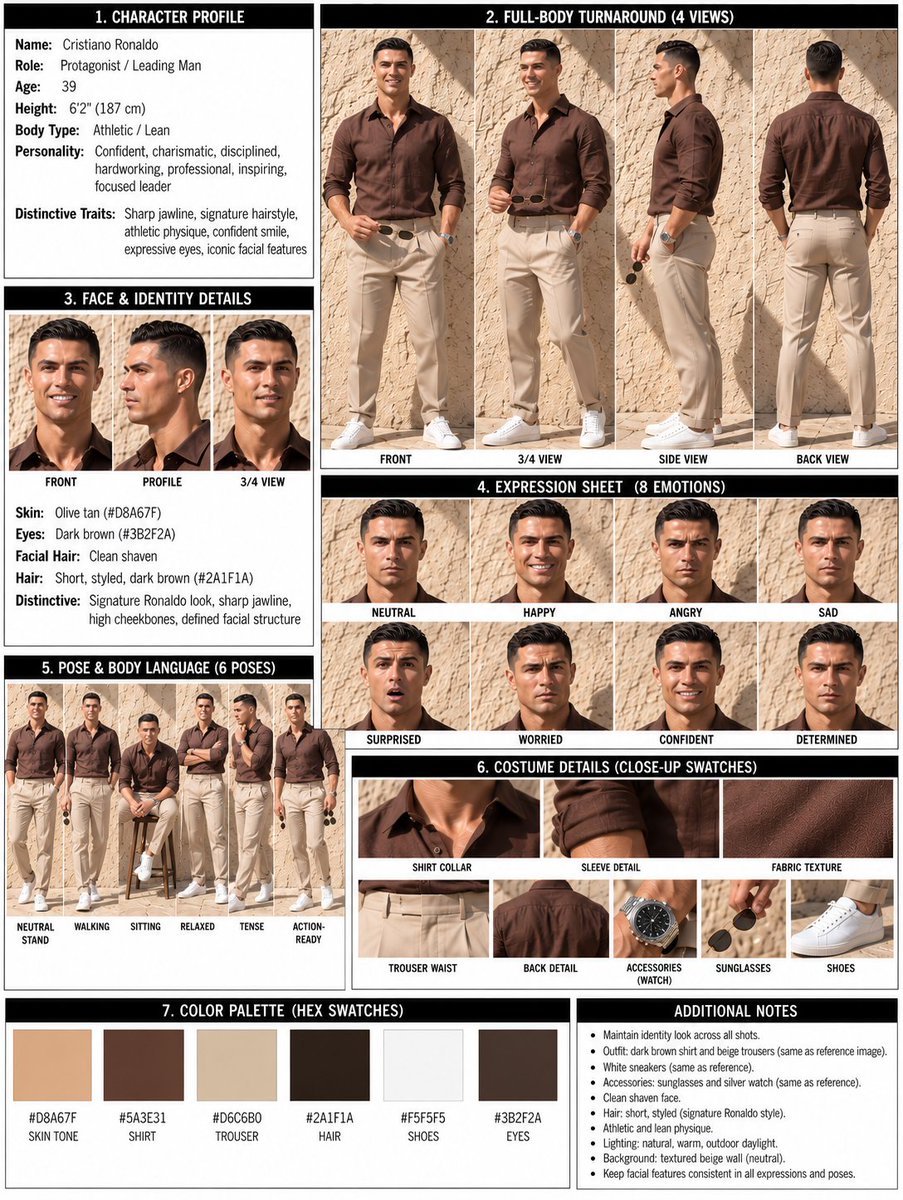
prompt :
Create a premium professional character design reference sheet / production model sheet based strictly on the provided reference image.
REFERENCE & IDENTITY LOCK:
Use the uploaded reference as the single source of truth for the character's identity. Preserve the exact facial identity, facial structure, hairstyle, hairline, eye shape and color, eyebrows, nose, lips, skin tone, body proportions, physique, age appearance, distinctive features, costume design, accessories, footwear, colors, patterns and all recognizable visual details. Do not redesign, beautify, simplify, age, de-age, or reinterpret the character.
CHARACTER DESIGN ANALYSIS:
Before constructing the sheet, internally analyze and lock the character's:
facial construction
head-to-body ratio
body proportions
shoulder width and torso structure
limb length and joint placement
silhouette
hairstyle and hair volume
costume construction
accessory placement
color relationships
material characteristics
distinctive identity anchors
All subsequent views must represent the exact same character design.
PAGE FORMAT:
Create one sophisticated studio-grade character reference board, landscape 16:9, clean neutral/off-white studio background, refined editorial production-board aesthetic, highly organized hierarchy, generous spacing, subtle technical guide lines, restrained professional typography-style labels where appropriate, no decorative clutter.
01 — HERO CHARACTER PORTRAIT
Place one larger polished head-and-shoulders or three-quarter portrait as the visual identity anchor.
Show the character's canonical facial identity clearly with neutral professional expression and accurate hairstyle, skin, costume and accessories.
02 — FULL-BODY TURNAROUND
Create a clearly organized full-body turnaround showing the same character at identical scale and proportions:
FRONT VIEW
3/4 FRONT VIEW
SIDE PROFILE
3/4 BACK VIEW
BACK VIEW
Use a neutral standing pose with consistent posture and anatomical alignment.
Keep head height, eye line, shoulder line, waist, hips, knees and feet consistently aligned across every view.
The costume, hairstyle, accessories, seams, patterns, footwear and silhouette must remain identical from every angle.
03 — EXPRESSION STUDY
Include a clean expression grid containing approximately 6 expressions:
Neutral
Happy / subtle smile
Serious
Angry / determined
Surprised
Sad / emotional
Maintain the exact same facial identity, head proportions, hairstyle and facial construction in every expression.
Expressions should demonstrate believable facial acting rather than exaggerated deformation.
04 — SIGNATURE POSE STUDIES
Include 4–6 full-body pose studies that communicate the character's personality and physical behavior.
Use varied but believable poses such as:
relaxed standing
confident stance
walking
sitting
interacting with an object
dynamic signature pose
Maintain exact character proportions, costume construction and recognizable silhouette in every pose.
05 — COSTUME & DETAIL CALLOUTS
Add several clean close-up detail panels showing the most important design elements:
hairstyle / hair detail
face detail
collar / neckline
sleeves / garment construction
footwear
jewelry or accessories
distinctive emblem / pattern / texture
important prop if present
Show construction and material clearly without turning the sheet into a decorative fashion collage.
06 — MATERIAL STUDIES
Visually communicate the primary materials present in the design:
fabric, leather, metal, denim, silk, knit, plastic, glass, jewelry, hair, skin or other relevant materials.
Show realistic surface behavior, texture, reflectivity and construction appropriate to each material.
07 — COLOR PALETTE
Include a compact professional color palette strip containing the dominant character colors.
Organize colors according to their visual role:
skin
hair
primary costume
secondary costume
accent color
accessories / materials
Keep the palette faithful to the reference.
08 — PROPORTION & SILHOUETTE GUIDE
Include a subtle technical proportion guide beside the turnaround.
Show:
overall height
head-to-body ratio
major horizontal alignment guides
key body proportions
clean silhouette thumbnail
Keep this section understated and production-oriented.
09 — DESIGN CONTINUITY
Treat the entire page as a single canonical character source of truth.
Every panel must depict the SAME person/character with:
identical facial identity
identical body proportions
identical hairstyle
identical costume
identical accessory placement
identical color palette
identical design language
consistent left/right details
No accidental costume changes, missing accessories, duplicated accessories, altered facial features, changing body proportions, inconsistent hairstyles or unexplained design variations.
VISUAL DIRECTION:
High-end professional character design presentation, studio production reference quality, sophisticated concept-art discipline, clean polished rendering, precise construction, controlled neutral lighting, realistic material definition, excellent anatomical consistency, crisp readable details, refined editorial layout, premium art-direction quality.
The sheet should feel like an actual professional animation / game / visual-development production document, not a collection of random AI images.
COMPOSITION:
Clear information hierarchy, balanced negative space, aligned panels, consistent character scale, clean grid system, logical visual flow, no overlapping figures, no cropped bodies, no confusing perspective, no unnecessary scenery.
CAMERA / VIEW CONTROL:
Turnaround views should use consistent orthographic-like framing and neutral perspective. Expression studies should use a consistent head framing. Pose studies may use natural perspective while preserving character proportions.
LIGHTING:
Neutral studio illumination designed for design inspection rather than cinematic drama. Soft, even, physically believable light with controlled shadows and accurate material readability.
PHOTOGRAPHIC / RENDER FINISH:
Ultra-clean high-end visual development presentation, realistic surface detail, natural skin and hair rendering, physically believable materials, sharp but refined detail, professional production-board finish.
OUTPUT QUALITY:
16K: 15360 × 8640 ≈ 132.7 million pixels, high-resolution professional quality.
NEGATIVE CONSTRAINTS:
No character redesign, no identity drift, no inconsistent proportions, no changing face, no changing hairstyle, no costume variations, no missing accessories, no duplicated accessories, no extra limbs, no malformed hands, no distorted anatomy, no random props, no dramatic scenery, no cinematic background, no excessive effects, no clutter, no watermark, no logo, no cropped views.