I'm a Tam-Bram living in Matunga, Mumbai. Coz of Modi I'm in X.
I've 8 videos in YouTube with Eng subtitles on my experiences with Kanchi Maha Periyava. Link 👇
Experiences with Maha Periyava: Paramacharya subdues the veena player’s ego
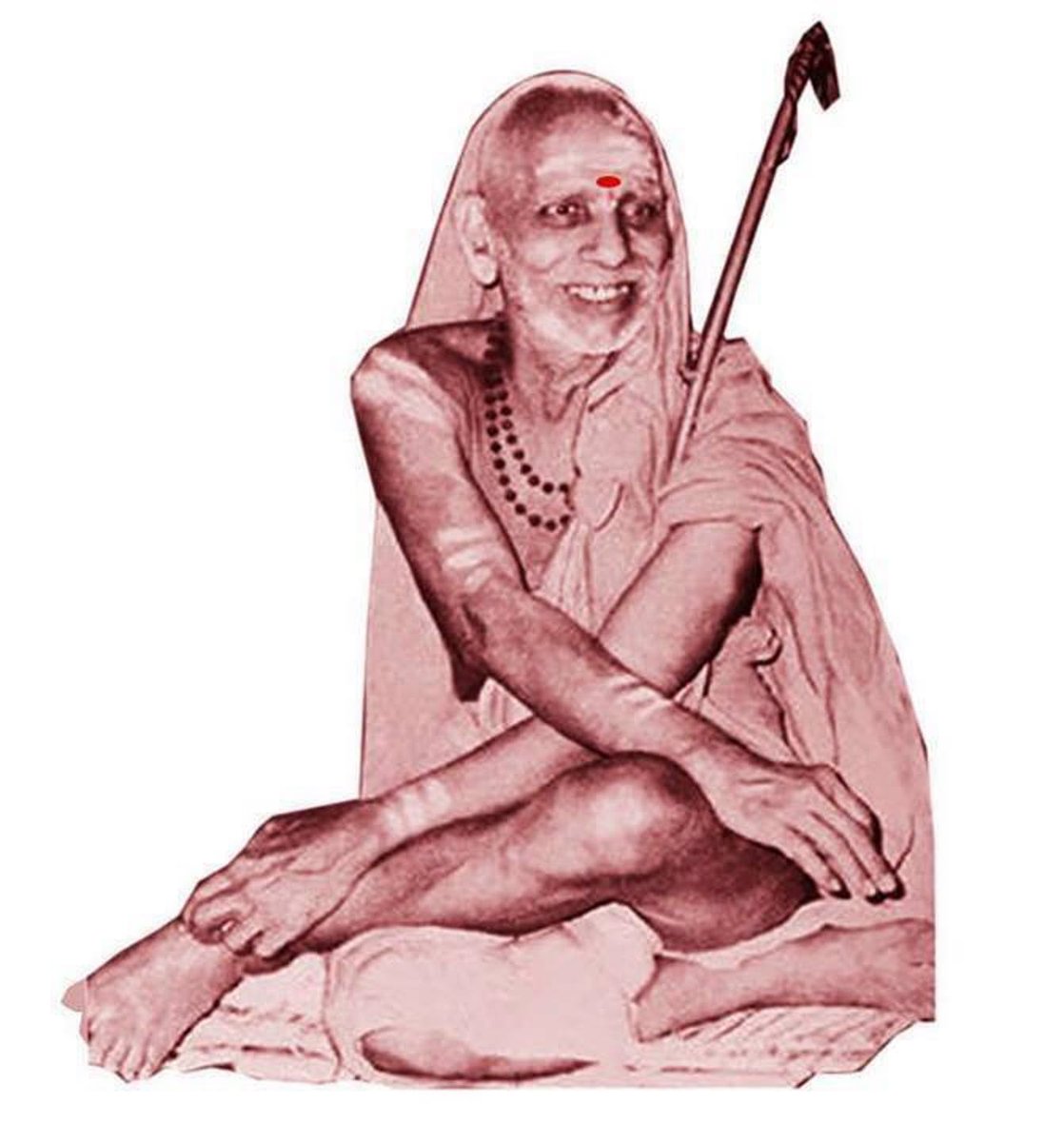
Sri Maha Periyava was camping in Satara in Maharashtra. There were multitudes of people waiting to have a darshan of the Mahan. There was a devotee of Paramacharya, who was proficient in playing the veena. On hearing about Paramacharya’s visit to Satara, he too came to visit the Mahaswami. He had a desire to play the veena in front of Maha Periyava.
After some time, the veena player managed to have the darshan of Maha Periyava. Upon having darshan, he requested Paramacharya if he could play a small piece on his veena. Maha Periyava gave him permission and he started to play the veena. It is a well-known fact that Paramacharya was adept in all arts and fine-arts. The veena player’s performance was great and everyone in the crowd liked it very much. There was a brief silence following this and then Maha Periyava picked up the veena and played a small piece. Sri Maha Periyava’s performance was even better than the veena player. After Periyava completed the performance, the veena player’s eyes were flooded with tears. He immediately prostrated onto the holy feet of Sri Maha Periyava and kept on prostrating to Him again and again. Paramacharya looked at him but He did not utter a word. After a while, Maha Periyava went inside.
Everyone was witnessing the whole scene but no one knew what was happening. When the veena player stepped out, some of the devotees of Maha Periyava asked him what had happened. The veena player told them that he had committed a grave sin and that Maha Periyava had subdued his ego. When queried by the devotees to elaborate on what had happened, he told them that he had played a very rare set of notes on his veena, and while playing, he had forgotten some of the notes in the middle of the performance. He added that he had looked around at the spectators and decided that no one would really know the notes and had managed to play some other notes instead. Upon completion, Maha Periyava picked the veena and played the same notes that he had earlier fumbled upon. He said that Paramacharya had played a very rare piece on his veena; the same notes which were played by Ravana to propitiate Lord Shiva in Kailasha. The veena player also admitted having an inflated ego and said that it was only Paramacharya who had subdued his ego.
Source- Compiled by Jagadguru Sri Maha Periyava - Kanchi Paramacharya/Fb
@anandk_to I have already written the subtitles of my videos in English and the north Indian was delighted to understand the 8 episodes.Only the fifth was,already narrated in English. Please check my X bio where in I have the you tube LINK for my 8 videos.
@AlokJagawat Similarly Paramacharyal saved me in a kitchen accident about 4 decades back....Memorable experience. Video has subtitles in English. https://t.co/D7LOqxdgGf
@MatungaMami Hello Ma'm, greetings!
I saw that you're planning to do an English version of this series. Delighted to hear it. My wife, who is not on X, offers her help with the project.
If you want to see her work:
https://t.co/1DrcMgLR2r
My DM is open. WDTT.
@Gopalee67 A north Indian who had little understanding of Thamizh,requested if I could give English subtitles to my 8 short videos on"My experiences with Kanchi MahaPeriyava in You Tube @MatungaMami. He was a devotee of Paramacharyal. I agreed immediately.All shdknow about Nadamadum Deivam
It was a book release function held few days ago. The book was on Kanchi Mahaswamigal by B.Swaminathan. MHCs Justice GRS too participated in this program. Everyone from every walk of life would love to hear about Periyava. Such was the aura he still carries even after 32yrs
#மகாபெரியவா
ஒரு முறை மகா பெரியவா காஞ்சிபுரத்தில் உள்ள சாந்தாலீஸ்வரர் ஆலயத்தில் தங்கி இருந்தார். ‘சார்ந்தாசய ஆலயம்‘ என்று சொல்வார்கள். இந்த ஆலயத்தில் உள்ள சிவலிங்கத் திருமேனியை வியாச மகரிஷி பிரதிஷ்டை செய்துள்ளார். காஞ்சிப் புராணத்தில் சொல்லப்பட்ட மிகப் புராதனமான ஆலயம். அன்றைக்குக் காஞ்சிபுரத்தில் பலத்த மழை. விடுவதாகத் தெரியவில்லை. கொட்டித் தீர்த்துக் கொண்டிருந்தது.
மகா பெரியவா தங்கி இருந்த சாந்தாலீஸ்வரர் ஆலயம் பிரதான சாலையில் இருந்து சற்றே விலகிக் காணப்பட்டது. மகானைத் தரிசிக்க வேண்டும் என்றால், பிரதான சாலையில் இருந்து விலகி, உள்ளுக்குள் நடக்க வேண்டும்.
அடாது பெய்த மழையால், மகா பெரியவா தங்கி இருந்த ஆலயத்தின் வாசலும், பிரதான சாலைக்குச் செல்லும் வழியும் சொதசொதப்பாகக் காணப்பட்டது. சேறும் சகதியும் நிரம்பி இருந்தது. எனவே, அந்தப் பாதையைப் பயன்படுத்துவதே லாயக்கற்றதாக இருந்தது. அதற்கு ஏற்றாற் போல் வெளியூர் பக்தர்கள் எவரும் மகானைத் தரிசிக்க சாந்தாலீஸ்வரர் ஆலயத்துக்கு வரவில்லை.
ஆனாலும், அடித்துப் பெய்கிற அந்த மழையிலும் மகா பெரியவாளைத் தரிசிக்க ஒரு வட இந்தியக் குடும்பம் காரில் புறப்பட்டு வந்திருந்தது.
மகான் தரிசனம் தந்து கொண்டிருக்கிற இடத்தை விசாரித்து அறிந்து கொண்ட வட இந்தியக் குடும்பத்தினர் ஒவ்வொருவரும் சாந்தாலீஸ்வரர் ஆலயத்தை நோக்கி நடக்க ஆரம்பித்தார்கள். காரில் பயணித்து வந்த குடும்பத் தலைவி மட்டும், மோசமான உடல்நிலை காரணமாக கீழே இறங்கவில்லை. அவர் நடந்து செல்லும் நிலையில் இல்லை. எனவே, அவர் வண்டியிலேயே இருந்தார்.
மற்ற அனைவரும் சேறும் சகதியுமாக சொதசொதப்பாக இருந்த இடத்தில் சர்வ ஜாக்கிரதையாக நடந்து சாந்தாலீஸ்வரர் ஆலயத்தை அடைந்தார்கள்.
சங்கர சொரூபமாக ஆலயத்தினுள் வீற்றிருக்கிற பெரியவாளைத் தரிசித்து ஆசி பெற்றார்கள்.
குடும்பத்தினரைப் பார்த்து க்ஷேம லாபம் விசாரித்தார் மகான். பிரசாதம் தந்தார்.
உற்சாகமாகப் பேசிய அவர்கள், தங்களுடன் வந்த குடும்பத் தலைவி பற்றி எடுத்துச் சொல்லி, உடல்நிலை காரணமாக அவர் வண்டியிலேயே இருக்கிறார். சேறும் சகதியும் நிரம்பிய இந்த சாலையில் அவரை நடத்தி அழைத்து வருவது உகந்ததல்ல என்றனர். பிறகு, தாங்கள் இங்கு இருந்தவாறே அவளுக்கு ஆசி வழங்க வேண்டும் என்று வேண்டுகோள் வைத்தனர்.
பொழுது சாய்ந்து கொண்டிருந்த மாலை வேளை… கன மழை பெய்த காரணமாக ஊரே இருண்டு காணப்பட்டது.
எவரும் எதிர்பாராத அந்த வேளையில் மகா பெரியவா தன் இருக்கையில் இருந்து எழுந்தார். சேறும் சகதியும் அப்பிக் காணப்பட்ட சாலையில் தன் திருப்பாதம் பதித்து நடந்தார். வட இந்தியர்கள் வந்த வாகனம் அருகே சென்றார்.
உடல்நிலை பாதிக்கப்பட்டிருந்த அந்தக் குடும்பத் தலைவி, மகானே தன்னை நோக்கி வருவதை உணர்ந்து எழ முற்பட்டார். கைகளைக் கூப்பினார்.
அந்த அம்மாளை வண்டியிலேயே இருக்குமாறு சைகை செய்து விட்டு, கார் கதவு அருகே வந்தார் பெரியவா.
லேசான இருள் சூழ்ந்த அந்த இடத்தில் தன் முகத்தில் டார்ச் லைட் வெளிச்சம் அடித்துக் காண்பித்தார். “என்னை நன்னா தரிசனம் பண்ணிக்கோ” என்றார்.
அந்தப் பெண்மணியும், “சங்கரா… சர்வேஸ்வரா…” என்று பெரியவாளைப் பார்த்துக் கன்னத்தில் மாறி மாறி அறைந்து கொண்டு தரிசனம் செய்தார்.
தன்னை நாடி வந்த ஒரு பக்தையை அவர் இருக்கிற இடம் தேடிச் சென்று தரிசனம் தந்த மகானைப் பார்த்து அந்தக் குடும்பத்தினர் அனைவரும் பரவசப்பட்டுக் கையெடுத்துக் கும்பிட்டனர். அதன் பிறகே அங்கிருந்து சந்தோஷத்துடன் புறப்பட்டனர்.
சர்வம் ஸ்ரீ கிருஷ்ணார்ப்பணம்🙏
In a 1990s camcorder clip, the Kanchi Shankaracharya, Jayendra Saraswati, asks the mystic Yogi Ramsuratkumar to come south with him, where caste violence has broken out.
“So you want me to address the gathering?” the Yogi asks.
“No. Just visit them. Just be there.”
Three decades on, Scheduled Caste children in Tamil Nadu are still being attacked over caste:
Nanguneri, 2023: a 17-year-old and his sister were hacked with sickles at home by dominant-caste schoolmates
Tirunelveli, July 2026: a boy was beaten in a government school for drinking from a tap before upper-caste boys
Coimbatore, October 2026: a schoolboy took his own life; his mother says classmates harassed him after a teacher singled him out as being from a ‘beef-eating caste’
Both places have respected mathas: the Vanamamalai Matha in Nanguneri, of the Ramanuja tradition, whose founder practised equality across castes, and the Perur and Kaumara Adheenams in Coimbatore. In public, at least, they have said nothing.
Many matha heads respond quickly to political slights or ritual disputes, but say little when caste violence breaks out.
Jayendra Saraswati did the opposite. From the late 1970s, he walked into Scheduled Caste colonies, something pontiffs were not expected to do. On one such visit, caste Hindus of the town followed him in to clean and decorate the colony temple and worship there, with a Scheduled Caste priest doing the puja.
In 1978 he also inspired Dr S S Badrinath to set up Sankara Nethralaya, a charitable eye hospital, at a time when such hospitals were mostly run by Christian missions. Even M Karunanidhi, a fierce critic of the Kanchi matha, called it the pride of Tamil Nadu.
The piece by @arvindneela also looks back at Meenakshipuram in 1981, and at what 192 families in a village two kilometres from a Hindu unity conference did on the day it was held.
https://t.co/AVPrxu2rVS
BIG MOVE 🚨
Modi Govt stepping up efforts to bring 120 top Indian-origin scientists and researchers back home under the PM Research Chair Scheme 2026 🔥
Aim is to turn Brain Drain into Brain Gain and make India a global leader in research and innovation! 🇮🇳
🚨BIG BLOW TO CHINA: India Imports Solar Silver Paste Worth 10000 Crore From China, Now India Develops Indigenous Silver Paste at 24% Lower Cost.
India was importing a critical material used in solar panel manufacturing, reportedly worth nearly ₹10,000 crore annually, with China dominating the supply chain. Now, an IIT Bombay-incubated Indian startup has developed the country's first indigenous solar silver metallisation paste, potentially breaking a crucial technological dependency.
The bigger breakthrough? The indigenous alternative could be around 24% cheaper than the imported Chinese material.
This is not just another startup achievement. Silver paste is a critical component used to create the conductive lines on solar cells that collect and transfer electricity. Without it, efficient solar cell manufacturing becomes difficult.
Despite becoming a major player in solar module manufacturing, India continued importing this specialised material from China and other international suppliers. In other words, we were manufacturing solar panels but remained dependent on foreign countries for one of their most important components.
That dependency could now begin to change.
Developed by IIT Bombay-incubated NED Materials Private Limited, the indigenous formulation has reportedly undergone industrial testing, achieving a solar cell efficiency of 22.47%.
The next target is even bigger: developing silver-coated copper paste to reduce dependence on silver itself.
This is what genuine technological self-reliance looks like: not simply assembling products imported from elsewhere, but developing the critical technologies and materials that power them.
@sona_sebin True..
Japanese scientist Yoshinory Ohsumi won Nobel prize,a couple of yrs back. It was EXACTLY for this kind of fasting..autophagy. We observed nirjala,not even water upavasam(fasting)during Ekadashi & broke fast on Dwadashi after prayers. Now old.I drink morning tea.Nothingelse
Gymla என்னோட friend ஒருத்தவங்க சஷ்டி விரதம் இருக்காங்க..
ஒரு வாரம் no food ..
i mean no cooked food ..Only coconut water ..
fruit juice..and Fruits...It seems..
அப்போ நான் சொன்னேன்..
"பெரியவிஷயம்ங்க ..
எனக்கெல்லாம் மைக்ரென் வந்த்ரும்..
செம்ம ங்க" ன்னு சொன்னேன்..
அப்போ இன்னொருத்தவங்க பக்கத்தில நின்னுட்டு இருந்தாங்க(முற்போக்கு பேசும் ரகம்)
"பெரிய விஷயம் தான்
இல்ல ன்னு சொல்லல ..இவுங்க juice சாப்பிடுறாங்க..ஆனா 'மு' பாருங்க ஒரு மாசம் பச்ச தண்ணி குடிக்க மாட்டாங்க ..6 மணி க்கு தான் சாப்பிடுவாங்க..
அப்போ அது தானே பெரிய விஷயம்..என்ன நசரீன்.. அப்டி தானே விரதம் இருப்பீங்க..ன்னு என் friend நசரீன் கிட்ட கோர்த்து விட..
Nasrin came to the scene..
"ஆமா பா எச்சில் கூட விழுங்க மாட்டோம் .." ன்னு சொல்ல..
எனக்கு வாய் சும்மா இருக்குமா?
இப்போ எதுக்கு இந்த comparison எல்லாம்? நீங்க சஷ்டி விரதம் அல்லது வேற ஏதாவது விரதம் இருந்திருக்கீங்களா ன்னு மொதோ பேசின lady கிட்ட கேட்டேன்..
"நான் கோயிலுக்கு போவேன் அதுவும் அப்பப்போ..இவ்ளோ deep ஆ எல்லாம் இருக்க மாட்டேன் "ன்னு சொல்லவும்..
உஙகளுக்கு ஏகாதசி விரதம் ன்னா என்ன தெரியுமா~?
No i don't know..இதே போல fruits மட்டும் சாப்பிடுவீங்களா ன்னு கொஞ்சம் நக்கலா கேட்டுச்சு..
நான் சொன்னேன்..
மொதோ நாள் தசமி eve க்கு மேல எதுவும் சாப்பிட கூடாது..
Then.. next day morning தண்ணி கூட குடிக்காம விரதம் இருக்கணும்..
நசரீன் உடனே" eve6க்கு சாப்பிடுவீங்களா?..ன்னு கேட்டுச்சு..
No மா..
Next day dhwadasi க்கு morning எந்திரிச்சு குளிச்சு சாமி கும்பிட்டு விரதம் விடுவாங்க ..
அதாவது தசமி night ஆரம்பிச்சா துவாதசி morning breakfast க்கு தான் விரதம் விடுவாங்க..அதுவரை no water no fruits no meals..ன்னு சொன்னேன்🙂
நசரீன் உடனே "அடேங்கப்பா..எங்களால முடியாதுப்பா..14 hour க்கே முடில நீங்க எப்டி 38 hr இருக்கீங்க..ன்னு கேக்க ..
நான் இதுக்கு பேர் தான் ஏகாதசி விரதம் ன்னு சொல்ல ..🙂
அதுக்கு நசரீன்.. அப்போ நாங்க இருப்பது?
Back ல இருந்து ஒரு voice அது intermediate fasting பா..😂
😆😆இந்த problem create பண்ண அந்த lady scene விட்டே ஓடிடுச்சு..
நஸ்ரின் எங்களோட close friend என்பதால்..discussion comedy யா ஜாலி யா போச்சு..
இந்த சிண்டு முடியுற வேலை பாத்துச்சு ல இந்த..நான் கோவிலுக்கு போவேன் but மூட நம்பிக்கை இல்ல..பகுத்தறிவால் ஆராய்ந்து நம்புவேன்..இவனுங்க தான் dangerous.. சண்டையை மூட்டி விட்டு escape ஆயிடுவாங்க..
😂😂😂😂
Sonia Gandhi released her book today, and so far, readers have found three mistakes in it.
She mentions that the Anna Andolan happened in 2012. It actually happened in 2011.
She mentions that the RSS was founded in 1921. It was actually founded in 1925.
She mentions that Ahmed Patel died in 2022. He passed away in 2020 during the COVID pandemic.
Now you know where Rahul Gandhi gets his intelligence from! 😂
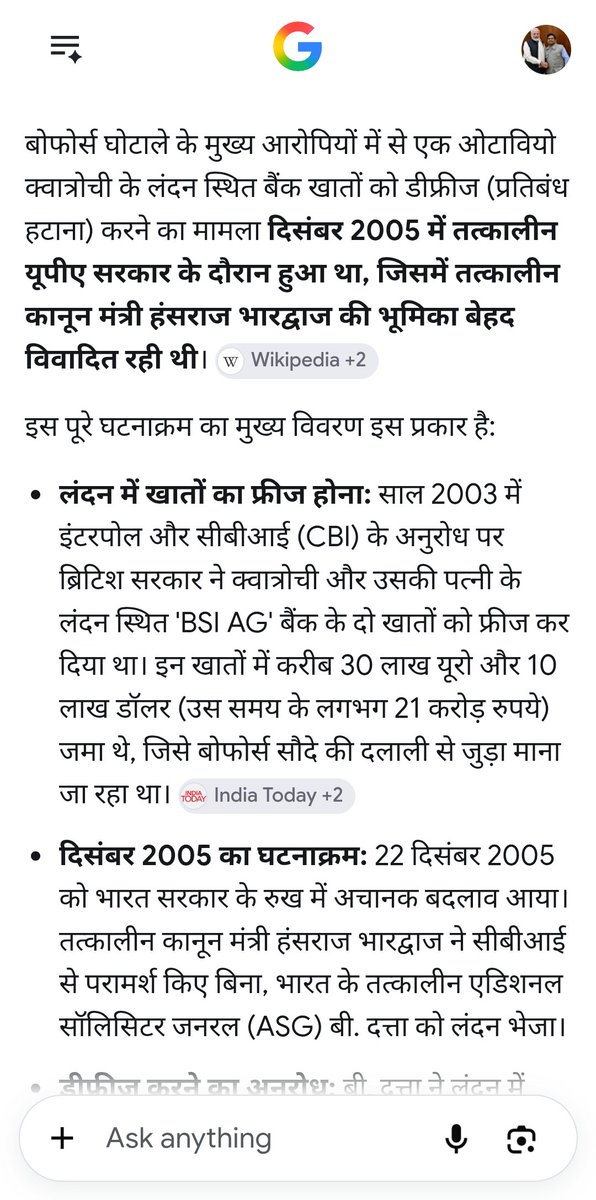
अगर सोनिया गांधी यह कह रही है कि उन्होंने आत्मकथा लिखी है
तो फिर उस किताब में उनके जीवन के दो महत्वपूर्ण पहलू का जिक्र क्यों नहीं है ??
पहली क्वात्रोची का जिक्र जिसे वह इटली से बुलाकर दिल्ली में रखा गया पूरा भारत लूटने की छूट दिया और जब उसकी सच्चाई जांच एजेंसी को पता चली तब उसे भारत से भगा दिया
और जब उसके खाते को CBI के रिक्वेस्ट पर लंदन के बैंक ने फ्रिज कर दिया तब चुपके से कानून मंत्री हंसराज भारद्वाज को लंदन भेजा गया जिसने बैंक में पत्र लिखा कि भारत सरकार को उसके खाते डीफ्रीज करने पर कोई आपत्ति नहीं है और आधे घंटे के लिए जैसे ही खाता डिफ्रिज हुआ क्वात्रोची ने पूरा पैसा बेटे के अकाउंट में ट्रांसफर कर लिया
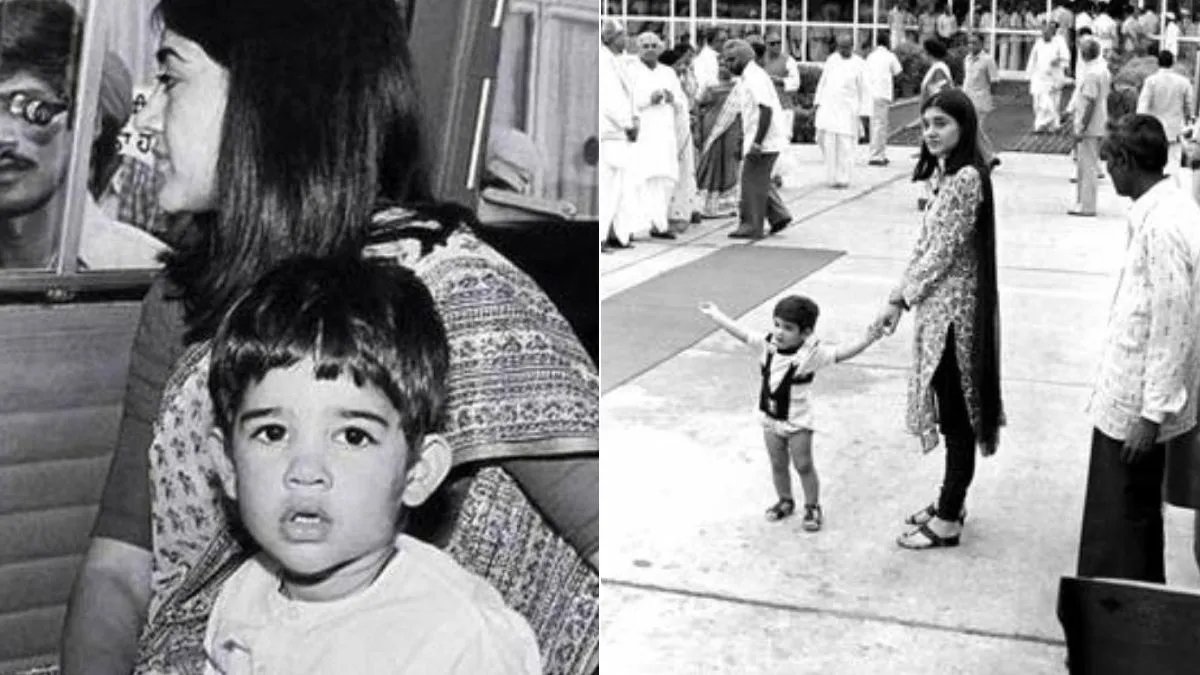
और दूसरी मेनका गांधी को उनके अबोध बच्चे के साथ घर से निकलने में जो सोनिया गांधी की सबसे महत्वपूर्ण भूमिका थी उसे पर उन्होंने कोई किताब में जिक्र क्यों नहीं किया की एक विधवा महिला को उसके अबोध बच्चे के साथ घर से निकाल गया
A wandering monk ate lunch at a man's house in Punjab and told him where to find God.
When the man got there, the monk was sitting on a sofa at the other end of India, and the people around him swore he had not left the place in nearly fifty years.
The man was a former army officer who had spent his whole life chasing one thing.
As a boy of eight he had fallen into a strange, wordless peace, and his mother told him it was Krishna. From then on he wanted it back. He prayed, chanted and sometimes saw Krishna in visions, but the visions came and went, and he wanted a God who would stay.
So he travelled...
He sat in front of the most famous teachers in India and asked every one of them the same question. Have you seen God? Can you show him to me? Each of them gave him a mantra and told him it would take years. He went home to Punjab with no money and a father who disapproved of the whole search.
In 1944 a monk appeared at his door asking for food.
His wife was serving lunch, so he invited the man in, and over the meal he asked his question one more time. The monk said yes. There is a man in the South who can show you God. His name is Ramana Maharshi. He gave him the address and directions for the train.
He had no money for the trip, until he saw a newspaper advertisement asking for an ex-army officer in Madras. He got the job, with a month to spare before he had to start, and used it to take the train south and a bullock cart to the ashram.
He looked through the window of the hall and froze. On the sofa sat the monk who had eaten at his house.
He decided on the spot that the man was a fraud, someone who had sent him across the country and then jumped on a faster train to get there first. He was about to leave when a resident stopped him and told him that was impossible. Ramana had not left that mountain since he arrived as a teenager. Either it was someone else at the door, or something no one could explain.
He was too angry to care.
He followed Ramana into his room during the lunch break, when visitors were not allowed, and demanded to know whether he was the man who had come to his house. Ramana said nothing. So he asked his real question.
Have you seen God, and can you show him to me?
Ramana looked at him and said he could not, because God is not something that can be seen.
"God is the subject. He is the seer."
Find out who the seer is, he told him.
It sounded like every other excuse he had heard. He went off to the far side of the mountain and chanted to Krishna for a week, and Krishna came and played with him. When he came back he told Ramana proudly that he had been playing with his Krishna. Ramana asked him what use a God was who appears and then disappears.
He went to Madras, took the job, and chanted Krishna's name fifty thousand times a day, starting at half past two every morning. Then one night everything stopped. He could no longer chant, read or meditate. The practice that had carried him his whole life simply fell away, and he thought he was losing God.
He went back to Ramana and told him what had happened. Ramana asked him how he had travelled to the ashram. By train, then by cart. And when you arrived, Ramana said, you got off the train. It brought you here and you did not need it anymore. Your chanting and your visions were the same. You have arrived.
Then Ramana looked at him, and the man saw that the peace he had been chasing since he was eight had never come and gone at all. It was what he was.
His name was H.W.L. Poonja, and the world later knew him as Papaji.
For the rest of his life he told seekers the same thing Ramana told him. Every vision, every high, every beautiful experience you have ever had arrived and then left. Something was there to watch it arrive and watch it leave. That is the one you are looking for.
The monk at his door had given him his own address. It took him a few more years to understand whose.