Tony is a b r i l l i a n t (!!!!) rising star in urologic oncology (currently NCI UOB via @brady_urology)
Timely and excellent work, huge honor to ride his coattails! 🤩🤩🤩❤️🙏
It has been nearly 5 months since the FDA approved durvalumab + BCG for “BCG-naïve” high-risk #NMIBC based on the POTOMAC trial.
There has been considerable discussion about the discordant results of the recent phase III trials evaluating BCG + immune checkpoint blockade.
But I think we're overlooking a potentially important difference between these trials, one that could have major implications for how we interpret the results and counsel our patients.
POTOMAC and CREST were positive trials, but unlike the negative ALBAN trial, both permitted enrollment of patients previously treated with BCG.
To my knowledge, neither has reported how many patients had prior BCG exposure or whether the benefit of adding checkpoint blockade differs between previously treated and truly BCG-naïve patients.
Given the additional toxicity, treatment burden, and cost of systemic checkpoint blockade, how can we adequately counsel patients receiving BCG for the first time without knowing the magnitude of benefit specifically in patients like them?
I think we need to see these subgroup data from @AstraZeneca and @pfizer .
1/n
@BladderCancerUS ; @BCAN_Research ; @SUO_YUO ; @UroOnc ; @FDA ; @chana_weinstock ; @AmerUrological
Acknowledging that studies by @MaxKates & others demonstrate BCG retreatment is effective in many selected patients with prior BCG exposure, I just don’t see how one can overcome the inherent selection bias in these retrospective studies to feel confident enough not to explore a subgroup analysis for RCTs enrolling such patients.
And even if BCG monotherapy outcomes were comparable, that would not establish that the incremental benefit of adding PD-1/PD-L1 blockade is the same in previously treated and truly BCG-naïve patients.
I would argue that in the absence of robust data demonstrating comparable outcomes after BCG retreatment versus first-ever BCG, prior BCG exposure should at minimum be a prespecified subgroup in randomized trials using BCG as the control arm.
And if it wasn’t prespecified, the post-hoc analysis is still clinically important.
POTOMAC and CREST should report it!
• How many patients had prior BCG?
• What was the HR in truly BCG-naïve subset?
• What was the HR in remotely BCG-exposed patients?
5/n
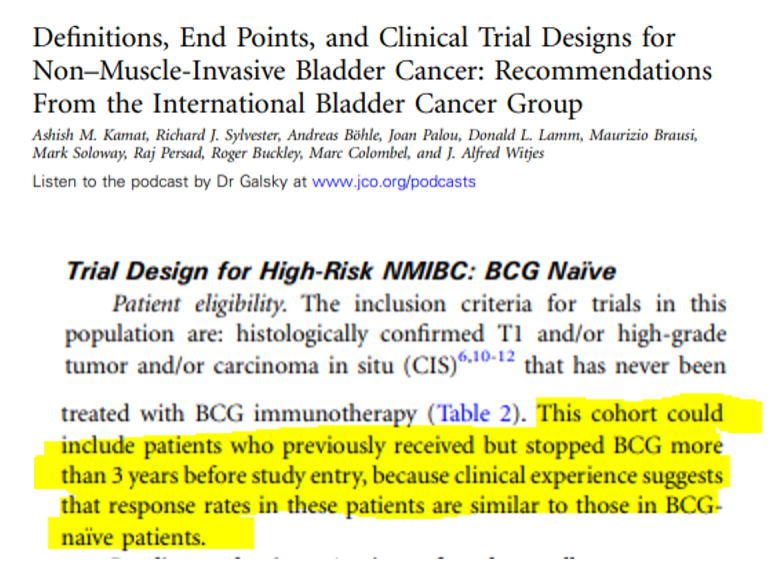
The justification for including patients >2–3 years from prior BCG within “BCG-naïve” trials appears to come partly from this @IBCG_BladderCAposition paper, which states that clinical experience suggests their response to BCG retreatment is similar to that of truly BCG-naïve patients
While this hasn’t really been my own clinical experience (especially for patients previously treated with maintenance BCG), anecdotal clinical experience is no substitute for objective comparative data, which is precisely why I think reporting on these subgroup analyses is so important.
And regardless for a phase III trial with EFS/DFS as the endpoint, what matters is not simply initial response rates, it is the durability of disease control.
4/n
@UroDocAsh , @UrogerliMD , @MaxKates ; @pcvblack@pjhensley11, @joanfundi
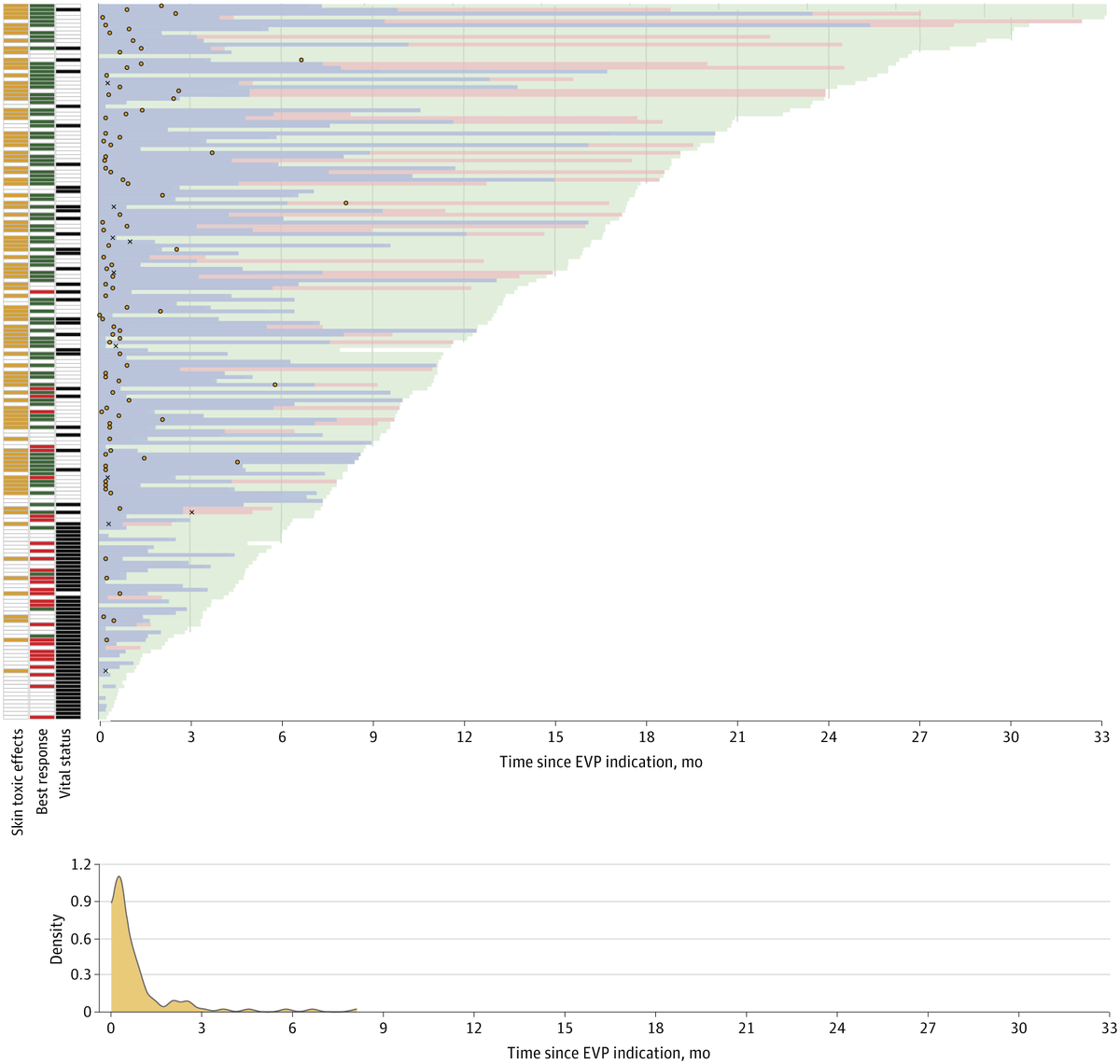
More evidence showing skin toxicity with EVP is associated with disease response.
@HopkinsGBCI
. Here is one of the first papers showing this in 2023 from our group at Hopkins /GBCI: https://t.co/i9RZIwywJD
In advanced #UrothelialCarcinoma, treatment-emergent skin toxic effects during first-line enfortumab vedotin plus pembrolizumab were associated with longer overall survival. https://t.co/Iv2DhSdT3G
FDA Approves Anktiva for BCG Unresponsive Papillary Disease. This will be an interesting next few months as other companies seek similar pathway to approval. CIS/papillary buckets a thing of the past? Will certainly make for some good debates...
https://t.co/KK5DXkLkRy
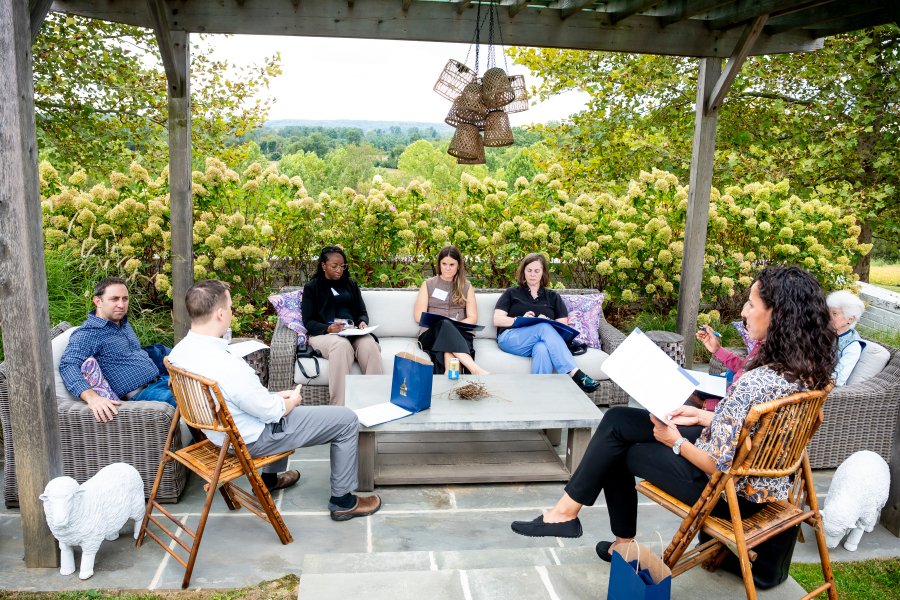
Thank you to all of the Greenberg Bladder Cancer Institute (@HopkinsGBCI) faculty and national leaders who joined us for the GBCI Fall Retreat. Your commitment to advancing bladder cancer research and patient care made for an inspiring day of collaboration and connection.
Randomized trial of blue light vs white light TURBT with urinary tumor DNA testing. @akfsurgeon@brady_urology & Meghan McNamara, MS @HopkinsMedicine highlight a randomized study pairing blue-light TURBT with UroAmp urinary tumor DNA testing to quantify MRD. Serial testing may better detect residual disease and guide surveillance or treatment intensity. #WatchNow > https://t.co/ituBogLV5u
Oral boards prep hasn't appreciably changed in decades, so I built MockUro, an AI examiner that walks you through ~250 canonical urology cases in Socratic Q&A format, grades your free-form answers across key domains, and adapts your study plan to your weak spots
🧵
@jimhumd@JackAndrewsMD@BNabavizadeh@NatRevUrol a lot we can extrapolate to neobladders. Since transitioning to incorporeal Florin 2.5 years ago, functional outcomes mimic ralrp continence recovery. I take bladder pedicles laterally and then do high ant release medial for retrograde nerve work. Still room to improve IMO.
Always oddities in US News rankings, but this year it has to be the overemphasis on NYC metro area, with in my count 9 of the top 25 ranked programs in NYC area. Some great ones in NYC for sure, but 9 programs before you even step foot in Nashville, Seattle, Dallas? 🤔
If a surgical timeout works in the OR, it has to work for the morning routine, right? Going to hang a "TIME OUT" sign from the garage ceiling so we can officially confirm the presence of lunches, socks, and swim goggles before departure. Wish me luck. 🚦
Enduring legacy from John and Diane Quale and Mark Schoenberg
20 years (!!!) ago, when @PCORI was still a gleam in our eye, @BladderCancerUS set the standard for centering patients to drive the field forward ❤️🙏
(🥺miss all my peeps #bcantt26!)
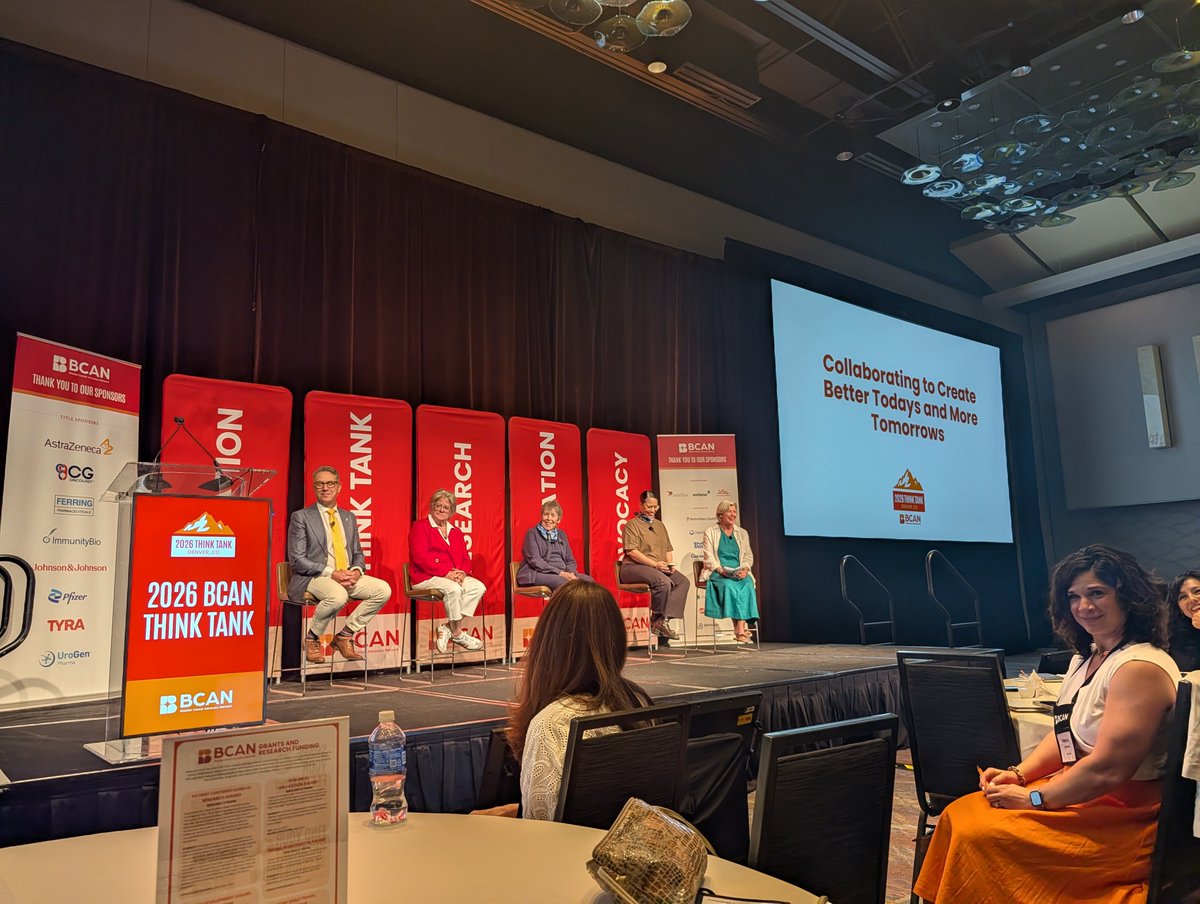
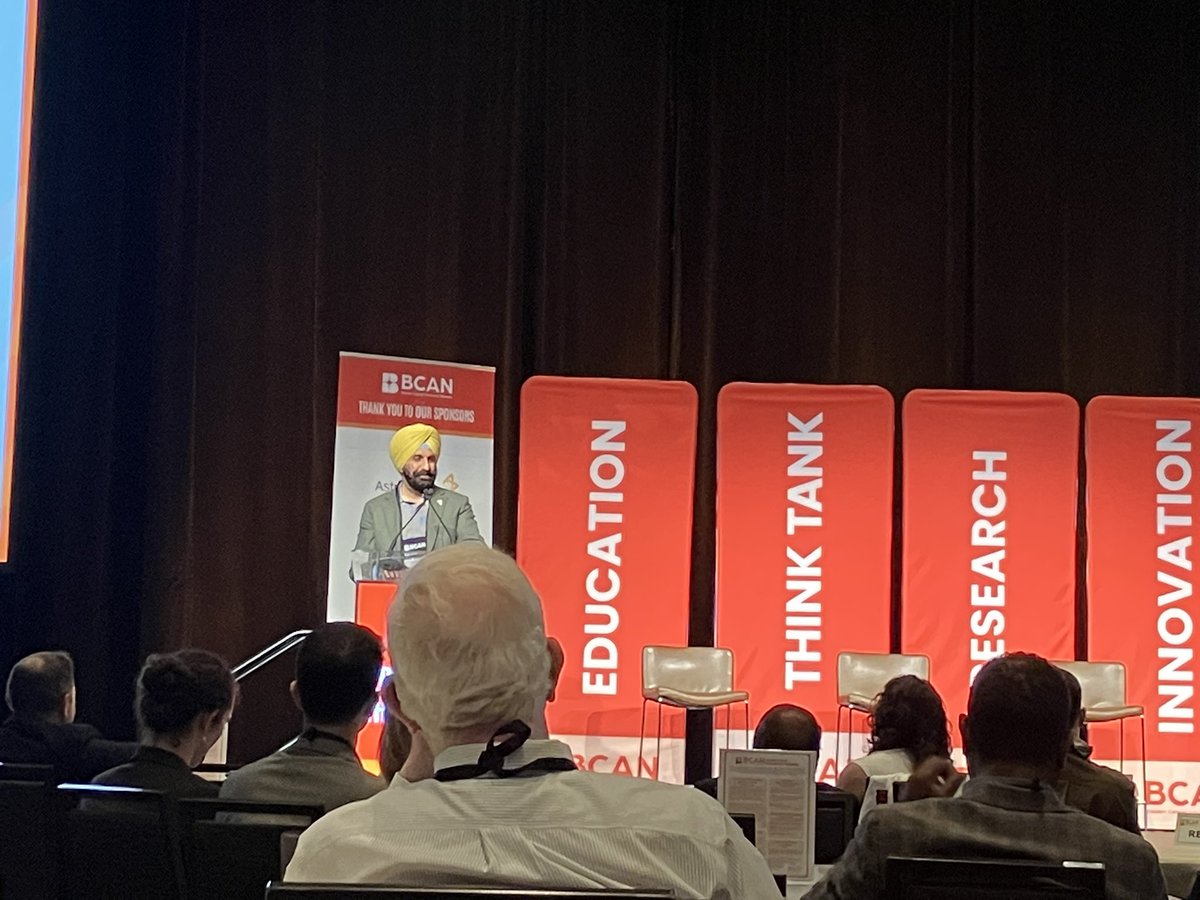
Excited to kickoff #BCANTT26 with @BladderCancerUS ! Inspiring open remarks by BCAN CEO Meri-Margaret Deoudes, Co-founder Diane Zipursky Quale, and Meeting Chair @MaxKates and Co-Chair @Parminder1699 . Every year this meeting highlights fantastic progress in the fight against #bladdercancer and points the way to a more hopeful future for so many patients affected by it.