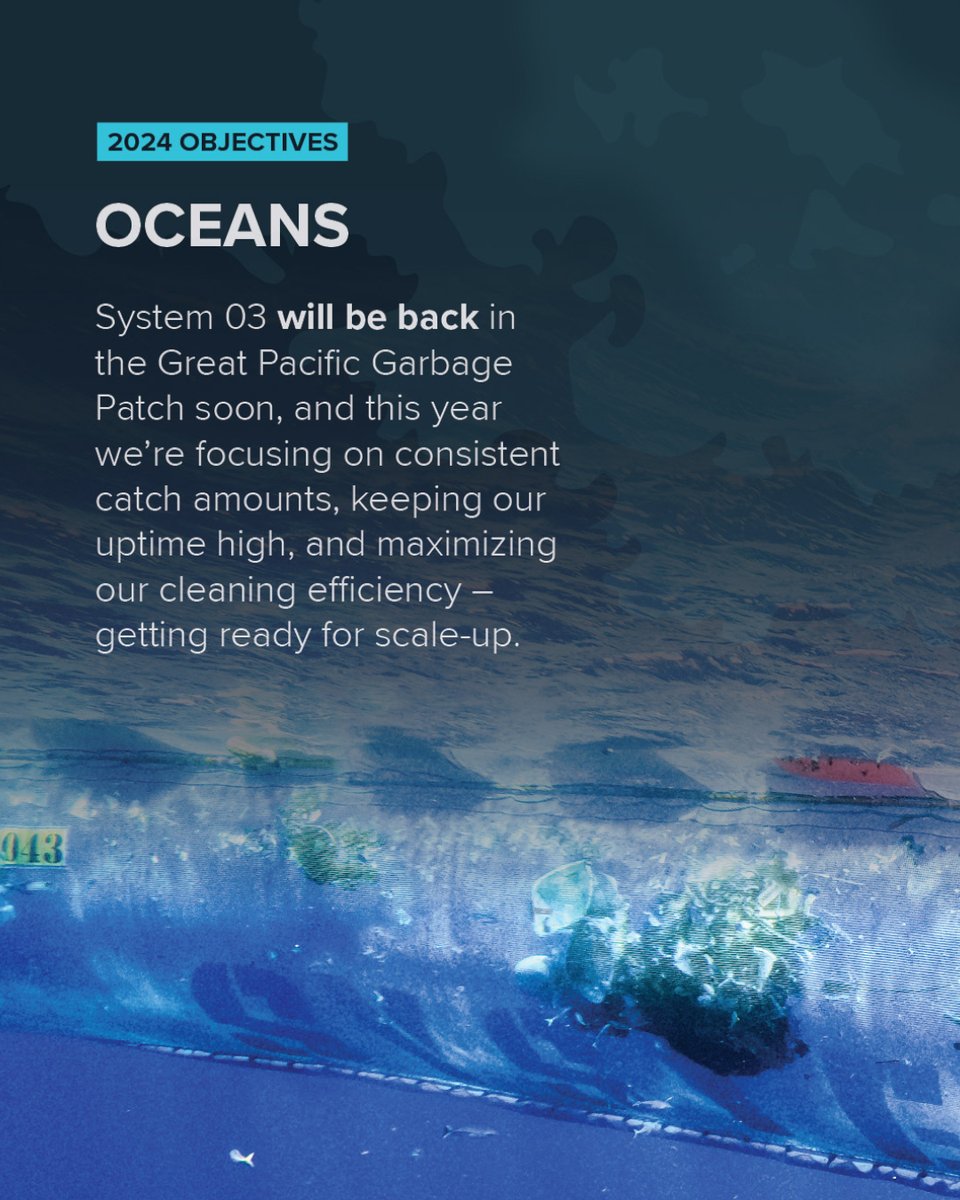
We have just completed the last trip to the Great Pacific Garbage Patch for 2024, resulting in our total catch of over 500,000 kg (1.1m lb) from the GPGP so far.
Here are some facts about our ocean operations to date:
Plastic extraction #110 from the Great Pacific Garbage Patch - removing another 12,678 kg (27,954 lbs) of plastic from the ocean for good.
Our total plastic catch from the GPGP is now over 500,000 kg (1.1 million lbs).
Last week we livestreamed our 100th plastic extraction direct from the Great Pacific Garbage Patch. The whole operation took three hours from start to finish - here are the highlights in under five minutes:
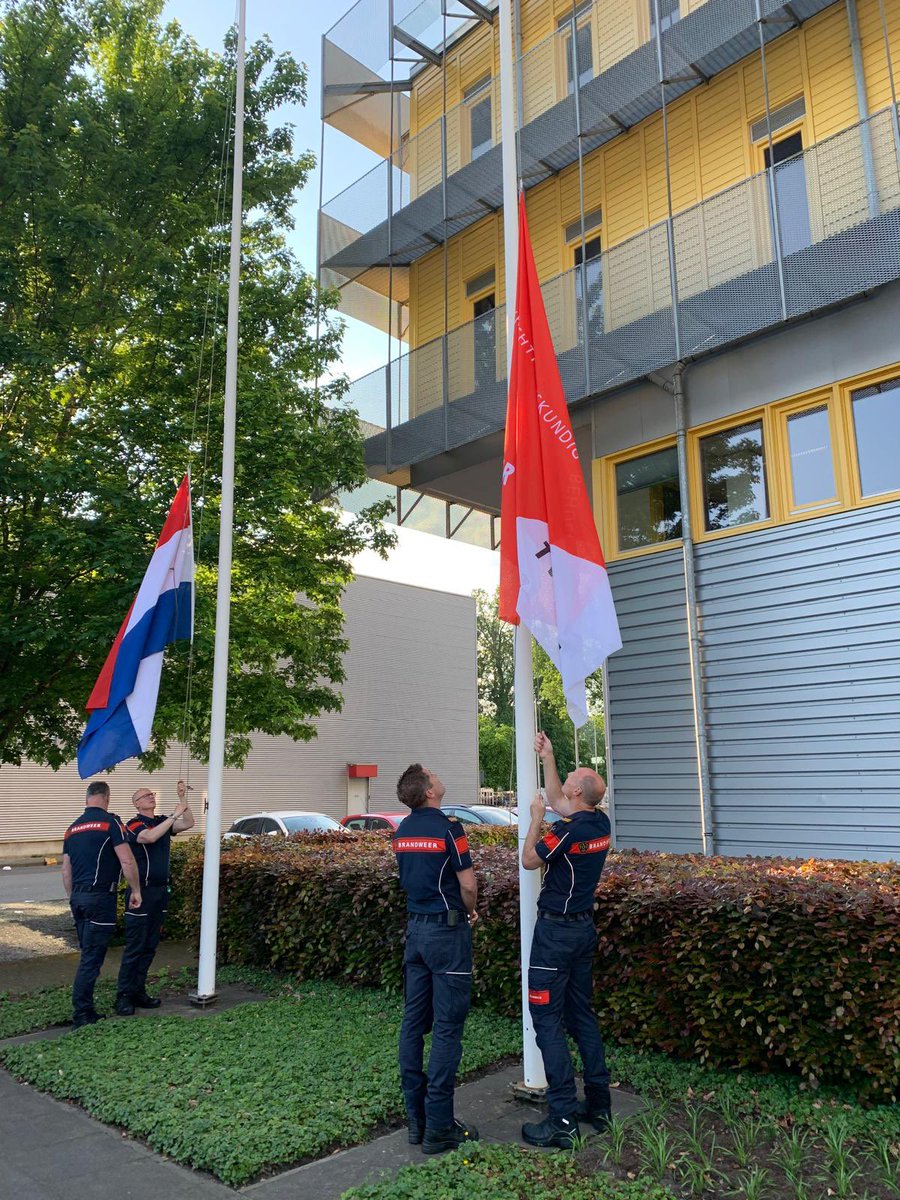
De afgelopen tijd is de functie van officier van dienst geneeskundig (OvD-G) doorontwikkeld. Om hier beter op aan te sluiten is de opleiding ook geactualiseerd.
https://t.co/rMWmhNENW5
Work offshore doesn't stop: here's the footage of one of the latest plastic extractions in the Great Pacific Garbage Patch.
Our offshore crew is currently in the patch with System 03 to continue the cleanup; you can track their exact location here: https://t.co/eVhGkyyZyH.
De inschrijving voor de minor Publieke veiligheid: brandweerzorg en crisisbeheersing is geopend. Kelly van Ruler maakte deel uit van de eerste lichting van deze minor en heeft inmiddels haar diploma op zak. Waarom koos ze specifiek voor deze minor? https://t.co/qP57K3IV9h
Marcus Aurelius' meditations are among the most influential words ever written.
Two millennia ago, the world's most powerful man spent his evenings alone, journalling his thoughts. He never even meant to publish them, but they're still so relevant:
1. “Think of yourself as dead. You have lived your life. Now take what's left and live it properly.”
2. “Today I escaped from anxiety. Or no, I discarded it, because it was within me, in my own perceptions - not outside.”
3. “Everything that happens is either endurable or not. If it's endurable, then endure it. Stop complaining.”
4. “You don't have to turn this into something. It doesn't have to upset you. Things can't shape our decisions by themselves.”
5. “If it isn't ceasing to live that you're afraid of but never beginning to live properly... then you'll be worthy of the world that made you.”
6. “Stop talking about what the good man is like, and just be one.”
7. “You can also commit injustice by doing nothing.”
8. “The things you think about determine the quality of your mind. Your soul takes on the color of your thoughts.”
9. “Watch the courses of the stars as if you revolved with them. Keep constantly in mind how the elements alter into one another. Thoughts like this wash off the mud of life below.”
10. “At dawn, when you have trouble getting out of bed, tell yourself: "I have to go to work - as a human being. What do I have to complain of, if I'm going to do what I was born for - the things I was brought into the world to do? Or is this what I was created for? To huddle under the blankets and stay warm?"
- But it's nicer here...
So you were born to feel "nice"? Instead of doing things and experiencing them? Don't you see the plants, the birds, the ants and spiders and bees going about their individual tasks, putting the world in order, as best they can? And you're not willing to do your job as a human being? Why aren't you running to do what your nature demands?”
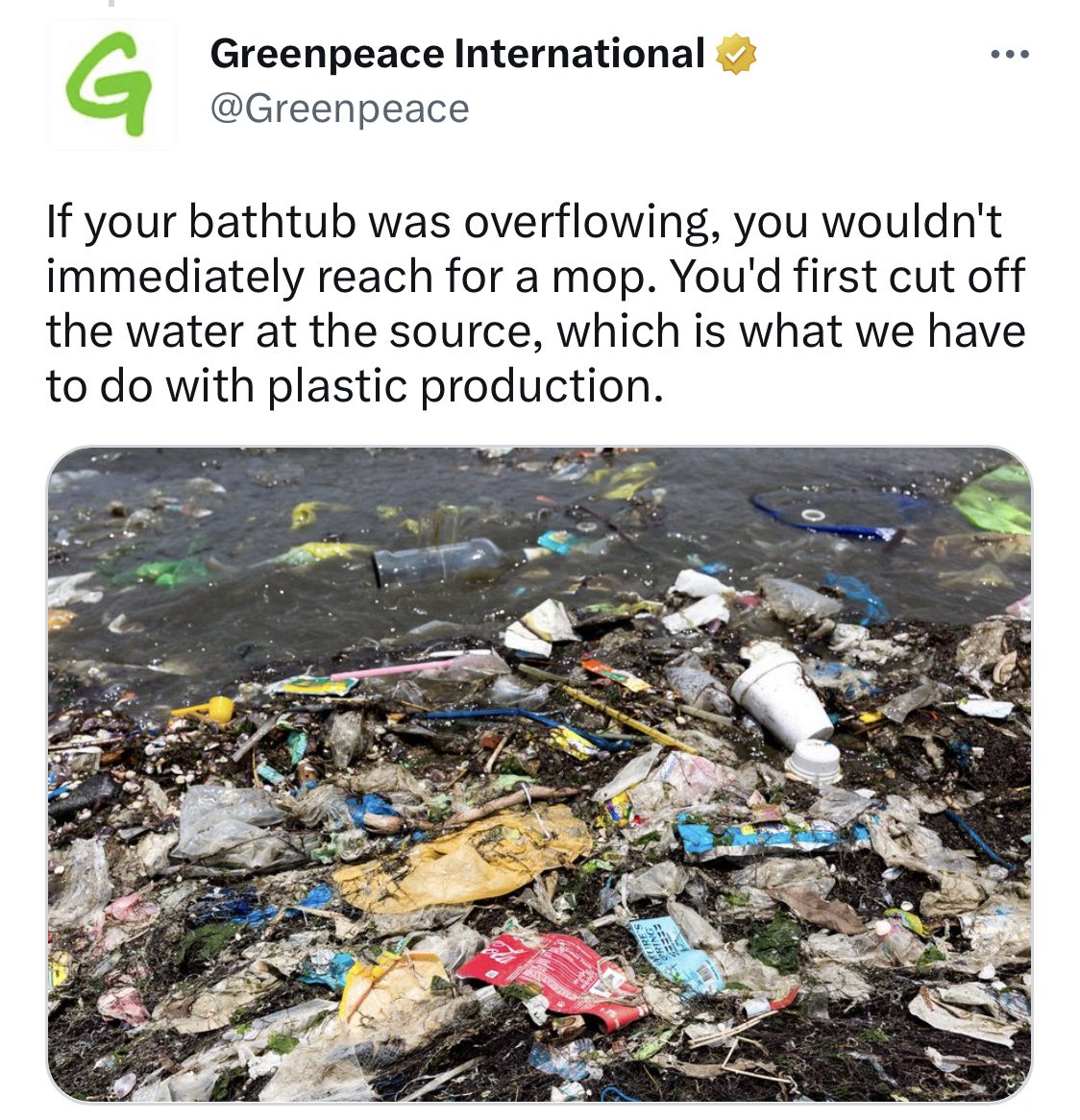
If I had a dollar for every time someone criticizes The Ocean Cleanup with the phrase “if your bathtub is overflowing, you wouldn’t get a mop, but you would first turn off the tap”, we wouldn’t have to accept donations anymore.
It is not only a cliché, but it’s also just plain wrong, for a few reasons:
1. Humanity can do more than one thing at the same time. Why not do both? Get a friend to start mopping while you work on closing the tap! One does not compete with the other; the cost of cleaning up the legacy pollution is negligible compared to what we spend on dealing with the waste on land.
2. The analogy can be used to criticize the *timing* of cleanup, but instead it’s being used to criticize spending *any* effort on anything cleanup-related. When your bathtub is overflowing, surely you’re happy there were people who developed the mop? Presumably you still have a mop at home?
3. The longer the water is on your nice wooden floor, the more damage it does, so you’d still want to mop up the water rather quickly. Similarly, the longer the accumulated plastic remains in the ocean, the more harm it causes.
4. We don’t disagree that stopping the inflow should have highest priority. Yet, due to the persistency of the plastic, that’s not the only thing we should do if we want to return to clean oceans.
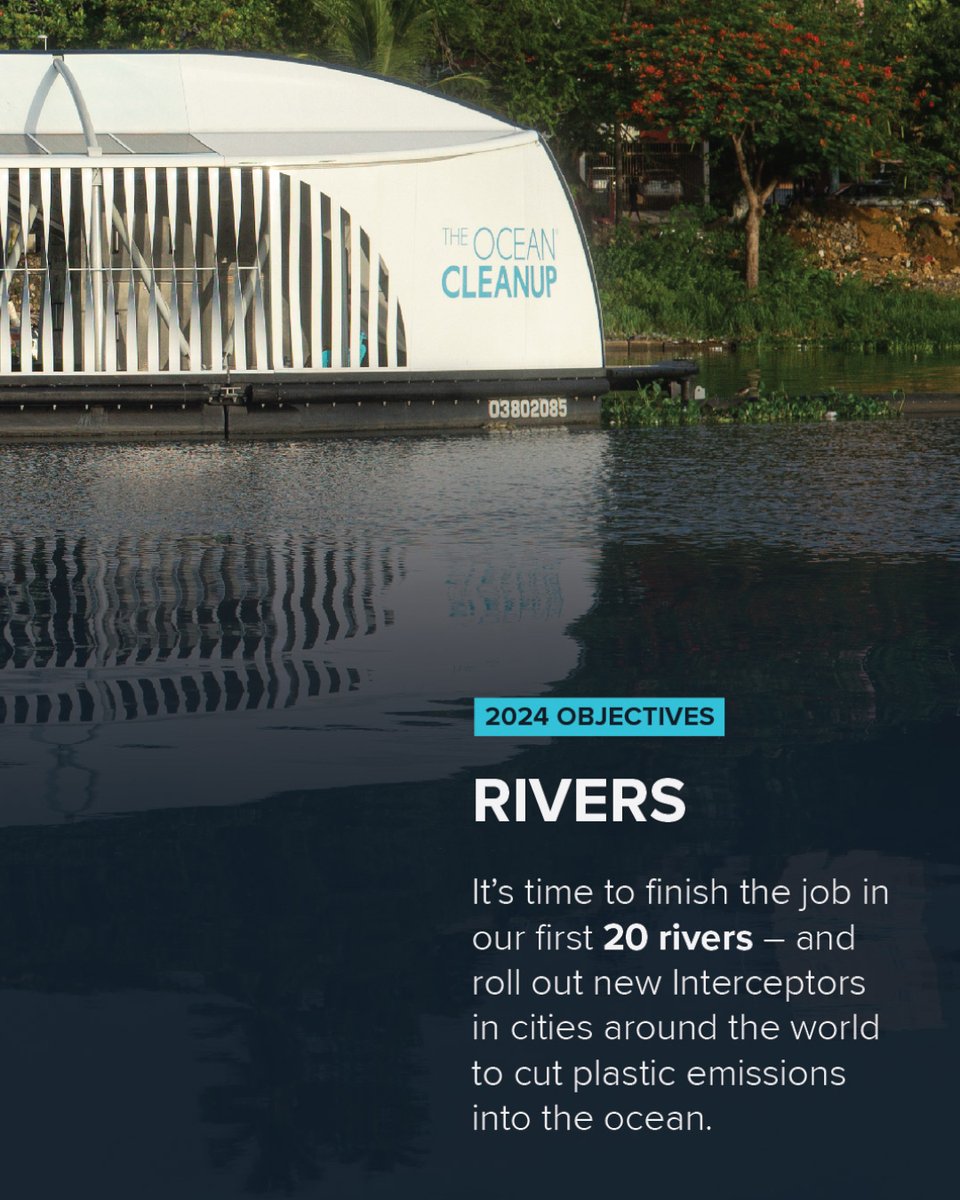
5. The Ocean Cleanup works on closing the tap, too! The closest analogy to the faucet are rivers and that’s exactly where are are intercepting it to prevent it from flowing into the ocean. Instead, these activists often put river interception under the header of ‘cleanup’ too.
6. Many of those that use the bathtub analogy argue we should stop producing plastic. If we take the analogy seriously, that’s not ‘closing the tap’ but closing down the complete water supply.
7. The analogy suggests that you’d have to clean up as fast as it is flowing in to have any effect, but that’s not how the plastic problem works. Almost all the plastic that flows into the ocean washes up back onto land within a few months of being emitted, essentially removing itself. Only a tiny fraction persists. This means that just a single full scale ocean cleanup system in the Great Pacific Garbage Patch, which specifically addresses that persistent fraction, will, in fact, be capable of removing persistent plastic faster than it is flowing in.
Let’s retire this dreaded analogy.
My hope is that, soon, we will see a day when it has become unthinkable that we just let plastic leak into our oceans uninterrupted. People will look back at today's status quo in disbelief. If we can flip the definition of what's 'normal', our scale-up will become inevitable.
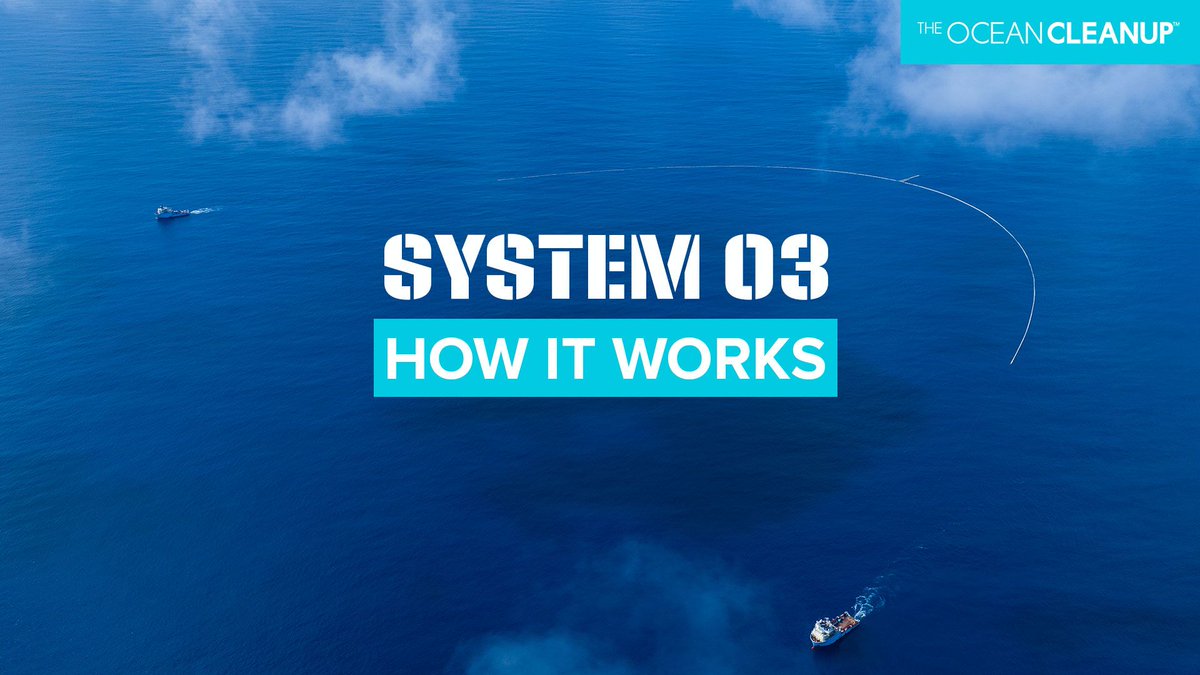
How does System 03 really work? And why does it need to be so big? How do we know where to clean? And how do we avoid catching fish? This video explains it all: https://t.co/dOlhJumUbL
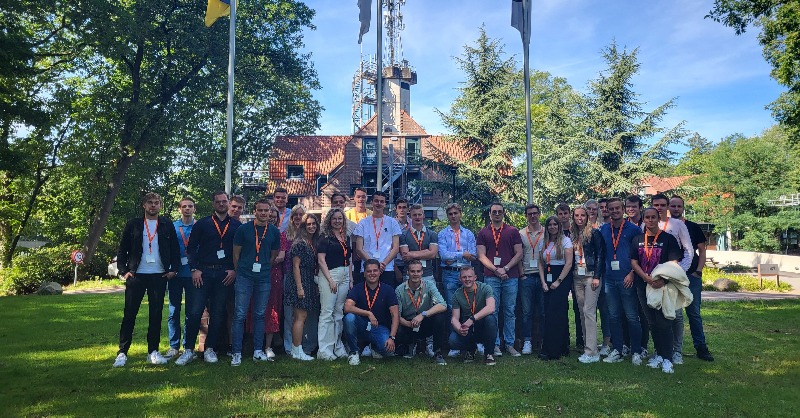
Deze week starten 34 studenten met de unieke minor Publieke veiligheid: brandweerzorg en crisisbeheersing, opgezet i.s.m. @Saxion. ‘Wat ik het belangrijkst vind is dat ze inzicht krijgen in hoe zij kunnen bijdragen aan een veiliger Nederland,’ zegt NIPV directeur IJle Stelstra.