→ Helping You Achieve Financial Security | Retirement, Investments, KiwiSaver Advice & UK Pension Transfers to NZ | Book Your Complimentary Consultation Now👇
NZ property myth busted? Check this buy vs. rent comparison over 30 years. A home buyer scenario from economist Shamubeel Eaqub shows the renter ending up with $2.83m in investments vs the homeowner’s $2.1m house after 30 years. Does this change how you see renting long-term?
If your investments are heavily weighted towards #NewZealand, the 0.5% return might be surprising when compared to global market averages. Do you check your asset allocation? Past performance is no guarantee of future results. #KiwiSaver
A retirement for a couple in major NZ city costs ~$1,740/week. NZ Super covers ~$800. That's a $940 weekly shortfall — and potentially over $1M in savings needed to bridge it.✅ Are you claiming the $260 government contribution?✅ Is your fund type suited to your timeline?
Retirement isn’t just finishing work, it’s reshaping life. Before you sign off, be honest about timing (NZ Super gap), where you’ll live, your health, your purpose, and your investing plan, because 65 isn’t the finish line. #Auckland#NewZealand#KiwiSaver#NZ#Investing
You would not buy shares in a company with no financials. So why run your finances without a clear snapshot of income, spending, debts, and savings? Here are 5 steps to get your finances in order this month. #FinancialFreedom#KiwiSaver#Investing#Auckland#NewZealand
Kicking off 2026 with fresh air, big views, and a quiet moment to reset. True wealth is having the time and energy to enjoy moments like this, a reminder we work to live, not the other way around. Wishing you and your family a successful year ahead 🎉#auckland#NZ#NewZealand
Your KiwiSaver Could Be Split 50/50 - Is It Fair?Women have 25% less in #KiwiSaver than men. A proposed automatic 50/50 split upon separation would enforce the law, which 75% of couples currently ignore. This makes a fair division the default, not a fight. What are your thoughts?
Did you know the best tool for financial well-being is not a complex investment, but a simple emergency buffer? Vanguard research shows that having roughly $3,500 is linked to a 21% higher level of financial well-being. Do you have a favourite app for tracking your goals?
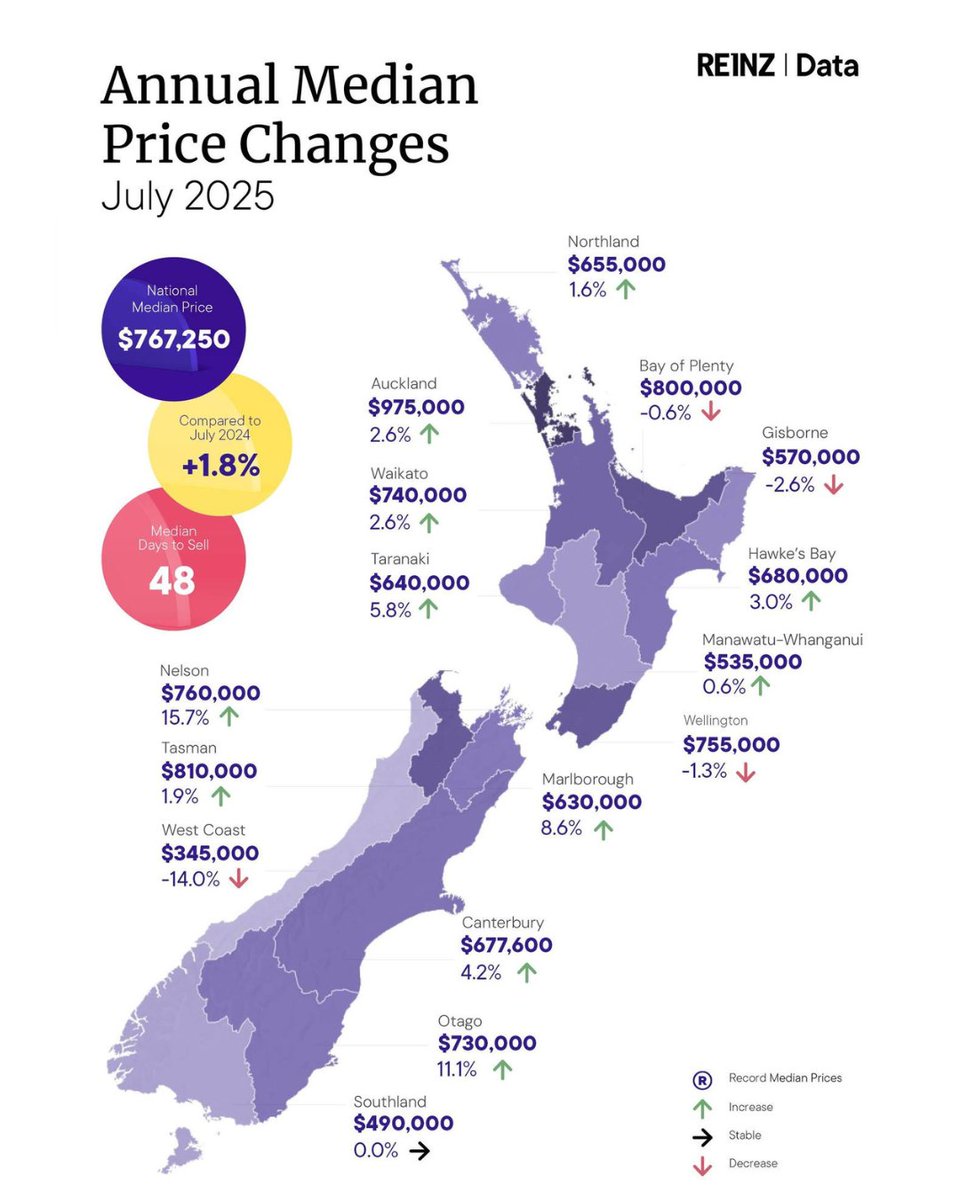
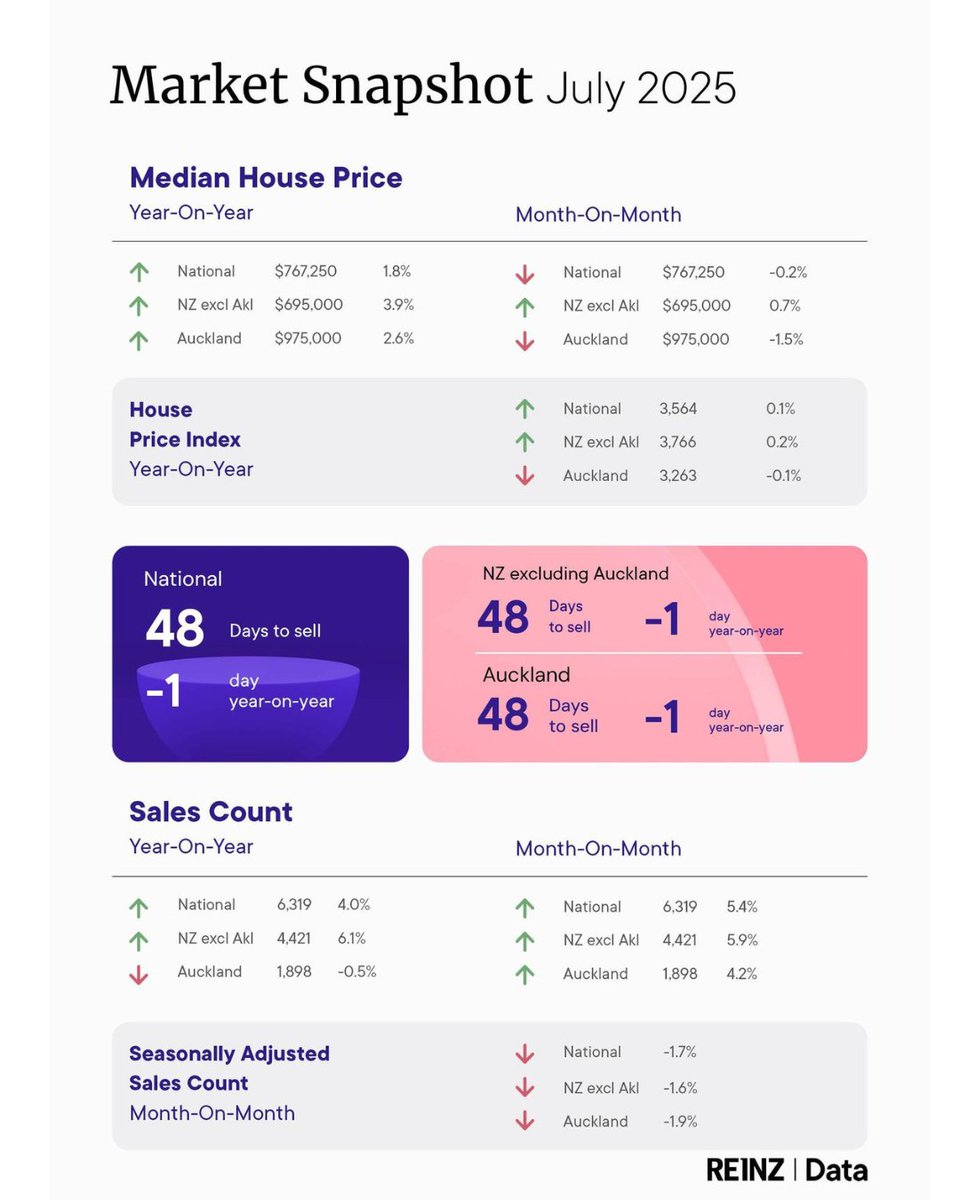
July 2025 REINZ Data Drops! 📈🏠 Interestingly, with fewer homes available, sales activity still climbed by 4.0% nationally. This suggests that buyers are still out there, competing for a smaller pool of properties. However, it’s crucial to look beyond the headline number...
Paying $56K a year for a cold, damp home? Unacceptable. #Landlords, poor management can cost you — fines, repairs, reputation. Compliance matters. Tenants, you have rights. This ruling shows the Tribunal is listening. Speak up.
Protect your #investment. What do you think? 🤔 #NZ
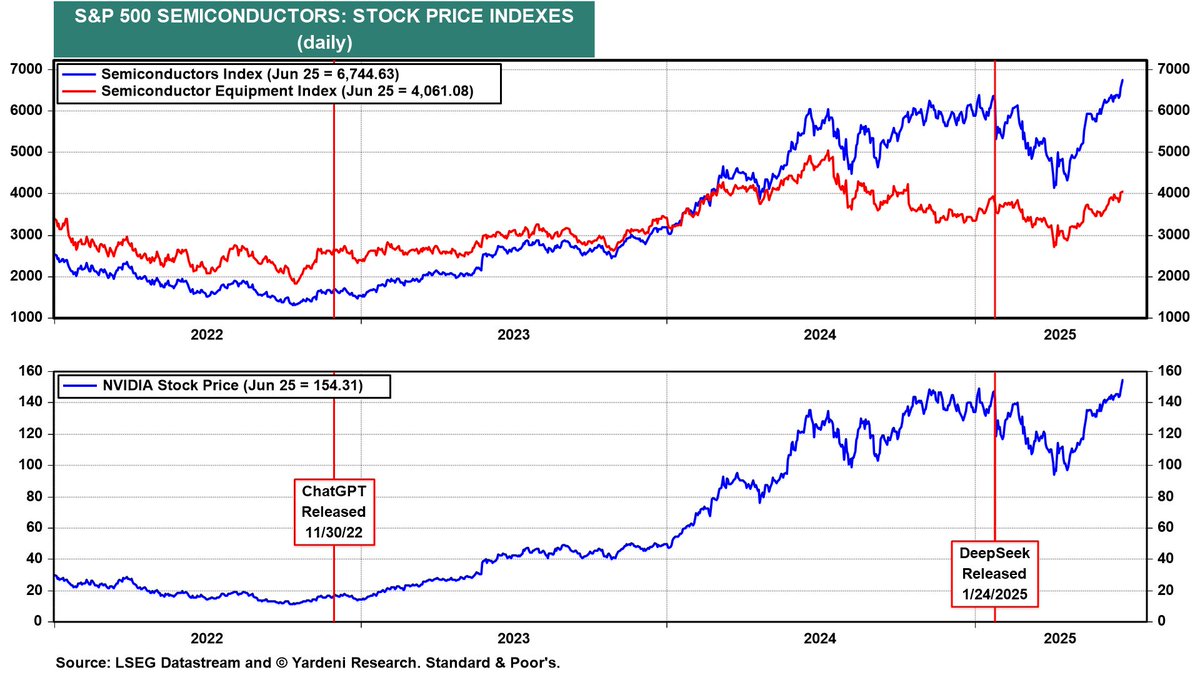
🚀 Nvidia’s stock has reached a record high, pushing its market cap to over $3.7 trillion, making it larger than Microsoft and Apple. Beyond this headline, a key trend is emerging: AI is expanding from data centres into everyday consumer devices like autonomous cars, delivery drones, and smart appliances, all of which require advanced chips.
💡THE WIDER SEMICONDUCTOR LANDSCAPE
While Nvidia leads in data centres, the expansion into devices brings attention to the broader semiconductor ecosystem. Companies such as AMD, Intel, Qualcomm, and Texas Instruments are also notable players in this vast industry.
💡INVESTMENT PATHWAYS
This growing sector highlights the importance of diversification. For interested investors, approaches can vary. Some may research individual companies, while a more passive approach involves understanding sector-specific Exchange Traded Funds (ETFs). ETFs are available on most investment platforms and provide broad exposure to a market trend through a single investment.
💡A NOTE ON HARDWARE: THE APPLE CASE
An interesting perspective considers Apple. While commentary often focuses on its AI software, its expertise in designing and manufacturing hardware at a global scale provides a significant competitive advantage. This strong hardware ecosystem could be pivotal as the consumer AI market matures.
❓What are your thoughts? Is the future of AI in data centres or our pockets? Let me know in the comments!
DISCLAIMER: This post is for general information only and does not constitute financial advice. Consult a financial adviser before making investment decisions.
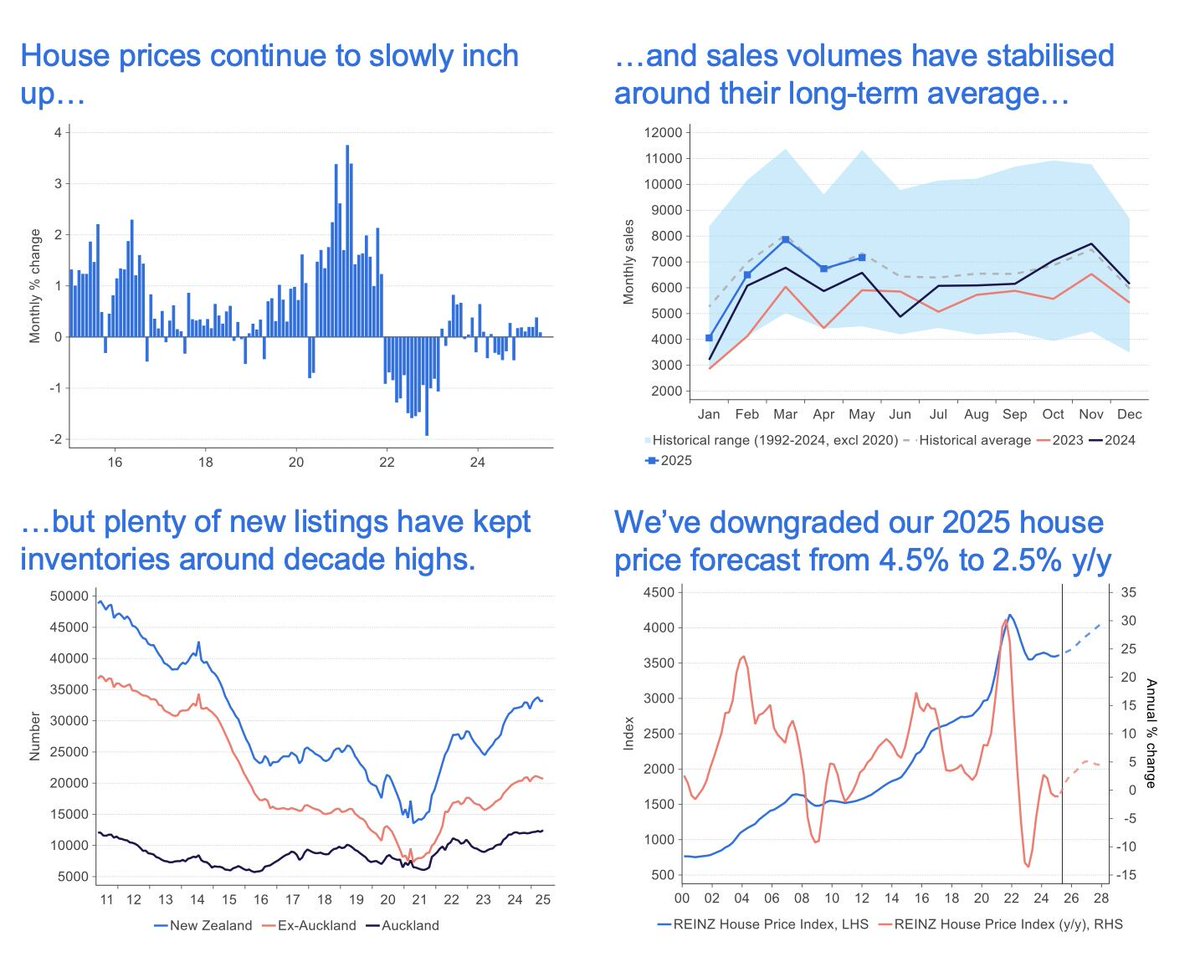
If you're watching the NZ property market, you'll want to see this. The latest ANZ Property Focus report is out, and they've just cut their 2025 house price forecast quite significantly, from 4.5% down to just 2.5%. So, what's the story behind the numbers?
🤝 BUYERS vs. SELLERS
For every person looking to buy, there is plenty of property for sale. We have a large number of listings on the market right now, which is keeping the total inventory of available homes at a 10-year high.
This means prices have increased by only 1.3% over the past seven months. It’s what you’d call a buyer's market, where those looking for a home have more choice and time.
📊 THE INTEREST RATE PUZZLE
But wait, hasn't the Reserve Bank been cutting interest rates? Yes, but the longer-term mortgage rates that really move the market haven't dropped as much this time around. According to the report, this is a key reason why the market isn't heating up like it has in the past.
��� 4 KEY TAKEAWAYS
1️⃣ The forecast of modest price growth at 2.5% for 2025 could lead investors to re-evaluate their strategies, with a potential shift in focus from short-term capital gains towards long-term value and rental yields.
2️⃣ When one asset class (like property) is moving slowly, it’s a great reminder of why spreading your investments across different types of assets, each with its own risk profile, is a core principle of sound financial planning.
3️⃣ Higher property inventories and more days to sell suggest that the market balance may be shifting in favour of buyers, potentially increasing their negotiating power compared to previous years.
4️⃣ A quieter market, combined with lower consumer confidence, is a great opportunity to step back and look at the big picture. It’s a chance to talk to an adviser to make sure your financial plan is solid and still aligned with your long-term goals.
❓What’s your take on the NZ housing market right now? Bullish or bearish? Drop your thoughts below.
DISCLAIMER: This post is for general information only and does not constitute financial advice. Consult a financial adviser before making investment decisions.
Ever read a public company's report and felt confused? Analysts might say a company is great but not a 'buy'. Here's the secret: successful investors often ignore the final 'buy' or 'sell' recommendation. They dig into the detailed research to form their own opinions. The real value isn't the rating, it's the reasoning behind it.
❓What’s your go-to when investing in businesses or picking stocks? Below is a link to the (paywalled) article about “What investors need to know”.
https://t.co/xP45zA8mW8
The May 2025 property market data is in, showing a more active but complex market. While more homes are selling, buyers are taking their time, creating a more balanced landscape. Let’s unpack it and figure out what it means.
🇳🇿THE NATIONAL VIEW
Across New Zealand, the number of properties sold is up 8.9% from last year. However, the national median price is down a slight 0.9% to $763,000. With more properties for sale and homes taking longer to sell, buyers have more choice and negotiating power.
📍AUCKLAND'S COOL-DOWN
Here in Auckland, the cooling trend is more apparent. The median price fell 3.5% year-on-year to $975,000. The House Price Index, which measures underlying value, also dropped 0.4% over the last year.
💡 KEY TAKEAWAYS
1) The data suggests the 'wait-and-see' approach from buyers is likely to persist throughout 2025. With a greater number of properties available for sale nationally compared to last year, purchasers are in a position to be selective, and this often means quality assets are favoured.
2) Consider the risk of concentrating capital in a single asset or location. While Auckland prices have softened, other regions like Southland have seen growth. Spread your investments across various asset classes and geographic locations to help manage risk effectively.
3) Focus on the long game, not short-term noise. Despite recent softness, the national House Price Index has still grown at an average of 4.2% per year over the last five years.
❓What are your thoughts on the current market dynamics? How long do you reckon buyers will stay this cautious? Drop your thoughts below. I’m keen to hear!
DISCLAIMER: This post is for general information only and does not constitute financial advice. Consult a financial adviser before making investment decisions.
You May Be Missing Out on a Crucial KiwiSaver Benefit: Data suggests that over a million KiwiSaver members miss out on receiving the full government contribution each year. This means many people aren't receiving the full $521.43 they could be.
To receive the maximum annual government contribution of $521.43, you just need to have personally contributed at least $1,042.86 between 1 July 2024 and 30 June 2025.
You have likely already secured the full amount if you have been in KiwiSaver for the whole year (1 July - 30 June) AND:
✅ You are employed, earning over $35,000 a year, and
✅ You have been contributing at least 3% of your income.
👉 For new members, the contribution is calculated on a pro-rata basis from the date you joined.
If you are self-employed, not currently working, or just haven't met the threshold, you can make voluntary contributions to catch up.
💡 A key point to remember: The government contribution is only based on your contributions. This includes your employee contributions from salary and any voluntary payments you make. Your employer's contributions do not count towards this specific calculation.
❗️ THE URGENT DEADLINE ❗️
The KiwiSaver year officially ends on 30 June. However, it can take multiple business days for providers to process payments. To be safe, you should aim to make any final contributions by next Monday, 23 June. Leaving it later than this risks missing the cut-off.
HOW TO CHECK YOUR EXACT CONTRIBUTION TOTAL
1️⃣ Your Provider: The easiest way is to log in to your KiwiSaver provider’s website or app. They usually have a clear summary.
2️⃣ The IRD Website: You can also check via your myIR login. Navigate to your KiwiSaver section and view your "Contributions summary" for deductions from your salary and wages between 1 July 2024 and 30 June 2025.
WHAT HAPPENS NEXT?
You don’t have to do anything else. Your KiwiSaver provider will automatically claim the government contribution on your behalf. You can expect to see it paid into your account around late July or August.
Take a few minutes today to check your account. It could be the most productive thing you do for your future self!
💡 Share this post with your friends and family so they don’t miss out on $521.43.
Auckland Council is trialling an app letting trusted builders self-inspect and sign off on their work. This creates a full digital history of the build, with the goal of speeding up construction. From an investment view, this is fascinating.
On one hand, faster builds and a detailed digital record of quality are huge positives. On the other, does less direct council oversight introduce new risks?
What is your take? Would this make a new build a more or less appealing investment for your portfolio? Below is a link to the (paywalled) article.
https://t.co/NaXO1bEpEk
What the New NBR Rich List 2025 Teaches Every NZ Investor: With 114 New Zealanders worth a massive $102.1 billion (over 40% of our GDP!) and a record 18 billionaires, wealth is alive and kicking in Aotearoa. While their billions might seem out of reach, their strategies offer powerful lessons for building your own financial security.
📈 WEALTH NEVER SLEEPS
Despite the tough economy, New Zealand's richest got richer. This shows that consistent, long term investing and asset building work in any economic climate. They are always focused on growth, not just waiting for the perfect time to invest.
🚀 INNOVATION IS THE NEW GOLD
The most exciting stories are not just from property, but from tech and innovation. Businesses like Zuru and Crimson Education are creating massive value. This signals a clear shift towards new, high growth sectors as the engine for wealth creation.
🍷 DIVERSIFICATION IS YOUR BEST DEFENCE
The list also showed the risks of concentration. Retailers and winemakers who were reliant on specific markets faced significant struggles. This is a crucial lesson: spreading your investments across different industries and countries is your best protection against shocks.
💡 APPLY THESE 4 PRINCIPLES:
1) Focus on Owning Assets: Consistently direct your money into investments like your KiwiSaver and managed funds.
2) Diversify Broadly: Look beyond NZ. Global funds give you a piece of the action from world leading companies and protect you from local downturns.
3) Think in Years, Not Days: Adopt a long term view. Market volatility is normal, and patience allows you to benefit from compound growth.
4) Invest in the Future: Consider adding thematic funds to your portfolio that focus on growth sectors like technology or renewable energy.
❓What future trend are you most excited about investing in? Let us know in the comments!