Most diseases are caused by a combination of risk factors. Yet, most epidemiology studies focus on single risk factors. This paper explains how to use machine learning to identify the most common combinations of risk factors sufficient to cause a disease. https://t.co/qba8YGRPbc
Examples of research questions mentioned in the paper are: "What are the most common combinations of stressful events in childhood causing a high disease burden in early adulthood?" or
Medical students may encounter people with diabetes during placements in any specialty.
This @BMJStudent article lists 10 things medical students need to know about diabetes when going on placement https://t.co/8e2QocWJXY
This morning's ParentData newsletter (link in bio) is a deep dive on Mendelian Randomization, through a new study on alcohol and heart disease.
I try to explain the technique, why it might work and what might cause it to fail. (1/n)
NEW: A #TargetTrial emulation to study the comparative effectiveness & safety of fertility treatments, led by @Jennifer_Yland.
Another example of how #observational databases can be used to extend the results from (necessarily small) #randomizedtrials for better decision making.
Concerning data - strongly supporting the importance of vaccinating pregnant women to protect them and their babies.
Thank you to everyone who contributed data to @BPSUtweet surveillance of neonatal complications of COVID
@jburnmurdoch Could "admissions slowing" be explained by increased immunity from previous waves or different patient characteristics, rather than just milder disease? Would like to see how this looks like adjusted for confounders.
We're looking for a post-doc to come join our team at @ich_ppp
Get in touch if interested in working with #healthdata on lots of exciting projects in a friendly team!😀
@UCLchildhealth
https://t.co/p5Te5DtEcH
Really pleased to have contributed to this important book alongside @Rahi_Eye_Vision - pre-order now for practical guidance on the care & management of children with long-term vision impairment & disability
https://t.co/ywWDKaQW8l
@mackeithpress
Inspired by @physicsjackson: my PhD thesis titled "Finding new answers in old trials with data linkage
A novel method to assess whether nutrient intake in infancy affects long-term cognition." created this art piece on @WOMBO Dream Ai with the prompt "festive"🎄:
🎙️ UCL Uncovering Politics 🎙️
This week we are looking at legacies of armed conflict in Northern Ireland. How are punishment attacks today connected to the violence of the past?
🎧 Host @alanjrenwick is joined by @KristinMBakke and @KitRickard → https://t.co/79Q64Kvvab
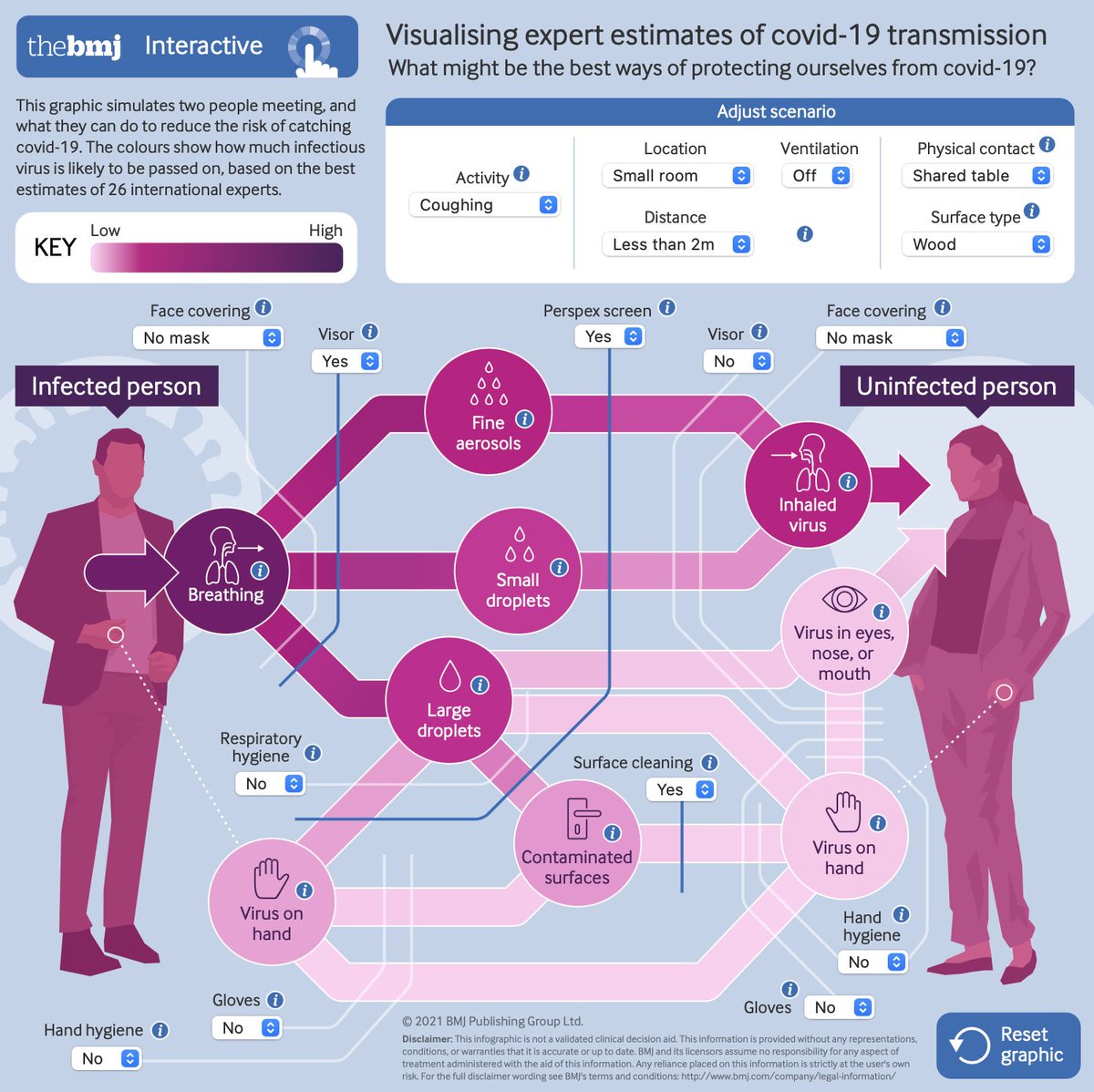
Is it risky to sing in a choir or eat in a small restaurant? How much difference does it make if I open windows or clean surfaces?
A new #BMJInfographic helps people decide what to do in everyday situations to protect themselves, and others, from covid-19 https://t.co/RMoEwZ9wTz
At the start of the covid pandemic, many scientific publishers made their articles on covid-19 open access, likely strengthening the world’s response. Shouldn't we open up research on the climate crisis with the same sense of urgency, says Caitlin Edgell
https://t.co/vLF3E9MMOA
@JoshuaBlake_ „Nationally, ~5% of all specimens are sequenced. This means our system can detect down to 0.01% of circulating variants. So, Omicron can be found…eventually.„ Source: https://t.co/ie4cf8jR6v
The ECHILD Data Resource Profile has been published. This explains what ECHILD contains and its strengths and limitations when exploring how children’s health affects their education, and education affects long-term health
#LinkedData#AdminstrativeData
https://t.co/Ou27uvDwzz