📣 Attn Clinicians & traininees:
#ICD10 F11.xx codes = opioid use DISORDER
*Z79.891* code = long-term opioid therapy _NOT_ related to #OUD
YOU are responsible for how visits are coded, not someone else
Pls stop mislabeling Dxs, esp to payors & pharms
#addiction#MedEd#pain
Pride is a time to celebrate—and to act. Join AAHPM’s Pride Month webinar to explore how social justice research and community partnership can improve care for LGBTQ+ patients with serious illness. https://t.co/R2QvM8Iypq
Bottom line: Be careful how you’re using the EPIC opioid risk score
Concise & practical semi-journal club-style review of the independent validation study
https://t.co/LCdWQTv32w
Note: Article link 👆🏻 & CME credit offered
#addiction#primarycare#MedEd#stigma#pain
*NEW* position paper from @ACPIMPhysicians, published in @AnnalsofIM - Protecting the Integrity and Quality of the Medicare Advantage Program. We must ensure "strong beneficiary protections, physician autonomy, and financial transparency"
https://t.co/JMh5bHlOs2
Don't miss this new paper from @ACPIMPhysicians! ACP calls for reform of the Medicare Advantage Program to protect patient health | ACP Online https://t.co/guINhE9xJc
The same companies you say are denying claims, are the ones you prop up buying access to formularies.
Tell your members to stop being afraid of the PBMs and the insurance companies that own them, or they own.
Your members selling to distribution at WAC and making up categories of Class of Trade to protect PBMs , is costing patients billions per year. Making your medicines unaffordable to many.
I get that the PBMs can crush your sales with formulary manipulation, but if you truly care about patients , it’s time for you to stand up to them. Go to the DOJ and the FTC, tell them how it works.
Or maybe you want to be able to use rebates to buy market share and let patients die or get sicker because they can’t afford to pay list price.
The industry is broken. Stand up to it
The ACP Performance Measurement Committee met this week in Philadelphia. ACP is actively working towards recommending a core set of meaningful performance measures that can be used to evaluate the quality of care and improve outcomes of our patients: https://t.co/gdDp1wVRfJ
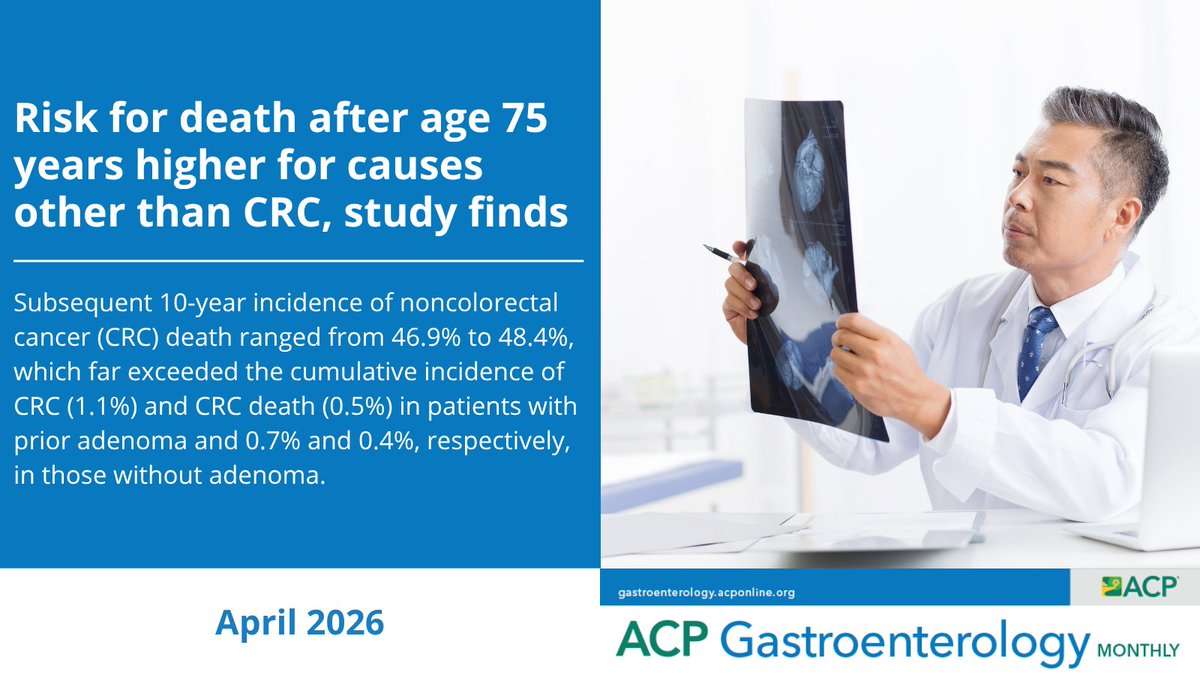
The latest in ACP Gastroenterology Monthly: https://t.co/8LIKajCYS4
🔹 Risk for death after age 75 years higher for causes other than CRC, study finds
🔹 Underreporting of alcohol use has hidden prevalence of alcohol-related liver disease, study finds
🔹 Spotlight on C. difficile risk with different medication classes
AAHPM Position Statement Proposals. Professional societies help shape the future of care not only through education&conferences, but through clear policy guidance. That’s why it is so important that members guide/lead us into the future @AAHPM https://t.co/bfrOgEaZHR
Join us for the Joint ACP Chapter Town Hall webinar on March 25th from 6:00 - 7:00 pm to hear directly from President Jason M. Goldman, MD, MACP.
Register now: https://t.co/7MxMizusNZ
Federal Judge Blocks Immunization Schedule Changes, Stays ACIP Member Appointments | ACP Online #IMProud of @ACPIMPhysicians for engaging in this lawsuit--we must protect public health and vaccine access! https://t.co/dMXga8ebfQ
Your voice matters in shaping the future of hospice and palliative care. Visit AAHPM’s Legislative Action Center to stay informed on key policy issues and take action when it counts.
https://t.co/Qh54LViUoT
We discuss guest Athanase Benetos's study that found no difference in mortality between #deprescribing antihypertensives & usual care in frail nursing home residents. We also interview Mike Steinman for context.
👉 Post: https://t.co/12VaDvhwiJ
😀 Hosts @AlexSmithMD | @EWidera
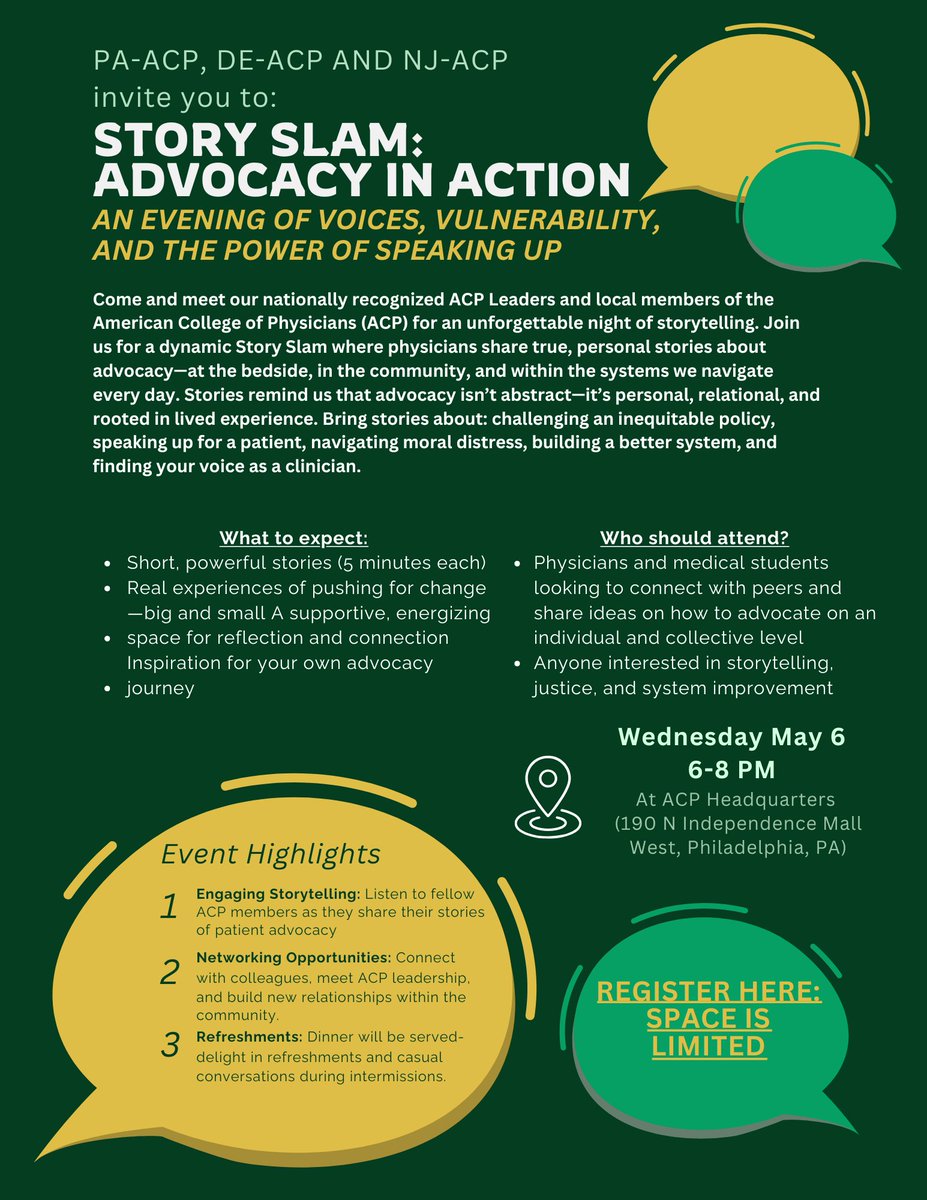
Join us on Wednesday, May 6, from 6:00 to 8:00 PM for an ACP Story Slam: Advocacy in Action for an evening of voices, vulnerability, and the power of speaking up.
Register now: https://t.co/Gsc2l1bh8p
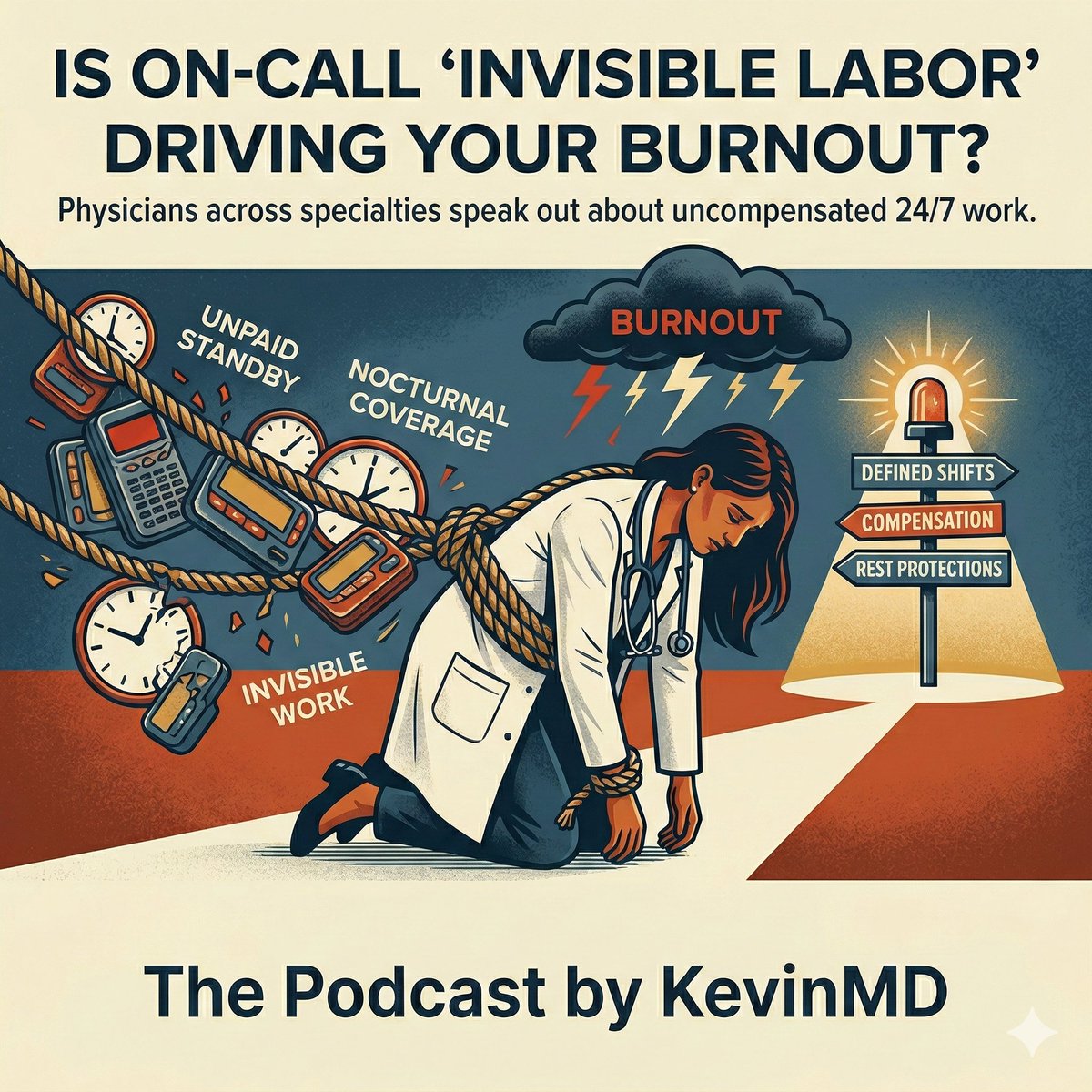
I interviewed an internal medicine physician who says the medical system relies on a massive amount of unpaid labor to function. We call it "taking call."
Dr. Corinne Sundar Rao joined me to discuss why the traditional model of physician on-call compensation is a primary, yet rarely discussed, driver of burnout.
For decades, taking call was simply baked into the job. You worked your full clinic day, you were on standby all night for the hospital, and then you worked a full schedule again the next day. It was justified by the "calling" of medicine.
But as Dr. Rao points out, the complexity and volume of modern medicine make this model unsustainable.
Other high-stakes professions, like commercial airline pilots, have federally mandated rest periods. Yet surgeons and physicians are routinely expected to make life-and-death decisions on zero sleep, often for little or no extra pay.
Dr. Rao argues that "call" is a euphemism for extracting free labor from physicians to cover the hospital's unassigned patients.
We have seen successful solutions before. The hospitalist and laborist models proved that we can turn endless, tethered responsibility into defined, compensated shifts. But many specialties are still trapped in the old paradigm.
The result? Physicians aren't complaining; they are simply disappearing. They are dropping out of traditional practice, moving to concierge models, or leaving medicine entirely.
If hospitals want to solve the staffing shortage, they need to stop relying on altruism to subsidize their 24/7 operations. Call is labor. And labor must be paid fairly, transparently, and with built-in rest protections.
🎙️ Listen to "Physician on-call compensation: the unpaid labor driving burnout" on The Podcast by KevinMD.
📷 Search "The Podcast by KevinMD" on Apple or Spotify.
#KevinMD #PhysicianBurnout #HealthcareWorkforce #MedicalCulture #PhysicianCompensation #PatientSafety #HealthcareLeadership
Almost everything RFK Jr says here is wrong.
Reyes’s Syndrome is related to aspirin use particularly after a viral illness, but in children, not in pregnant women.
High dose aspirin isn’t recommended during pregnancy because it can cause premature closure of the ductus arteriosis. Low dose aspirin can be used during pregnancy.
Ibuprofen is not used during pregnancy because of concerns about harming the fetal kidneys.
Acetaminophen is considered safe for use during pregnancy.
As always, when you have medical questions, talk to your doctor. The Sec of HHS is not a reliable source of medical information.