Disclosure of high genetic risk is often associated with no significant measures to mitigate risk
@Naderian_mr & I comment on a syst review on
behavior outcomes after disclosing CV genetic risk
Genetic risk disclosure and behavioural change: not so fast https://t.co/vtNbTAf8y1
Read about how including genetic, social, lifestyle, and psychological factors in clinical risk calculators for #heartdisease could improve their ability to predict coronary heart disease: https://t.co/iZIvs16ShO
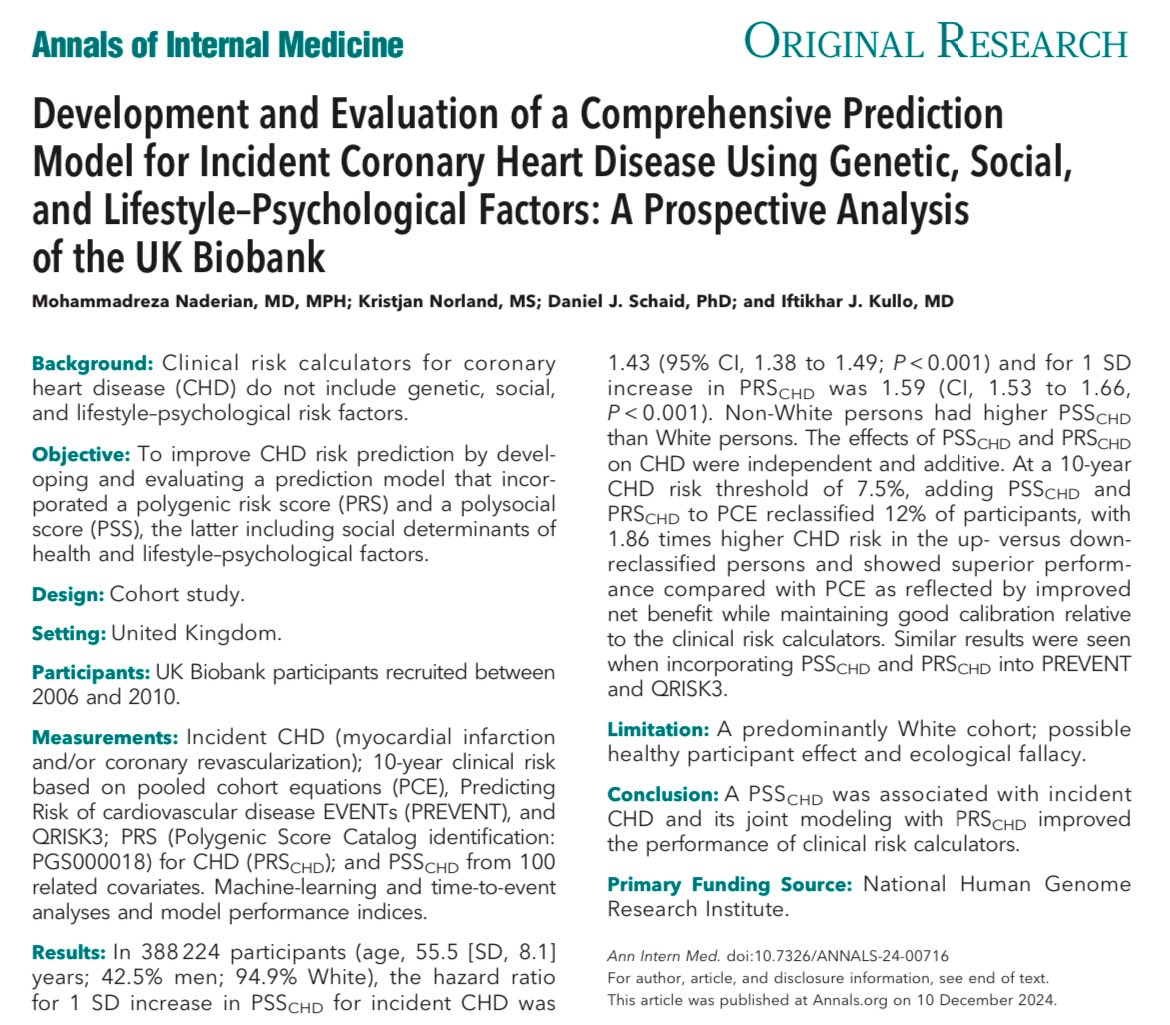
Trending now at https://t.co/HQyUgwV2bm: Development and Evaluation of a Comprehensive Prediction Model for Incident Coronary Heart Disease Using Genetic, Social, and Lifestyle–Psychological Factors: A Prospective Analysis of the UK Biobank: https://t.co/lLsybgivSq
@MayoClinic
🗓️TOMORROW! Learn how the NIH's PRIMED Consortium is advancing equitable polygenic risk predictions via its methods and tools w/ speakers @iftikhar_kullo, MD, & Sarah C. Nelson, MPH, PhD. It's not too late to register 👉 https://t.co/jHpkbIIqDX #ASHG
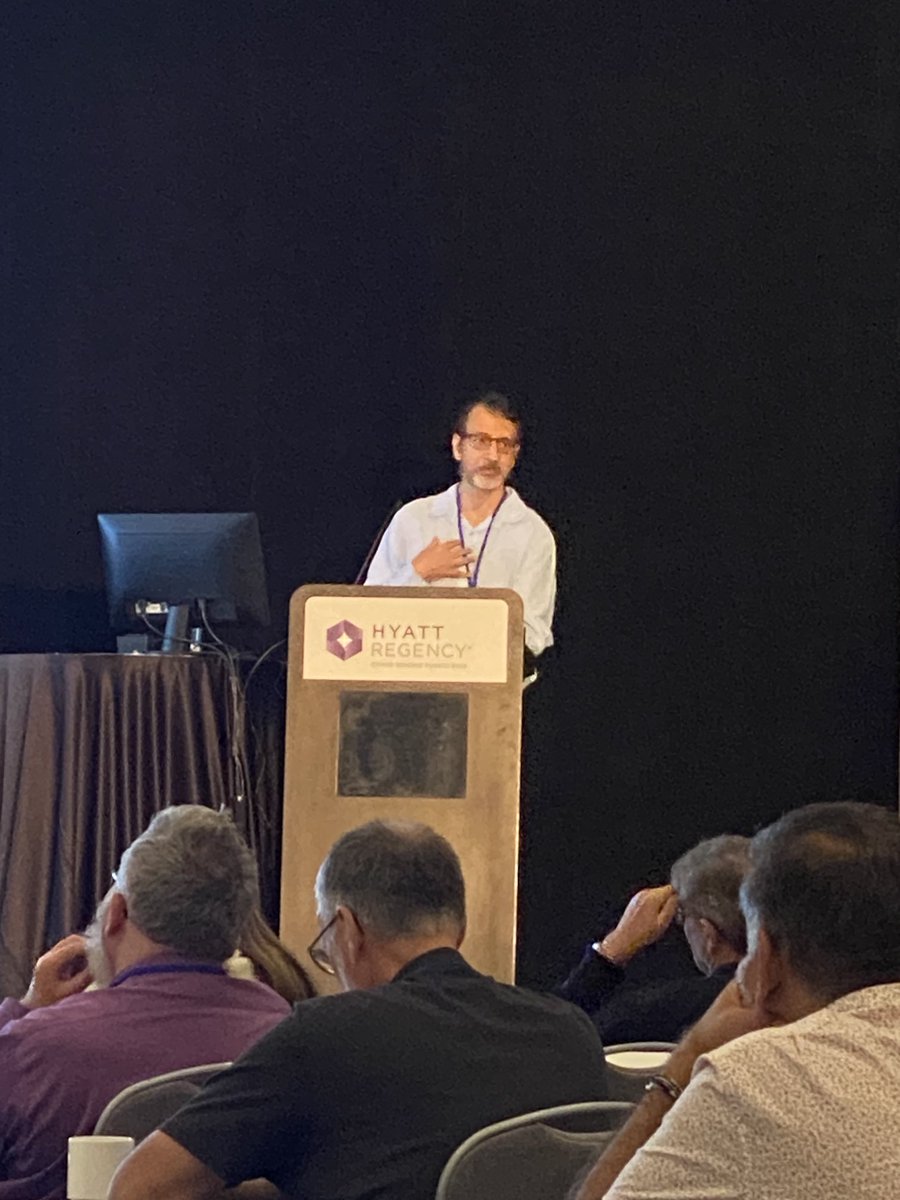
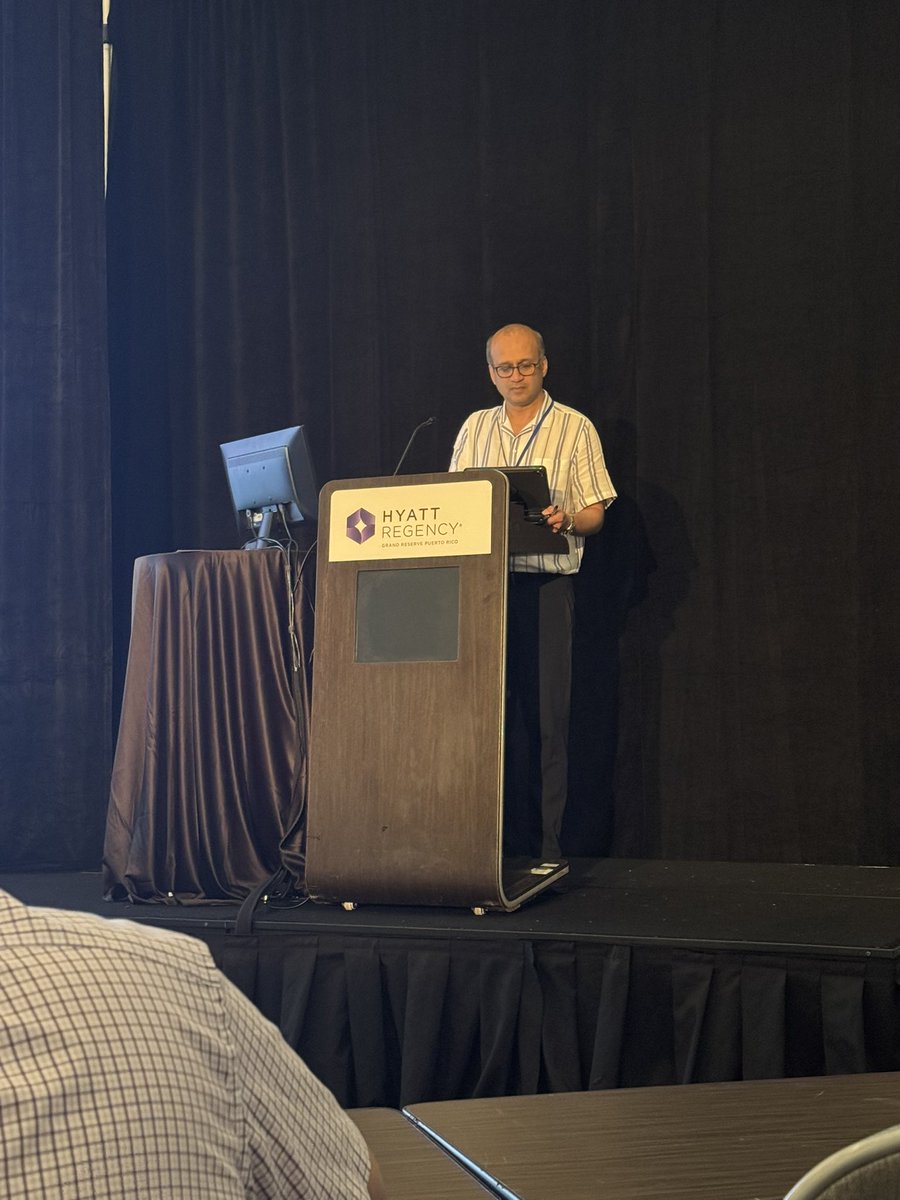
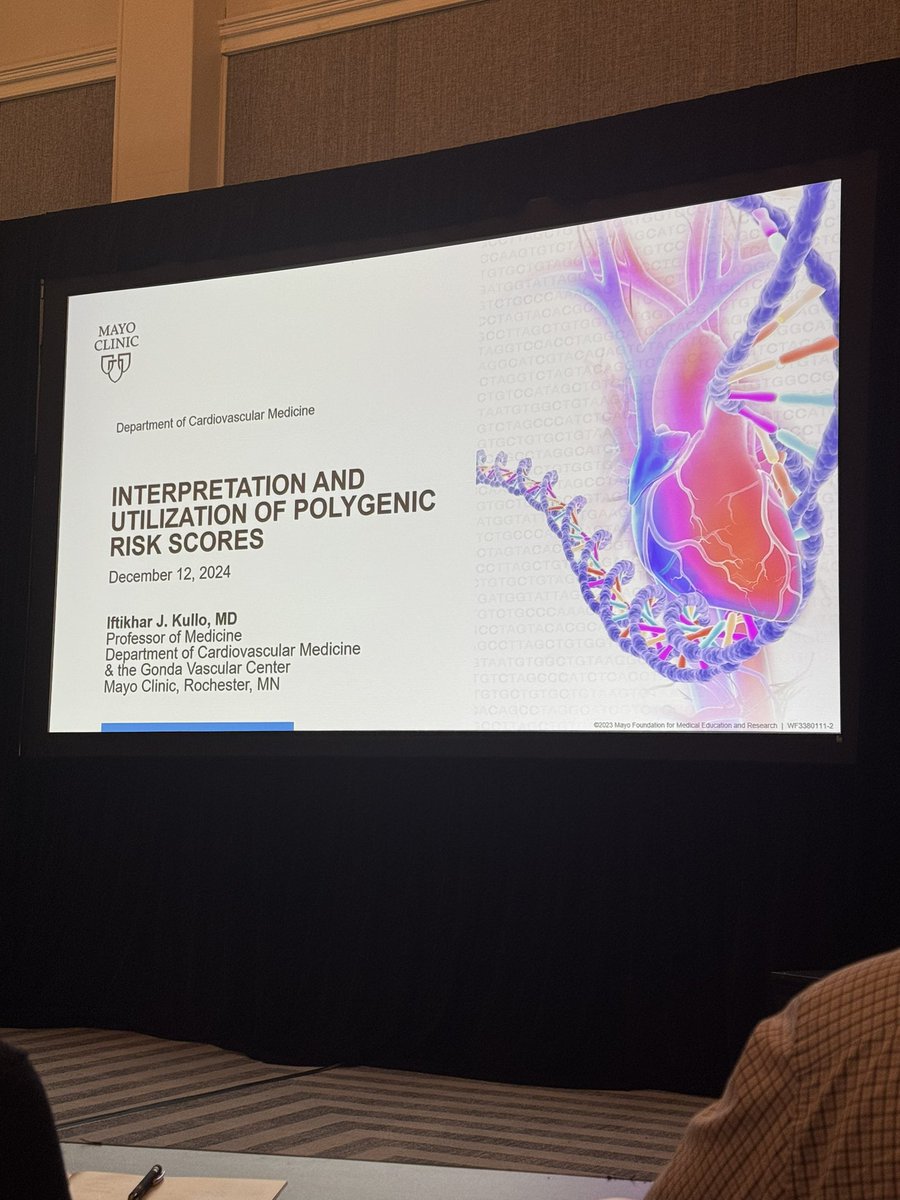
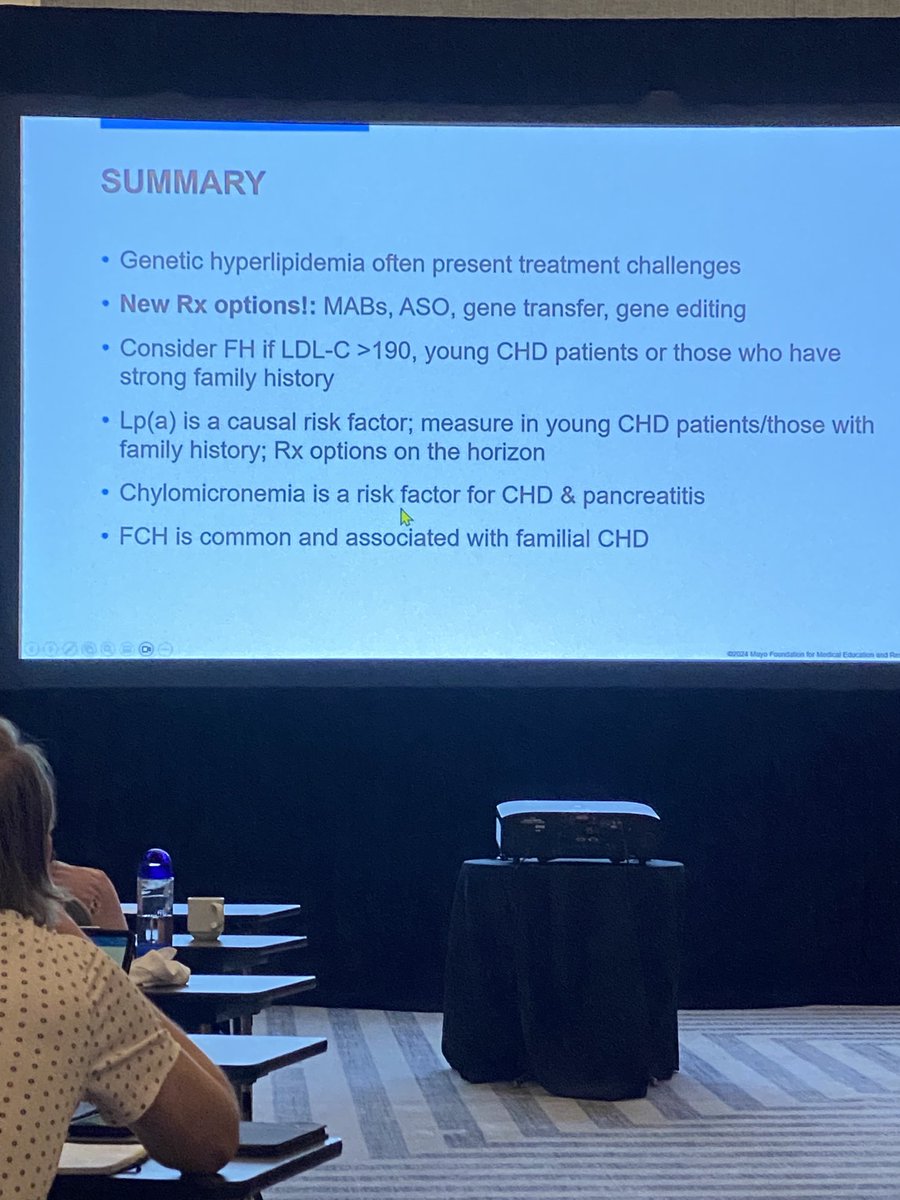
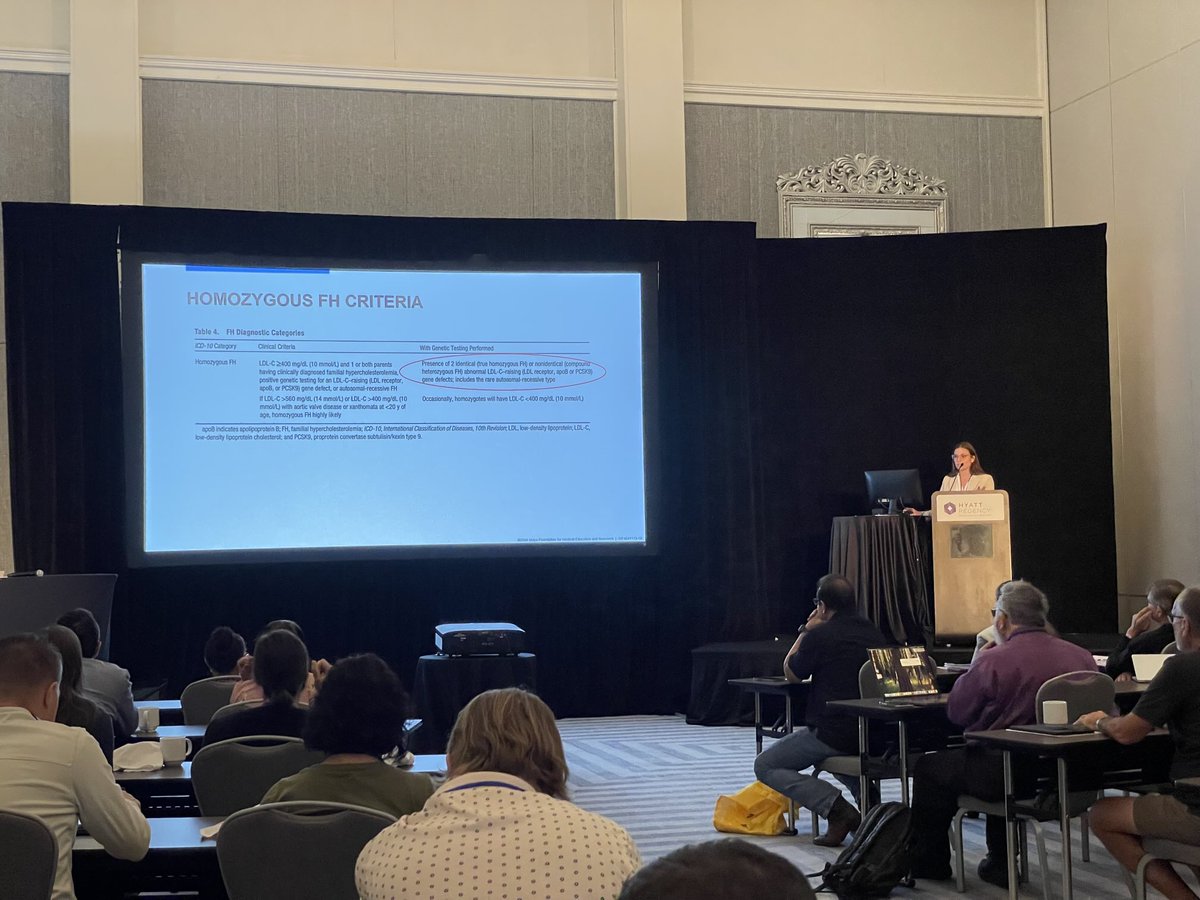
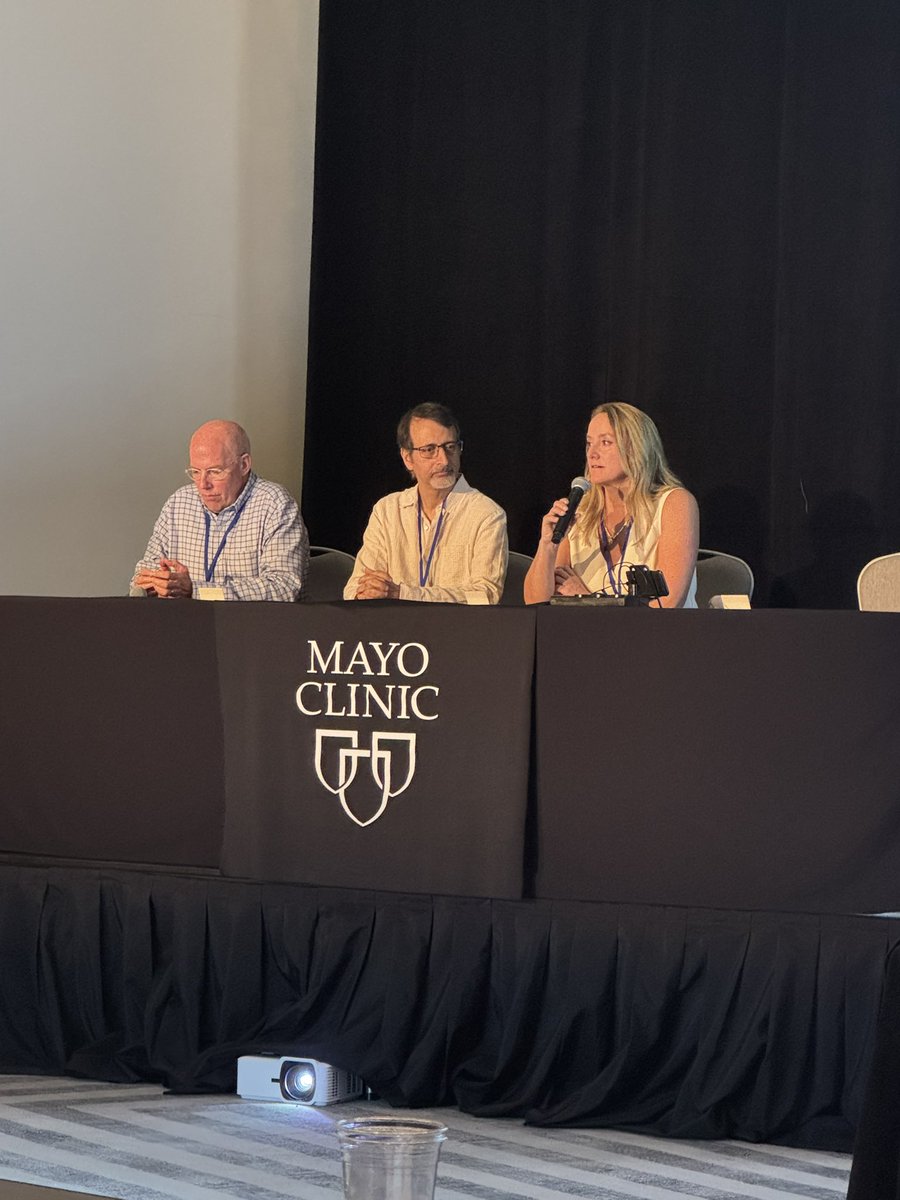
About to wrap up Session III w/ my friend & co-director @iftikhar_kullo sharing exciting advances in the familial hyperlipidemias. Love seeing the desire in our 100+ attendees to become more fluent in the language of #Genetic#Cardiology.
1/3
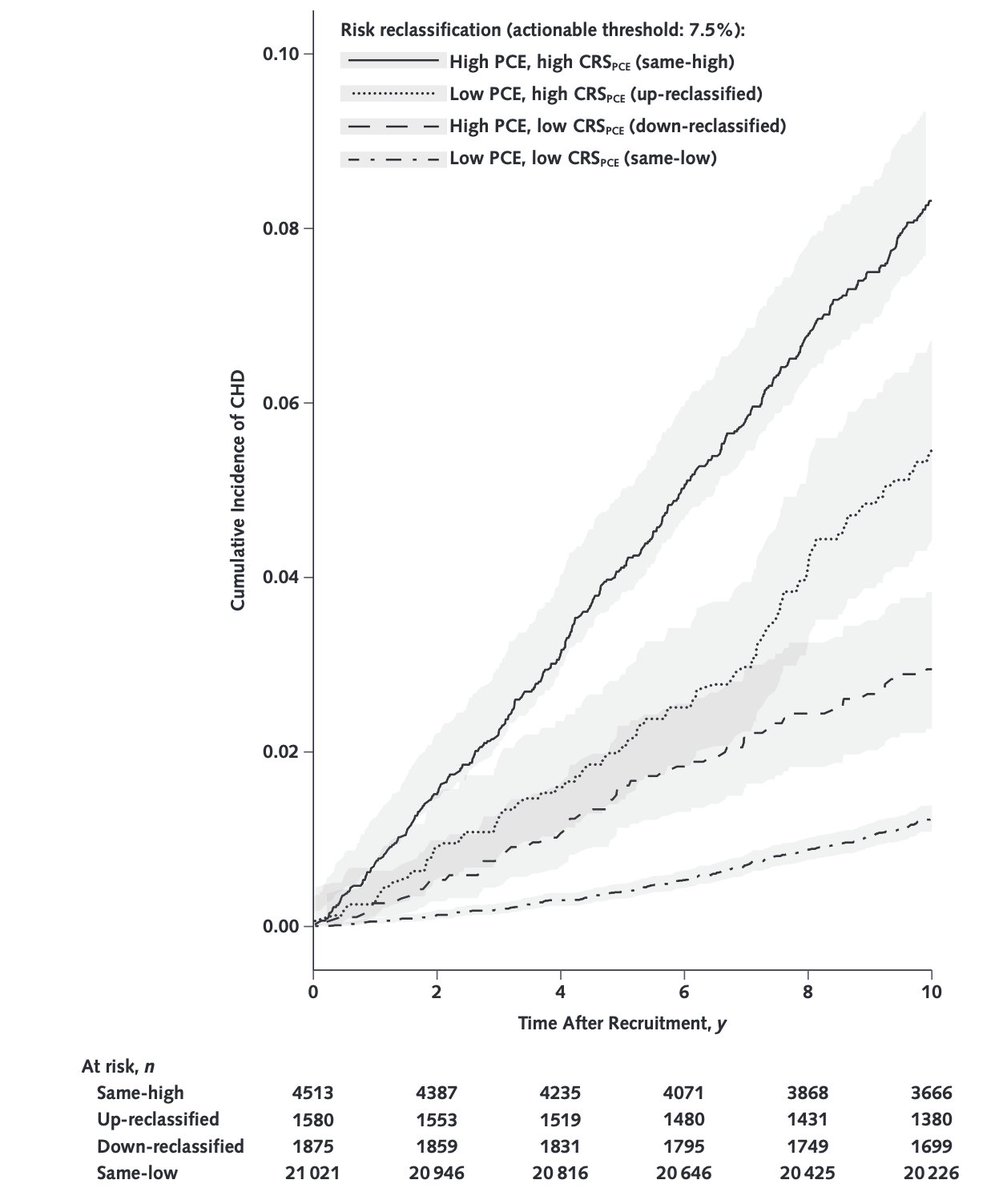
📊 Excited to share our latest publication in @AnnalsofIM from @MayoClinic_KLab, @iftikhar_kullo, as a step toward a more personalized risk prediction for CHD 🫀
https://t.co/OoR5bSMqva
Looking forward to a great meeting in a great location!
This is our 8th CME course on CV genomics covering general principles, monogenic & polygenic conditions, as well as exciting advances in therapy
Privileged to co-direct with the @MJAckermanMDPhD and @nl_pereira
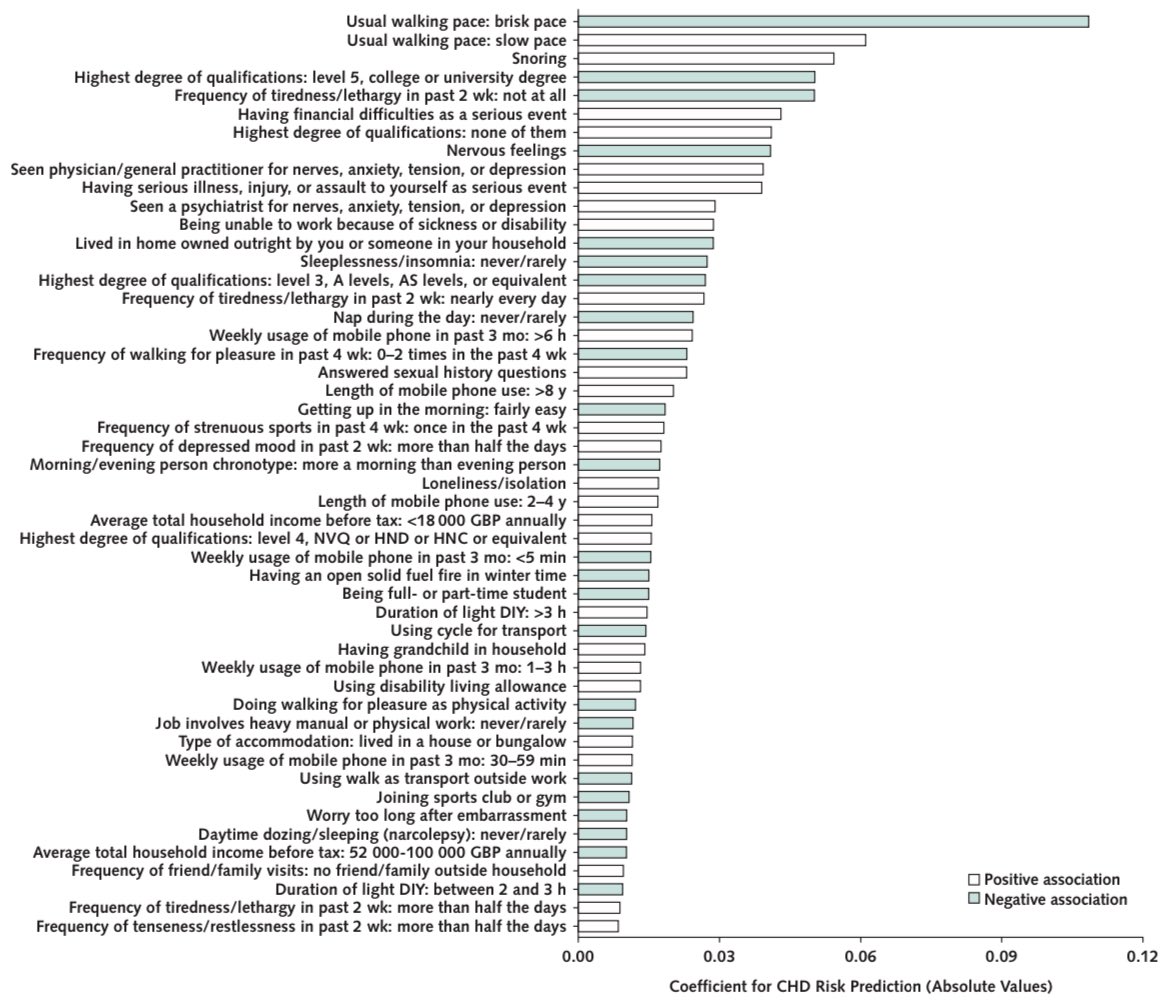
Polysocial score (PSS) was higher in non-whites
The greater CHD risk in non-whites may be partly due to higher PSS
The effect of PSS and PRS on CHD risk was independent and additive
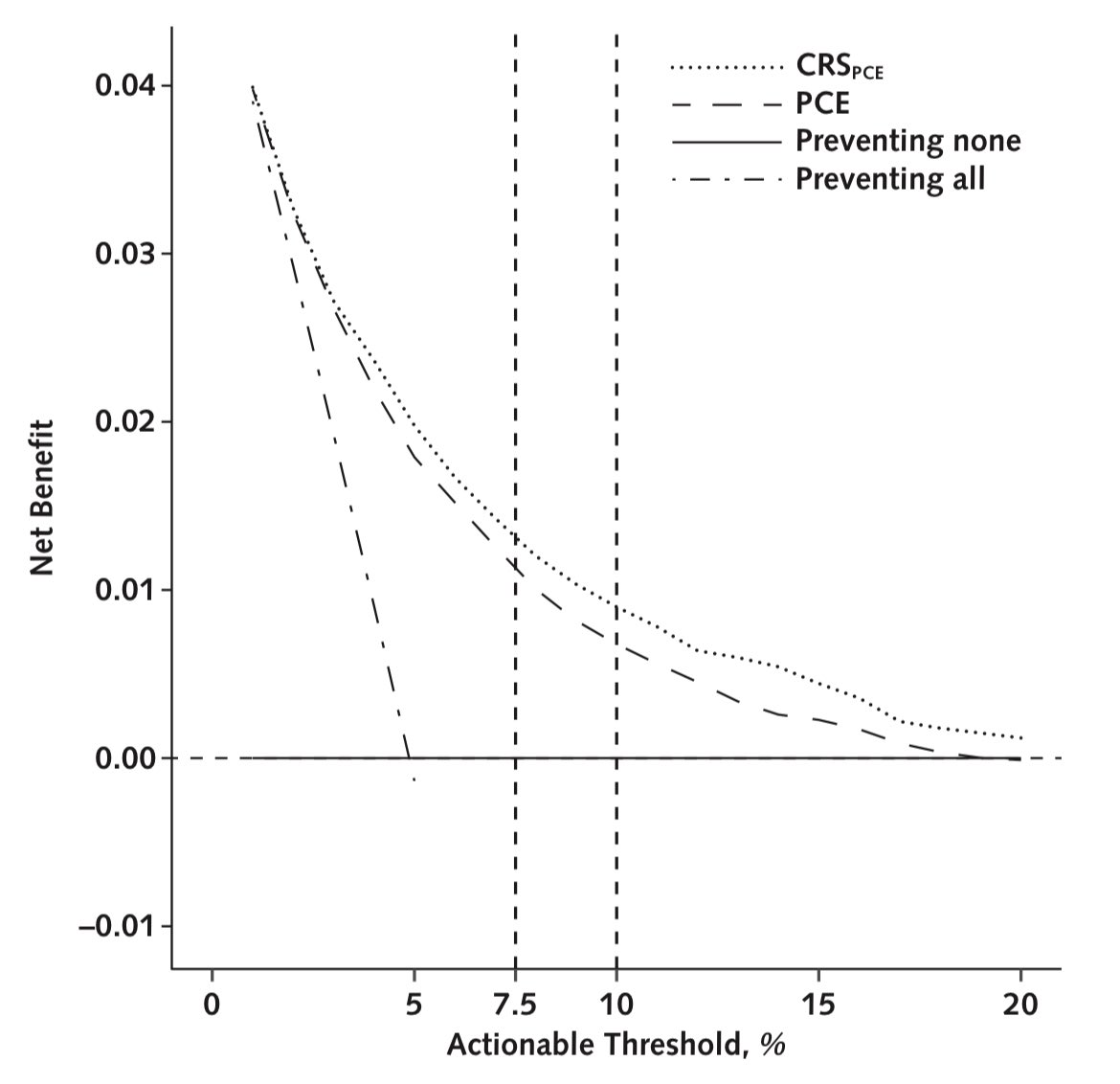
At a 7.5% 10-y risk threshold, adding both PSS and PRS led to a 12% reclassification rate
1/2
A UK Biobank analysis by @Naderian_mr highlights the value of incorporating social & environmental factors as well as #PRS to improve CHD risk prediction
Main findings:
1 SD increase in a polysocial score led to a HR of 1.43 & a 1 SD increase in PRS led to a HR of 1.59
With more layers of data, our ability to predict a person's risk of heart disease is getting better and better
https://t.co/BI0ltvTodY @AnnalsofIM adding in social determinants of health, lifestyle, and other data @iftikhar_kullo@uk_biobank
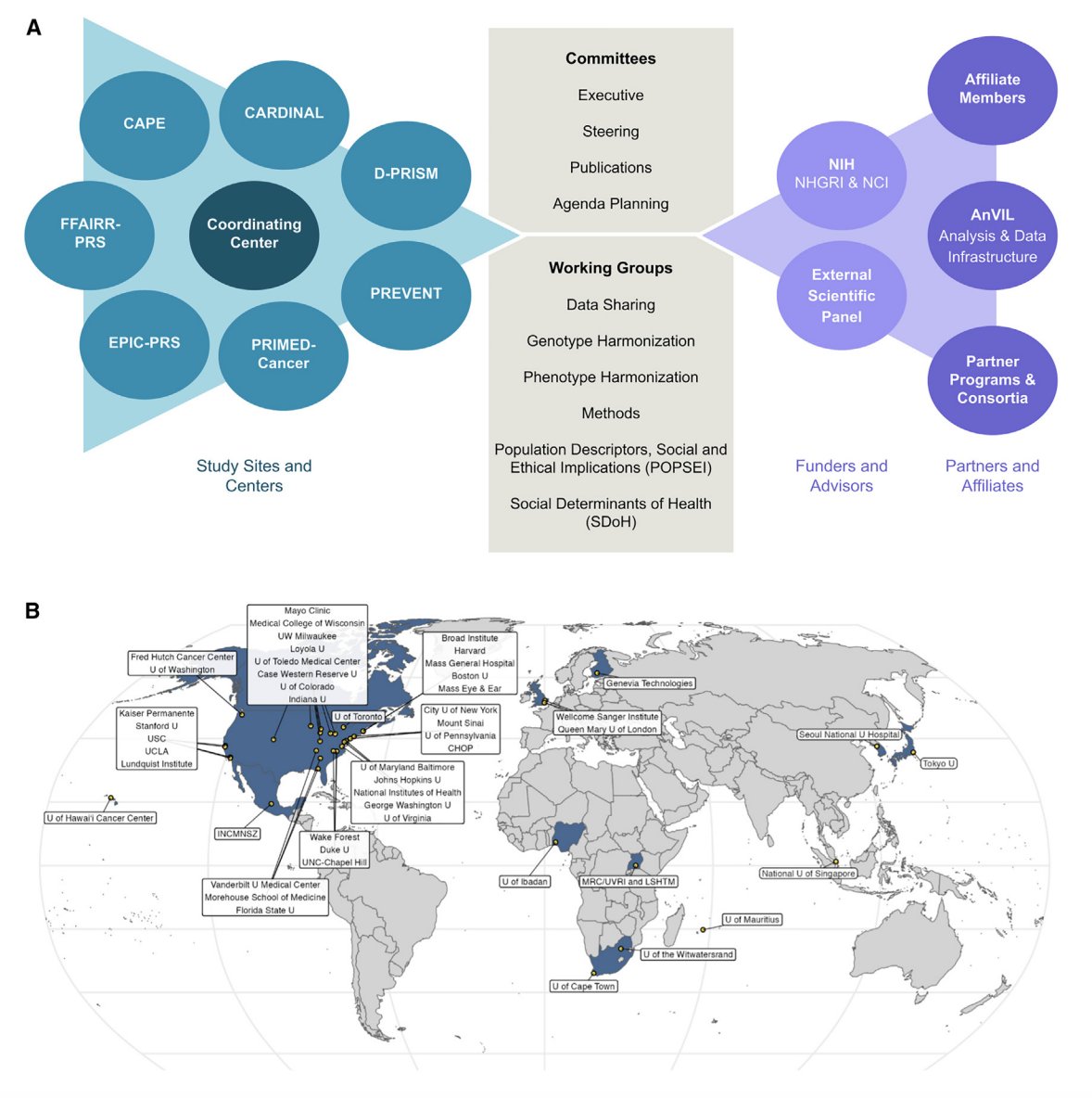
A new Perspective from @PRSDiversity is out in @AJHGNews! PRIMED is bringing together researchers and data from across the globe to develop new polygenic risk score methods and improve risk prediction across diverse populations and genetic ancestries🧵 1/
https://t.co/Y8FIuRxvs8
See also this report by Satterfield et al.
describing MR phenome wide analyses of genetically predicted Lp(a) levels
It is unclear, however, whether Lp(a) is equally atherogenic in individuals of African genetic ancestry.
https://t.co/JmwkkDiVoP
#LPA
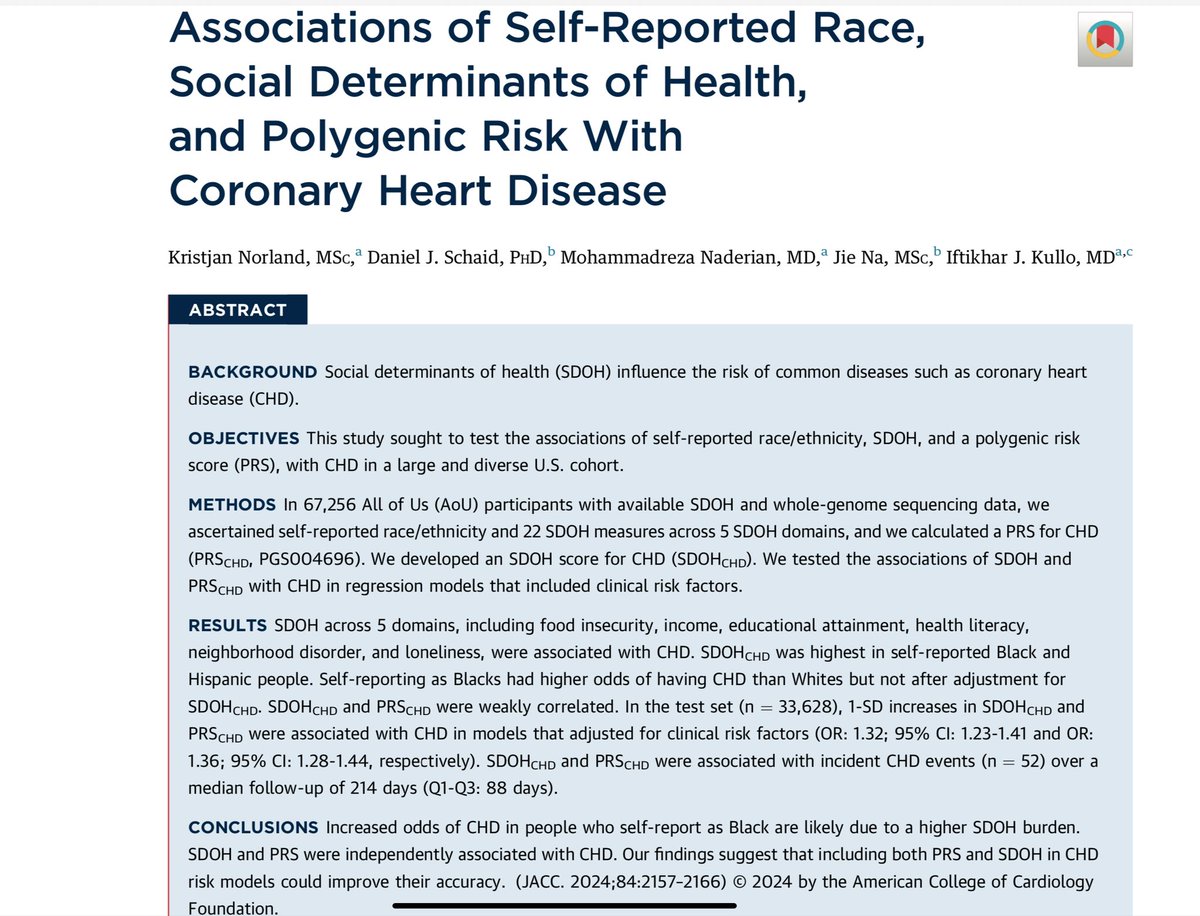
SDOH and PRS were independently associated with CHD
Including both PRS and SDOH in CHD risk models could improve their accuracy
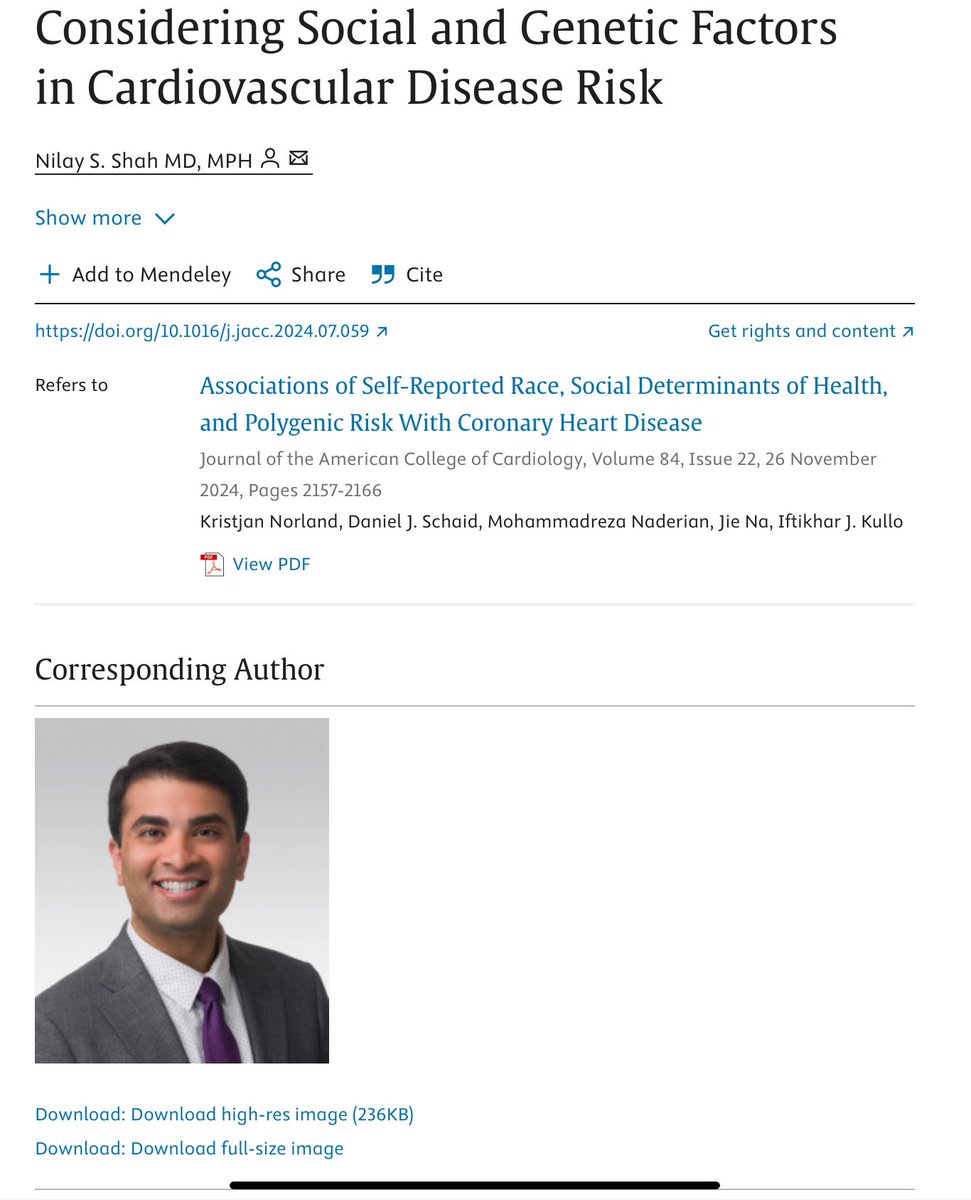
Accompanying editorial by Dr. Nilay Shah here
https://t.co/xxUOJdnhg1
1/2
Associations of Race, SDOH & PRS with CHD risk in the All of Us dataset by Kristjan Norland
https://t.co/XrN1YorQKP
⬆️ odds of CHD in people who self-report as Black are due to a higher SDOH burden
Emphasizing Race as a social not biological construct
The PRIMED consortium represents an effort to share genetic data and develop polygenic risk scores that work equally well across ancestries.
Important step towards addressing the historical oversampling of Europeans in GWAS studies.
🔗https://t.co/47uo8OOqRA