We can never begin to have a conversation about health systems strengthening without considering the mental health and welfare of the very contributors to that health care system. Medical Interns deserve to be compensated for the heavy lifting that they offer for the 12 months!!!
June is also pride month, you should also be promoting non discriminatory and stigma free quality health care for all Ugandans irrespective of their sexuality or identity.
Pay all medical interns.
Honor the medical profession.
Choosing to work in the Healthcare sector should remain prestigious.
Labour should be compensated.
#PayAllMedicalnterns
As a Senior Consultant, the reason I haven't raised my voice is simple:
When the interns are gone, I will gladly show up at 5AM, clerk 80 patients, draw the blood, and run the night calls myself.
I am superhuman. Obviously.
As a Senior Nursing Officer, the reason I am silent is obvious:
I have no problem running three wards alone, fixing lines, tracking vitals, delivering babies, doing the paperwork.
I don't need hands. I have dedication.
As a Policymaker, the reason I haven't spoken is elegant:
The interns are a budget problem I solved by terming the students.
My children are not doing internship in Uganda, after all.
As a Patient, the reason I haven't complained is clear:
Even if the doctor cutting me open has worked 36 hours without food, just cut me open and take the baby out.
Hunger sharpens the hands. Everyone knows this.
As a Citizen, the reason I am unbothered is rational:
None of my children is a medic.
I have my pastor.
The system runs on miracles. Always has.
This policy is brilliant.
Let's all stay quiet and watch the magic happen.
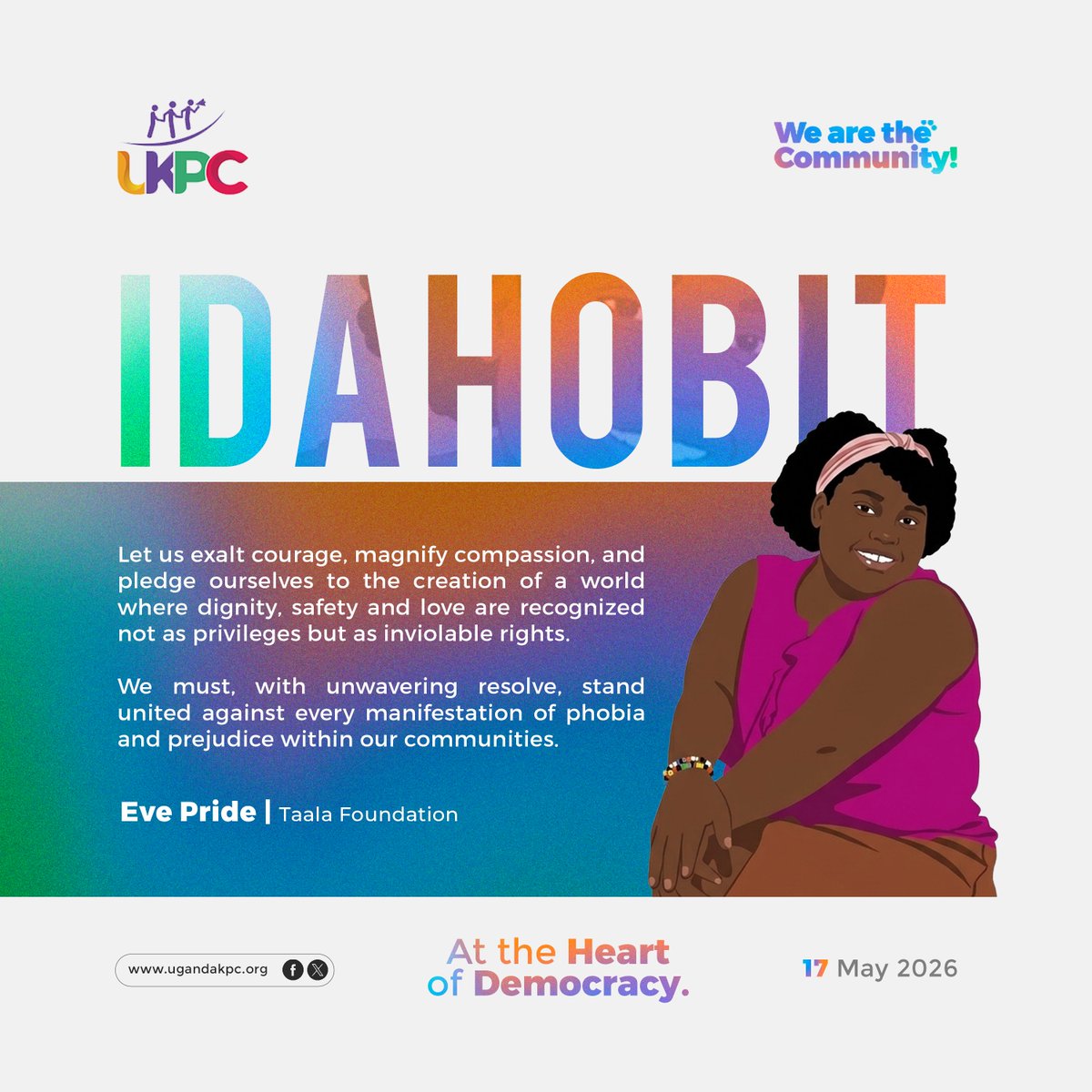
Human rights are non-negotiable.
They belong to every member of the human family — no matter who they are or whom they love. ❤️💜💙💚💛🧡
#IDAHOBIT#StandUp4HumanRights
In honour of #IDAHOBIT 2026, we share reflections from community leaders whose voices continue to call for dignity, inclusion, and equal access to health and human rights for all.
"You're a doctor, you should know."
Medicine has 12 specialties, thousands of conditions, and constantly updating research.
No. One. Person. Knows. Everything.
That's why referrals exist. Respect them.
Consent is not:
- silence
- fear
- being drunk/high
- “they came over”
- past hookups
- guilt
- pressure
- manipulation
- freezing up
- “they didn’t say no”
Consent is clear, willing, informed, ongoing, and can be withdrawn at any time.
Anything less is not consent.
You can make pre-internship exams mandatory and test young doctors on advanced investigations, evidence-based management, emergency response protocols, and international standards of care.
Then after all that, they walk into hospitals where gloves run out, oxygen is unreliable, reagents are missing, scans are inaccessible, and essential drugs are inconsistent.
At that point, medicine stops being about practicing what you were taught and becomes improvisation and survival.
A healthcare system cannot demand excellence while failing to provide the basic tools required to deliver it.
Last week, I lost a 35-year-old patient to AIDS.
The worst part? He had no idea he was even sick. From history we got to know, he was having recurrent fevers for many years, lost a few kilos, he used to just pop a paracetamol, and go back to work. He thought he was just tired from life.
By the time he reached our hospital, it was already too late
He didn’t look like the dying patients you see in movies. He looked like any other guy.
But internally, he was fighting a war for maybe a decade? without any weapons.
When his labs came back, his CD4 count (the soldiers of the immune system)was less than 50.
A healthy person has 500–1,500. He had almost nothing left.
HIV is a very manageable condition today. ART (Antiretroviral Therapy) works wonders, it can make the virus undetectable and let you live a full, normal life..
But the medicine only works if you recognize the signs early. If you wait until the house is already burned down, there is very little we can do..
Let me quickly brief you the stages of HIV
First: The "Flu"
2–4 weeks after exposure, you get a fever, sore throat, or a rash. It feels like a standard viral bug. You "recover" in a week and think you are fine.
Stage 1: The Silence (Clinical Latency)
This is where my patient lived for years.
The virus reproduces slowly. You have zero symptoms. You feel healthy. Maybe a random fever once a year that you blame on the weather.
Because you feel fine, you never get tested. This is the most dangerous stage because you are still infectious and don't even know it.
You might have Persistent Generalized Lymphadenopathy-swollen, painless lymph nodes in the neck or armpits for >3 months.
Most ignore these!
Stage 2: Mild Symptoms
The immune system is starting to slip.
Look for:
>Moderate unexplained weight loss (<10% of body weight).
>Recurrent URIs (sinusitis, tonsillitis, otitis media).
>Herpes Zoster (Shingles)
>Minor skin issues (Seborrheic dermatitis, fungal nail infections).
Stage 3: Advanced Symptoms
The breaking point is near. This is where symptoms become hard to ignore:
>Unexplained severe weight loss (>10% of body weight).
>Chronic diarrhea or persistent fever
>Oral Candidiasis (Thrush).
>Pulmonary TB.
Stage 4: AIDS (Severe Symptoms)
This is the stage my patient was in.
CD4 count <200 plus "AIDS-defining" conditions like HIV wasting syndrome, Pneumocystis pneumonia (PCP), or extrapulmonary TB.
By the time he reached us, he had opportunistic pneumonia. Without an immune system, even the strongest antibiotics can't save you.
He succumbed last week because he spent years managing symptoms with paracetamol instead of finding the cause.
In 2026, no one should be dying of AIDS. Don't trust the mirror. Trust a blood test. It's the only way to know before it's too late
I was sitting in a coffee shop, working on my laptop. At the table next to me, a girl was on the phone. She was trying to be quiet, but I could hear her. "I know, Mom. I know rent is due. I’m trying. They cut my hours... I don't have it." She hung up and put her head on the table. She wasn't buying anything. She was just using the wifi and the warmth. A barista walked over to clean the empty table next to her. I thought he was going to kick her out. Instead, he placed a large latte and a warm muffin in front of her. She looked up, startled. "I didn't order this. I can't pay for it." "Someone paid it forward," the barista smiled. "It’s already covered." He walked away. I looked around. Nobody had paid anything forward. The shop was empty except for us. That barista paid for it. The girl ate the muffin slowly, like she hadn't eaten all day. She drank the coffee with two hands, soaking in the heat. She stayed for another hour, applying for jobs on her phone. She looked energized. Hopeful. When I left, I tipped the barista $50. "For the inventory," I winked. He just smiled. Kindness is contagious. Catch it.
Anonymous
The Thursday Daily Monitor..
Be sure to acquaint yourself with the relevant information all-round. The e-copy can be accessed via https://t.co/IQlYhxJU16
#MonitorUpdates#JournalismIsNotACrime
The teenager bagging groceries today asked if I wanted my bread on top.
I said yes.
He nodded seriously and said, "Good call. Structural integrity is everything."
Then he arranged my bags like he was building a cathedral.
His coworker laughed at him.
But my bread arrived home unpunched, my tomatoes unbrushed.
Sometimes the people who care too much about small things are exactly who we need.
Conversations about sexual health are still taboo in many parts of the world. What's one thing you wish someone had told you about safe sex when you were young? Tell us in the replies 👇
🎬Ghotul https://t.co/xPISq6OpvN
In her speech, UNAIDS Executive Director @Winnie_Byanyima praised @ProfAbdoolKarim’s pioneering research behind today’s breakthrough HIV medicines.
She also affirmed that Africa is not just a mere importer of innovation but home to some of the world’s greatest scientific minds.
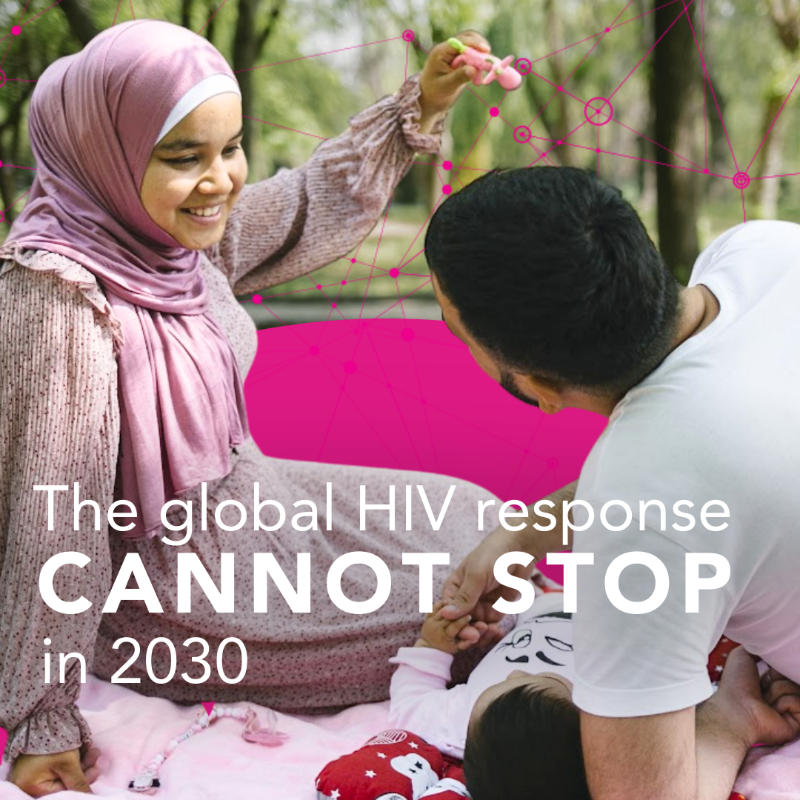
Millions will need HIV services beyond 2030.
Long-term sustainability is critical to ensure continued access to HIV prevention, treatment, and care for the millions of people who will need services beyond 2030.