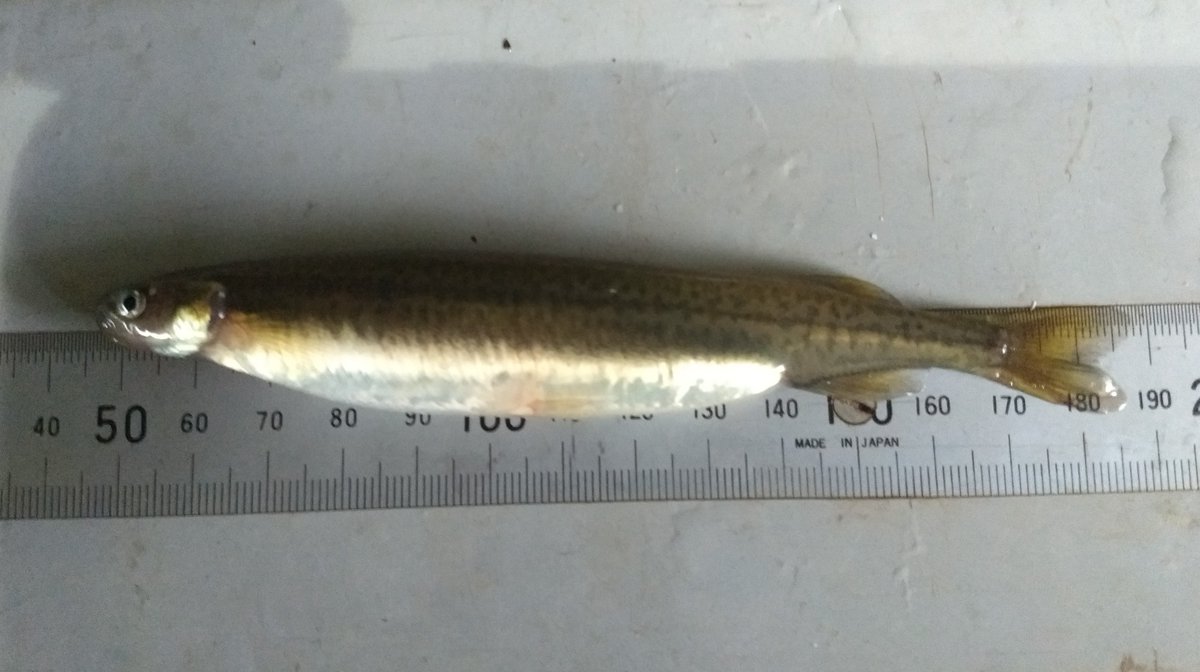
The last data chapter from my PhD in Ecology on freshwater protected areas for conservation and fisheries sustainability of Galaxias maculatus in New Zealand has been published!
https://t.co/pUv3lo53nB
New paper alert! We tested how terrestrial predator extirpation alters prey behavior. It turns out that prey proactively increase use of terrestrial predator-free refugia, but if they sense an immediate threat, they still react the same way.
https://t.co/D8g92Z7vH3
Check out the amazing videos made by this semester's Wildlife Techniques students! Students will be responding to comments throughout the day, so let them know if you have comments or questions.
https://t.co/nFI2uTryie
We're interested in learning how new science gets incorporated into on-the-ground wildlife management. If you are a manager that makes decisions impacting wildlife habitat/populations and are willing to share your decision making process, please send us a DM!
New paper! You've probably heard about the pythons in the #Everglades and the catostrophic effects on native mammals. Well we wanted to check in and see how it's going. Spoiler: not good. @McCleeryLab
https://t.co/mXYqTn1XSS
We made a big update to the McCleery lab website this morning. We have graduation, publication and birth announcements! Check out the news here: https://t.co/O4xG7lBNR9
McCleery lab member @rkmckee14 here with a late #FieldworkFriday post! As I mentioned in my post last week, I am interested in studying the perceived predation risk of cotton rats when they are exposed to different predator cues.
One way to assess risk perception is to put out feeding trays and measure the amount of food left behind under different scenarios. More food remaining equals more fear....the rats won't risk it for the biscuit!
#FieldEcologists - has anyone used an iPhone app to measure overhead canopy cover? There are several available but I can't find published results using any of them. Seems like GLAMA is reliable but only for Android, so I'd have to steal my wife's phone every day.
Whoops! I (@rkmckee14) forgot to share some field updates this past Friday for #FieldWorkFriday. For my field research this summer, I am hoping to measure the perceived predation risk of native mammals, including cotton rats.
Before I can do that though, I have to find areas where cotton rats are really active. The last few weeks, I've been deploying some plates with seeds in different sections of my study site to see where the most eager participants are!
Like their tidal counterparts, freshwater marshes also filter water, reduce flood damage, and provide important habitat for wildlife. For more info, check out the EPA's classifies wetlands! https://t.co/atuYXbe3Co
Hi everyone! McCleery Lab member, Rebecca McKee @rkmckee14 here. I'm in the first field season of my PhD and because field work is one of the best parts of grad school, I wanted to pop in on Fridays with field photos and updates. #FieldWorkFriday
Much of the surrounding habitat is wet prairie and freshwater marsh. When you hear "marsh" many people think of the tidal marshes near the coast, but most marshes in North America are actually non-tidal! If its usually wet and has mostly soft-stemmed vegetation, its a marsh.