We're a membership org' for Conservancies in the Greater Mara Ecosystem. Our Conservancies are based on a partnership between landowners & private investors.
We’re excited to share the latest edition of our Quarterly Newsletter, featuring stories, updates, and highlights from across the Maasai Mara landscape.
From conservation and community initiatives to partnerships, research, and key milestones, there’s plenty to catch up on.
Click 👉https://t.co/7btMRsJt8z to read the full newsletter and explore the stories.
The Board of Directors of Ngila Conservancy, representatives from the County Government of Samburu, and partners working with Ngila Conservancy recently paid a courtesy visit to our Aitong offices to learn more about the community conservancy model in the Maasai Mara landscape.
During the visit, the delegation gained insights into MMWCA's role as a regional membership organization and how we are driving impact across the conservancy landscape. Discussions focused on our work in strengthening conservancy governance, expanding land under conservation, and improving livelihoods for communities.
The delegation also visited two of our member conservancies—Enonkishu Conservancy and Mara North Conservancy—where they had an opportunity to learn directly from conservancy managers and staff.
The exchange provided valuable practical insights into various aspects of conservancy management, including rotational grazing, mobile bomas, daily conservancy operations, tourism and revenue streams, and community livelihoods.
Exchange programs such as these are important in strengthening conservation standards and promoting learning between different landscapes. By sharing experiences, challenges, and best practices, conservancies can learn from one another and continuously improve their approaches to community-led conservation.
This visit was a positive demonstration of the growing collaboration among conservancies across Kenya and their collective contribution to strengthening the country's conservation network.
Our team, in partnership with the Kenya Wildlife Conservancies Association (KWCA), recently conducted a comprehensive four-day EarthRanger training programme for Oletukat Conservancy.
The training began with indoor sessions at Mara Frontier Hotel in Narok Town, then moved to Oletukat Conservancy for hands-on field practicals. The programme brought together conservancy staff, including young conservation leaders and female rangers, equipping them with practical knowledge and skills in the use of modern conservation monitoring technology.
Key areas covered during the training included:
Real-time data collection using the EarthRanger Mobile App.
Patrol tracking and incident reporting to enhance operational safety and improve response times.
Camera trap deployment and management to strengthen biodiversity monitoring.
Backend data analysis and adaptive management to support data-driven conservation decision-making.
By transitioning from manual record-keeping to real-time digital monitoring, we are strengthening frontline conservation teams' capacity to respond more effectively to emerging threats, monitor wildlife, and enhance the safety and security of communities living around the conservancy.
@KWCAKenya
SCAM ALERT!
BEWARE OF FRAUDSTERS IMPERSONATING MMWCA
We urge members of the public to be vigilant against fraudsters masquerading as MMWCA and seeking personal information from unsuspecting individuals.
Please note that MMWCA is currently NOT recruiting ICT interns or any other interns.
Do not share your personal information, send money, or respond to anyone claiming to be recruiting interns on behalf of MMWCA.
Stay alert. Do not fall for the trap. Share this alert with others to help prevent fraud
OPPORTUNITIES ALERT!
Our partner, One Mara Carbon Project (OMCP), has several exciting opportunities currently available.
If you are interested in exploring these openings, please follow the link below for more information on the available positions, requirements, and application process.
📷 Follow this link https://t.co/gqkZkbaEvG for full details and application information.
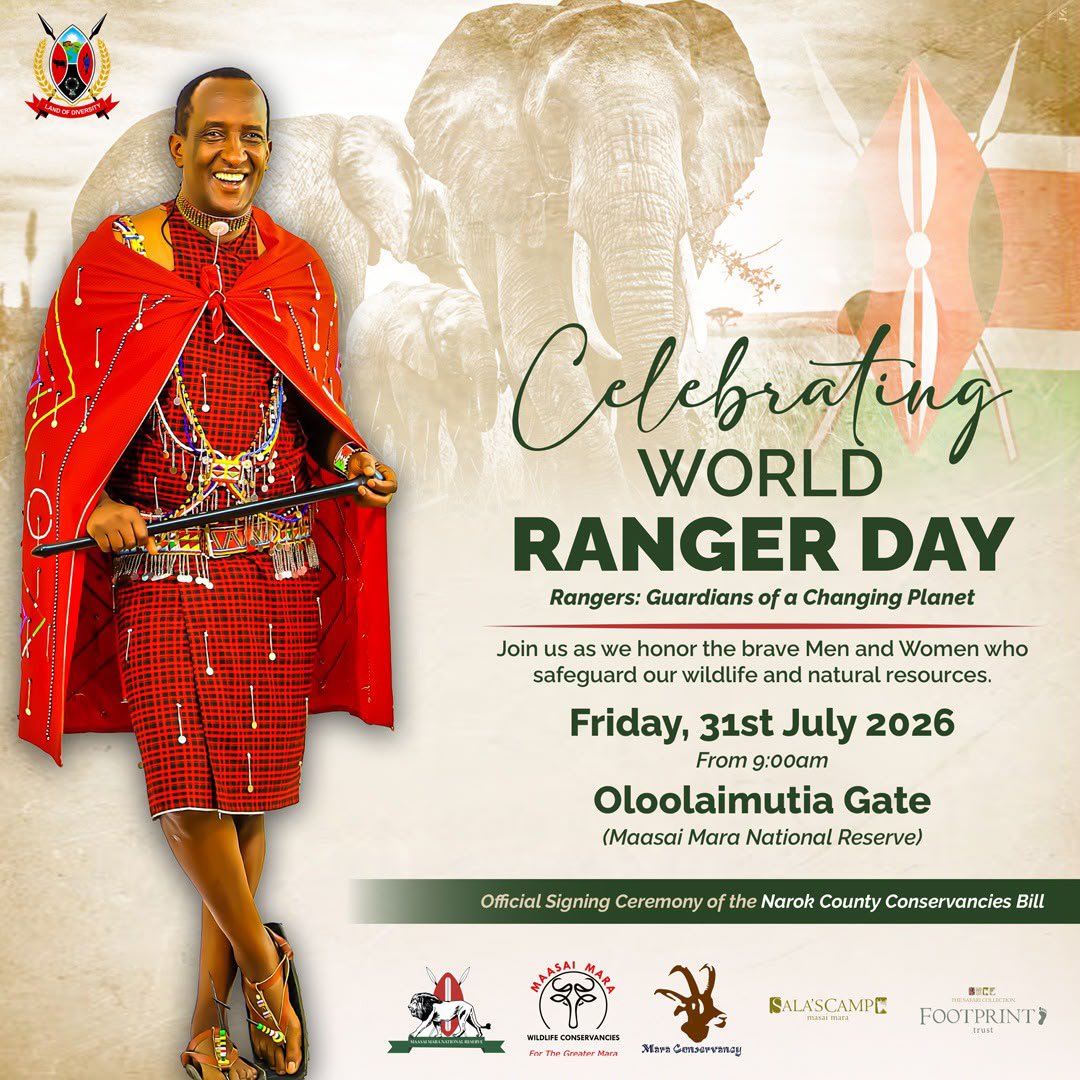
#WorldRangerDay MAAEB joins in celebrating the courage & sacrifice of wildlife rangers who protect our natural heritage. We also commend the signing of the @NarokCountyGvt#ConservanciesBill; a landmark milestone that strengthens community-led conservation, safeguards the Mara.
H.E. Governor @OleNtutuK assented to @NarokCountyGvt Wildlife Conservancies Bill, 2026 developed under the Southern Landscape Programme by Maa Economic Bloc.
The law establishes a framework to strengthen wildlife conservancies and support biodiversity conservation.
World Ranger Day is an important international occasion dedicated to honouring the courage and commitment of rangers who protect wildlife and natural ecosystems. It also provides an opportunity to remember those who have lost their lives and to recognize those who have sustained injuries while serving on the front lines of conservation.
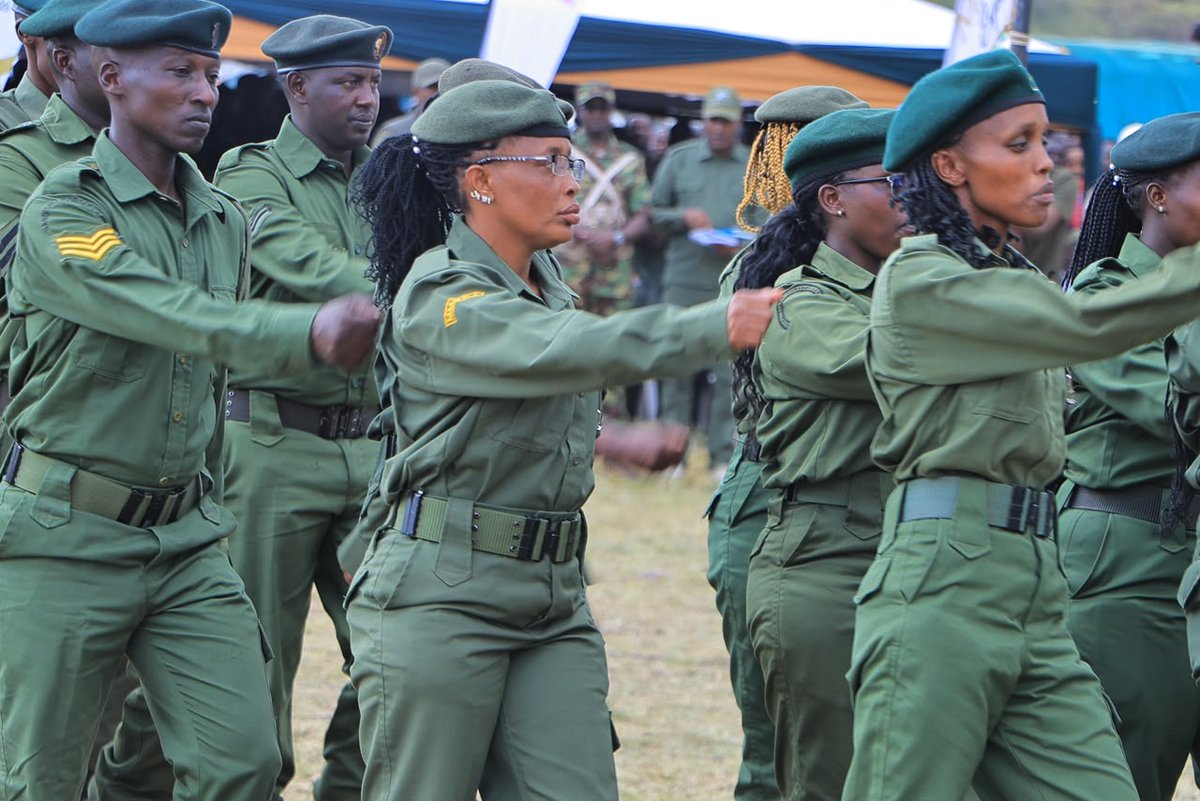
This year, we joined partners in commemorating the day with a colourful celebration held at Oloolaimutia, Narok County, bringing together rangers, conservancies, government leaders, conservation partners, and the local community to celebrate the invaluable contribution of rangers to the protection of the Greater Maasai Mara Ecosystem.
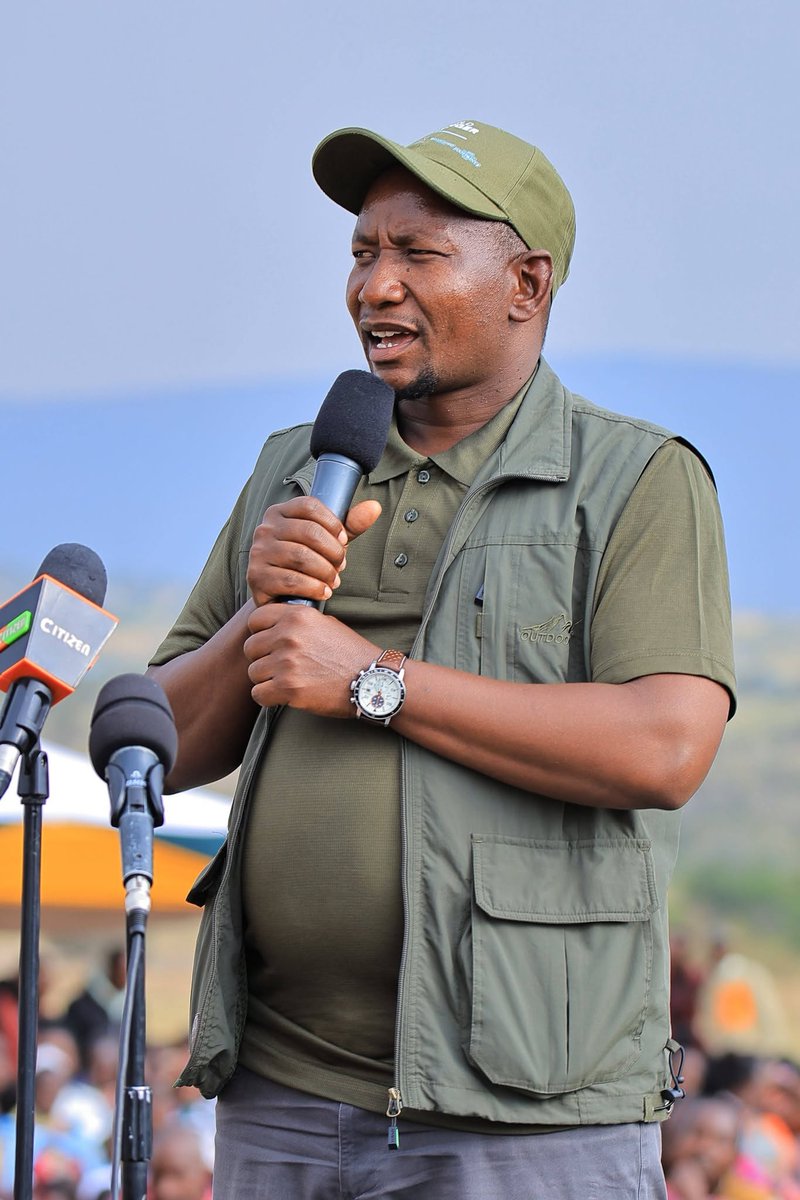
A highlight of the event was the recognition of rangers who sustained injuries in the line of duty. The rangers, both from the Conservancies and the Maasai Mara National Reserve, were honoured by H.E. Patrick Ole Ntutu, Governor of Narok County, in recognition of their courage, resilience, and unwavering dedication to safeguarding the Mara's landscape.
The celebrations also marked a historic milestone for community conservation with the official enactment of the Narok County Wildlife Conservancies Act, 2026. The new legislation represents a significant achievement for community conservancies, providing a legal framework for them to access funding from the County Government.
The Act is expected to strengthen the long-term sustainability of community-led conservation by reducing reliance on tourism revenues and donor support, which have historically been the primary sources of funding. The vulnerability of this funding model became evident during the COVID-19 pandemic, when the suspension of tourism significantly affected conservancy operations.
County funding will help community conservancies become more resilient by supporting critical conservation activities, such as land lease payments, expansion of land under conservation, employment and welfare of rangers, protection of wildlife corridors, and improved management of the Greater Maasai Mara Ecosystem.
As MMWCA celebrated World Ranger Day 2026, the occasion underscored the importance of strong partnerships, supportive policies, and sustainable financing in securing the future of community-led conservation in the Maasai Mara.
For many years, accurately determining the leopard population in the Greater Maasai Mara Ecosystem has remained a significant challenge. Existing population estimates have largely relied on sightings and the identification of individual leopards at specific locations, resulting in limited scientific data and creating a notable gap in the wildlife status reports.
This gap is set to be addressed through a new long-term research initiative led by the Roman Wildlife Foundation, under the leadership of Papa Chui. The study seeks to generate reliable scientific data on leopard populations across the Greater Maasai Mara Ecosystem, providing critical information to guide conservation planning, research, and wildlife management.
The proposed research will cover the entire Greater Maasai Mara Ecosystem. Partners shall agree on both monetary and non-monetary benefits arising from the collaboration, ensuring that the research contributes to biodiversity conservation, scientific knowledge, and the interests of local communities and institutions.
Once finalized, the Prior Informed Consent (PIC) and Mutually Agreed Terms (MAT) agreements will define the rights, responsibilities, and benefit-sharing arrangements among the providers—the Maasai Mara Wildlife Conservancies Association (MMWCA), the County Government of Narok (CGN), and the Kenya Wildlife Service (KWS)—and the users, namely the Roman Wildlife Foundation and Maasai Mara University. These agreements are a key requirement in facilitating the research permit process.
A stakeholder meeting held at Sarova Mara Camp brought together representatives from the County Government of Narok, led by the County Executive Committee Member (CECM) for Tourism, Mr. Simwoto, and the Chief Officer for Tourism, Sammy N'dorko. Also in attendance were the Chief Park Warden, Assistant Chief Park Warden, Tourism Officers, members of the Joint Research Permitting Clearance Committee (JRPCC), whose role is to facilitate the research permitting process, and representatives from our team.
The initiative marks an important milestone in strengthening collaborative wildlife research within the Greater Maasai Mara Ecosystem. By generating robust scientific data on leopard populations, the project is expected to support evidence-based conservation, inform wildlife management decisions, and deepen understanding of one of the most elusive cats.
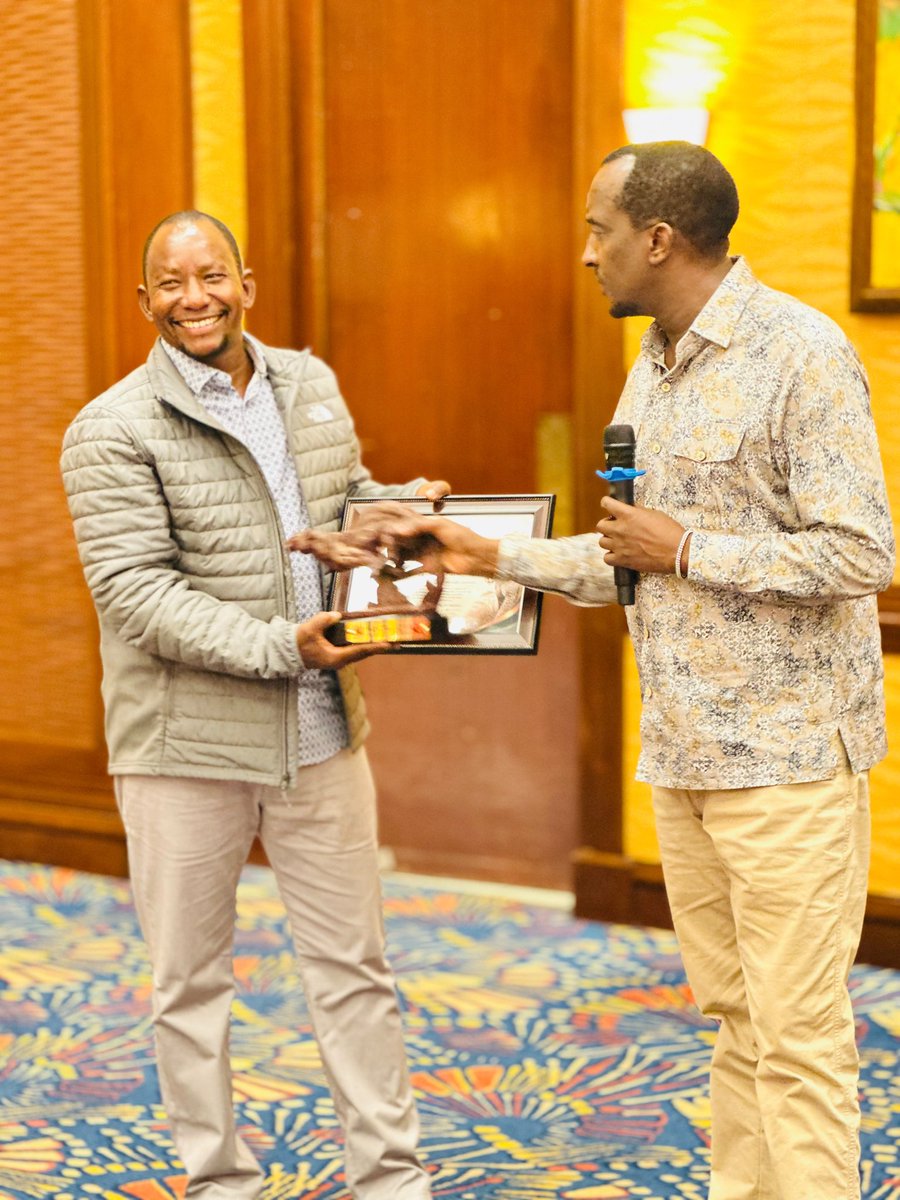
We are once again honoured to be recognised by the County Government of Narok for our partnership in conserving wildlife, empowering local communities, and preserving the rich natural heritage of the Maasai Mara ecosystem.
At a meeting convened by the County Government, stakeholders from across the Maasai Mara landscape came together to review the progress made in implementing the Maasai Mara National Reserve Management Plan (MMNRMP) and the Greater Maasai Mara Ecosystem Management Plan (GMMEP) . Our CEO Daniel Sopia provided a status update on the implementation of the GMMEP where MMWCA is the lead implememtor.
The forum also provided an opportunity to discuss emerging issues affecting the landscape and to chart a collective path forward for its sustainable management.
This recognition reaffirms the importance of strong partnerships in advancing conservation. By working together with government, communities, and fellow stakeholders, we remain committed to safeguarding the Mara landscape for present and future generations.
Our Annual General Meeting was more than a governance meeting—it was an opportunity to reflect on a year of progress and strengthen our shared commitment to community-led conservation in the Mara landscape.
From stronger conservancy governance and youth engagement to female ranger programmes and partnerships that improve community livelihoods, we’re proud of what we’ve achieved together.
We also appreciated hearing directly from our member conservancies and partners, including updates from the One Mara Carbon Project. Open dialogue like this keeps communities at the heart of conservation.
Thank you to our members, partners, donors, and stakeholders for walking this journey with us. Together, we're securing a resilient future for people, wildlife, and the Mara landscape.
Preparations for the Naboisho Conservancy elections are well underway.
Led by our Programmes Lead, Daniel ole Muli, our team has successfully engaged members across all nine clusters—Aitong, En'donyio Erinka, Talek, Olesere, Sekenani, Mararianda, Olare Orok, Ole Moncho, and Nkoilale.
During the engagements, cluster membership registers were verified, and members were taken through the election guidelines to ensure a transparent, inclusive, and well-informed electoral process.
The next step will see all candidates invited for clearance ahead of the elections scheduled for 27th June.
These efforts reflect our commitment to strengthening conservancy governance, accountability, and democratic participation.
#ConservationGovernance #NaboishoConservancy #CommunityLeadership #MaraConservancies
This World Environment Day, we reaffirm our commitment to making conservation work for communities and wildlife—creating a future where both thrive together.
This week, we engaged with the Naboisho Conservancy Landowners Trust Board of Trustees and conservancy management during a workshop in Naivasha focused on implementing the Trust Deed (Constitution) ahead of the June conservancy elections.
Led by our Chief Programs Officer, Daniel ole Muli, the sessions focused on strengthening compliance, governance, accountability, and landowners’ participation in exercising their democratic rights.
These engagements align with our commitment to building inclusive, resilient, and well-governed conservancies across the Mara landscape.
#ConservationGovernance #CommunityLeadership #MaraConservancies #InclusiveConservation
“It is not capacity that communities lack, but access to the right kind of funding and partners.” - Dickson Ole Kaelo
Conservancies have the space, what they need is to be financed well to make them effective.
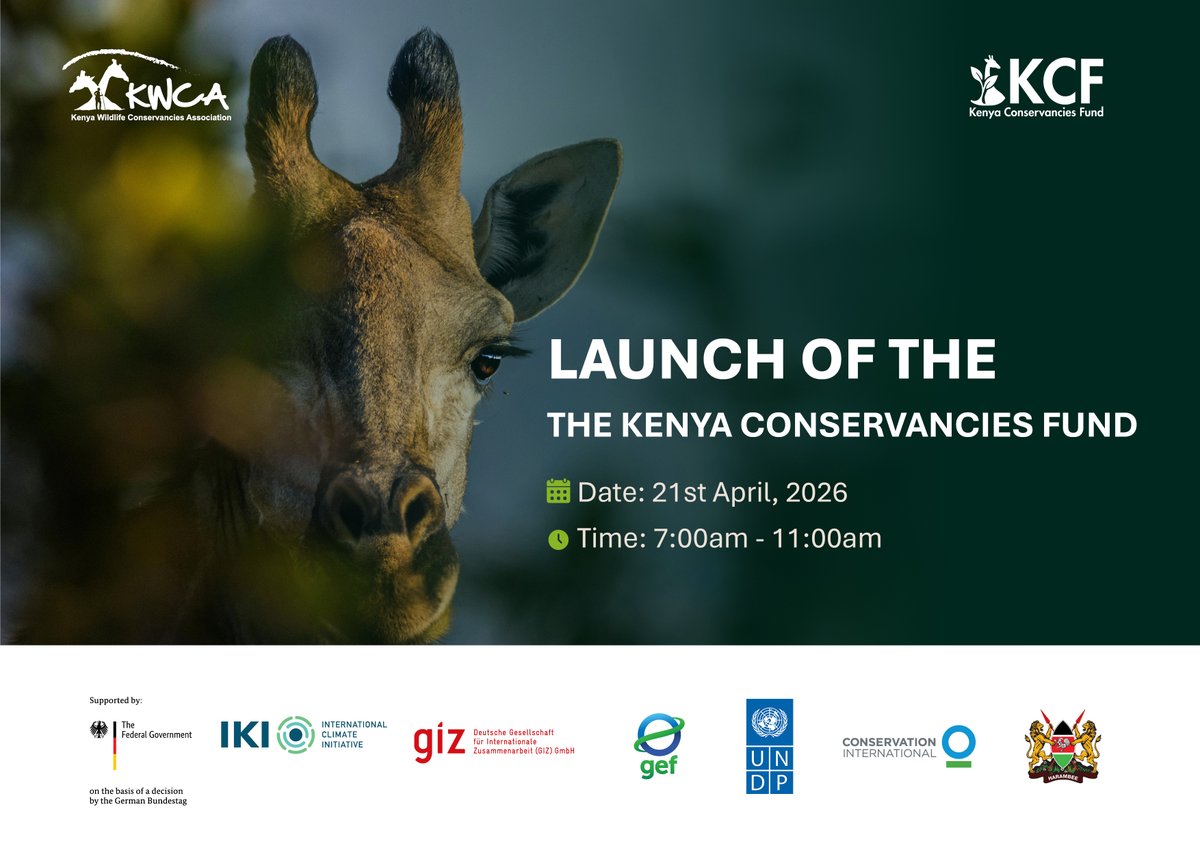
This is why we are launching the Kenya Conservancies Fund.
It is an opportunity to come together for a common goal to preserve a shared resource.
A new chapter for conservation is taking shape in the County of Narok.
Together with the County Government of Narok and partners, including the Kenya Wildlife Conservancies Association, we have been supporting the development of the Narok County Wildlife Conservancies Bill 2026—a transformative step towards strengthening conservation and community livelihoods in the County.
The Bill seeks to:
a) Recognize, promote, support, and facilitate the establishment, sustainability, and development of conservancies in the County;
b) Provide an opportunity for collaboration with other partners to provide technical support to conservancies;
c) Support conservation education awareness and capacity building, and promote good governance and management of conservancies; and
d) Provide mechanisms for intermediate financial support for families and victims of wildlife attacks and losses.
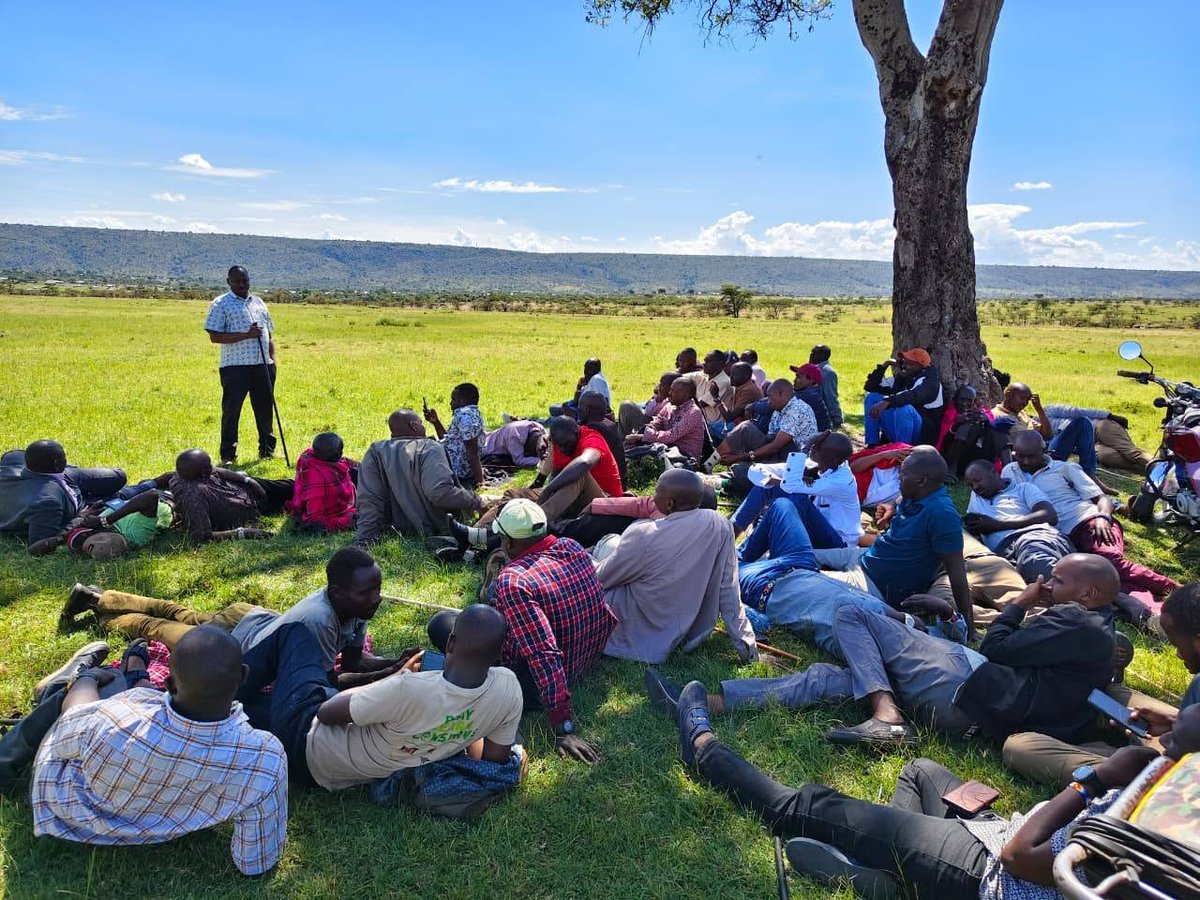
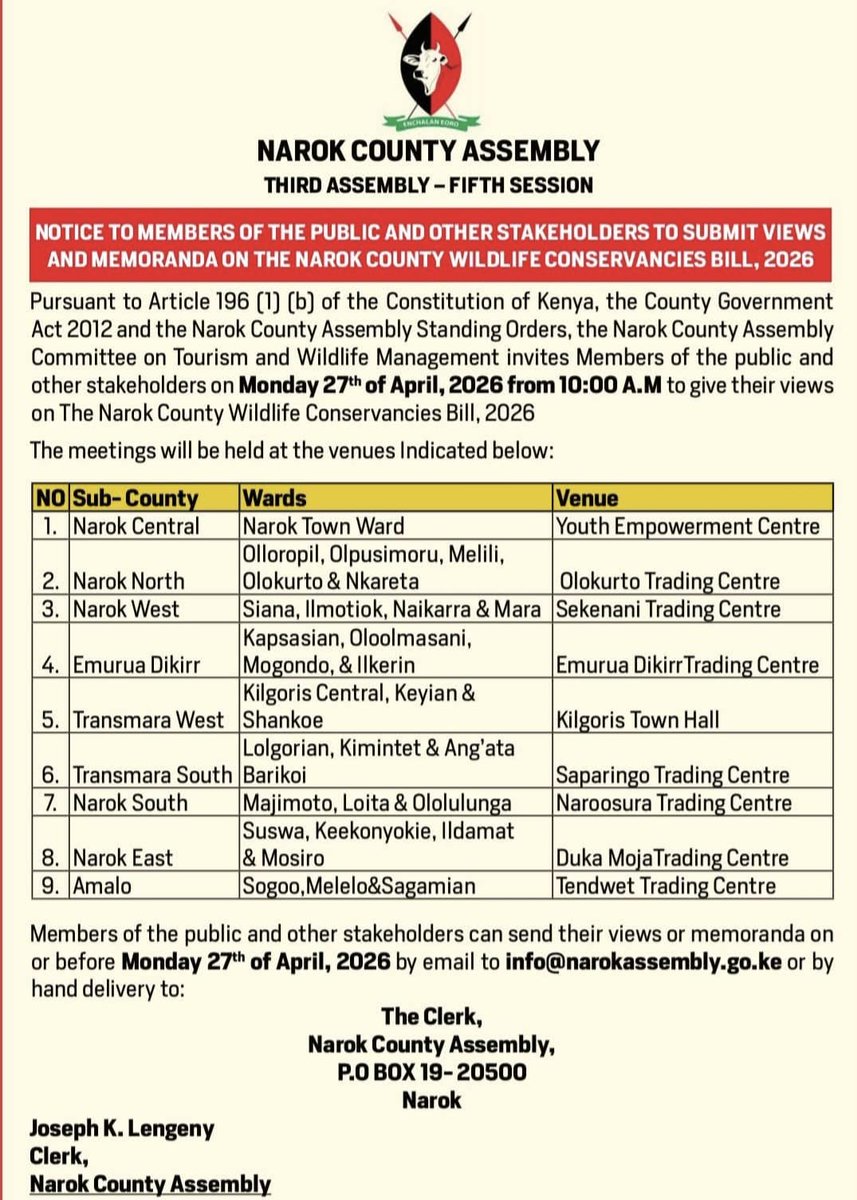
Please join the public participation forums organised by the Narok County Assembly and share your views, experiences, and ideas.
Check the attached 👇poster for dates and venues near you.
Yesterday marked the close of the IMARA program—a 7-year initiative driving community-led conservation and climate resilience across the Mara ecosystem.
Through partnerships with @WorldVisionKE, SIDA, Govt of Kenya & others, IMARA strengthened livelihoods, restored ecosystems, improved governance & empowered women and youth.
In Narok, the impact is clear: better water access, sustainable grazing, stronger conservancies, and inclusive conservation.
We remain grateful to all partners and communities who made this journey possible. The legacy continues.
In partnership with the One Mara Carbon Project (OMCP), we continue to engage with the youth from the Mara landscape on their involvement in conservation