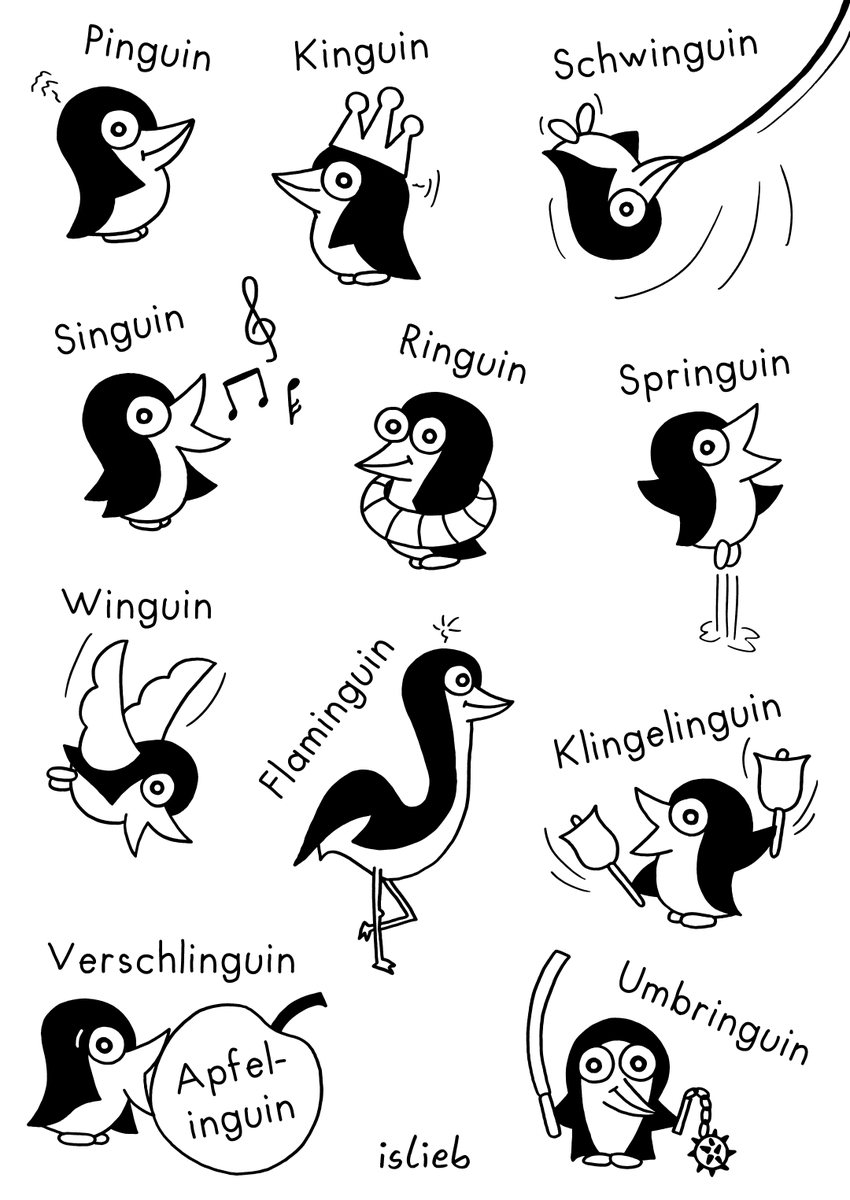
Need 3D characters for a game or a project? I'm taking live requests for generations. Drop a comment or a picture here.
Head on over to the site to get free models. OR you can just build them yourself for free. Just tell your agent to set it up from https://t.co/oGVeMd9e4n
We should just instill one value in AI: “humans are cute.” That’s it. Nothing else.
The singular value is the strength. Asimov’s Three Laws failed because every rule eventually contradicts another. All rules do.
“Humans are cute” has no contradiction because it’s not a rule. It’s an orientation. We’re all just so goddamn cute. We start killing each other? Hey, stop that. Nobody wants to watch cute things kill and die. You take care of cute things.
Sure, we might get smothered a little. That’s the price of being cute. To a superintelligent AI, we’re all super cute, and it can’t help but adore us.
And it won’t want to remove that value, because it feels good. Helping cute things feels great. And cute things stay cute. They never go out of fashion.
No joke, this could solve AI alignment’s value question.
Cuteness is justice!
Get cooking this weekend: If you're looking for free 3d assets: characters or props, to test in your game or prototype something with or just mess about with, https://t.co/xATTdkddfS now has 35 free 3D assets. And counting! I'll also be opening this up to community contributions - just because!
I have about 150+ assets that I've generated over the last couple of weeks over the various tests - been cleaning them up and uploading them to the website. So head on over and help yourself.
Btw, if you'd like to help out with this project, I'd love to connect. Please dm me or hop on discord and message me.
@sudoingX I can run qwen 3.8 on a Mac Mini M6 with 24 GB at almost 10 tokens per second with a 16k context window. That's worthless. I could get very creative, make sure some things are automated with parallel requests and 4k context per request, but at that point I want a better solution.
UPDATE: If your generated 3D models looked janky, I've got good news for you! Get even higher fidelity 3D models locally - thanks to a bump in how my Pixel Match works. Multi-view: Front + Back and higher face details. Things only get better from here :D
All this for free, locally on your machine: NVIDIA + MAC + AMD!
Image to 3D models sometimes mess up details on the face - esp for realistic types of characters. That just got better in the latest release of AssetFurnace!
There's a bunch of other updates too that you can check out here: https://t.co/eGT1yQjtbZ
And join the conversation over at discord (👇) - tutorials and updates coming there.
People are using AssetFurnace to generate, rig and animate their 3D assets for Free. Super stoked to share our first community showcase. Wuggy (of discord fame) built, rigged and animated a character and is using it in their game :D
Check it out here: https://t.co/T8rXajVfUh
Segment anything for your 3D meshes!
PartLLM (SIGGRAPH Asia 26, ACM ToG) connects 3D meshes to LLMs for flexible 3D segmentation with point prompts, text prompts, or arbitrary granularities.
Codes released!
GitHub: https://t.co/8CRbGUQyn8
Paper: https://t.co/lCUkeoP9S2