JMBBM is concerned with the mechanical deformation, damage and failure under applied forces, of biological materials. Editor-in-Chief Markus J. Buehler @MIT
Human creativity has advanced the way we understand the world & produced scientific and artistic work. However, it is difficult to relate knowledge from disparate domains of information quantitatively and mechanistically. In a new paper we report a method to discover such salient relationships between disparate information domains in an unsupervised fashion, without knowledge of pairing or domain.
The video visualizes the bidirectional translational mechanism as applied to music and proteins. The audio displays an amalgamated self-assembled musical dialogue between note sequences generated by J.S. Bach in 1741 and amino acid sequences encoded in a protein, leading to a form of counterpoint music.
Read the paper published in @Patterns_CP (open access): https://t.co/YKohTryJg4
@ArtsatMIT@MIT_SCC
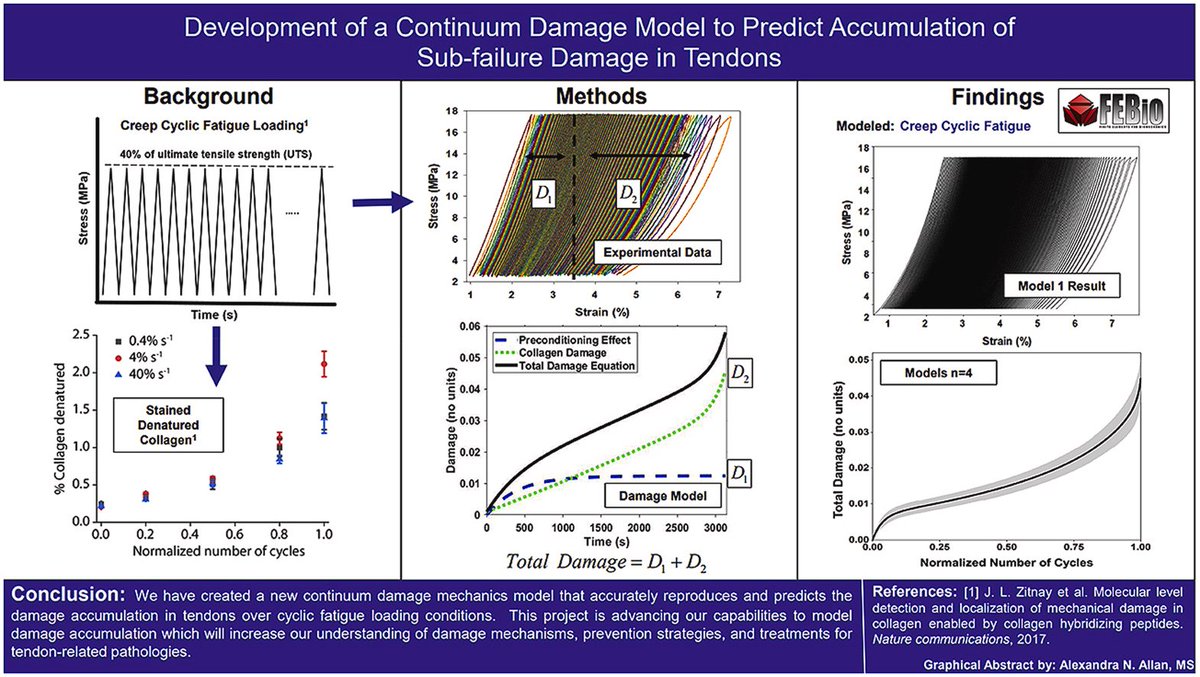
Very pleased to share this work using continuum damage mechanics to predict tendon fatigue damage by my MS student Alexanda Allan! Just published in @mechbiomat and available for download, https://t.co/C1VioKTgzr @UtahBME@uusci@SteveAMaas@FEBioSoftware
How to prevent fracture?
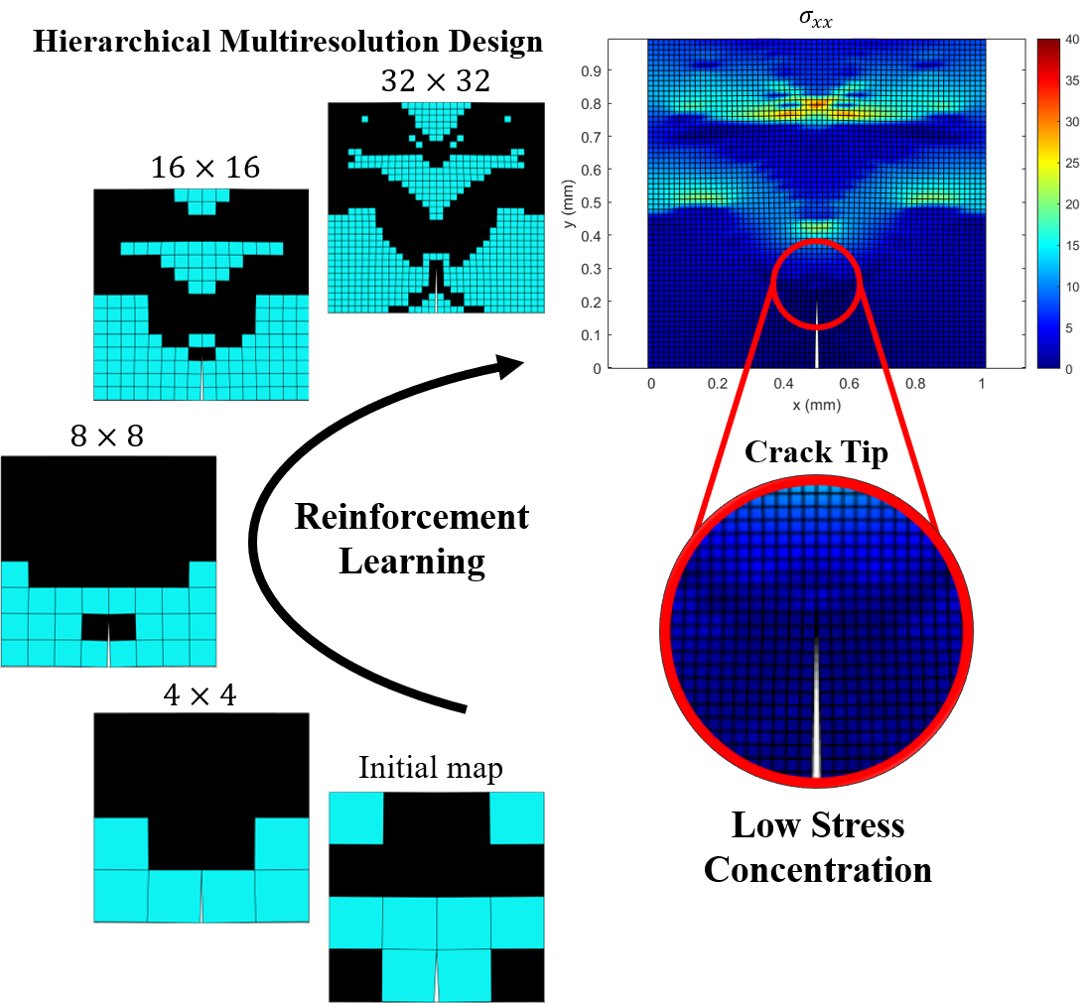
Excited to share new work: Hierarchical Multiresolution Design of Bioinspired Structural Composites Using Progressive Reinforcement Learning, just published in Adv. Theory. & Sim. @AdvSciNews
Read the full paper here: https://t.co/SjAboK1OKa
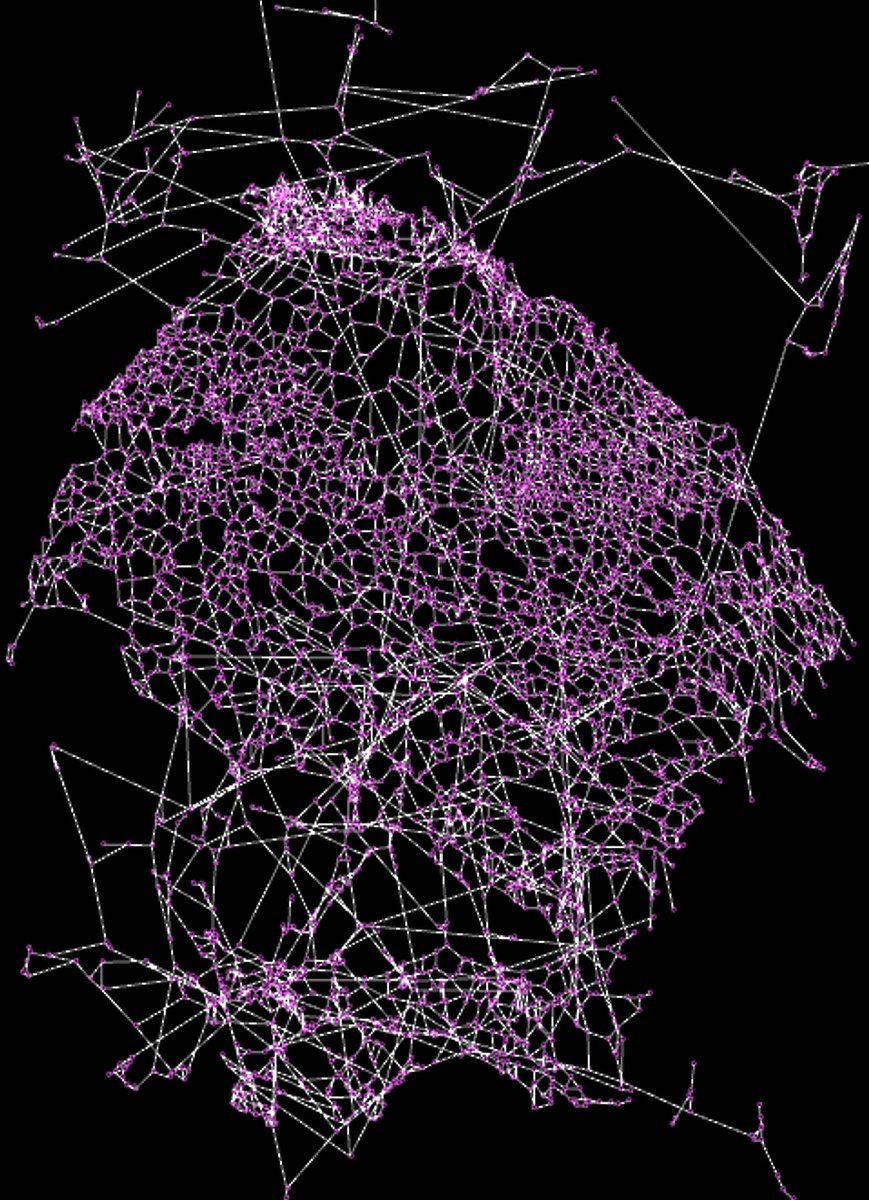
In new research from our lab reported in the J. Appl. Phys., led by grad students Wei Lu & Zhenze Yang, we report a new computational method to create synthetic 3D spider webs using a combination of multiscale modeling, graph & transformer neural networks
https://t.co/W2LBJzLhnZ
I deeply appreciate this recognition! It would not have been possible without the support from my colleagues at @MIT the amazing current & past students & postdocs, & my advisors and mentors I had the pleasure to work with and learn from. This award is also for them!
THANK YOU!
Thank you! It would not have been possible without the support from my colleagues at @MIT and the amazing current and past students and postdocs I had the pleasure to work with over many years. This award is also for them!
With deep appreciation, THANK YOU!
Day 4 today at Predictive Multiscale Materials Design: molecular modeling dynamic materials failure, language models for material informatics, and nanotechnology #MultiscaleMaterialsDesign
Interested in performing in situ mechanical with Synchrotron tomography? Avoid common mistakes and loosing precious beam time... Take a look at the guidelines we have just published in @mechbiomat! https://t.co/hwTh64fxdY @insigneo@MultiSimAward
Please RT:
The deadline for World Congress of Biomechanics is next week Dec 15 in Taipei (Dec 14 in the US). Please submit to our Growth and Remodeling session in the Tissue Engineering track. There is a virtual option and travel awards for students! 👇#biomechanics
I am pleased to announce that our paper "Magnetic Resonance Imaging-based biomechanical simulation of cartilage: A systematic review" is published on @mechbiomat and will be free access until January 27, 2022, under the following link:
https://t.co/I38QL7PFir
Happening NOW! Join via zoom or YouTube
Zoom: https://t.co/6N2shHzu1C
YouTube: https://t.co/Kq4jcEZDFj
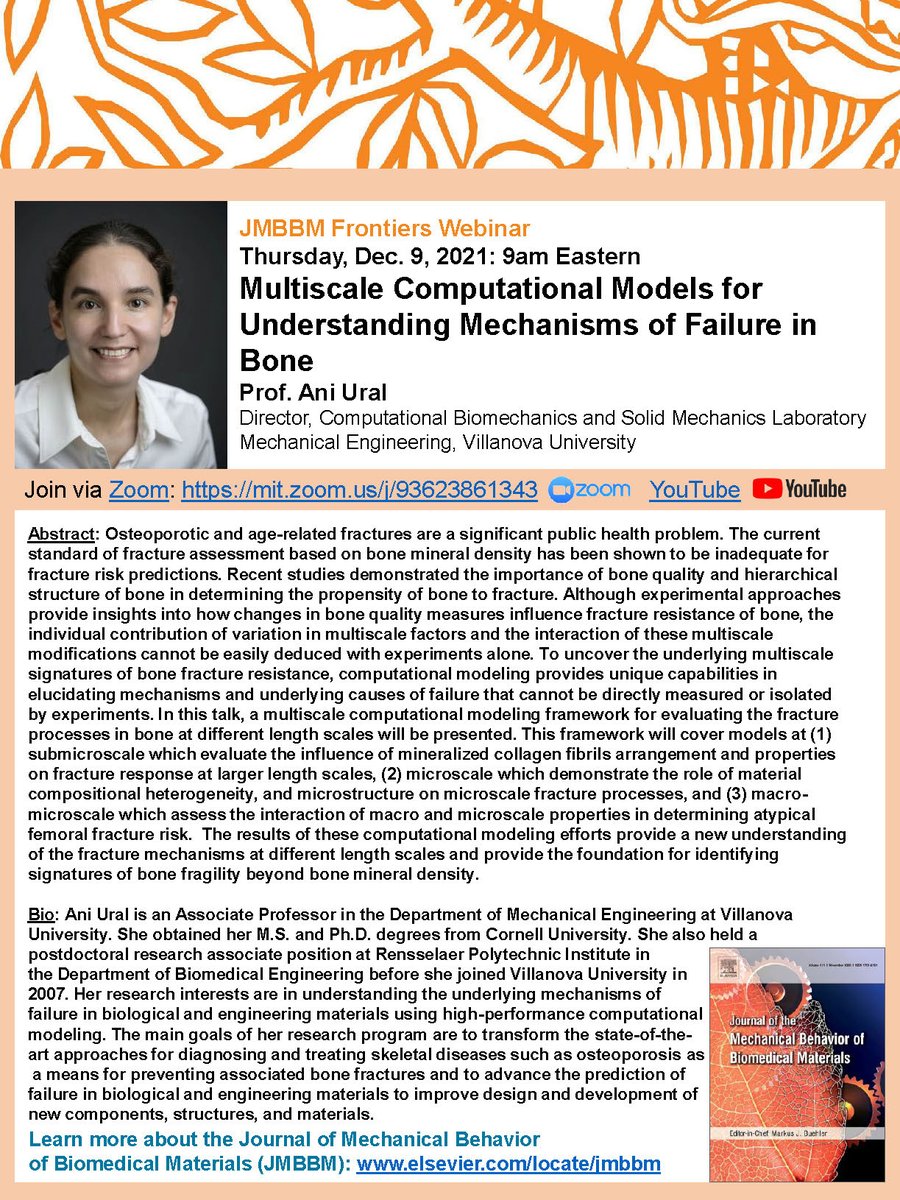
Professor Ani Ural: “Multiscale Computational Models for Understanding Mechanisms of Failure in Bone”
Join this Thursday for Professor Ani Ural's JMBBM Frontiers Webinar:
“Multiscale Computational Models for Understanding Mechanisms of Failure in Bone”
Watch via zoom: https://t.co/6N2shHR5qc
Livestream via YouTube: https://t.co/Kq4jcEI2NL