Arabs began the slave trade in Africa in 653 AD via the trans-Saharan and Indian Ocean routes
It was started by Abdullah ibn Saad (Egypt Governor) with Nubia (Sudan).
It lasted until the 20th century, and 10-18 million people were enslaved, many dying along the way.
At that time, aprox 7 million women and 4 million children were enslaved.
It was the world's largest slavery trade
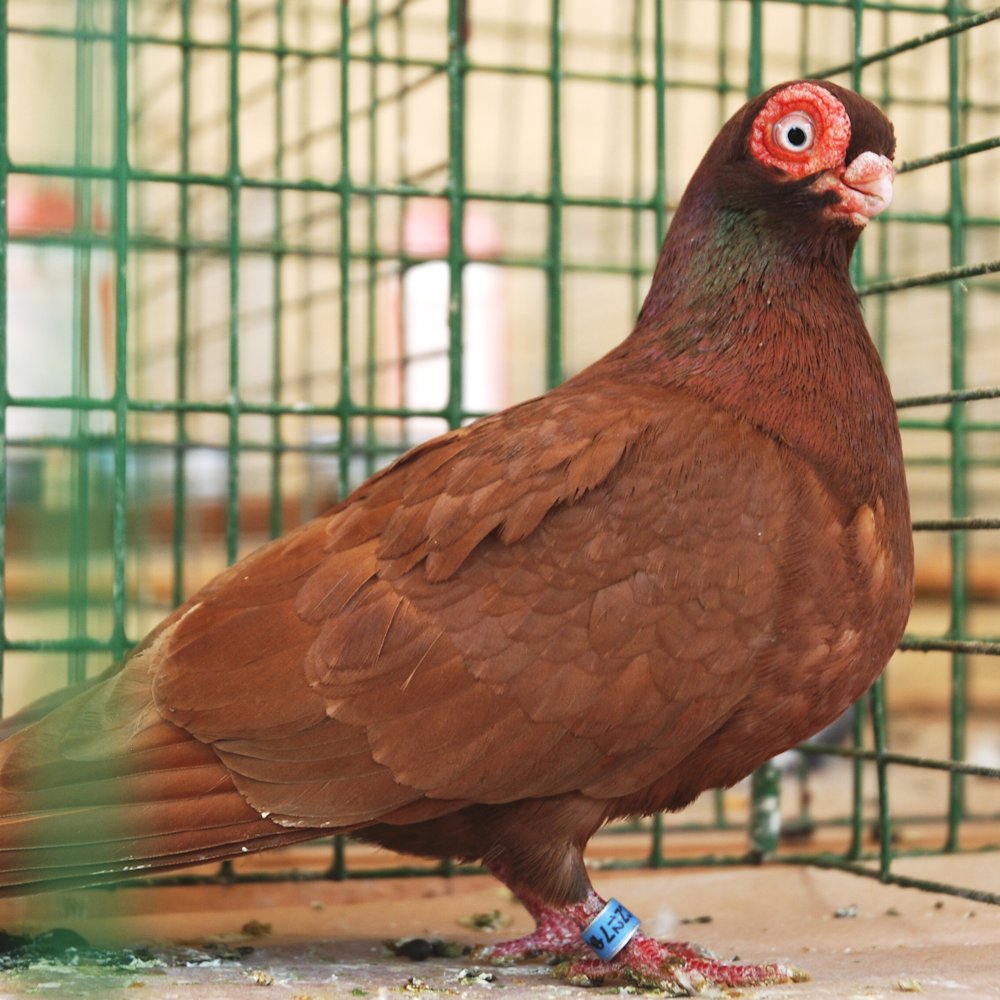
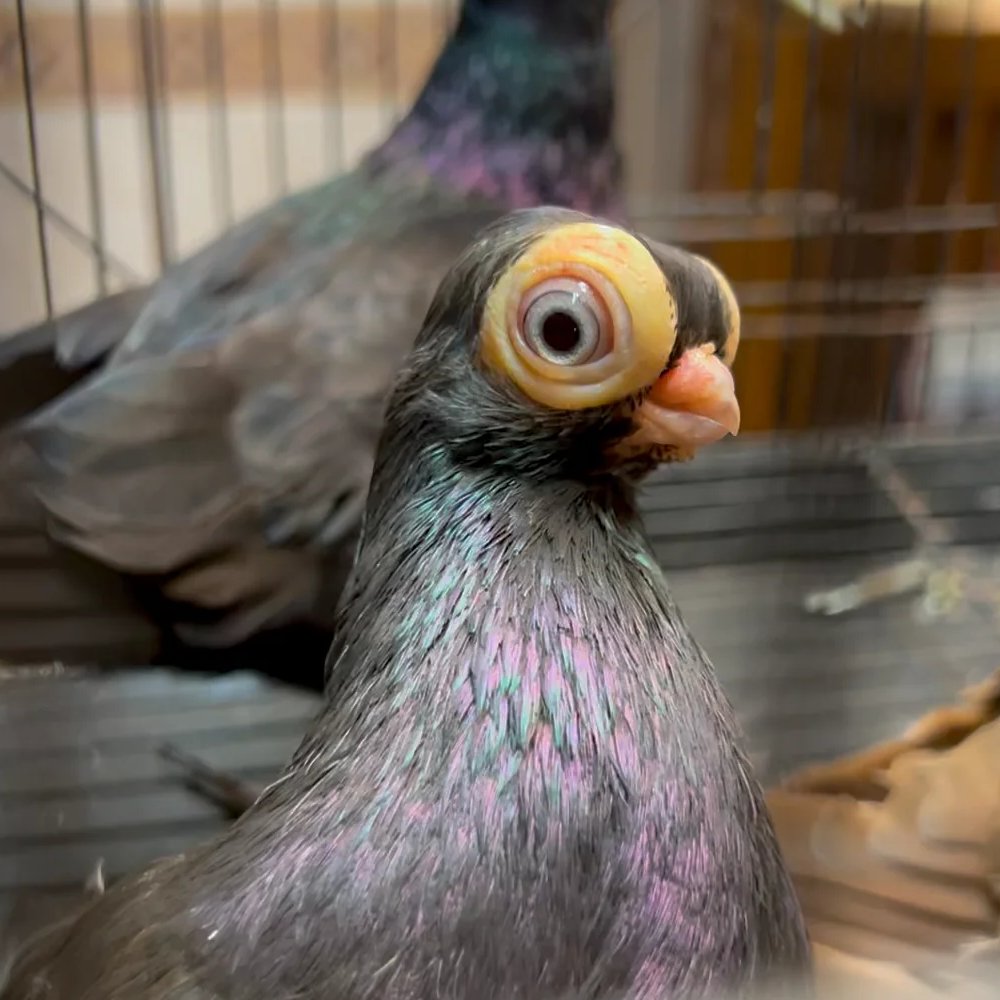
The Budapest Short-faced Tumbler stands out for one reason
Its oversized eyes and tiny beak give it one of the most distinctive faces of any pigeon breed
Neera Arya (1902–1998): A Life of Extraordinary Sacrifice
Neera Arya was married to Shrikant Jayaranjan Das, a CID Inspector serving under the British Indian government. According to accounts associated with her life, she killed her own husband to save Netaji Subhas Chandra Bose from an assassination attempt.
Neera Arya served as a soldier in the Rani of Jhansi Regiment of the Indian National Army (INA). The British authorities also accused her of espionage. She became known as “Neera Nagini” for her unwavering courage and defiance.
After the surrender of the INA, trials were held at the Red Fort. While many INA prisoners were eventually released, Neera Arya was sentenced to transportation for life (“Kala Pani”) on charges related to the killing of her husband. During her imprisonment, she was subjected to severe physical and psychological torture.
After India gained independence, she lived a life of hardship, earning her livelihood by selling flowers. Despite her sacrifices for the nation, she refused to accept any government pension or financial assistance.
Neera Arya also wrote an autobiography. One of its most moving passages recounts her imprisonment:
“When I was transferred from Kolkata Jail to the Andaman Islands, we were confined in the same cells that had housed other women political prisoners. Every night at 10 p.m. we were locked inside. There were no mats, blankets, or bedding. As I lay on the cold floor, I wondered how freedom could ever be achieved from this remote island in the middle of the sea, where even the most basic necessities were absent.
Sometime around midnight, a guard silently threw two blankets into the cell. The sound of the blankets hitting the floor woke me. Though I felt humiliated, I was at least relieved to have something to cover myself.
At sunrise, I was given khichdi, and a blacksmith arrived to remove my chains. While cutting the shackles from my wrists, he sliced some of my skin. As he worked on the irons around my feet, he deliberately struck my bones several times with a hammer.
I finally protested, ‘Are you blind? Why are you hitting my feet?’
He replied, ‘We can strike your heart too. What will you do?’
I answered, ‘I am in chains. What can I possibly do?’ Then I spat at him and said, ‘Learn to respect women.’
The jailer, who was standing nearby, said sternly, ‘You will be released if you tell us where your Netaji Subhas is.’
I replied, ‘He died in an air crash. The whole world knows that.’
The jailer snapped, ‘Netaji is alive. You’re lying.’
I answered, ‘Yes, Netaji is alive.’
‘Then where is he?’
‘He lives in my heart.’
My words enraged him. ‘Then we will remove Netaji from your heart,’ he shouted.
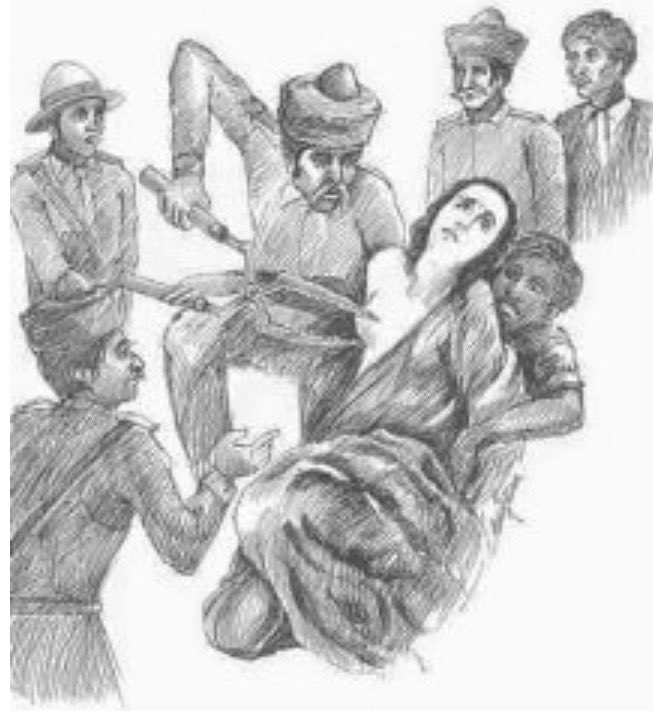
He grabbed my clothing and tore it open. Then he signaled the blacksmith, who picked up a large clamp-like tool and pressed it against my right breast as though to cut it off. The tool was blunt, but the pain was unbearable. Holding my neck, the jailer threatened, ‘If you speak again, we’ll tear both these balloons from your chest.’
Then, striking my nose with a pair of tongs, he sneered, ‘Be grateful to Queen Victoria that we didn’t heat this tool in fire. If we had, both your breasts would have been ripped off completely.’”
Neera Arya’s life remains remembered by many as one of extraordinary courage, sacrifice, and unwavering devotion to India’s freedom struggle. Even after independence, she chose a life of dignity over privilege, earning her living through honest work rather than accepting state benefits.
This is real footage from 120 years ago.
None of the people in it knew that the city around them had four days left...
What you are watching is a cable car gliding down Market Street in San Francisco, filmed on the 14th of April, 1906.
The camera was mounted on the front of the car, so you see the city exactly as it was: the crowds, the horse-drawn carriages, the early automobiles weaving through traffic, the men in hats, the great buildings rising on either side. An ordinary spring afternoon in a thriving American city.
Four days later, on the morning of the 18th of April, a magnitude 7.9 earthquake struck. The shaking lasted under a minute, but it ignited fires that burned through the city for days...
By the time it was over, more than 3,000 people were dead and roughly 80 percent of San Francisco had been destroyed. Almost every building you see in this footage was gone.
And the film itself nearly went with it.
The negative was placed on a train bound for New York on the 17th of April, the day before the earthquake. Had it left a single day later, it would have burned in the fire along with the studio that made it.
This entire moving record of a lost city survives because of one day...
Muslim propagandists are losing their minds over Citizen Vigilante.
For three years they spread the most disgusting lies about October 7th, celebrated the massacre of Jews, demonized Israel with blood libels, and weaponized every false accusation they could find.
Now that a movie is showing the truth about what their communities are actually doing in Europe, grooming gangs, violence, and crime, they’re suddenly screaming about “incitement” and “far-right propaganda.”
Cry me a fucking river.
You spent years bullying and dehumanizing a religious minority based on lies. Now the same energy is coming back at you based on truth, and you can’t handle it.
You abused Western freedom of speech to spread hatred. Now you’re tasting the consequences.
This is just the beginning. Drink from the same cup.
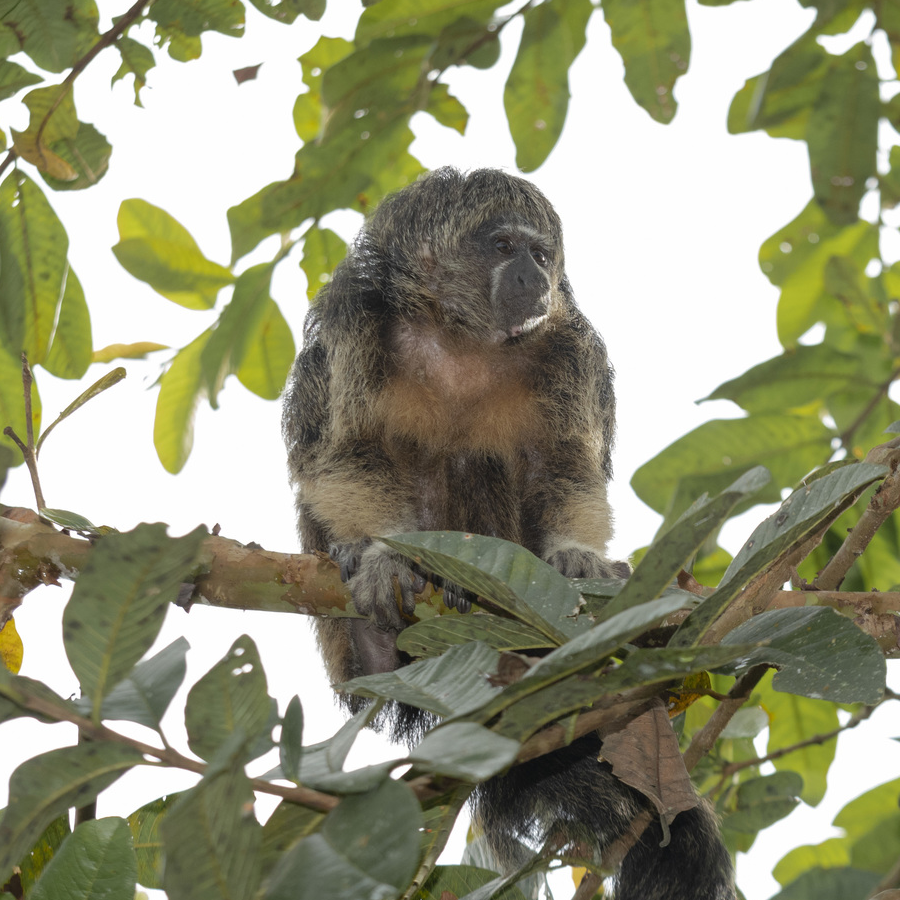
After more than 80 years, Vanzolini's saki was finally seen alive again
Researchers rediscovered the rare Amazon monkey deep in the rainforest after decades without a confirmed sighting
Among the most heartbreaking exhibits at Auschwitz are the children’s shoes. Each pair belonged to a child with a name, a family, dreams, and a future. Seeing them together is a reminder that behind every number was a human life.
@mr_sheikhz@ImtiazMadmood You are not fooling anyone, I will give you surah, hadith from authentic source to prove you wrong in 1 min. We all know, you religion is fraud and disgusting like fake muhammad.