I'm a cardiologist. I've had my hand on the human heart for more than twenty years. I've felt it race with fear and go still with grief. And somewhere along the way I stopped believing the thing they taught me in medical school — that the heart is only a pump.
The heart is a witness. It keeps a record of everything we were too afraid to feel.
Let me tell you about a patient. I've changed her details, but the truth of her is exact.
She came into the ER gripping her chest, certain she was dying. Her EKG was alarming. Her cardiac enzymes were up. We rushed her to the cath lab expecting a blocked artery.
We found nothing. Her coronaries were pristine. Beautiful, even.
What she had was Takotsubo cardiomyopathy. We call it broken heart syndrome. Under a surge of overwhelming stress, the heart muscle balloons and fails — mimicking a heart attack down to the last detail, with no blockage at all. The artery is innocent. The grief is not.
When she was stable, I pulled a chair to her bed and asked her a quiet question. Not about cholesterol. About her life.
And it came pouring out of her.
She was the one everyone leaned on. The daughter who never said no to her aging parents. The mother who never said no to her grown children. The wife who never said no, period. She had spent fifty years being everyone's reliable vessel — and had not, in her own words, "taken a full breath in decades."
Her arteries were flawless. Her heart had simply had enough of holding what she would not put down.
I have thought about her for years. Because she is not the exception. She is most of us.
And here is the part I need you to understand — because it is not poetry, it is physiology.
Swallow yourself for forty years and your body keeps the score. Your sympathetic nervous system stays quietly switched on. Cortisol runs high. Blood pressure climbs. Inflammation smolders in the vessel walls. Heart rate variability — one of the truest signatures of a resilient heart — narrows and stiffens.
Her ballooned heart was not a metaphor. It was her body doing the math on a lifetime of unspoken no.
We think we are burying our feelings. We are not. We are storing them — in our arteries, in our sleep, in the tension we carry so long we forget it isn't part of us.
Two hundred years ago the Kotzker Rebbe said a thing I can now confirm on an echocardiogram: there is nothing so whole as a broken heart. He didn't mean it as consolation. He meant the heart that has been broken open is the only one large enough to hold the truth.
Rumi, from the other side of the world, said the same thing: the wound is the place where the light enters you.
Your broken heart is not your malfunction. It is your assignment. The break is where the light gets in — and where your light finally gets out.
So here is the one question I now ask before I write a prescription. It is so simple it embarrasses me that I did not learn it in medical school:
Where in your life are you not saying no?
Almost everyone knows the answer before I finish the sentence. There is a no you are swallowing right now — to keep the peace, to please someone, to stay the strong one, the reliable one, the one who never needs anything.
And every swallowed no is a small dose of stress hormone. A quiet tax on the heart. Paid daily. For years. Until the bill comes due in a cath lab, or a sleepless 3 a.m., or a body that suddenly won't cooperate and no one can tell you why.
If that question just landed somewhere in your chest — don't rush past it. That feeling is not nothing. That is your own heart, finally getting a word in.
My patient went home. She started saying no. Small ones first. Then real ones. She let people carry themselves for a change.
The last time I saw her, her blood pressure was down. Her sleep was back. And she laughed — a real, unguarded, surprised-by-itself laugh — right there in my exam room.
Her arteries were still perfect.
But now, so was her breathing.
You do not have to wait for a broken heart to learn what it came to teach you.
Call the friend you've been meaning to call for a year — call, don't text. Say the no you've been swallowing. Feel the thing you've been outrunning. And let yourself be happy anyway, even with the world on fire, because your joy was never a betrayal of anyone's pain.
The wound is where the light enters.
Your heart already knows the way home. It's just waiting for you to stop holding your breath.
I wrote and essay — the five regrets of the dying, why nobody was ever born a coward, and how the heart keeps its record — on my Substack:
https://t.co/MiWINSoKX3
@ICCCBengaluru@BBMPCOMM https://t.co/EviPyibYEP is the location with fresh photos . Kindly come and do a check yourself and I am sure you will take immediate action.
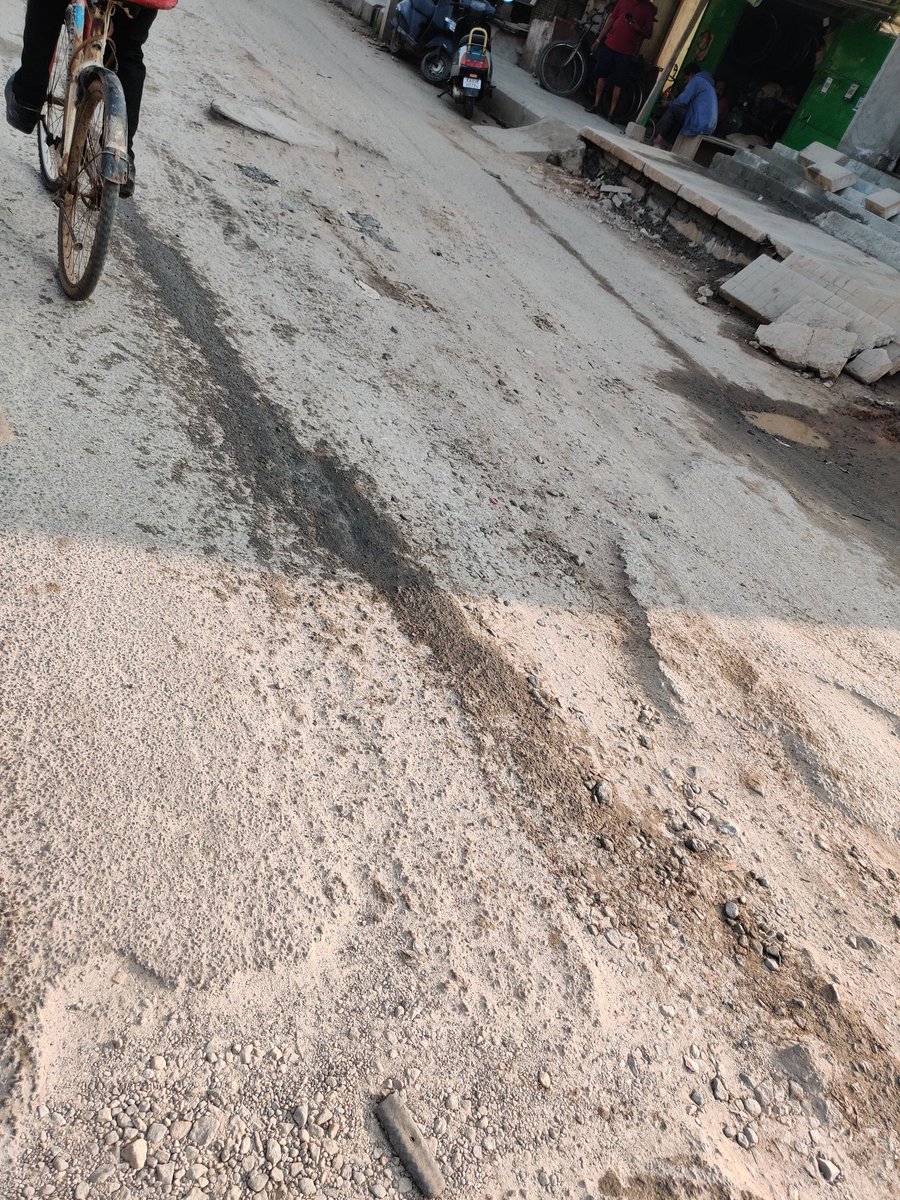
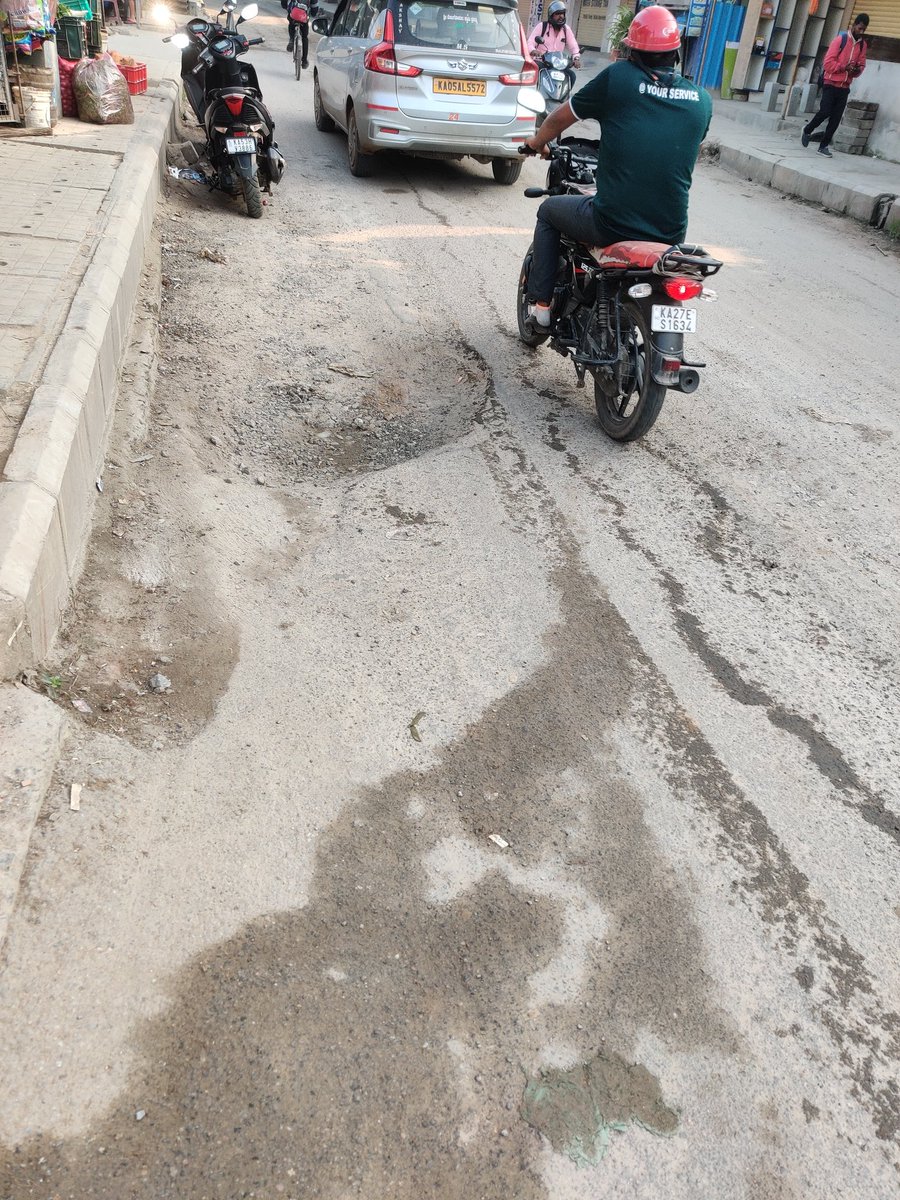
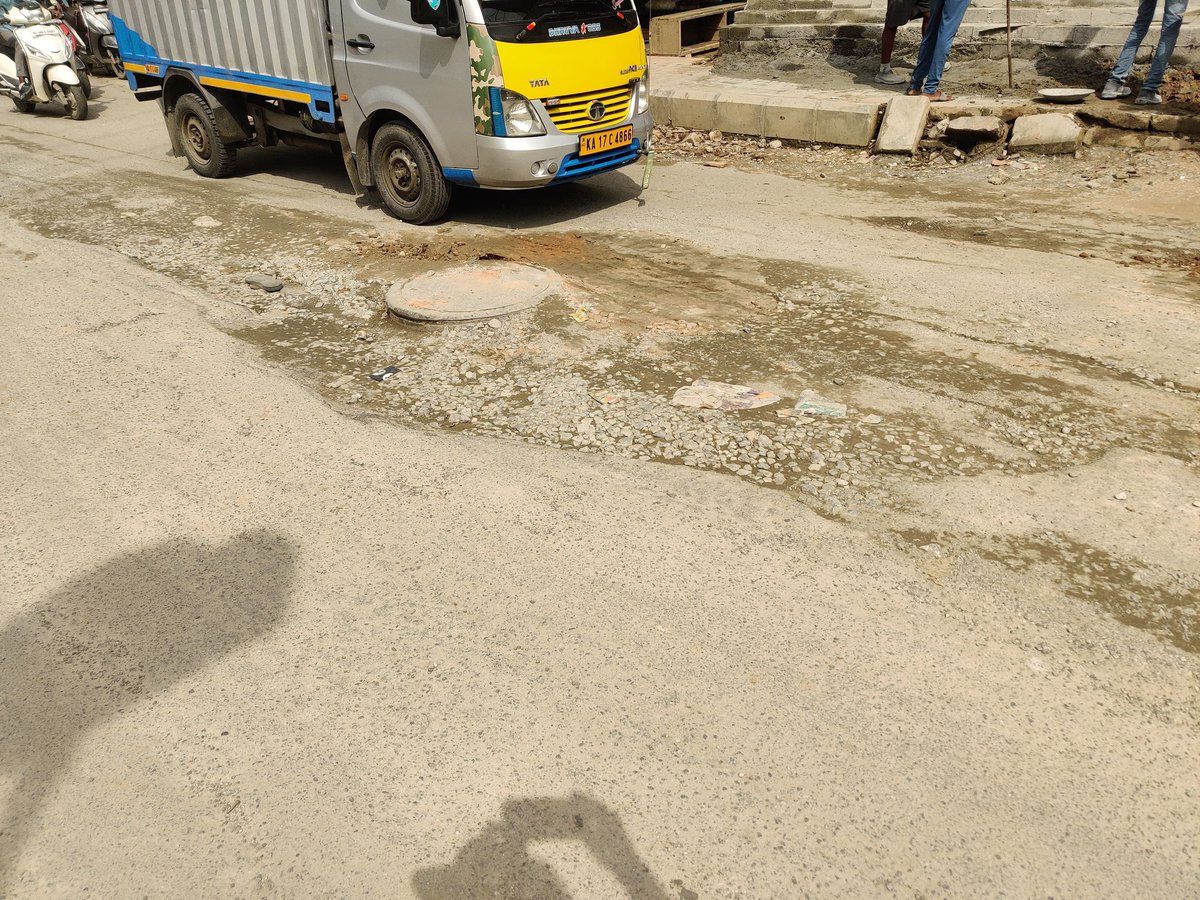
@MTF_Mobility@BBMPMahadevpura@WFRising@BBMPCOMM Sirs, condition of Goshala Rd is pathetic with huge crater sized pothole, garbage & traffic. Rd is ORR to Whitefield Mn Rd connector. No action till date. Kindly look into the issue &help citizens
@BBMPMahadevpura@BbmpEast - Garbage dumping on Goshala Rd, Mahadevapura on daily basis from adjoining PGs and individual low-rise houses. Why door2door collection is not happening? Breeding ground for diseases and strays. Kindly take action
@swaccha_bbmp@BBMPSWMSplComm
Garbage keeps getting dumped on Goshala road near Yaklaghatta lake opposite Purva Parkridge. The complaints on BBMP app results in clearing but the area is not fully cleaned so garbage appears again next day. The area has become unhygienic.
This remarkable painting is by Ajunath Sindhu Vinalay, a 9th Std boy in Thrissur, Kerala. Tired of hearing that his mother doesn't work, he painted her doing her various chores. His impressed teacher sent it to the Govt &It’s now the cover for the State’s 2020/21 gender document.
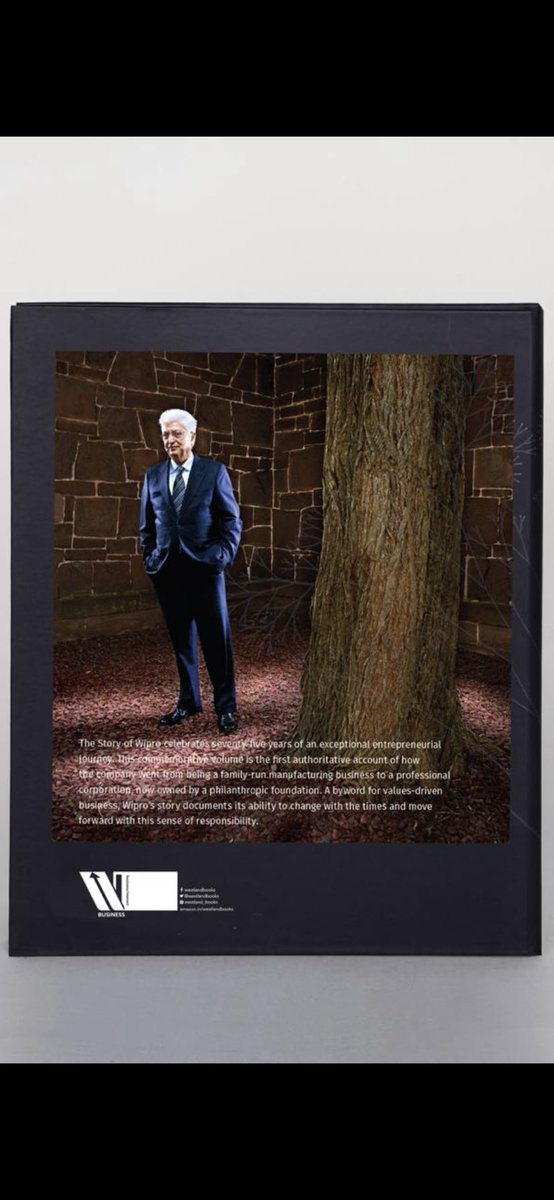
...That’s why The Story of Wipro is also the Story of Azim Premji. From a vanaspati Mftr to a diversified global business, built on a bedrock of solid values. I’m proud to carry forward this legacy. The Story of Wipro, to be published by Westland Business, to release soon. (2of2)
Companies can’t afford to address their employees’ cognitive capacities — their focus, time management, and critical-thinking skills — while ignoring their physical, emotional, and spiritual well-being. https://t.co/iEJqguMhm8
Leadership needs to act as a pressure controller between the three vessels of business goals, HR strategy and employee experience https://t.co/29siLRMiJv