In pheochromocytoma/paraganglioma, exploding genetic and molecular complexity means pathology is no longer just diagnosis - pathologists integrate histology, biomarkers & genetics to stratify risk and guide care. More essential than ever!
Read more:
https://t.co/QMBD89aVhs
Study of FTC- vs PTC-derived anaplastic thyroid carcinomas confirms distinct mutational patterns and supports a progression model of ATC development, arguing against a de novo origin. Read it now!
https://t.co/UWSx3C9bkf
A must-read in Endocrine Pathology: This review proposes a new classification system for neuroendocrine tumors of the prostate, addressing key gaps in diagnosis, terminology, and management. Stay informed! Link below:
https://t.co/p0opAcz6yt
Big news! Endocrine Pathology now holds an Impact Factor of 14.7 - ranking us #2 out of 90 pathology journals. A huge thanks to our authors, reviewers, and readers. Submit your outstanding research and be part of the momentum!
Not all adrenal cancers are created equal!
Oncocytic ACC may look intense under the microscope - but it plays nicer than conventional ACC. Smaller tumors, fewer recurrences, better survival.
But beware: High Ki67 or advanced stage? Still trouble.
https://t.co/2LLeWRYIK1
Busting the BRAF hype in papillary thyroid cancer!
This study of 301 PTC patients found BRAF p.V600E is common - but not a crystal ball for recurrence. What did matter? Big nodal disease & being male.
@nicolecipriani
https://t.co/c5Buc1TqM5
A study in Endocrine Pathology evaluates the use of pan-TRK immunohistochemistry (IHC) for detecting NTRK fusions in papillary thyroid carcinoma (PTC). The research highlights its correlation with histopathologic features and diagnostic utility.
https://t.co/eOndJF5iCE
@EndoPath
Biomarkers for anaplastic thyroid cancer are urgently needed, as these tumors often lose thyroid lineage markers. One promising option? SATB2! Here's why it could make a difference.
https://t.co/LM5EHEmTsk
Our journal features two ground-breaking papers in which a molecular link between well-differentiated NETs and high-grade NECs is proposed, arguing that a subset of well-differentiated cases may be at risk of progression!
https://t.co/rwLtXUt4mp
https://t.co/lYi3YlnXgq
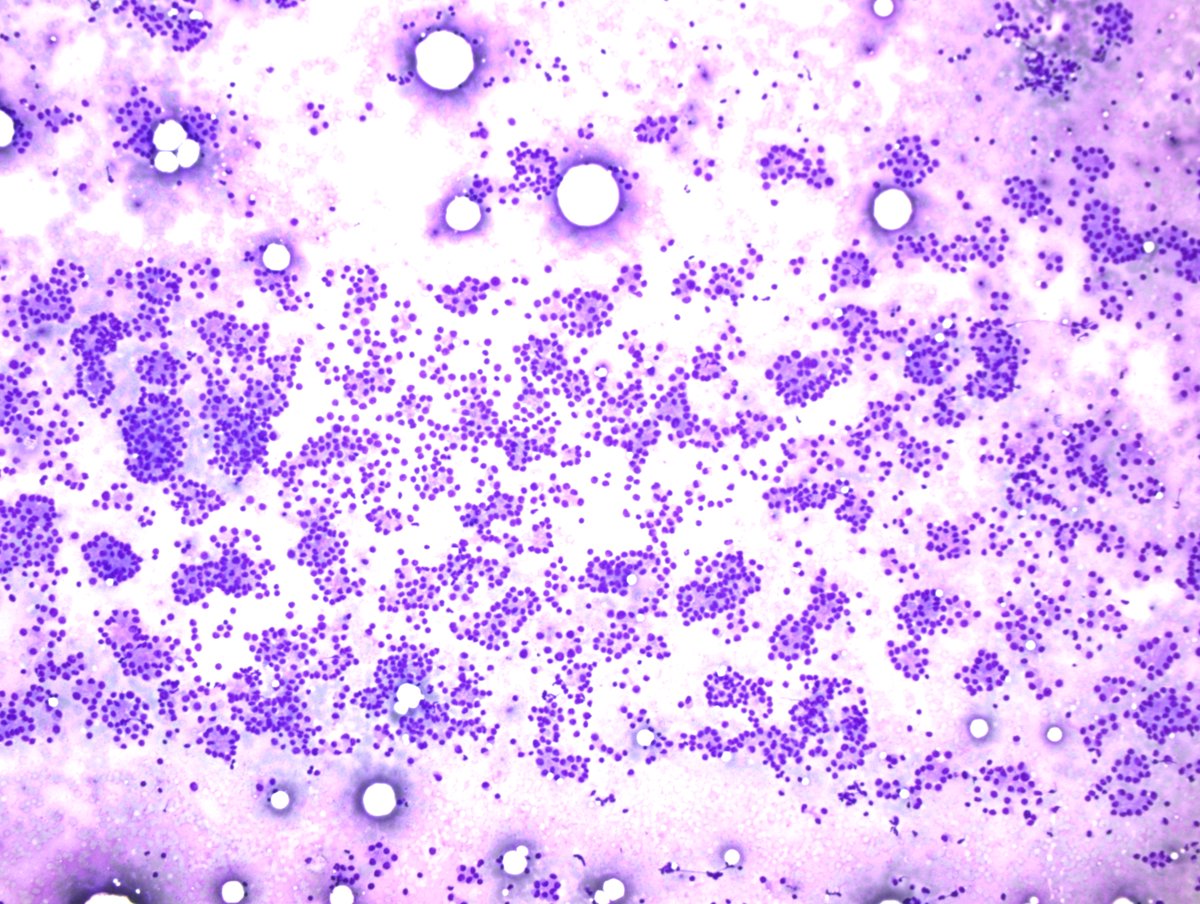
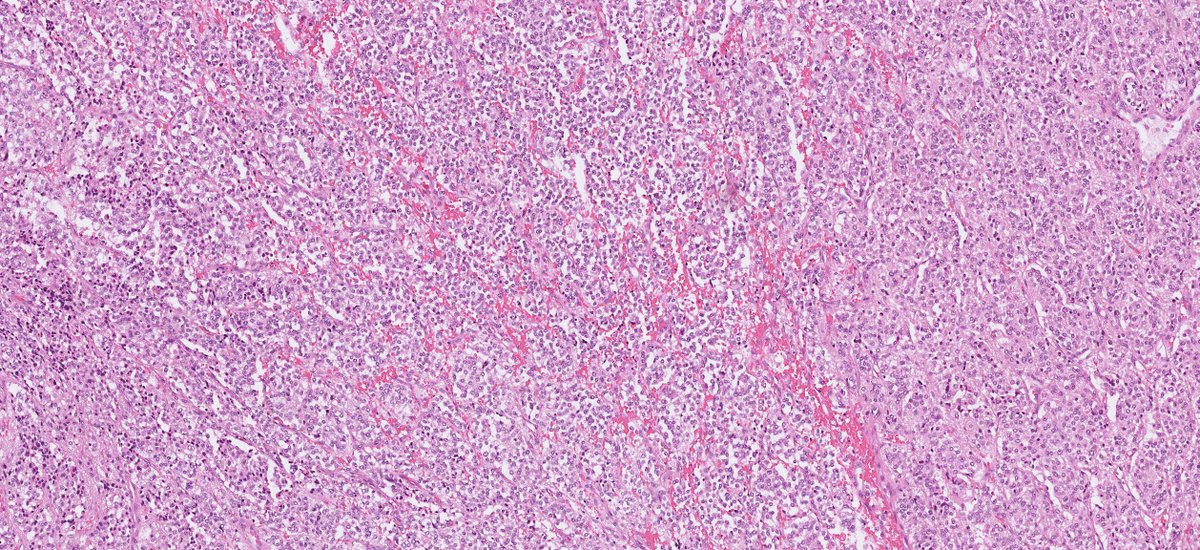
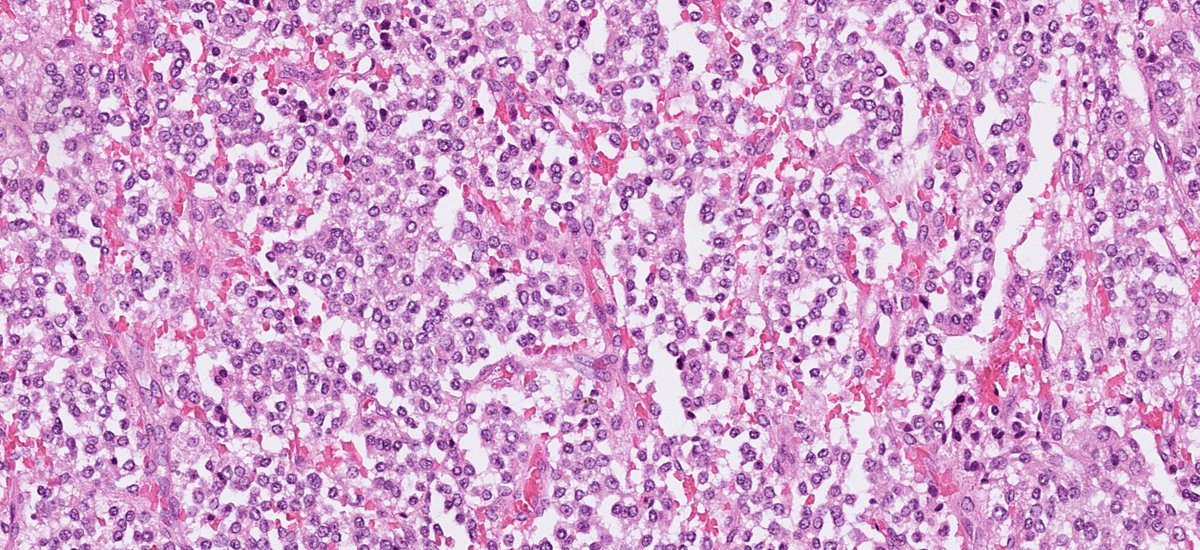
Retroperitoneal tumor adjacent to the VCI in a 40 y/o male. Surgical excision is performed.
Tumor is composed of nests and solid areas embedded in a highly vascular stroma, the cytoplasm is granular and partly vacuolated. Rather monotonous nuclei.
Follow the thread for more!
Editor-in-Chief Dr Ozgur Mete and @SpringerPath are granting temporary free access to our special issues articles until 15th Oct to disseminate the knowledge! ENPA is a high-impact (IF 11.3) journal dedicated to endocrine pathology, endocrinology and endocrine oncology. 🔬🧬✨
Submit your research to Endocrine Pathology for more than just our impact factor. With an experienced, friendly editorial team, a broad readership, and a lightning-fast median handling time of just 3 days from submission to decision, you'll experience quality like never before!
The 2023 JIF for Endocrine Pathology is 11.3! ⭐️ We are now the 2nd highest ranked journal among pathology journals, and within the top ten lists among endocrinology&metabolism!
Fast turn-around time, superb production and friendly editorial handling! Submit your article today!
Hot off the press! Dr Mete and co-workers have analyzed a large cohort of appendiceal NETs, and identify three (not two!) subtypes of clinical importance. Now in open access in @EndocrinePath! Link below!
@TheEndoSociety@SpringerPath@UKEPSoc
https://t.co/G1yPOW6xMd
Announcing a free @ISGynP live virtual special webinar on 06/06 by Drs. Ganesan, Soslow & Hodgson. A panel discussion with the experts! Audience can submit questions in advance at [email protected]. Register now at https://t.co/uIM5YcRQ6l #gynpath#pathtwitter#pathology