Si no te gusta Abelardo, vota por Fajardo
Si no te gusta Cepeda, vota por Fajardo
Si no te gusta Paloma, vota por Fajardo
No votes por cualquiera vota en primera por #FajardoPresidente#Fajardo en primera.
🔴 Los y las estudiantes de Colombia no pueden estigmatizarse. La educación debe ser un espacio para abrir oportunidades, construir futuro y formar pensamiento crítico, no para sembrar odios ni divisiones.
🇨🇴 Colombia necesita más diálogo, más respeto y más oportunidades para su juventud.
@sergio_fajardo
De las 5 mejores universidades en Colombia, las primeras dos son públicas. El desprecio por la educación de calidad es autodestructiva para una nación.
🚨¡Nueva arremetida contra la Ciencia y tecnología en Colombia! P.A.L 515 modificación del artículo 81 de la Constitución Política de Colombia 🧵https://t.co/UhOtqw5TsT
1/ There are so many bioinformatics databases 🤯 How do we find the corresponding genes and other related #data?
This #tweetorial will show you how to find the links from Ensembl to those other databases… 🧵
#genomics#bioinformatics#Ensembltraining 🧬
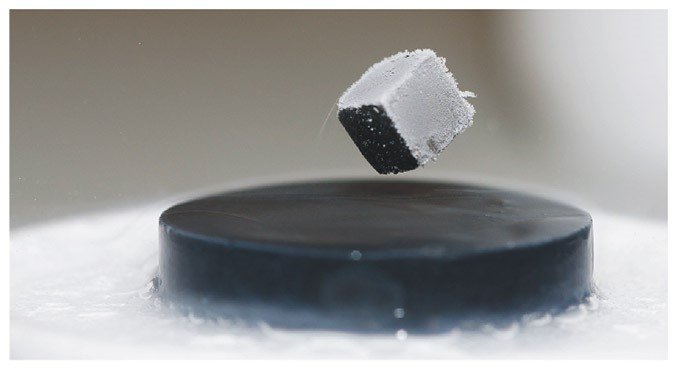
Tres científicos coreanos (Kim, Lee y Kwon) creen haber descubierto el material del siglo: un superconductor a temperatura y presión ambiente el LK-99. La historia detrás de la publicación del paper es mejor que los k-dramas de Netflix (puñalada trapera al final). 🧪🔬🗡️
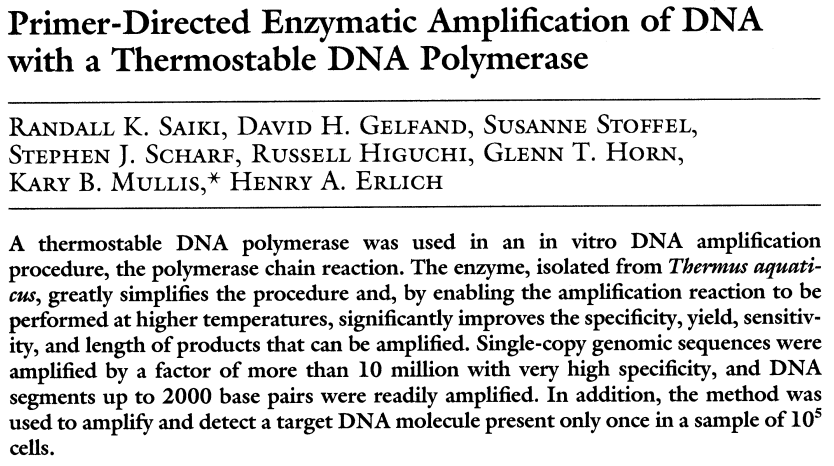
Day 10 of great papers in biology. The story of PCR.
"Primer-directed enzymatic amplification of DNA with a thermostable DNA polymerase," by Saiki R.K. et al.
***
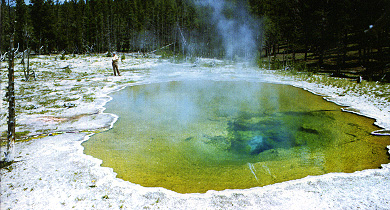
In 1969, Brock & Freeze discovered a bacterium, Thermus aquaticus, in two separate thermal springs: One in Yellowstone National Park and a second in California. (https://t.co/Yzd5xMbIqa)
(This article discusses the actual hot spring where it was discovered: https://t.co/cu6VvVrLVw)
In 1976, Chien, Edgar & Trela discovered that T. aquaticus expressed a DNA polymerase that could withstand very high temperatures. Its optimal performance was at 80 degrees C, far higher than the ~31 degrees C for DNA synthesis in human cells. (https://t.co/UOnsh9BqI4)
And then, in 1988, came the famous Kary B. Mullis paper (for which he'd later share a Nobel Prize). Saiki, Mullis, and others at the Cetus Corporation showed that the thermostable DNA polymerase from T. aquaticus could be used to massively simplify PCR. Prior to discovering the thermostable enzyme, PCR required that fresh enzyme be added during each cycle of DNA amplification.
"Because of the heat denaturation step required to separate the newly synthesized strands of DNA," the authors wrote, "fresh enzyme must be added during each cycle-a tedious and error-prone process if several
samples are amplified simultaneously. We now describe the replacement of the E. coli DNA polymerase with a thermostable DNA polymerase purified from the thermophilic bacterium, Thermus aquaticus (Taq), that
can survive extended incubation at 95C."
The paper made it possible to accomplish "cell-free molecular cloning" in about 3- to 4-hours, as opposed to "what might otherwise take days or weeks of biological growth and biochemical purification."
Brilliant paper, and a must-read for biology students.
https://t.co/TgyyZSlUXk
(Full text available here: https://t.co/fP8VAIN6Nl)
#ComunidadUNAL ¡Celebremos el Día de la Biotecnología! Para homenajear los avances científicos y las innovaciones del #TalentoUNAL que están transformando la medicina, la agricultura y muchas otras áreas cruciales de nuestra sociedad. | #SomosTransformaciónDigital#CulturaDigital
Genetic Engineering
1993 We were right, they were wrong.
2003 We were right, they were wrong.
2013 We were right they were wrong.
2023 We are right, they are wrong.
We have three decades of being trashed by enemies of science.
Why do people still believe them?
#GMO
@sofiapetroa@AndresPastrana_ Más Evidencia científica menos ideología y desconocimiento de lo que es riesgo, evaluación del riesgo, exposición, criterios toxicológicos y que es lo que evalúa la IARC