totally sucks getting projected or displaced upon like that. that’s why it’s important to become aware of our wounds and do our best to manage/heal them. so innocent people in our lives with good intentions don’t face the fire meant for people from our past.
when you are someone that has never and would never dismiss them, this can feel especially hurtful. you view it as, wow attempts could’ve been made to save this relationship or fix this problem and they weren’t. you were left in the dark based off of their own trauma response.
sometimes people don’t communicate when something you do bothers them because they don’t believe they’ll be met with respect/kindness. they’re afraid of getting shut down so badly that they’d rather not advocate for themselves or possibly stop talking to you than feel dismissed.
proud of myself for not losing faith in God or myself this summer. it was rough, i was sad but sometimes God makes us wait for the perfect opportunity. it’s best to not force it. patience is a virtue i’m learning.
if you express your feelings to someone that supposedly “loves” you & they minimalize your feelings or dismiss them — that’s a blatant refusal to communicate. listening and understanding are primary components of communication. no relationship can thrive without that.
you can be emotionally mature in some aspects & immature in others. you’re still human. you won’t always know what will trigger you until it does. i don’t strive to be perfect because that sounds more harmful than helpful. i strive to improve & feel great when i realize i have.
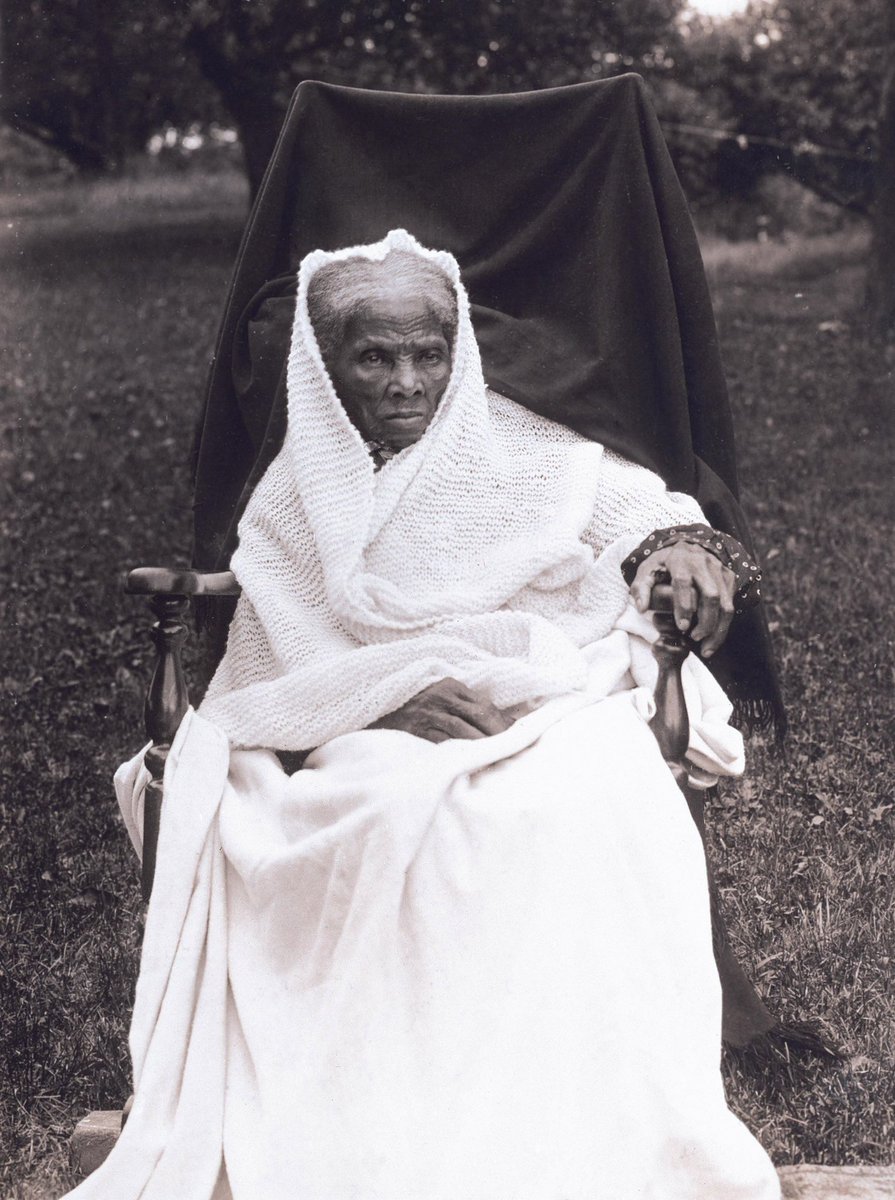
This photograph captures Harriet Tubman at her residence in Auburn, New York, in 1911, just two years prior to her passing. I only recently learned of her struggles with seizures, a result of a piece of metal lodged in her head.
As a teenager, Tubman endured a traumatic incident when a slaveowner struck her head with a 2-pound lead weight, originally intended for another fleeing slave. Tubman recalled this attack as "breaking my skull," leading to agonizing headaches and seizures that intermittently rendered her unconscious. Remarkably, despite these challenges, she remained dedicated to her work on the Underground Railroad and her service during the Civil War. Her reputation was so renowned that escaped slaves knew to wait patiently for her to regain consciousness if she ever collapsed, which she always did.
Additionally, Tubman carried a pistol, which she would wield when runaway slaves hesitated or considered giving up. With the pistol pointed, she presented them with a stark choice: continue their escape with her or face immediate death. Remarkably, she never lost anyone on the Underground Railroad.
After the Civil War, Tubman's efforts allowed her to contribute significantly to her community, aiding veterans and freed slaves. In the 1890s, she underwent brain surgery to remove the metal fragment from her skull. Surprisingly, she opted to forgo anesthesia, instead choosing to bite a bullet, emulating the Union soldiers she had seen endure amputations. In her own words, she described the procedure as the doctor "sawed open my skull, and raised it up, and now it feels more comfortable."
Years after her own escape from slavery, Tubman returned to rescue her enslaved husband, only to discover he had remarried and had no intention of leaving his new wife. Despite her initial frustration, Tubman chose not to create a scene and continued to lead numerous other enslaved individuals to freedom.
Her remarkable life came to an end in 1913, surrounded by friends and family. Her last words to those in the room were, "I go to prepare a place for you."