NEW INVITED PERSPECTIVE: Changing Places—How Moving Histories Can Help Map the Health Impacts of People’s Environmental Exposures ➡️ https://t.co/ZG9RdfnhTw @MeredithPedde @dubadar @umichsph
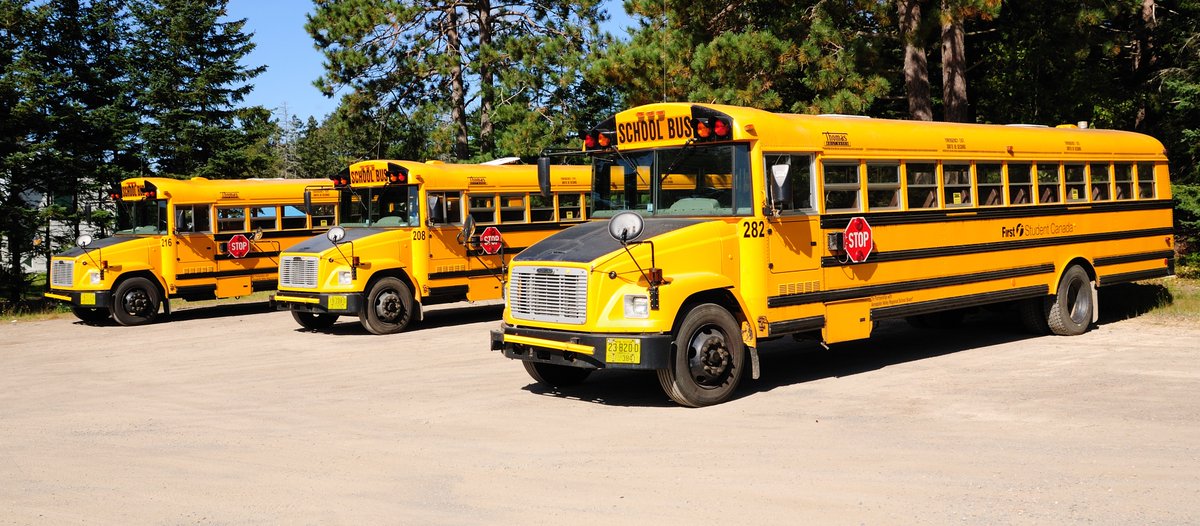
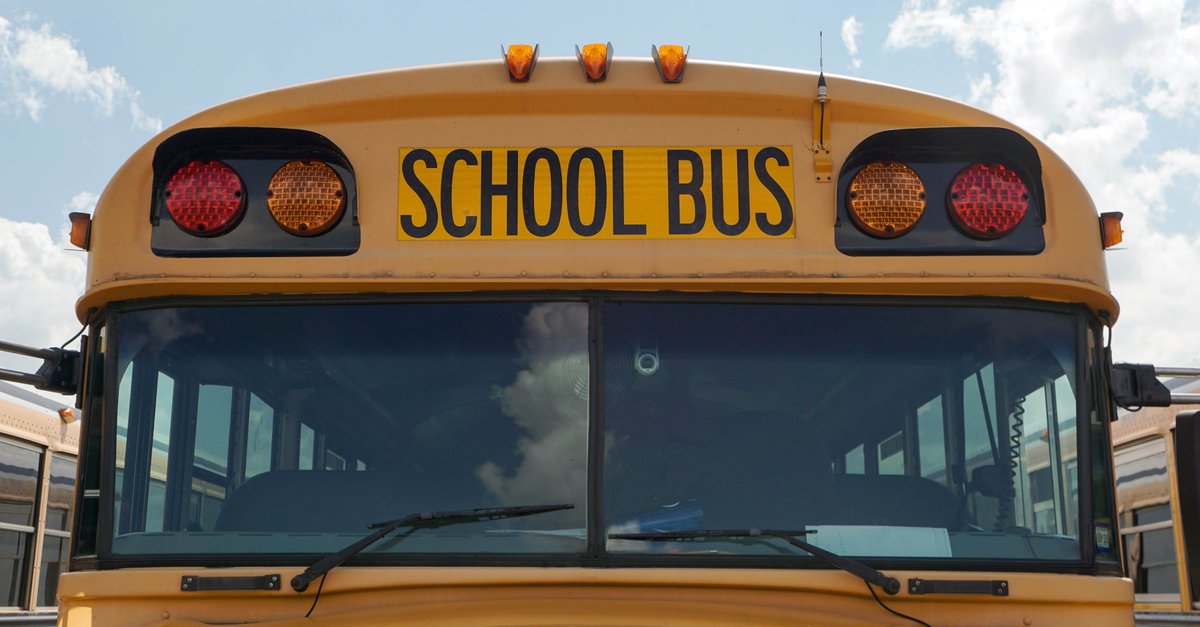
School districts randomly awarded EPA funds to replace old, highly polluting buses saw improvements in reading and language arts and math test scores, this study suggests. @meredithpedde @dubadar @richardhirth@umichsph@uwsph https://t.co/sC2pKpaseW
NEW RESEARCH: Coarse Particulate Matter and Markers of Inflammation and Coagulation in the Multi-Ethnic Study of Atherosclerosis (MESA) Population: A Repeat Measures Analysis ➡️ https://t.co/pd235WAf76 @MeredithPedde @dubadar @umichepid
The Department of Epidemiology is thrilled to introduce our newest Faculty member, @meredithpedde, Assistant Research Scientist. Her areas of expertise include: air quality, brain disorders, child health, environmental health and justice. Join us in welcoming Dr. Pedde! #GoBlue
1/10:Ever wondered how school bus type affects student attendance? A recent study by @MeredithPedde, Adam Szpiro, @RichardHirth, and @dubadar from @umichsph, and @uwsph published in @naturesustainab explores this question, focusing on the EPA School Bus Rebate Program.🚌🎒
A U-M study found that replacing the nation’s oldest school buses could lead to 1.3 million fewer absences per year by reducing exposure to diesel exhaust fumes, which can exacerbate respiratory illnesses and other conditions. More from @UMichiganNews: https://t.co/7buJ0pQJZT
A U-M study found that replacing the nation’s oldest school buses could lead to 1.3 million fewer absences per year by reducing exposure to diesel exhaust fumes, which can exacerbate respiratory illnesses and other conditions. More from @UMichiganNews: https://t.co/7buJ0pQJZT
Replacing all of the oldest school buses in the nation could lead to 1.3 million fewer daily absences annually, according to a new study from @UMichSPH's @MeredithPedde and @dubadar.
Read more ➡️ https://t.co/ensMVp1gMP @umichepid