Swede, wannabe Italian, Bad at classical guitar; anesthesiologist, Stanford and NIH trained. UCSF Faculty 30 years. Pupillometrist. Standard disclaimers.
The pupils are dilated in the dark while awake but paradoxically constricted in the dark while asleep. Giovanni Berlucchi (image - on right) explained this phenomenon (Arch Ital Biol 102:230,1964) and it has significant implications for monitoring the brain in the ICU.
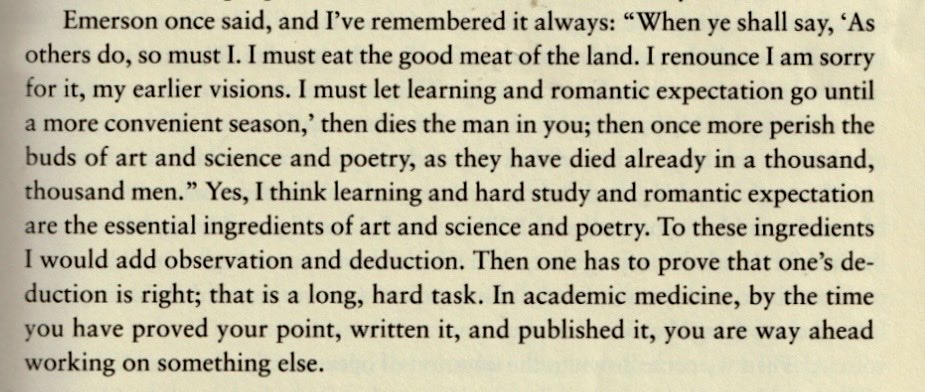
Helen Taussig, MD (1898-1986) was a partially deaf woman who knew about gender discrimination. But she admired the writings of Ralph W. Emerson and understood his message (image). Because of her work on pediatric heart disease she was awarded the Presidential Medal of Freedom.
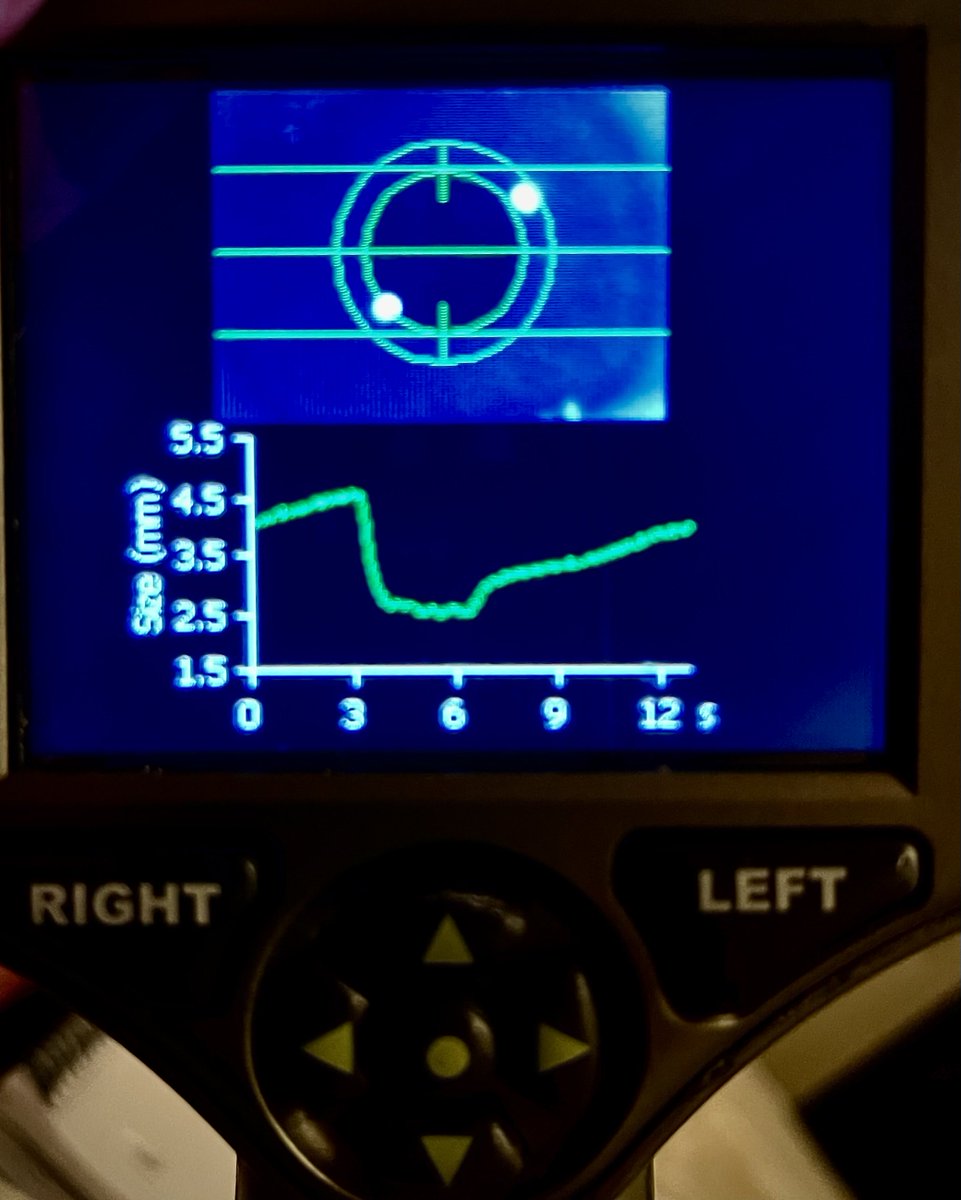
This video was taken by the NPi pupillometer. The yellow scan was taken in ambient light. The green scan was taken after 4 min. of dark adaption. NPi values are the same but the dilation velocity of green scan is 1/2 of the other scan. PIPR is enhanced by dark adaption.
A “pupillogram” is non invasive and takes less than 20 seconds to perform. But like the EKG it can only be interpreted properly by performing a history and examination of the patient.
Muscles become dysfunctional during severe lactic acidosis. Low pH can result in a terrified awake patient who cannot move (CMD). The relation between acidosis and muscle function was first described 128 years ago by Walter M. Fletcher (J Physiol; 1898;23:10-99).
@archeohistories There is a problem with this idea. Unless the Assyrians had perfected a valve to prevent expired gases from entering the bag, the diver would not go far. Carbon dioxide would accumulate in the bag and result in asphyxia.
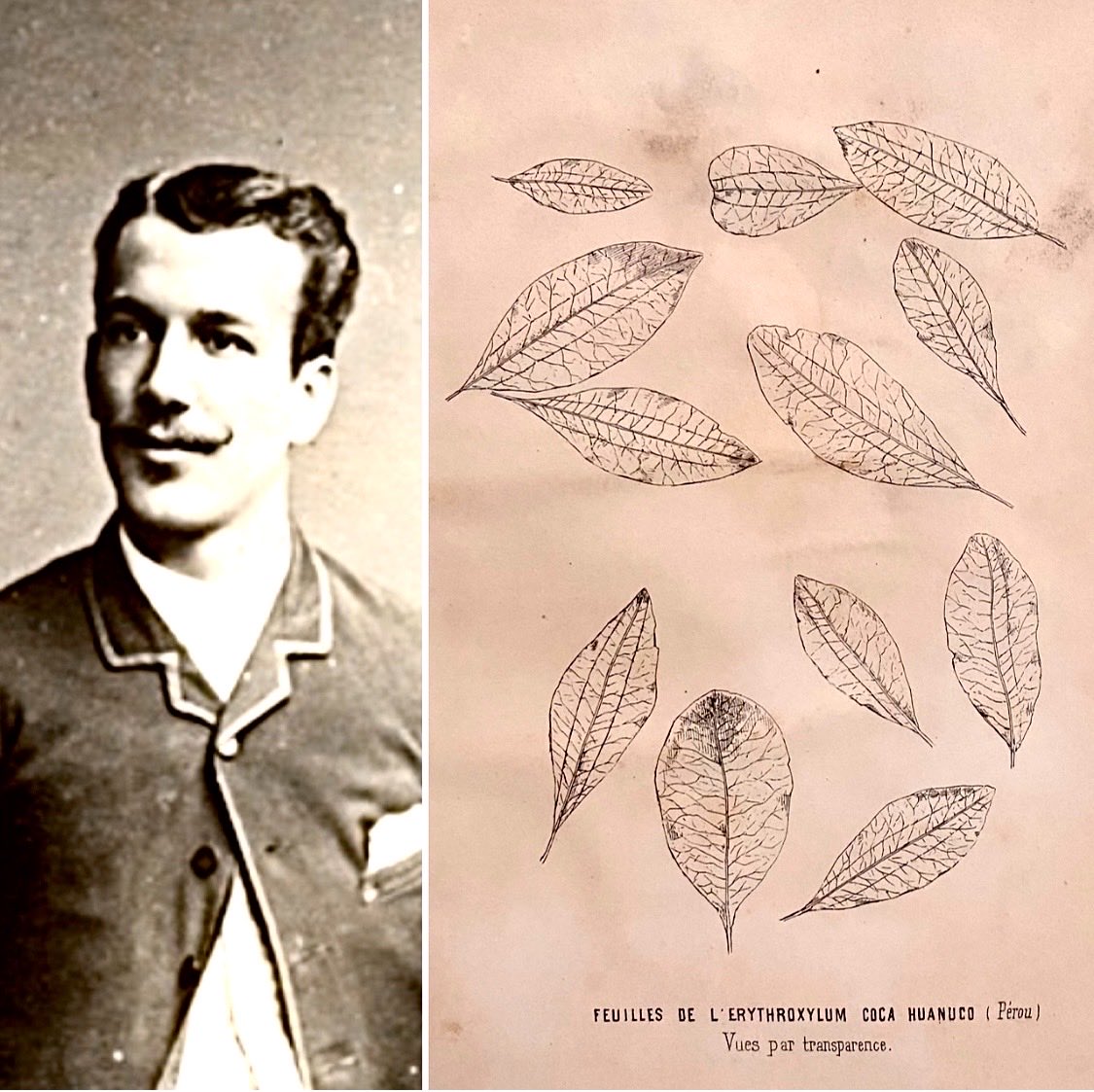
It is not surprising that the first description of local/regional anesthesia was made by a Peruvian doctor. In 1868 Thomas Moreno Y Maiz (image) reported that cocaine block sensation from the leg of a frog.
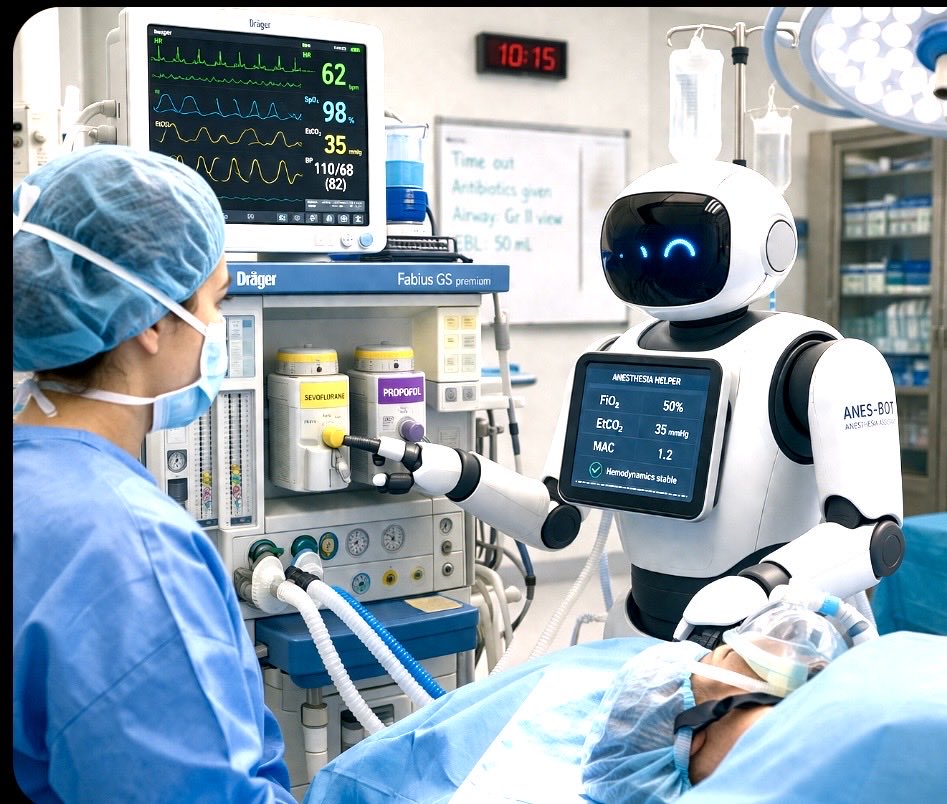
Each era has a new invention for the anesthesiologist. Today we have ultrasound. Going back: LMA - 1981; plastic IV catheters - 1950; cuffed endotracheal tubes - 1928. 2050 - Robot anesthesia assistants? Image: Chat
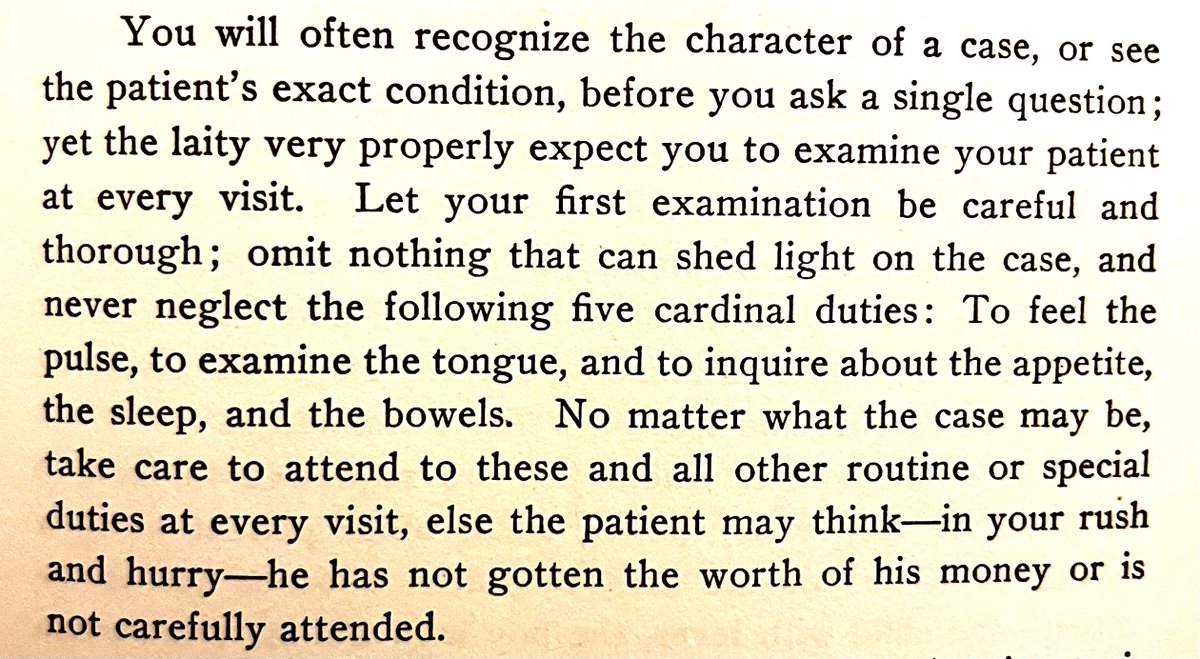
What can you do to be appreciated by patients while conducting pain rounds? Physically examine each case and act like you are retrieving valuable information. Dr William T. Cathell wrote these words in his book “Book on the Physician Himself”, dated 1902.
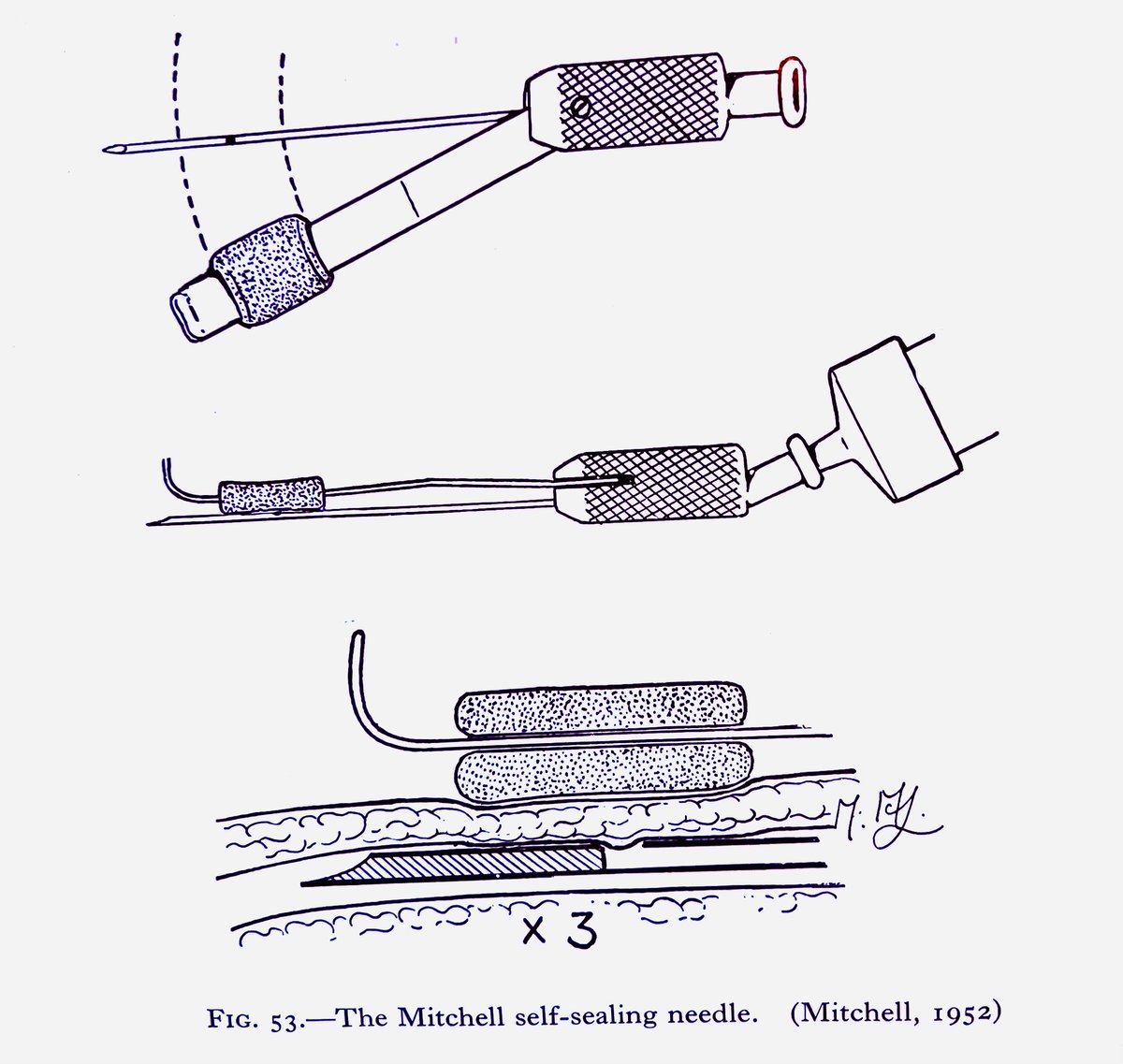
Clinicians struggled with intermittent IV injections 75 years ago. Frequent venopunctures were cumbersome and unpleasant. The Mitchel needle (image) used a wire spring to occlude the vein. The drug was injected after the spring was rotated to the side. (Anaesthesia 7:258, 1952).
If it can happen, it will happen. A dislocated mandible (image) might develop after a routine oral tracheal intubation. Hippocrates described the treatment over 2000 years ago. Push the mandible down, then backward.
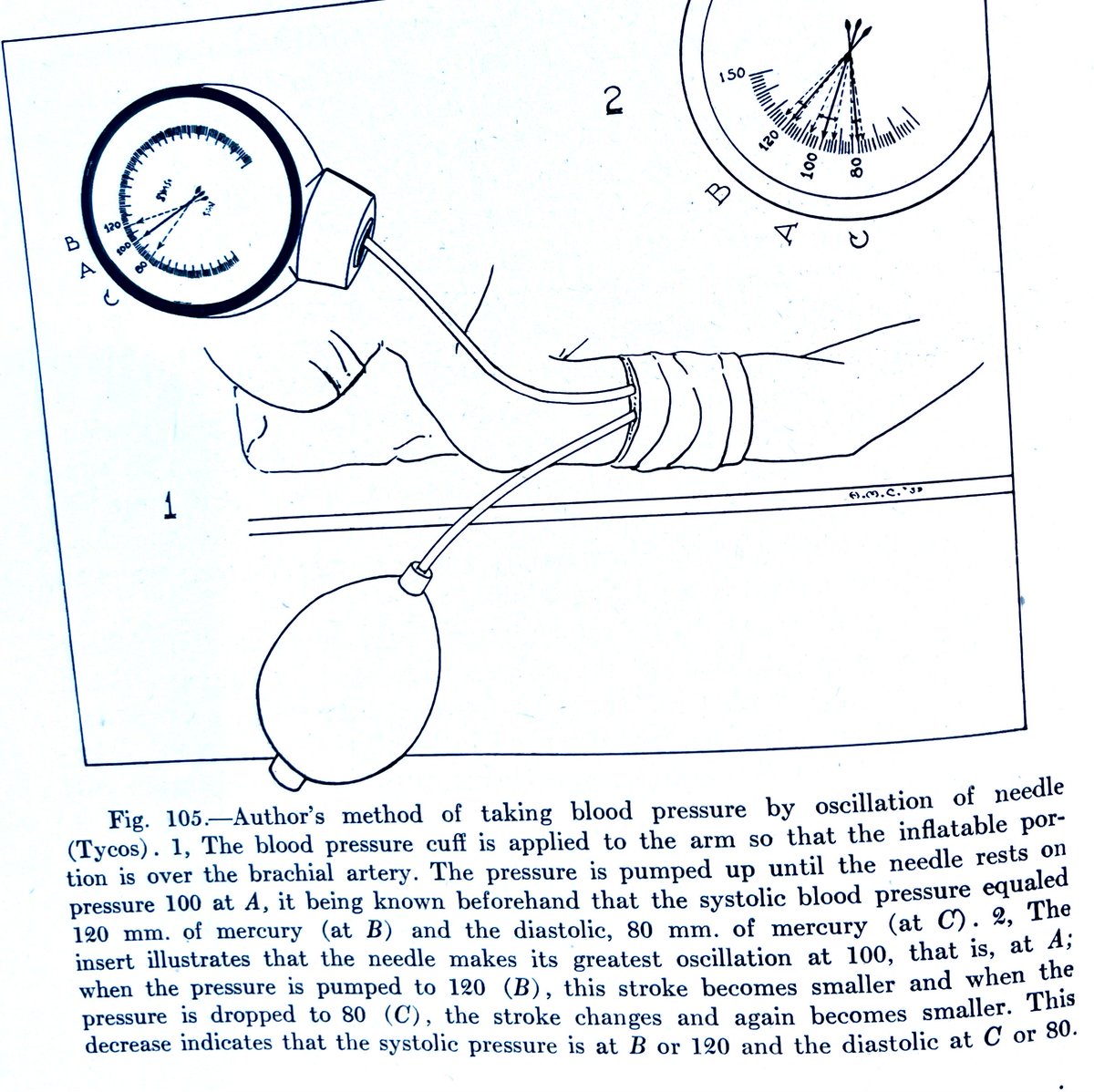
In his 1945 book “Clinical Anesthesia” John Lundy (Chair at Mayo) states (page 248) that this method of BP measurement has been used at Mayo since 1924.
Measurement of blood pressure was performed with this method for over 50 years. Now a lost art. It also worked if the cuff was placed on the calf. Described in 1924.
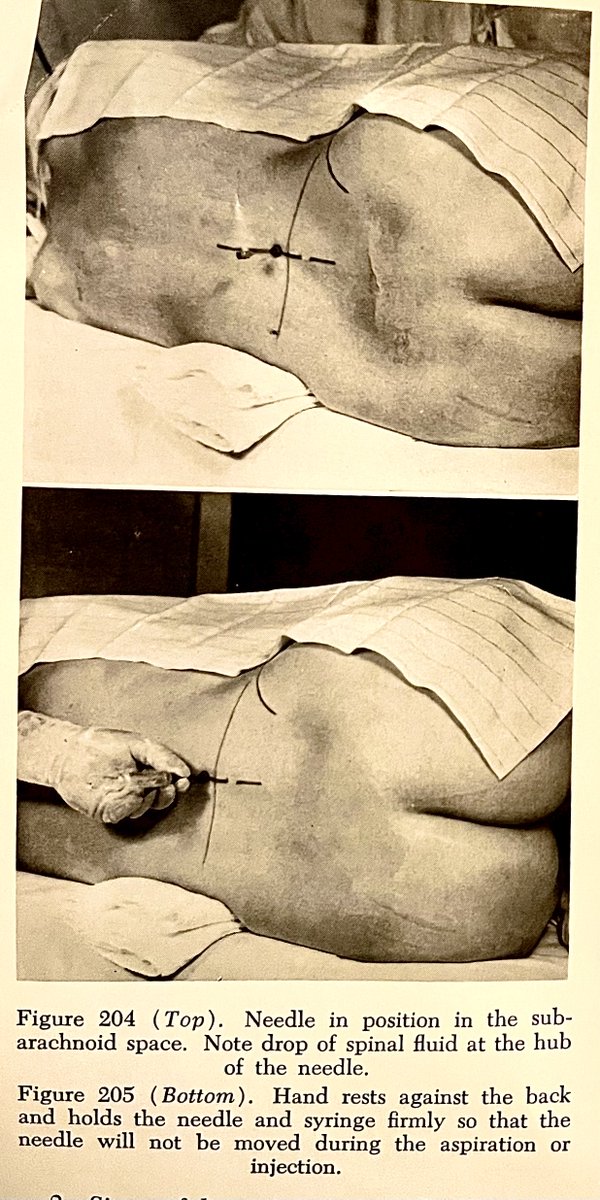
This image shows Daniel Moore’s instruction (from 1961) on how to attach the syringe to the spinal needle. He also emphasized the use of a Luer Lok syringe tip to prevent detachment of the syringe from the needle when the solution is injected.
When is a medical intervention 100% successful? Within one year after the discovery of anesthesia (1846) John Snow (1813-1858) learned that everyone can be anesthetized. Unfortunately, not all 100% woke up.
If the muscles are paralyzed at the neuromuscular junction , the patient is wide awake and terrified (unless anesthetized). If all the sensory nerves are blocked by an inadvertent total spinal, the patient is asleep. This figure shows why.