🇹🇷 Cihat Yaycı :
I ASK EGYPT: WHICH OF YOUR MARITIME AREAS DOES THE TÜRKİYE–LIBYA AGREEMENT VIOLATE?
Egypt’s reaction to the Türkiye–Libya Agreement on the Delimitation of Maritime Jurisdiction Areas is difficult to understand. The agreement Cairo opposes does not encroach on Egypt’s maritime areas, including those allocated to Egypt under its delimitation agreement with Greece. Moreover, the principles underlying it could enable Egypt to secure a larger maritime area.
I therefore ask: Which part of Egypt’s continental shelf or exclusive economic zone is being encroached upon? Which right is being violated, and at which coordinates? Simply declaring the agreement “unlawful” is not enough. Concrete legal and geographical grounds must be provided.
THE FIGURES ARE CLEAR: A POTENTIAL ADDITIONAL 21,303 SQUARE KILOMETRES FOR EGYPT!
In my book Blue Homeland, I presented a proposed Türkiye–Egypt delimitation based on their opposite mainland coasts, supported by maps, coordinates and comparative calculations. The proposal could give Egypt 6,443 square kilometres more than its agreement with Greece and 14,860 square kilometres more than its agreement with the Greek Cypriot Administration—a total potential gain of 21,303 square kilometres.
This is more than an abstract appeal for friendship. It is a concrete opportunity grounded in a proposed delimitation line and measurable maritime areas.
The Türkiye–Libya agreement does not automatically allocate these areas to Egypt. However, the international-law principles underlying it could support a more advantageous delimitation between Türkiye and Egypt.
THE REAL QUESTION: DOES EGYPT PRIORITISE ITS OWN COASTS OR GREECE’S CLAIMS?
Türkiye and Egypt are two states with long, opposite coastlines on the Anatolian and African mainlands. Maritime delimitation must assess this geographical reality alongside equity, the primacy of geography, non-cut-off and proportionality.
Before defending Greece’s island-based claims, Cairo should calculate the interests arising from Egypt’s own mainland coast. The potential gains identified above raise a simple question: Why would Egypt oppose an approach that could give it a larger maritime area?
The significance of these areas extends beyond their size. They concern rights to explore and exploit natural resources on and beneath the seabed, as well as economic rights within the exclusive economic zone. A larger area does not, by itself, prove the existence of oil or natural gas reserves, but control over exploration and exploitation rights remains strategically important.
COOPERATION WITH TÜRKİYE ALSO SERVES EGYPT’S INTERESTS!
Türkiye and Libya protecting their mutual rights is not an initiative directed against Egypt. On the contrary, the approach underlying their agreement demonstrates how Egypt could defend its own rights more effectively.
Instead of issuing political statements against the Türkiye–Libya agreement, Cairo should assess the benefits of an equitable delimitation with Türkiye.
MY CALL TO EGYPT IS CLEAR: RATHER THAN OPPOSING AN AGREEMENT THAT DOES NOT ENCROACH ON YOUR MARITIME AREAS, CALCULATE THE BENEFITS OF AN AGREEMENT YOU COULD CONCLUDE WITH TÜRKİYE!
CAIRO SHOULD PRIORITISE EGYPT’S MARITIME INTERESTS, NOT ATHENS’ CLAIMS!
@EgyptForeignMin
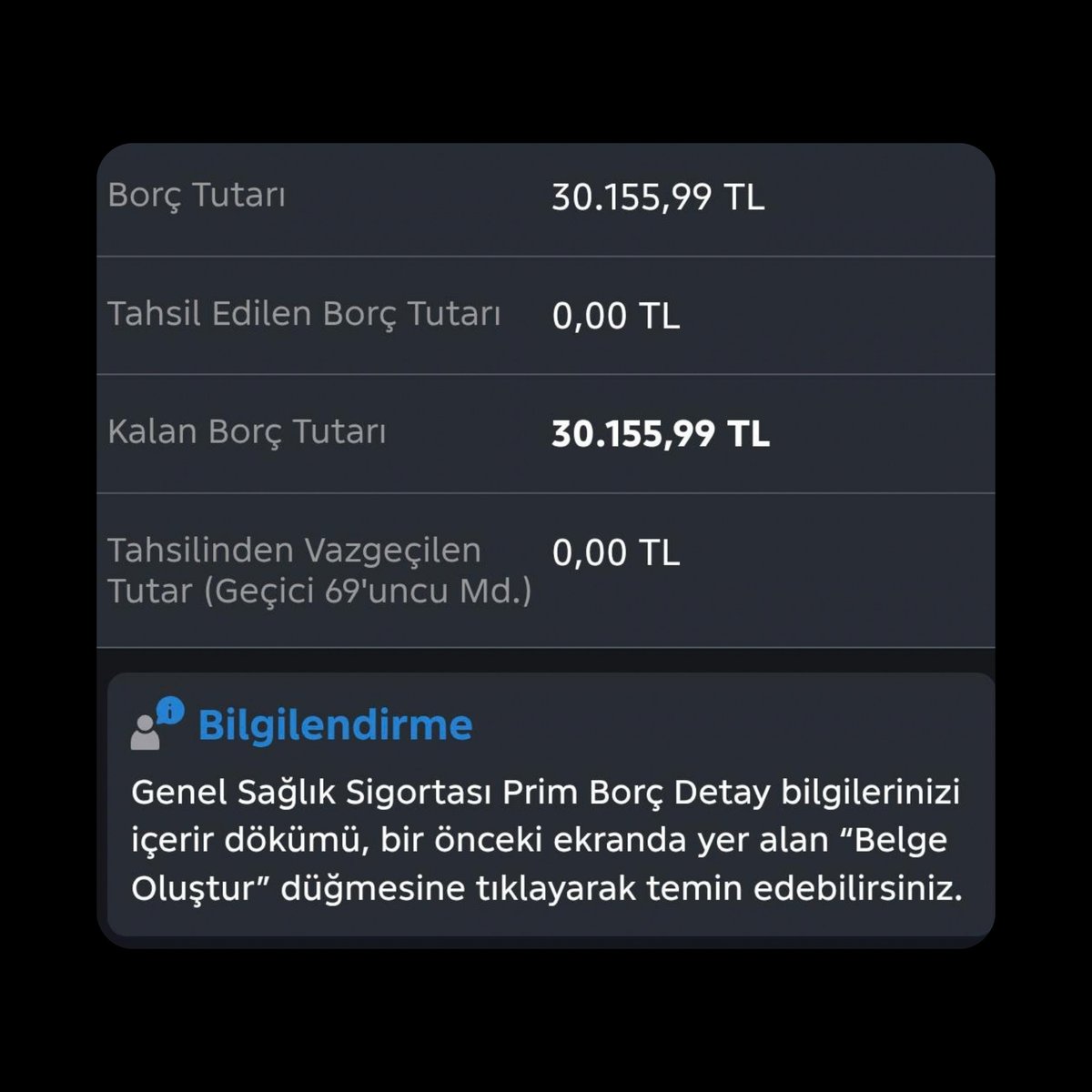
Bir vatandaş, Genel Sağlık Sigortası (GSS) borcuna isyan etti.
"E-Devlet'te dolaşırken tesadüfen 30 bin TL borcum olduğunu öğrendim.
İşin komiği ne zaman hastaneye gitsem ilaçları kendi cebimden, yüksek fiyatlara ödedim.
Rızam olmadan başlatıyorlar. Bana tek bir faydası yok."
Bir vatandaş, Genel Sağlık Sigortası (GSS) borcuna isyan etti.
"E-Devlet'te dolaşırken tesadüfen 30 bin TL borcum olduğunu öğrendim.
İşin komiği ne zaman hastaneye gitsem ilaçları kendi cebimden, yüksek fiyatlara ödedim.
Rızam olmadan başlatıyorlar. Bana tek bir faydası yok."