New from my lab: Ancestral sequence reconstruction analysis indicates the furin-cleavage-site insertion in the SARS-CoV-2 spike gene likely interrupted a codon https://t.co/yuunXxRzib
New paper in #G3journal from @mongemmmm, @MeruSadhu, and colleagues presents a barcode-based high-throughput method that can track large numbers of independent replicates of a small number of combinatorial genotypes. https://t.co/5kQ7FWTRLH
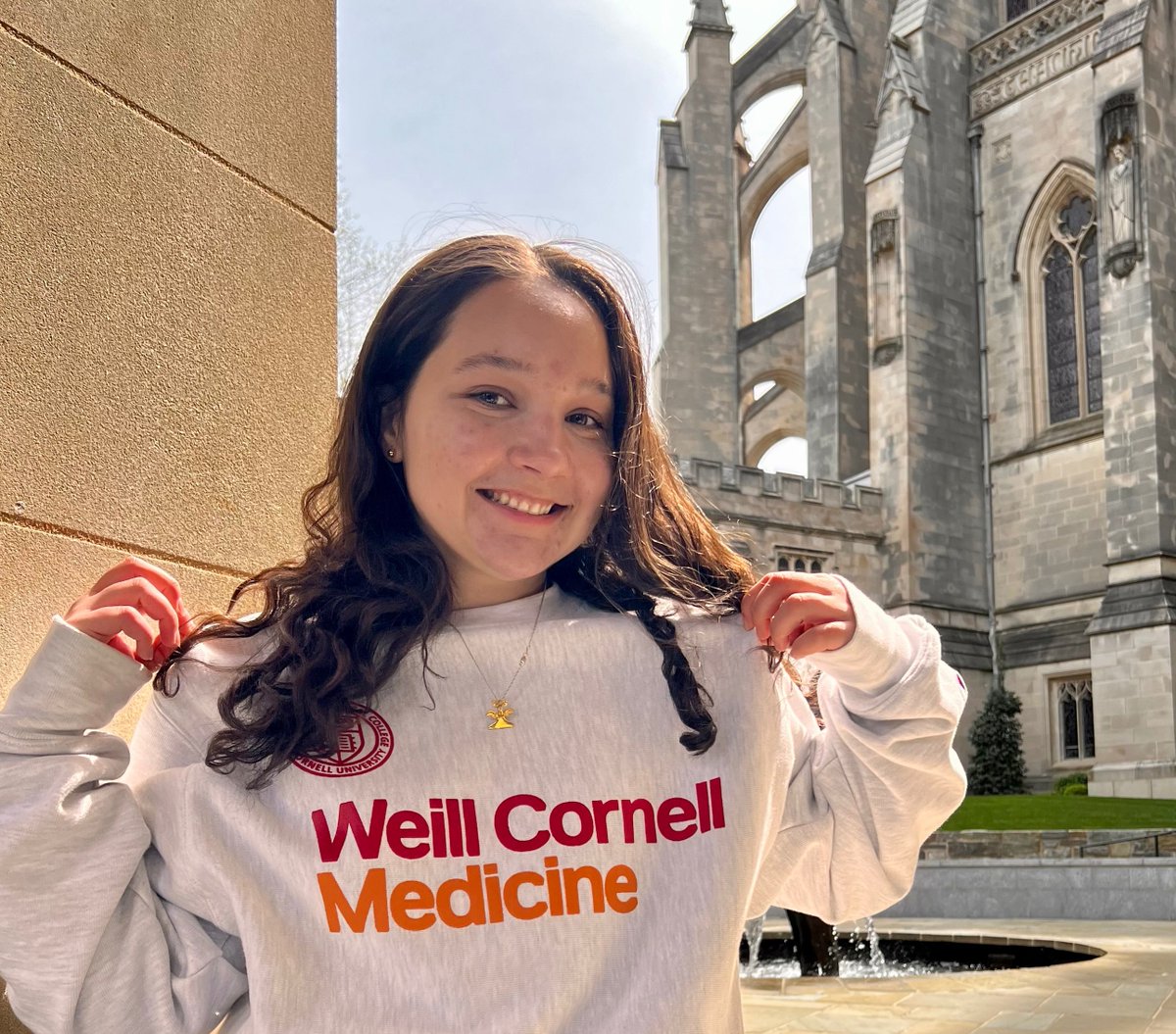
I’m really rooting for this approach to catch on! Of the papers I’ve been involved in, this is probably the one I most feel is contributing a different way of thinking. Big shoutout to the co-first authors, Molly Monge (now an MD/PhD student at Cornell) and Simone Giovanetti.
New paper from my lab! We describe our idea that high-throughput pooled experimental methods – typically used to test thousands of hypotheses at once – also have huge potential to help in “everyday” experiments testing one or a few focused hypotheses. https://t.co/50WVtwiy4j
“High throughput” doesn’t have to mean hard/expensive! At its heart, the difference is that instead of picking a few clones of your transformation, you take all the colonies. And with low sequencing costs and the possibility of pooling sequencing, it will generally be affordable.
New preprint from the lab: A maternal-effect toxin-antidote element causes larval arrest in C. elegans, by @sdraljefainc et al. https://t.co/g4nCdUgT9H
@leonidkruglyak@sdraljefainc Cool!!!
If the toxin is inactivated by unlinked genes in N2, then why does it exist? It won't drive. Maybe it provides viral defense, like various bacterial TA systems? (Apologies if the answer is in the paper; jumping the gun and asking questions from reading the abstract.)
Our obsession with yeast killer toxins was triggered by a collaboration with @MeruSadhu.
Now with @BPSIYork we have a PhD project to delve deeper into toxin effects (and defences) at the biophysical level.
Great opportunity for diverse skillsets. Apply:
https://t.co/epmNAAvBBm
@greenkidneybean@JoshSBloom And thanks to Genome Research @genomeresearch and the anonymous reviewers - the entire process was very helpful and improved the manuscript substantially!
Thanks again to Team Genome: Cory A. Weller, Ilya Andreev, Michael Chambers (@greenkidneybean), Morgan Park, Josh Bloom (@joshsbloom), and the NIH Intramural Sequencing Center