共同通信が、また酷い記事を配信していたので、トランプ大統領の記者会見の発言を英語の原文で確認しました。
トランプ大統領は「日本が外交的に排除された」などとは言っていません。
「世間の関心が史上初の米中露3首脳会談ばかりに集まったため、他の素晴らしい国々が少し脇に追いやられたように感じただろう」という、【報道の注目度】についての話題でした。
それに「日本だけ」を名指しなどしていません。
インドネシア、マレーシア、日本をはじめとする「APEC参加の多くの国々(lots of countries)」を並列に挙げています。
それにこの発言の中で、全参加国への肯定発言もしているのに、報道はカットしています。「少し取り残されたと感じただろう」と気遣った直後に、「しかし実際には、すべての国々が参加していたし、うまくいった」と明確にフォローしています。
共同通信、酷すぎませんか?
“felt a little bit left out" は、「仲間外れにされた」という厳しい政治的排除ではなく、パーティーやイベントで「主役の3人にばかりカメラが向いていて、ちょっと寂しく感じたかな(気を使わせたかな)」という相手を気遣う日常でも使う柔らかい表現でした。
日本語の「蚊帳の外」のような強い排除イメージではありません。
しかもその前にわざわざ 「very powerful, very good countries(非常に強力で、とても良い国々)」 と最大級の賛辞も添えています。
にもかかわらず、日本メディアが「日本は『蚊帳の外』」とカギカッコ付きで見出しをつけると、まるでトランプ大統領が日本を見下して、切り捨てたかのような印象操作になっています。
共同通信はいつもの繰り返しで、意図的な悪意かもしれませんが、私たちは事実を知りましょう。
↓罪深い“見出し”←こういうのがデマを創り出すのだと思います。
これはなかなかすごいな。"ヤルタ2.0"、実際のところAPECのおまけという形での開催でしかなく、APECの全体会合でオーストラリアの首相がプーチンに直接「お前が始めた戦争をやめろ。今すぐやめろ」と面罵して、その間プーチンはうつむきっぱなしだったらしい。完全に晒しものだわ。
> Putin was observed with his head down during Albanese’s intervention in front of more than 20 world leaders.
> “And I say very directly to President Putin: end your war, end it now.”
https://t.co/Z1AuDSXaWv
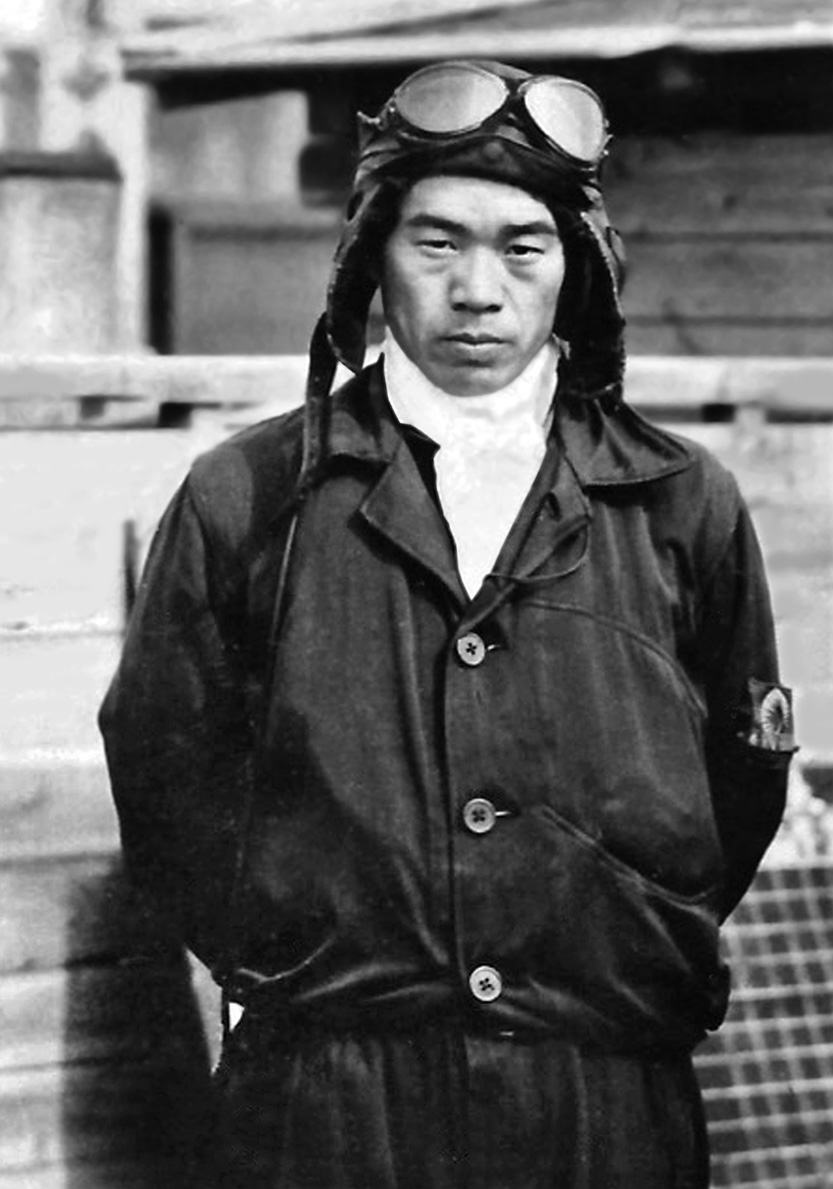
Saburo Sakai was the greatest Japanese fighter ace to survive the war. Sixty-four confirmed kills. Flew the Zero against the P-40, the P-38, the Hellcat, and the Corsair.
Over Java, in early 1942, he caught a lone American DC-3 transport plane in his gunsight. An easy kill. Standard target. He closed to point-blank range.
Then he looked into the cockpit.
The cockpit was full of women and children, Dutch civilian refugees trying to get out of the East Indies ahead of the Japanese advance. One of the women, holding a baby, looked out the side window straight into Sakai's canopy.
Sakai did not fire.
He broke off, saluted the woman, and let the DC-3 fly west into the sun.
Years later, in American interviews, he explained himself plainly.
"I am a samurai. My father's father was a samurai. We do not shoot women and babies. If my ancestors saw me fire into that cockpit, I would not be able to meet them when I died."
Five months later, over Guadalcanal, Sakai took a .50 caliber round through the canopy of his Zero. The bullet went through his head. It blinded his right eye and tore open his skull.
By every medical reasonable expectation he should have gone down.
He flew his damaged Zero four hours and 650 miles over the Pacific, bleeding into his flight suit, half-blind, repeatedly losing consciousness. He landed it, intact, on Rabaul.
He survived the war with one eye.
After the war, Saburo Sakai did not hate Americans. He became a Buddhist. He said in interviews that he had killed too many men already and would not do it again, not even in his own thoughts. He corresponded for years with former American Navy pilots who had been his opponents.
When American pilots began visiting Yasukuni Shrine in Tokyo to pay respects to Japanese pilots they had shot down, it was Saburo Sakai who met them at the gate and walked them in. Enemy pilot. Enemy pilot. Both with white hair. Side by side, bowing at the memorial of men they had tried to kill.
"We were warriors," Sakai told one American interviewer. "Now we are old. Only the young should hate. The old should remember."
Japan had Zamperini forgiveness. Japan had Fuchida reconciliation. Japan also had Saburo Sakai, who refused to fire at women, took a bullet through the head, and spent his old age walking American pilots into Yasukuni.
Warriors recognize warriors.
Even after the war is gone.