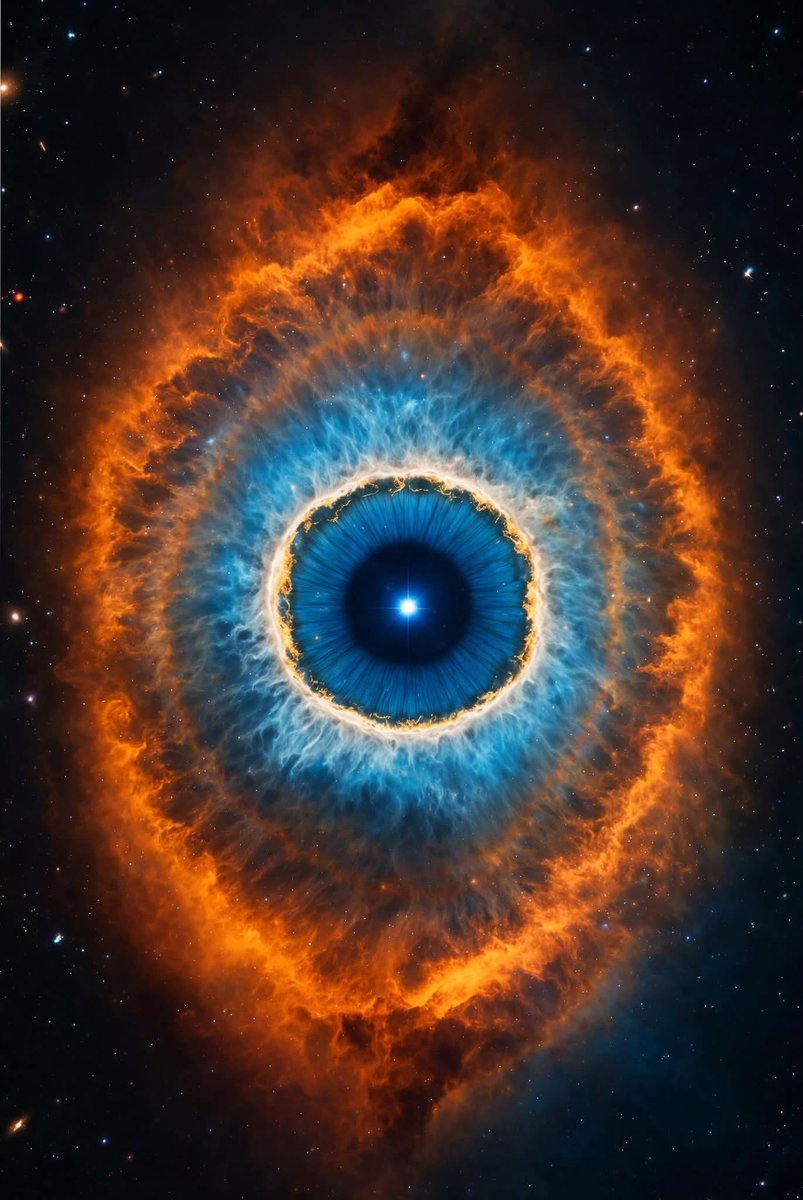
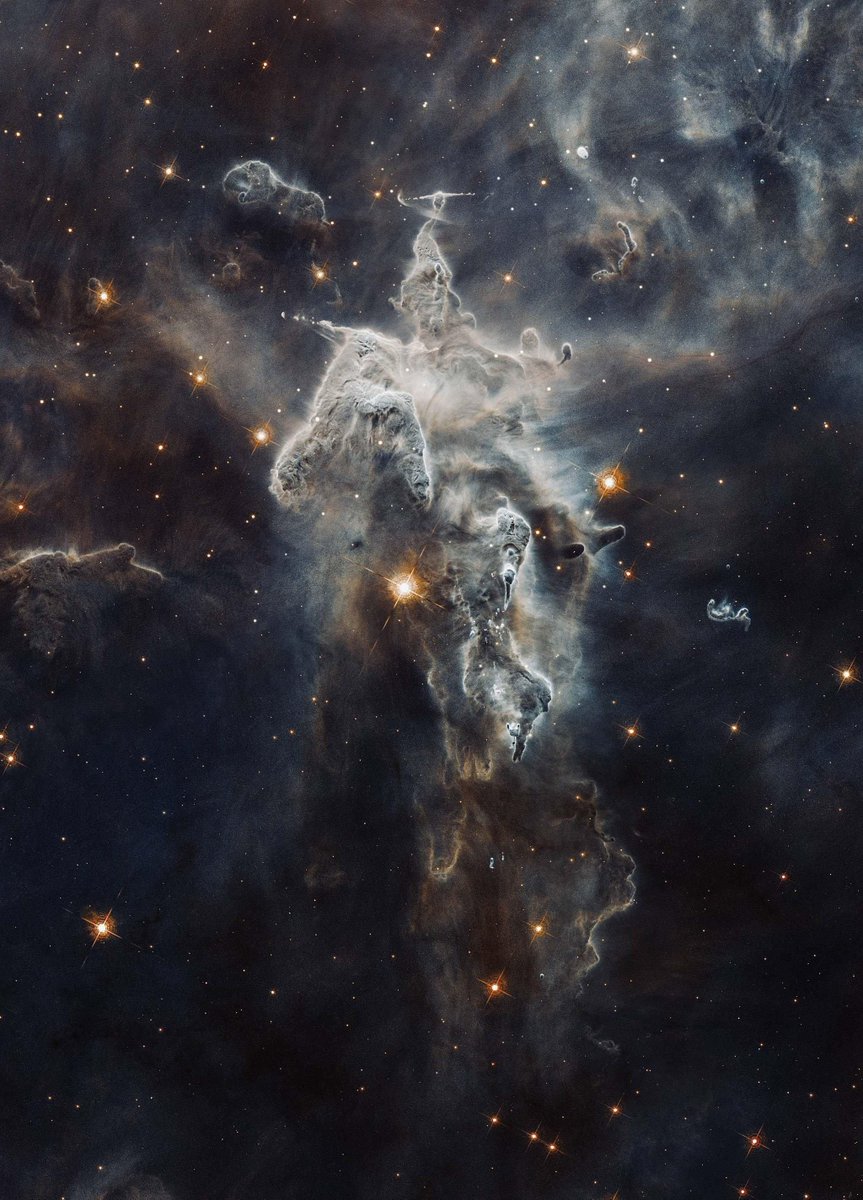
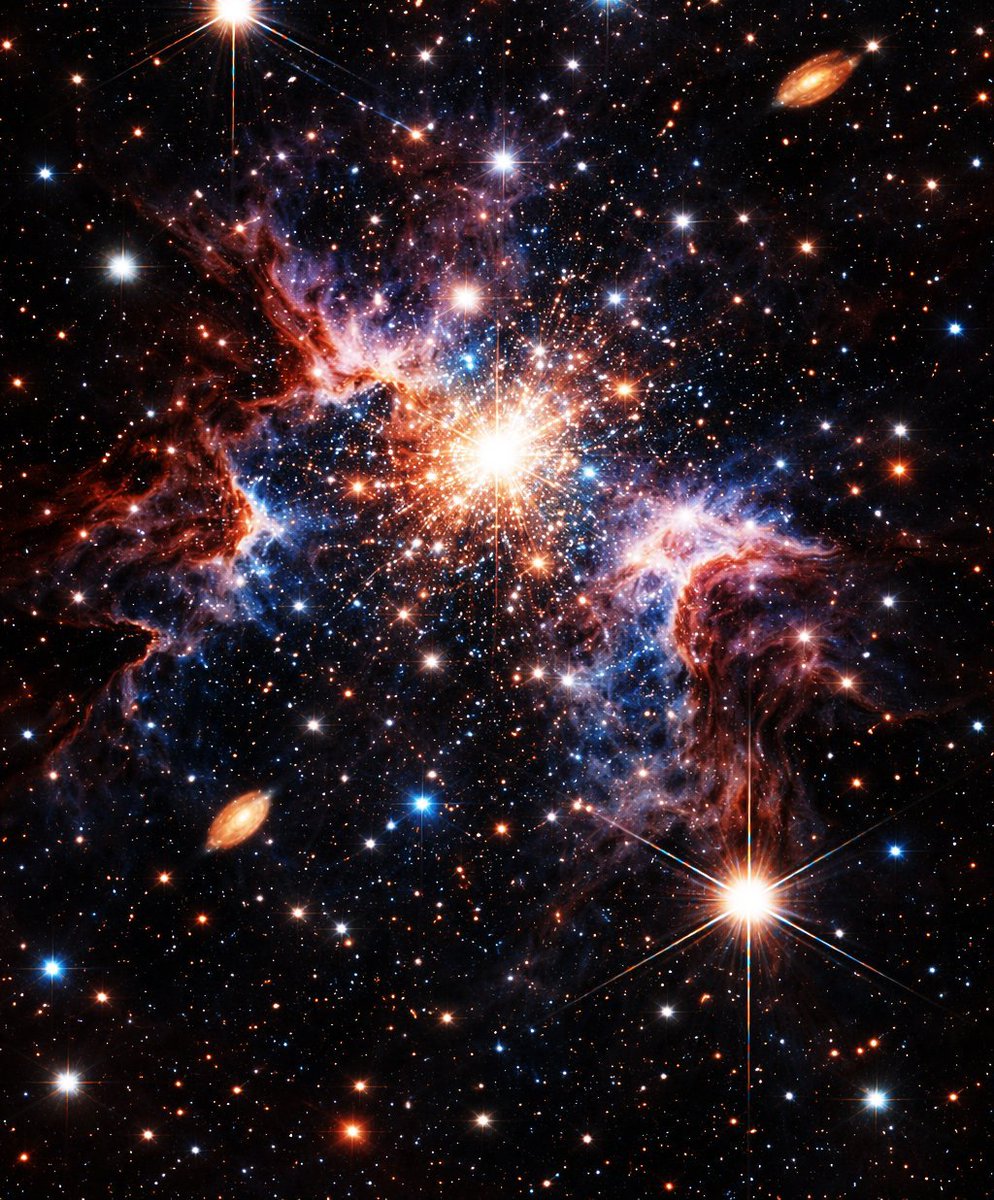
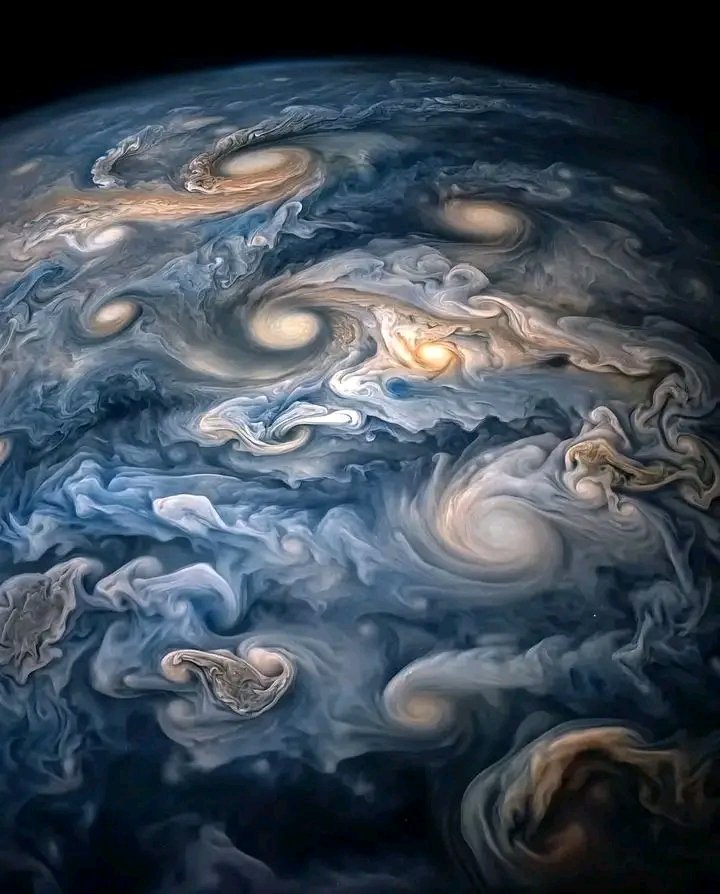
This is one of the best space images ever.
You are staring at the Carina Nebula.
This entire structure is three light-years tall.
7,500 light-years away from us.
A black hole is a celestial object with such a strong gravitational pull that nothing, not even light, can escape it.
It is formed when a massive star collapses in on itself.
🚀 COSMIC UPDATES
Pluto is warmer than your armpit
Despite being far from the Sun, Pluto's surface temperature of about -227°C (-377°F) is actually warmer than the average human armpit temperature of -230°C (-380°F).
🌌 SPACE NEWS
Earth is not a perfect sphere
Earth is an oblate spheroid - it bulges at the equator and is flattened at the poles. This is due to the planet's rotation.
Chandra doesn’t just study black holes — it also reveals new details across our solar system. This sonification blends X-rays from @chandraxray with a Cassini image of Saturn, turning data into sound. 🪐
Check out more planetary sonifications here: https://t.co/phB2NJzpwu
A day on Venus is longer than its year
Venus rotates so slowly that it takes 243 Earth days to complete one rotation (a day), but only 225 Earth days to orbit the Sun (a year).
Neutron stars are incredibly dense
A single teaspoon of neutron star material would weigh about 6.6 billion tons - that's more than the entire human population combined!
🔭 STARGAZING
There are more stars than grains of sand on Earth
Scientists estimate there are about 10^22 to 10^24 stars in the universe, while there are only about 7.5 x 10^18 grains of sand on Earth - that's 10 billion times more stars than sand!