Elazığ’da gakkoşlar yöresel müzikler eşliğinde halay çekerken, halayın başındaki adam başına gelebilecek en kötü durumu yaşadı ayıp olmasın diye halaydaki diğer kişiler adama gülmedi.
Adam 80 yaşını geçmiş...
Kalbine 2-3 stent takılacak, veya bypas yapılacak...
Şurada 3-5 yıl daha fazla yaşaması için, sadece doktorun istediği ücret 400 bin TL... Lanet olsun..
Oysa Allah şahit bir çocuk uzmanı olarak ben, hastamı "80-90 yıl yaşayacak bir sağlığa kavuşturmak için bırakınız para almayı, hastane masraflarını bile karşıladığım pek çok vakam olmuştu...
Ama insanlar 80 lik hastadan 400 bin TL alıp, 3-5 yıl ömür kazandıranları meşhur(!) ederken, bizim gibi hekimleride mesleğe küstürdüler...
Yani sağlıkta bile alan eller göklere çıkarılıp baş tac edilirken, bizim gibi veren ellerin yerine dibine sokulduğu bir döneme kaldık... Çok yazık çok...
Ankara’da Uğur Mumcu anısına bir panel düzenleniyor. Panele, eski Adalet Bakanı Hikmet Sami Türk konuşmacı olarak davet edilmiş. Sami Türk, 19–22 Aralık 2000’de “Hayata Dönüş” adı altında gerçekleştirilen ve cezaevlerinde 32 siyasi tutuklunun yaşamını yitirdiği operasyonun sorumlularından biri.
Yazar Ahmet Say, bu durumu protesto etmek için ayağa kalkıyor, sahneye doğru ilerliyor ve Sami Türk’ün yüzüne “Katilsin” diye sesleniyor.
İlber Ortaylı’nın ölümünden sonra “Aydın nedir?” diye soranlar olmuştu. Aydın, Ahmet abi gibi olandır.
Esenyurt kayyımı kaybetti !
Esenyurt'un seçilmiş belediye başkanı Ahmet Özer görevden uzaklaştırılmış olsa bile başkanlık maaşının 2/3'nü alma hakkına sahipti.
Esenyurt kayyımı bu maaşı ödemedi. Uygulama, Türkiye'de bir kayyım açısından "ilk" oldu !
Konu mahkemeye taşındı. Ahmet Özer kazandı.
Esenyurt kayyımı son olarak çatal mendil üzerine kendi ismini yazmasıyla gündeme gelmişti.
Many Americans hesitate to engage in international conflicts, often expressing that such issues are not their concern. However, the United States has long been seen as a beacon of democracy, freedom, and hope. When crises arise, the world looks to America for intervention. Currently, we are witnessing a horrifying reality: over 40,000 Iranian citizens have been killed for protesting against a brutal regime, and we cannot remain silent.
In the United States, we often struggle to comprehend the severity of oppression faced by people in other countries. As someone born in Kurdistan, I have witnessed oppression firsthand. Thousands of Kurds were murdered under Saddam Hussein's regime simply for being Kurdish. Many families, including mine, were forced to flee, enduring a harrowing journey of walking for days to find safety. This brutal history fuels my belief that when human rights are at stake, intervention is not just necessary—it is our moral obligation.
The U.S. intervention in Iraq, which established a no-fly zone and ultimately led to the removal of Saddam Hussein, allowed the autonomous region of Kurdistan to flourish as a successful economic and democratic hub in the Middle East. Today, it stands as a testament to what is possible when the international community supports the rights and aspirations of marginalized people. The Kurdistan Region not only boasts the largest U.S. consulate in the world but continues to grow and thrive, showcasing democratic values and strong economic development.
Now, imagine a free Kurdistan across Iran, Syria, and Turkey. Such a vision could apply pressure throughout the Middle East, inspiring neighboring countries to reassess their oppressive regimes and human rights violations. A Kurdish region that aligns with the values of the United States offers a reliable ally committed to democracy and stability in a historically volatile area.
Iran itself poses a grave danger to humanity. If it can brutally kill its own citizens for demanding basic rights, we must ask ourselves: what would prevent them from threatening other nations? As a global leader, the U.S. has a responsibility to intervene against regimes that perpetrate such violence.
As we watch the ongoing oppression not only of Kurds but of all Iranian citizens, we must advocate for the autonomy of the Kurdish region within Iran. This would create a reliable ally for Western interests, and the Kurds would undoubtedly stand beside us in any conflict.
The Kurdish population across the region is significant: approximately 25 million in Turkey, 6 million in Iraq, 10 million in Iran, 3 million in Syria, and 4 million in the diaspora.
@marcorubio@POTUS@LindseyGrahamSC@cnnbrk@FoxNews@NBCNews@BBCWorld
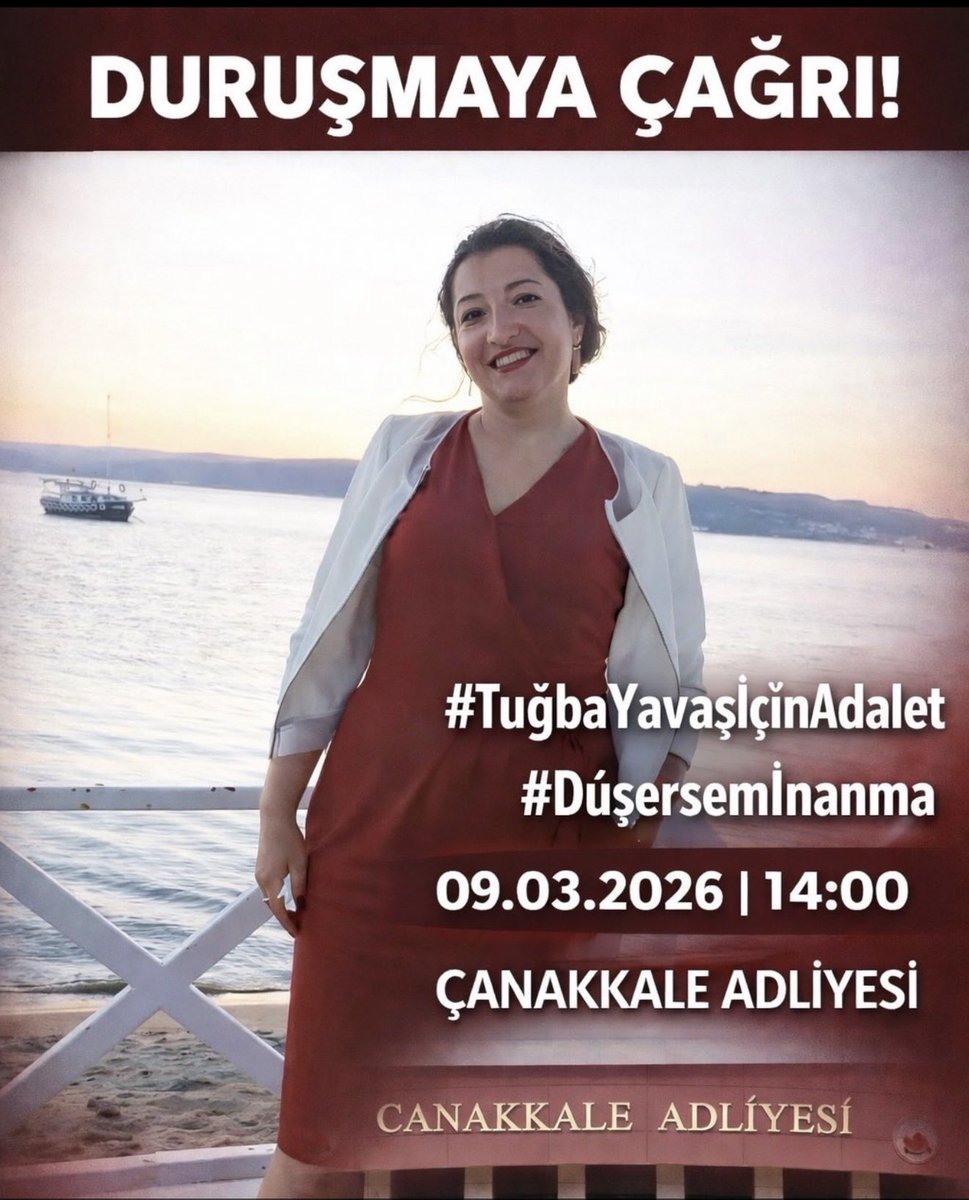
Arkadaşlar Tuğba’mızın 09.03.2026 Pazartesi günü görülecek duruşması için Çanakkale ye doğru yoldayız .Umuyorum ki Pınarımız da ki gibi olayın İntihar olmadığı gerçeğini ortaya çıkartabiliriz .Tüm duyarlı vatandaşlarımızı sivil toplum kuruluşları ve Kamuoyunu duruşmaya gelerek ailemize destek olmaya davet ediyoruz!
#Balkondanmandaldüşerkadındeğil
# Düşersemİnanma 👇
A recent interview on the #BBC featuring journalist @amberinzaman discussing Kurdish movements in Iran raises serious concerns about how Kurdish politics and history are framed for Western audiences.
Having reported extensively on Kurdish affairs including in Rojava Kurdistan, I find parts of this analysis deeply problematic.
The claim that Kurdish parties in Iran were historically “supported by Saddam Hussein” is presented in an oversimplified and misleading way. Kurdish movements, like many actors in the Middle East, have often navigated extremely complex geopolitical pressures, sometimes entering tactical relationships for survival rather than ideological alignment. Reducing Kurdish political history to such claims risks distorting the broader reality of Kurdish struggle.
Portraying Kurdish movements in Iran as "weak, "naive," or destined to fight each other also reflects a familiar narrative that has long been used to dismiss Kurdish political aspirations.
Political fragmentation exists in many national movements and does not predetermine their future.
More broadly, international media too often relies on non-Kurdish voices to interpret Kurdish politics, leaving audiences with an incomplete picture.
Serious journalism about the Kurds requires historical depth and meaningful engagement with Kurdish voices themselves.
#Kurds #Kurdistan
#KurdishPolitics #MediaEthics #Iran
#MediaAccountability
@BBCWorld@BBCNews@al_monitor
For those mourning the ghoul.
The fall of the regime in Iran was predetermined on the day when a father was publicly hanged in front of his daughter for a post on social media.
In his final moments, the father kept smiling while looking into his daughter’s eyes, so that her courage would not break.
Who does not remember that scene — and hundreds of similar scenes that shook the hearts of people all over the world?
In a place where women have their hair cut off for not wearing a burqa, where they are paraded naked and beaten so brutally that they die in hospital in agony…
A culture and a system of values that treat women and children with such contempt and exploit them are doomed to destruction.
Mesut Pezeşkiyan’ın özür dilemesi muhafazakar siyasetçileri öyle öfkelendirmiş ki, ona hakaret ediyorlar.
Tahran milletvekili Amir Hüseyin Sabeti, Pezeşkiyan’ı “akılsız” olarak nitelendirdi.
Sabeti, “Pezeşkiyan, önce konuşuyor, sonra düşünüyor” dedi. 👇
“İran'ın Azerbaycan Cumhuriyeti'ne Uyarısı
Hatam el-Enbiya Merkez Karargahı'ndan yapılan açıklamada:
🔹İran İslam Cumhuriyeti Silahlı Kuvvetleri, bölgedeki Amerikan ve Siyonist saldırganlarla olan yoğun çatışmalara rağmen, dost, komşu ve Müslüman ülkelerin ulusal güvenliğini ve çıkarlarını tehlikeye atmamak için tüm gücüyle çaba göstermiştir.
🔹İran'ın komşu ülkesi Azerbaycan Cumhuriyeti'ne, Müslüman bir ülke olarak, bölgedeki güvensizliğin yayılmasını önlemek ve halkının ve İslam İran'ının güvenliğini tehlikeye atmamak için Siyonistleri o ülkeden kovmasını ilan ediyoruz.”
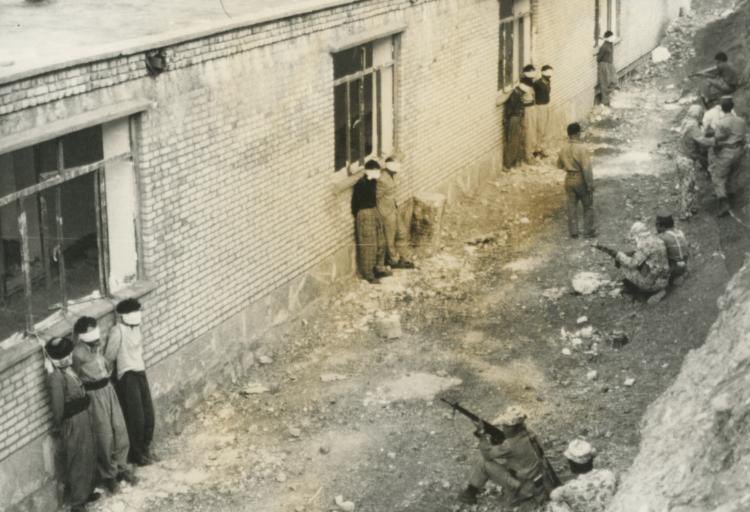
İran Devrimi'nin ardından Kürt ayaklanmasının patlak vermesi üzerine Devrim Muhafızları tarafından Kirmaşah'ta Kürt mahkumların idam edilmesi...
22 Ağustos 1979 tarihli, Associated Press'in arşiv
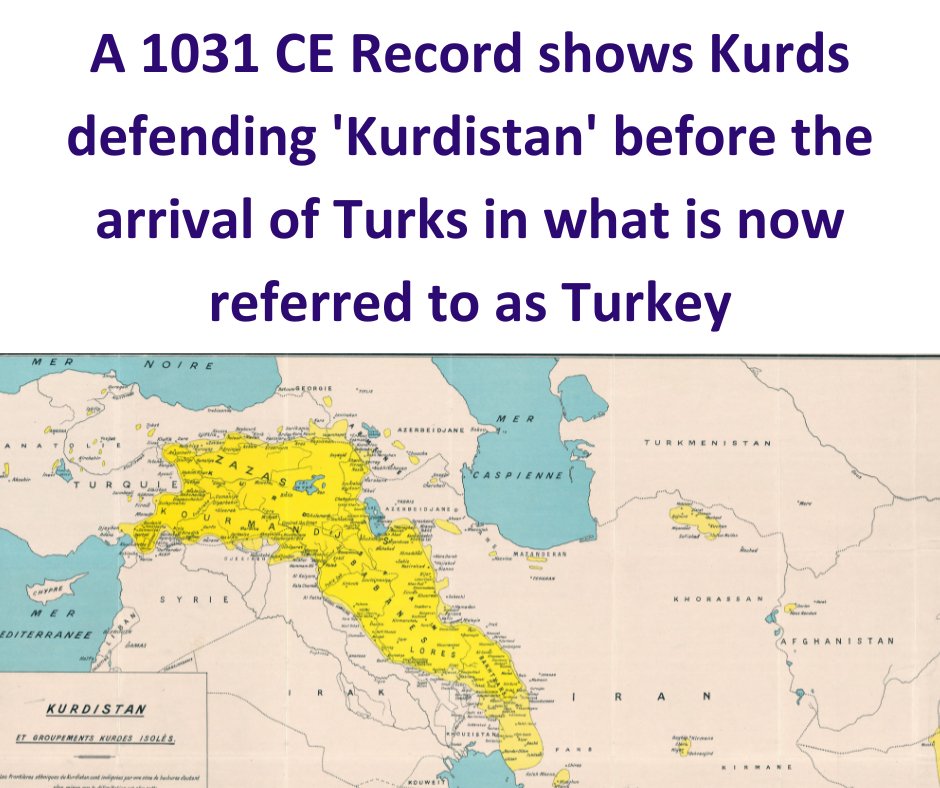
Before the Turks arrived in modern Turkey, Matthew of Edessa (1070-1144) recorded the 1031 Kurdish-Arab struggle. When the commander Baye'l was besieged, he sent word: "I and all Kurdistan are in dire straits." Kurdish history was manipulated by 20th-century colonial powers.
شمارا از چه میترسانند! اینهایی که خار چشم شدەاند،هرکدام روایتی دارند!چه جوانی زندگی در رفاه را به سختی کوهستان برمی گزیند!فکر میکنی این دختران دوست ندارند دغدغه هایشان ست کردن لباس و کفش باشد؟!بروید کمی روایتهایشان را بخوانید!روایتی از یک بوسه ناتمام!یک آغوش سرد یا برادری بی خاک
Israel and the Kurds: Toward a Grand Strategy
There are around 40 million Kurds in the Middle East, across Turkey, Iraq, Syria, and Iran—and Israel needs a coherent strategy that doesn't treat them as a by-product of conflicts with other regional actors.
That's what @urizaki argues in a new @Mitvim paper.
The Kurdish issue is more important than ever, because of the collapse of the old Syrian order, growing Turkish influence, direct confrontation with Iran, and rising importance of non-state actors.
That makes the world's biggest stateless people critical in influencing the regional balance of power.
The Kurds broadly see Israel as a fellow minority nation in a hostile region and a potential partner against Iran and Islamist actors... but they prefer to keep the relationship discreet.
Zaki's report proposes a long-term national strategy for Israel based on several principles:
1⃣treat the Kurds as a strategic partner
2⃣differentiate between Kurdish arenas
3⃣prioritize quiet diplomacy over public declarations
For example, in Syria Israel should help preserve Kurdish autonomy in Rojava, support decentralized governance in Syria, assist Kurdish drones, and lobby the United States to maintain a military presence.
In Turkey, support Kurdish human rights through quiet diplomacy and pressure via Western allies, and reconsider policy toward PKK and opposition figures.
If Israel plays its cards right, its Kurdish partners could help it: weaken Iranian influence, limit Turkish expansion, protect and unite Middle Eastern minorities, and increase Israel’s strategic flexibility in a fragmented Middle East.
مصطفی هجری دبیر کل حزب "دموکرات کوردستان ایران" تنها شخصیت با ملیت "ایرانی" ست که دونالد ترامپ با او تلفنی صحبت کرده است و حالا در راس هیئتی سیاسی رسما بە واشینگتن دعوت شد. صرف نظر از دلایل سیاسی و اهمیت این تحول، این رویداد، بیش از هر چیز نشان دهنده ی ذهنیت احمقانه و کوته بینانه ی حاکم بر رسانه های فارسی ست. برای سالها آنها سعی کردند مساله کورد را با چهره سازی از کوردهایی که از نظر آنها بیشترین مماشات با سیستم استعماری فارس سالاری داشتند به قولی زیر فرش کنند، و از طرفی چهره های مهم جنبش کوردستان را تا جایی که امکان داشت سانسور یا کم رنگ کردند. حالا با اولین بحران در زمین سخت سیاست به یکباره همه شگفت زده نگاه می کنند که این مصطفی هجری کیست و از کجا آمد؟ غافل از آنکه مصطفی هجری همیشه آنجا بود، همانطوری که جنبش کوردستان آنجاست، تو فقط مثل کبک چشمت را بسته بودی، تو فقط چشم دیدن وزن سیاسی کوردستان را نداشتی.
Israel and the Kurds: Toward a Grand Strategy
There are around 40 million Kurds in the Middle East, across Turkey, Iraq, Syria, and Iran—and Israel needs a coherent strategy that doesn't treat them as a by-product of conflicts with other regional actors.
That's what @urizaki argues in a new @Mitvim paper.
The Kurdish issue is more important than ever, because of the collapse of the old Syrian order, growing Turkish influence, direct confrontation with Iran, and rising importance of non-state actors.
That makes the world's biggest stateless people critical in influencing the regional balance of power.
The Kurds broadly see Israel as a fellow minority nation in a hostile region and a potential partner against Iran and Islamist actors... but they prefer to keep the relationship discreet.
Zaki's report proposes a long-term national strategy for Israel based on several principles:
1⃣treat the Kurds as a strategic partner
2⃣differentiate between Kurdish arenas
3⃣prioritize quiet diplomacy over public declarations
For example, in Syria Israel should help preserve Kurdish autonomy in Rojava, support decentralized governance in Syria, assist Kurdish drones, and lobby the United States to maintain a military presence.
In Turkey, support Kurdish human rights through quiet diplomacy and pressure via Western allies, and reconsider policy toward PKK and opposition figures.
If Israel plays its cards right, its Kurdish partners could help it: weaken Iranian influence, limit Turkish expansion, protect and unite Middle Eastern minorities, and increase Israel’s strategic flexibility in a fragmented Middle East.
The Kurdish leadership is no longer afraid to speak openly in the media.
This is courageous leadership that understands the magnitude of the moment and the historic opportunity now emerging in the region.
The Kurdish struggle in Iran is not new.
For more than a century the Kurdish people have fought for their identity, dignity, and right to self-determination.
Today, within the changing geopolitical reality of the Middle East, a significant window of opportunity is opening.
In all my interviews over the past two years, I have called on Kurdish leadership to understand the moment, act wisely, and maximize opportunities.
This is not about being anyone’s proxy. It is about navigating a complex regional reality and acting strategically.
Israel and the United States remain important partners in the region, and the Kurdish people have repeatedly proven themselves to be a stable and pro-Western force in the Middle East.
But even between friends, honest dialogue and clear understandings about the day after are essential.
History teaches us that when regional shifts occur, those who are ready to act at the right moment can shape their own future.
Yehuda Ben Yosef
President of the Kurdish Community in Israel
Expert on Kurdish politics and Israel–Kurdish relations
#Kurds #Kurdistan #Rojhelat #Iran #IranWar #MiddleEast #SelfDetermination #KurdishPeople #IsraelKurdRelations #Geopolitics