Good Mornings primarily targets hamstrings, glutes, lower back, & also engaging core for stability.
✅ Keep knees slightly bent for better control.
✅ Push hips back, just like an RDL, to engage your hamstrings.
✅ Maintain a straight back and neutral neck to avoid strain.
It supports neurotransmitters like GABA, which promote relaxation and deeper sleep.
A small protein-rich snack before bed, like yoghurt or a boiled egg, can enhance sleep quality.
Protein supports better sleep by aiding the production of hormones like melatonin, which regulates your sleep-wake cycle through its amino acid tryptophan.
It helps repair and maintain muscles, reducing discomfort and restlessness during the night.
Non-heme iron, present in plant-based foods like legumes, leafy greens, nuts, seeds, and fortified cereals, is absorbed less efficiently (2-20%) and influenced by calcium, phytates, and tannins. Pairing it with Vit C helps increase absorption.
Iron in the diet exists as heme and non-heme iron.
Heme iron, found in animal-based foods like red meat, poultry, and fish, is more bioavailable, with 15-35% absorption and less affected by dietary inhibitors.
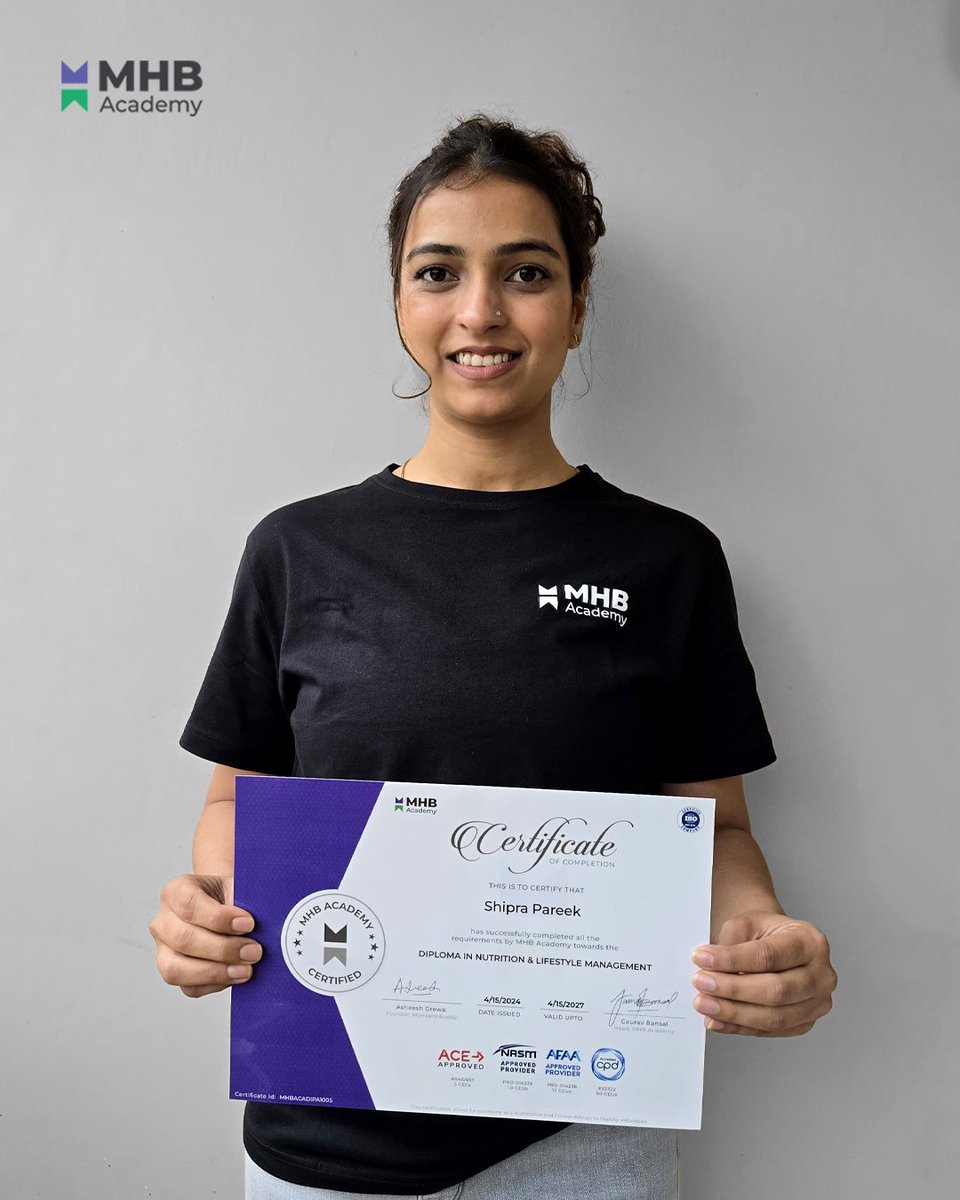
Shipra Pareek, a software engineer by profession, was hired as a health coach post Diploma course.
Working with MHB has been one of the most fulfilling experiences of my life. I’m proud to contribute to helping people achieve their health and fitness goals.
To prevent osteopenia,ensure adequate calcium & vitamin D intake,engage in resistance training,,avoid smoking & excessive alcohol, maintain a healthy body weight & limit caffeine.Regular bone density screenings & early lifestyle adjustments are essential for managing bone health.
A thread:
Osteopenia is a condition where bone density is lower than normal but not enough to be classified as osteoporosis, increasing the risk of fractures. Essentially, osteopenia is a warning sign, while osteoporosis is a more advanced stage of bone loss.
Did you know that Calcium is essential for:
Building strong bones & teeth
Supporting muscle function & movement
Helping nerves transmit messages
Regulating heartbeat
Calcium-rich foods in diet:
Dairy products (milk, cheese, yogurt)
Leafy greens (broccoli, spinach)
Nuts & seeds
Since magnesium is lost through sweat, those with intense training routines may need slightly more than average.
Regarding dosage, adult men typically need around 400–420 mg per day, while adult women require about 310–320 mg. Higher activity requires dosage on the higher end.
Magnesium is essential for effective workouts as it plays a key part in muscle and nerve function, energy production (by helping stabilize ATP), and overall electrolyte balance.
When levels are low, one can experience muscle cramps, fatigue, and reduced endurance.
Did you know that dehydration and electrolyte imbalance can cause painful leg cramps?
Losing fluids and electrolytes like potassium, calcium, magnesium, & sodium, can cause muscles to spasm and contract involuntarily-->cramps.
It can lead to severe dehydration, electrolyte imbalances & life-threatening complications.
Unlike a carefully managed keto diet (where ketone levels are kept in check), in DKA, the lack of insulin causes ketone production to skyrocket, making it a serious medical emergency.
Regularly checking blood sugar is crucial for diabetics because if there isn’t enough insulin to handle the carbs you eat, your body can’t use glucose for energy.
Instead, it breaks down fat & produces ketones that increase blood acidity, causing dangerous Diabetic ketoacidosis.
Do you want transform lives? Become a certified fitness coach with our comprehensive course!
Learn:
Nutrition fundamentals
Exercise science
Women's specific health & fitness
Client handling & coaching skills
Enroll now & start changing lives! DM to know more!
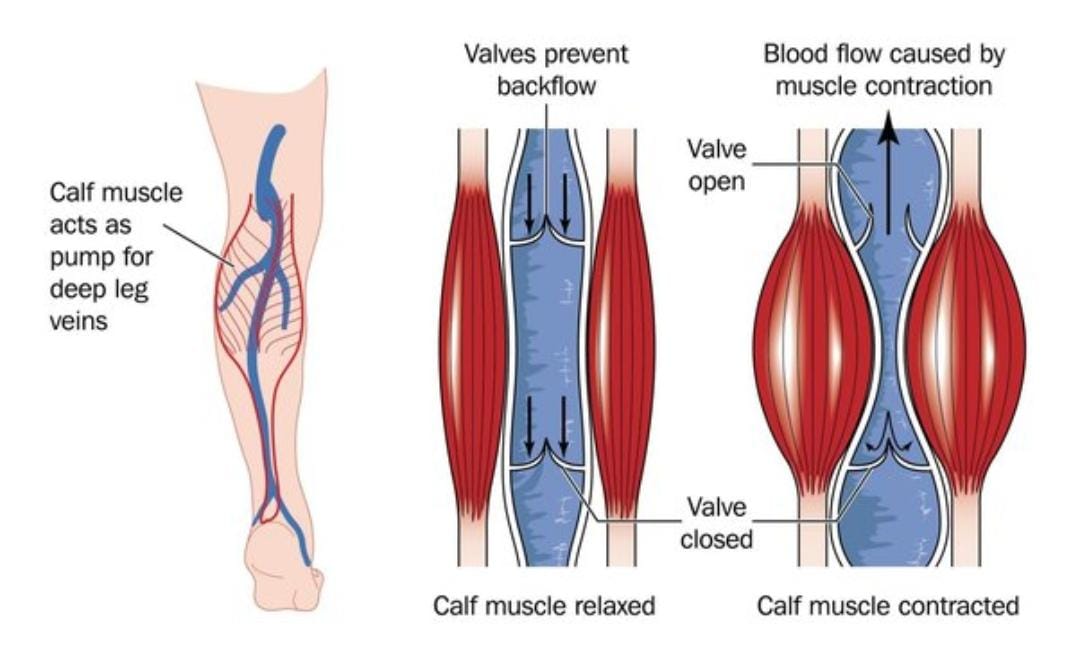
Prolonged sitting can also cause blood to pool in your legs, reducing circulation. This happens because muscles aren’t actively helping push blood back to the heart. To prevent this, try walking, calf raises, or flexing your feet while sitting to keep blood flowing.
A thread:
The skeletal muscle pump helps return blood to your heart. When your muscles contract, they press on nearby veins, pushing blood through one-way valves toward the heart. This is why staying active after exercise prevents blood pooling in your legs.
A better approach is to keep your focus on controlled movements, correct form, and steady, incremental gains in weight. That way, you’re building strength safely and effectively, rather than just trying to impress others.
Ego Lifting is when someone uses more weight than they can safely handle, usually to show off or push beyond their actual limits without focusing on proper form or technique. It’s a common trap that can lead to injuries and slow down real progress.
This method is particularly effective for improving flexibility, increasing muscle length, and enhancing range of motion, making it useful in rehabilitation for injuries, post-surgery recovery, and neurological conditions.
A thread:
PNF stretching (Proprioceptive Neuromuscular Facilitation) is a technique to enhance flexibility and range of motion by combining muscle stretching and contractions. The process involves three main steps.
PC- @NSCA
First, the muscle is gently stretched to its limit for 10–15s. Next, you contract the stretched muscle against resistance (like a partner’s hand) for 5–10s. Finally, relax the muscle and apply a deeper stretch, holding it for 10–30 s. This cycle can be repeated 2–4 times/stretch.