Environmental & energy law professor. Founder and Faculty Director, Sabin Center for Climate Change Law, Columbia Law School. Environmental lawyer since 1979.
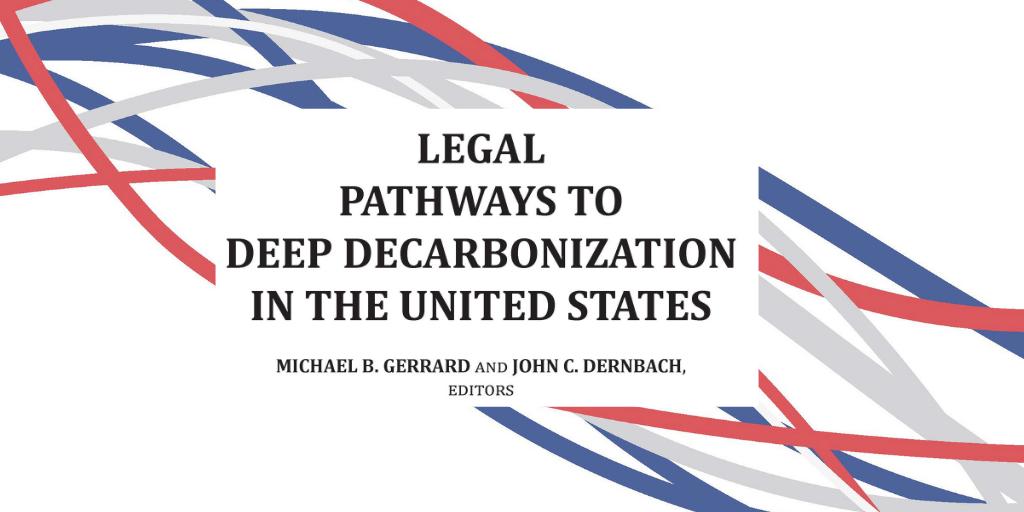
20 law firms have signed up for pro bono drafting of model laws to implement the 1000+ recommendations for deep decarbonization in our book. https://t.co/SDMgt5FLPv We still need more to cover all 35 chapters. See "How Lawyers Can Help Save the Planet." https://t.co/JHgz6f1h5m
Democratic state election wins open a new path for progress on climate, writes Michael Gerrard.
With public outcry over data centers and power costs, incoming leaders will have a mandate to rein in polluters, constrain utilities, and advance clean energy.
https://t.co/saDjzGJAs8
At least some of this may be illegal. Numerous federal laws require preservation of many official documents. See my 2025 legal analysis: https://t.co/orBtuXnRVg. Also, many of these documents may be relevant to pending or anticipated litigation; evidence spoliation is unlawful.
Tens of thousands of documents on contamination, clean power, and Trump’s climate deletions are now scheduled to disappear. (via @MotherJones) https://t.co/ChUTYLSLzC
of the Sabin Center for Climate Change Law and Environmental Advocates NY. We drafted these in partnership with Climate Mayors and ClimateXChange.
https://t.co/nbLhY449zY
Laws regulating data centers are popping up all across the country. We've drafted two model laws -- one for states, one for local governments. Some key elements:
-- Must use new, additional clean energy (no fossil; can't suck up existing clean energy from other users)
🧵
-- Transparency; no nondisclosure agreements
-- Advance notice to, and consultation with, affected communities
-- Community benefits
This is from the Model Climate Laws Initiative, https://t.co/UvMCwnjFak, a joint project
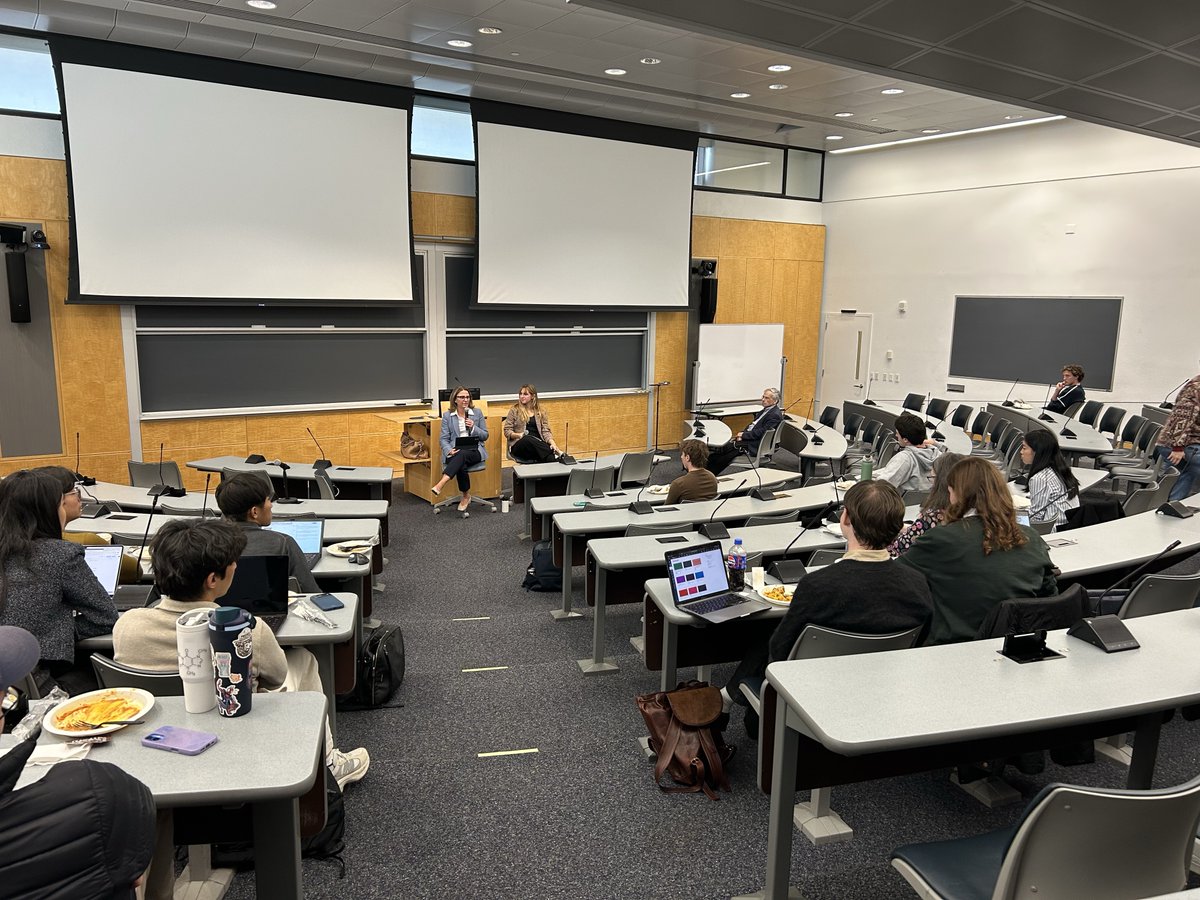
At @ColumbiaLaw sharing @NYSERDA's role in NY’s energy transition, how policies are made and implemented and the opportunities for associated career paths. Thank you to hosts Sylvie Binder, J.D. Candidate and @MichaelGerrard for the engaging conversation.
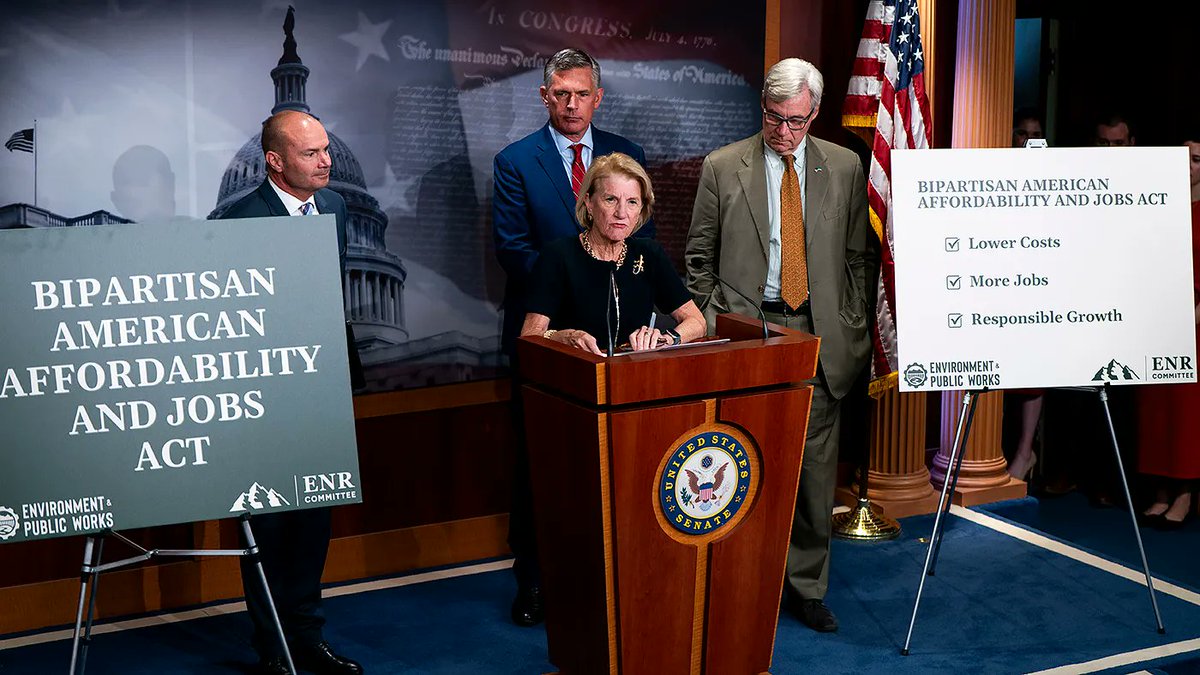
The Senate's bipartisan permit reform bill would upend the National Environmental Policy Act and also weaken the Endangered Species Act, the Clean Water Act, and the National Historic Preservation Act. My legal analysis: https://t.co/nuUCy80fBa
One year ago today, Trump's second inauguration day, the Sabin Center for Climate Change Law launched our Climate Backtracker to track his actions moving backwards on climate action. As of today it has exactly 300 items. That's 1.15 for every working day.
https://t.co/dErji85DFf
of life in New York as the token had been since 1953. New technologies have emerged that weren't envisioned in 1983 when we did our study, rendering the MetroCard obsolete, and it goes away when the ball drops at Times Square. But it served the city well for a generation.
The retirement of the MetroCard at midnight tonight is bittersweet for me. In 1983, as a young lawyer, I took a year's leave of absence from my law firm to serve as special counsel to Richard Ravitch, chairman of the NY MTA. He gave me the task of leading a study of modern ...
It's the final day of MetroCard sales—so as we say farewell to an icon, let's take a look at how it all started.
Thank you, MetroCard, for moving New York to the very last swipe.
decade for this to happen; the transit bureaucracy and unions had to be convinced, the computer systems needed to be created, all the subway turnstiles and bus fareboxes had to be converted, and much else needed to be done. But since 1994 the MetroCard has become as much a part..
December issue of Sabin Center for Climate Change Law's litigation newsletter: https://t.co/gBYEKhKMQv. In US, 11 new court decisions & 18 new lawsuits, filings; numerous cases in Brazil and Australia; cases in Mexico, New Zealand, Portugal, UK, European Court of Human Rights.
U.S. District Court in Massachusetts rules that Trump's order issued on Inauguration Day blocking new offshore wind projects is arbitrary and capricious and contrary to law, and vacates it. https://t.co/SLKu02AvCu
This new study shows the risk that flooding worsened by climate change poses to toxic sites. As I wrote in 2023, the U.S. regulatory system is ill prepared to deal with this threat, but there are ways the laws can be changed to address it. https://t.co/yKHUW7Jmve
In just 25 years, over 3,700 toxic facilities will be at risk of coastal flooding as seas continue to rise due to climate change. And those most affected will be the most vulnerable among us. Learn more in Climate Central’s new Toxic Tides report.
https://t.co/QBxLwCVdz3
In just 25 years, over 3,700 toxic facilities will be at risk of coastal flooding as seas continue to rise due to climate change. And those most affected will be the most vulnerable among us. Learn more in Climate Central’s new Toxic Tides report.
https://t.co/QBxLwCVdz3