Sleep staging models in LucidMe PRO
We’ve started training production-ready sleep staging neuromodels using the new polysomnography devices we developed last year. Numerous participants and hundreds of recorded nights are ahead of us.
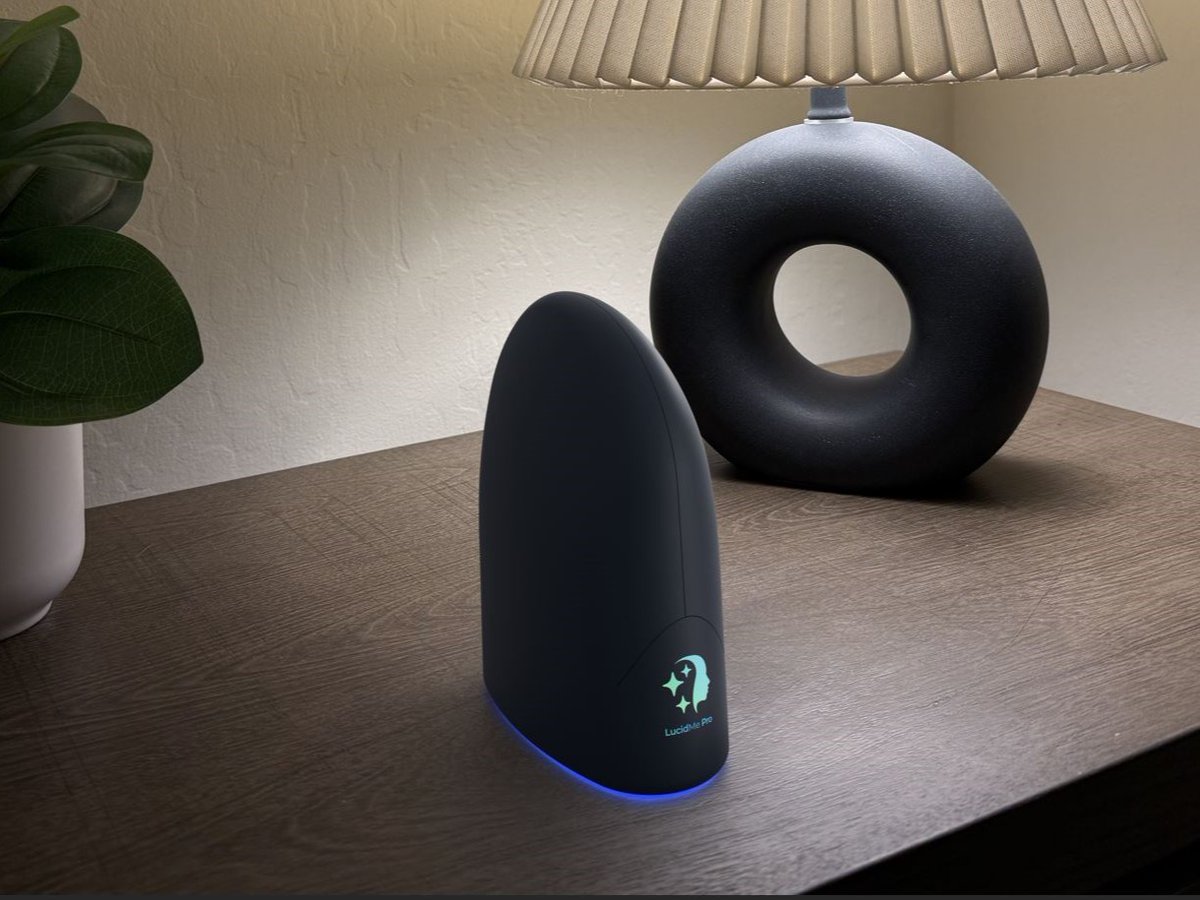
The process will continue until the end of the year, but the first accurate models should be ready by July. A simpler model will perform real-time inference directly in the mask, while the most powerful model will run on our servers.
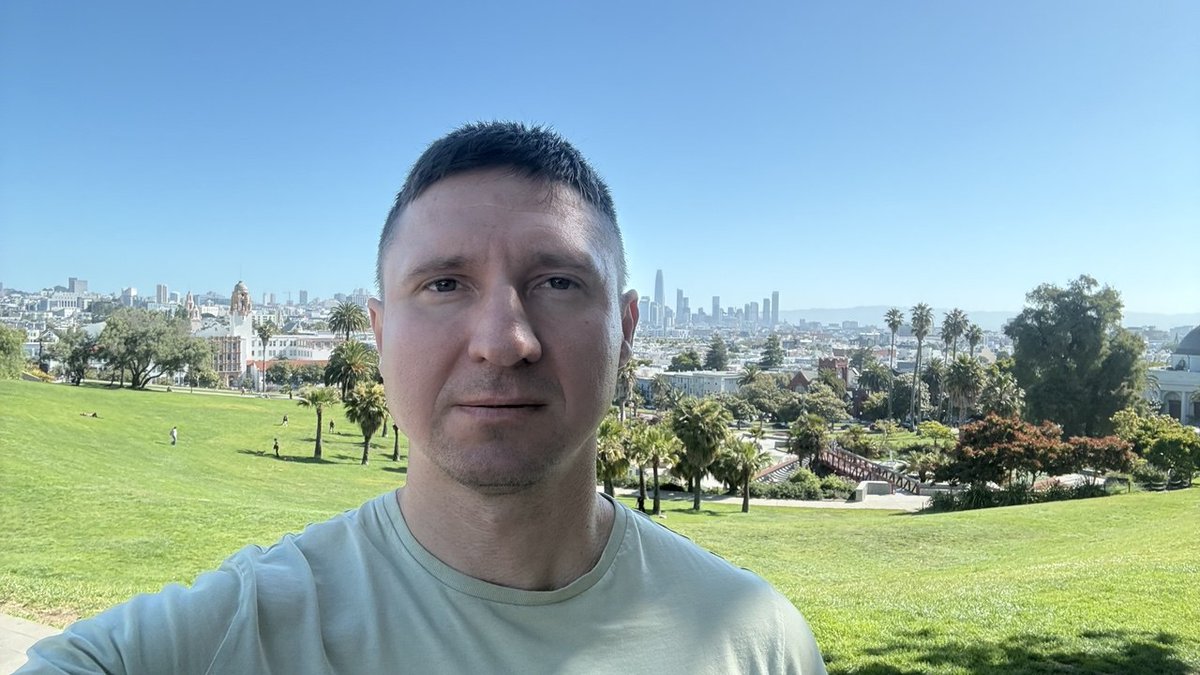
In the photo: one of our key scientists, Andrey Shashkov.
Three years ago, after four hours of suppressing basic instincts and significant blood loss, I took a shower and worked for another ten hours, including giving an online lecture.
The second time, it could have been done twice as fast. And with surgical equipment available, I could have finished it within an hour.
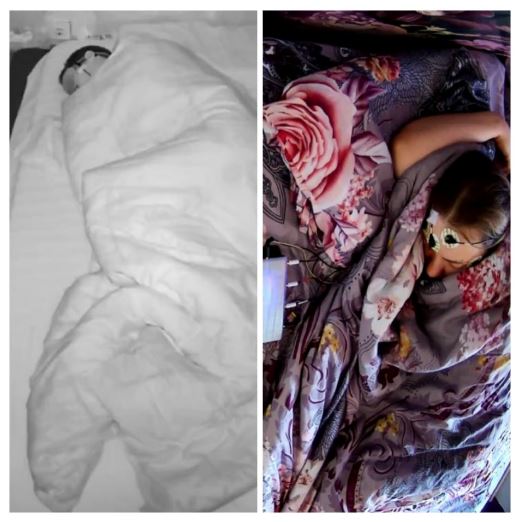
After six months of struggles, we finally got a stable prototype of the LucidMe PRO mask. All declared data are being logged and processed by basic neural models in real time. From this point on, everything should become much easier and faster. The wires in the photo are for debugging the EEG pathway.
All news is now published in the LucidMe app first. For example, yesterday we posted an update about the new masks.
After the new features we are rolling out in the upcoming updates, the app will become the main hub for most lucid dreamers from around the world
Android: https://t.co/MjHwkZNv2c
iOS: https://t.co/E0Rt5YX2Hc
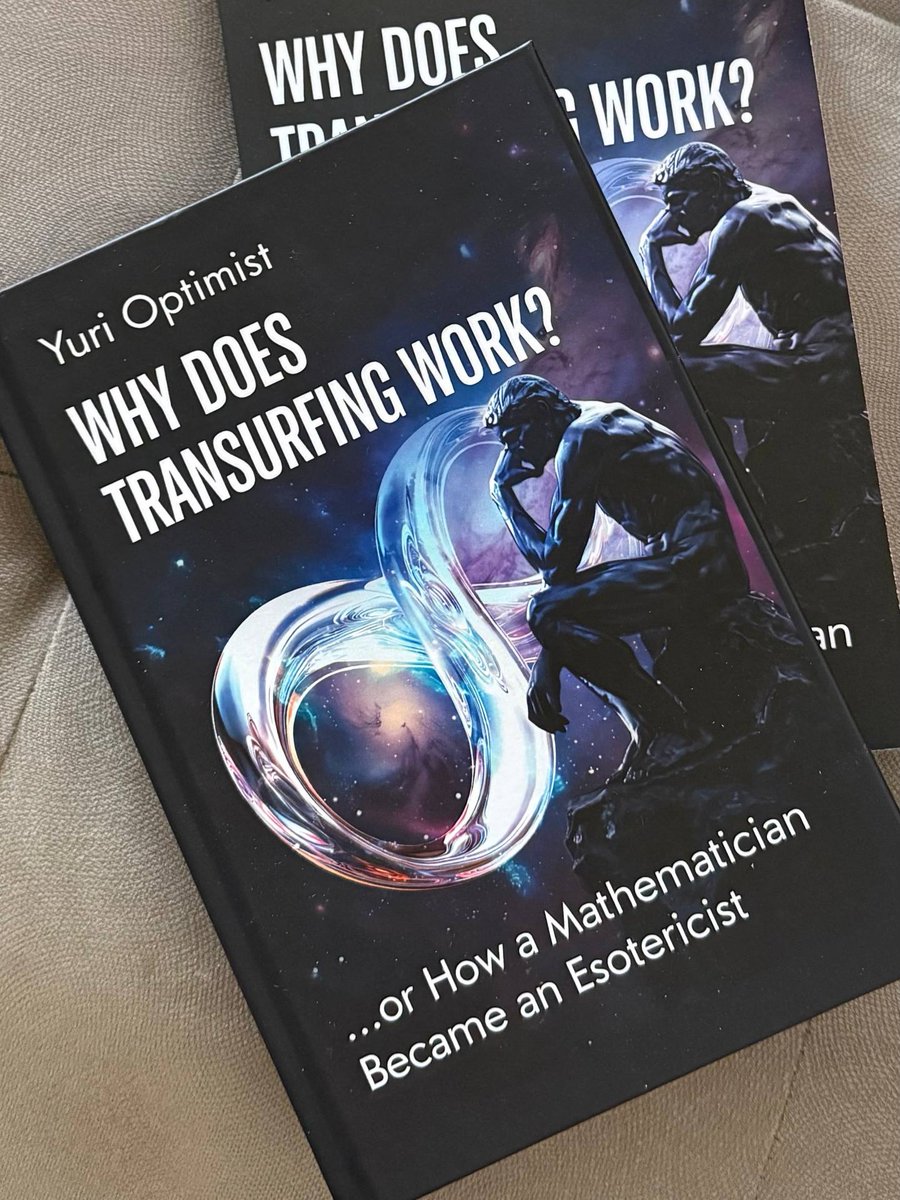
I usually don’t recommend books, but this one is different.
“Why Does Transurfing Work?” by Yuri Optimist explores an unusual intersection of lucid dreaming, artificial intelligence, and the nature of reality. It reads like an intellectual experiment, inviting you to see how far your thinking can go.
Yuri is also one of the key people behind REMspace, which makes this exploration especially relevant.
If you’re interested in lucid dreaming, the future of consciousness, or ideas that push boundaries, this is worth your attention.
Amazon: https://t.co/00W70cvNGH
REMspace has fully delivered the LucidMe smart sleep mask, and the entire team is now focused on developing its next version.
Despite everything, LucidMe was the most feature-rich smart sleep mask by a wide margin. Even in the context of lucid dreaming, it helped users enter such states not only through awareness during dreams, but also during falling asleep and waking up.
We did our best, but LucidMe still had significant limitations:
- I deliberately wanted to build a device with minimal sensors, since even breathing shows clear patterns across sleep stages. However, even two microphones couldn’t provide a reliable signal channel for all users.
- To unlock the full potential of the device for lucid dreaming, users needed a deep understanding of both the topic and the mask’s features. This is too complex for most people.
- The microcontroller’s resources only allowed for very basic neural models, limiting the overall quality of functionality.
These lessons will allow us to create something that is at least 10 times more powerful than LucidMe.
Transformation into Animals and Gender Change in Lucid Dreams
We’ve published a new paper exploring the remarkable flexibility of bodily perception in phase states, a phenomenon familiar to many practitioners. In these states, the brain can generate entirely new body parts (such as tails or wings) that feel completely natural, as if they’ve always been there.
Experiments like these help us better understand the nature of the self and its connection to the body. As phase states become more accessible, this may become one of the most compelling applications of the phenomenon.
Original in IJoDR https://t.co/LsDtEsCARM
More details in The Debrief https://t.co/iuooc5cFcm
REMspace would like to thank the co-authors (Elena Drøm, A. Nav Popenko, Zh. Zhunusuva) for their contributions, as well as all participants of Project Elijah who took part in the experiment.
Peer-reviewed paper on the first communication in lucid dreaming
Ahead of the April issue, the International Journal of Dream Research has published our scholarly article online: https://t.co/tvZAyuqYgs
There were many questions. Even some skepticism. Now, we can share all the details of how it was achieved.
Is lucid dreaming moving from a niche interest to a recognized area of technology?
I’m pleased to see REMspace featured in BBC Science Focus, highlighting our work in this emerging field of sleep technology https://t.co/sYlJfxX9ji
#REMspace#LucidDreaming#SleepTech#Neurotech
REMspace’s Take: How Sleep Will Change in 2026
This year, sleep will become interactive, shareable, and deeply restorative. People will be able to:
1. Share dream experiences
2. Link dreams to the internet, with smart sleep masks streaming brain activity
3. Program dream narratives before falling asleep
4. Sleep deeper and more efficiently
5. Synchronize dream themes with other people
6. Visualize dream content through AI
7. Enter lucid dreams on demand
8. Communicate between dreams using basic signals
9. Detect and modify nightmares in real time
10. Consistently recall vivid dreams every night
Sleep is becoming responsive, adaptive, and networked. Many still think this sounds impossible–but REMspace is already working in this direction.
Which ability would you try first? #REMspace #SomnoAI #Sleep
I would like to thank the outstanding @MensHealthMag team for covering my self-neurosurgery story in such great detail https://t.co/TgNe4zLtlB
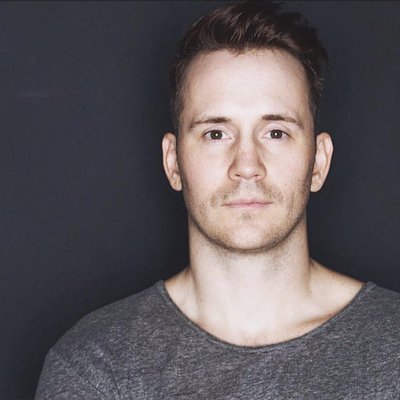
P.S. Is this one of my best photos so far?
Two years ago I placed three stars in the logo to symbolize our inner universe of REM sleep.
A few months ago, we transformed REMspace into an AI company.
Then I noticed that we already had the AI symbol in our logo.