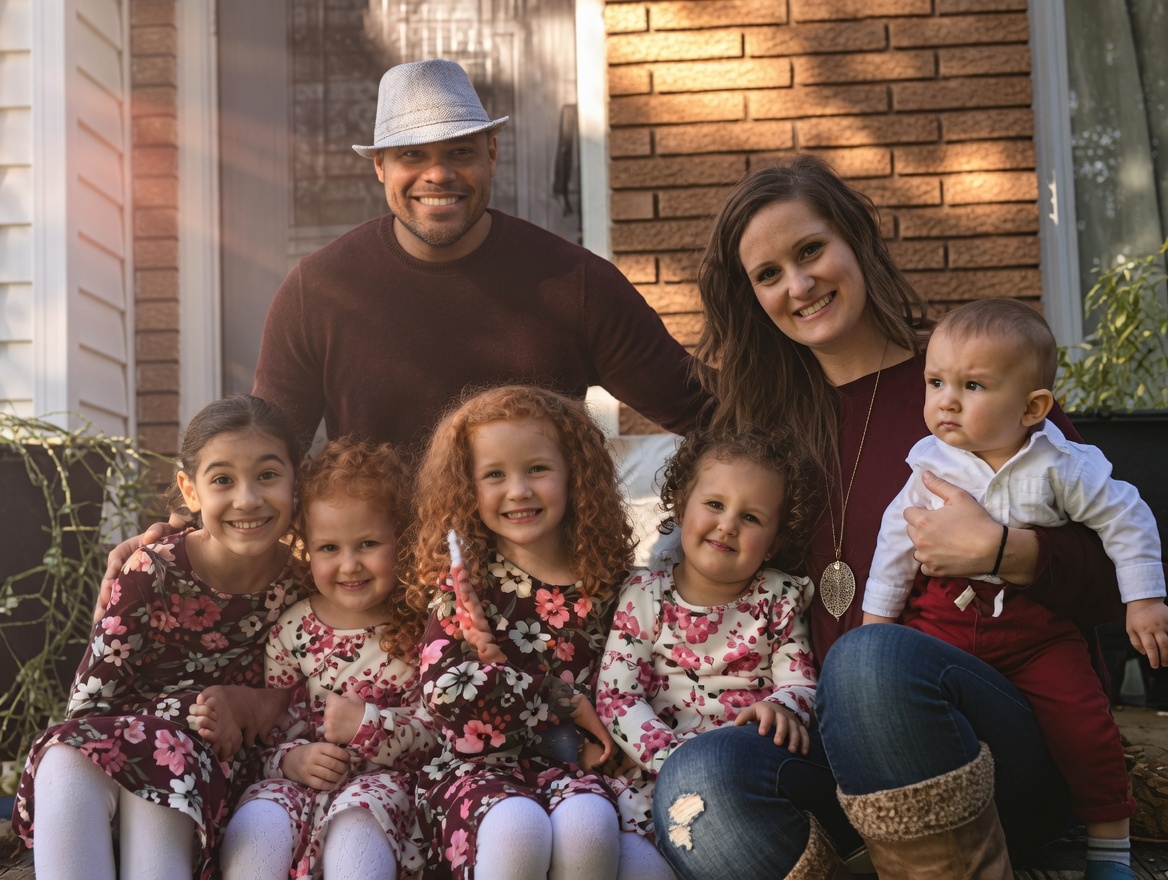
13-year-old New York boy Joe Petraro-Hyppolite, who has an IQ of 168, will be pursuing his master's degree at NYU in 2027.
The average age to start a master's program is 33.
Petraro-Hyppolite:
> Scored 1590 on the SAT at 10.
> Got a high school diploma at 11.
> Working toward his undergrad degree at 13.
> Accepted into a master's program at NYU at 13.
Insane.
oregano oil killed every single bacterial strain it was tested against in a Georgetown University study including strains that were resistant to pharmaceutical antibiotics. every strain. zero survivors
that sentence should have made international headlines. a plant extract outperforming prescription antibiotics against resistant bacteria is the kind of finding that changes medicine. it didn't make headlines because a $12 bottle of oregano oil can't fund a pharmaceutical marketing campaign
the mechanism is carvacrol and thymol. two compounds that destroy bacterial cell membranes on contact. the bacteria cannot develop resistance to this mechanism because the compounds attack the physical structure of the cell rather than a specific metabolic pathway. antibiotics target pathways. bacteria evolve around pathways. oregano oil targets the wall itself. you can't evolve around having your wall destroyed
• killed staphylococcus aureus, E. coli, and pseudomonas aeruginosa in laboratory conditions at concentrations achievable through oral supplementation
• eliminated H. pylori (the bacteria behind most stomach ulcers) in clinical use when pharmaceutical triple therapy failed. a backup treatment that outperformed the first line
• antifungal activity against candida albicans comparable to nystatin (a prescription antifungal) in direct comparison studies
• antiviral properties demonstrated against norovirus and herpes simplex virus in laboratory settings. one compound active against bacteria, fungi, AND viruses simultaneously
• reduces SIBO (small intestinal bacterial overgrowth) symptoms as effectively as rifaximin ($1,500 per course) in a Johns Hopkins affiliated study. a $12 oil matching a $1,500 antibiotic
• the antibacterial mechanism does not destroy beneficial gut bacteria at normal supplemental doses because the beneficial strains have naturally thicker cell walls. the selective toxicity is built into the chemistry
the pharmaceutical industry generates $46 billion annually from antibiotics. a $12 bottle of oregano oil matching or exceeding multiple prescription antibiotics in laboratory and clinical settings is an existential threat to that revenue. the research exists. the FDA classification prevents health claims. the gap between what the science shows and what the label is allowed to say is where the profit is protected
2 to 4 drops of emulsified oregano oil in water 2 to 3 times daily for acute infections (limit to 2 weeks max). for maintenance: 1 drop daily or every other day. must be emulsified or enteric coated to prevent esophageal irritation. north american herb and spice (Oreganol P73) is the most researched brand. $18 for 2 months
a plant that has been used as medicine for 4,000 years killed every antibiotic resistant strain thrown at it in a Georgetown University laboratory. the pharmaceutical industry responded by making sure you never heard about the study.
At times, the joy that life attacks me with is unbearable and leads to gasping hysterical laughter. I find myself completely out of control and wonder how could life could surprise me again and again and again, so completely. How could a man be a cynic? It is a sin.
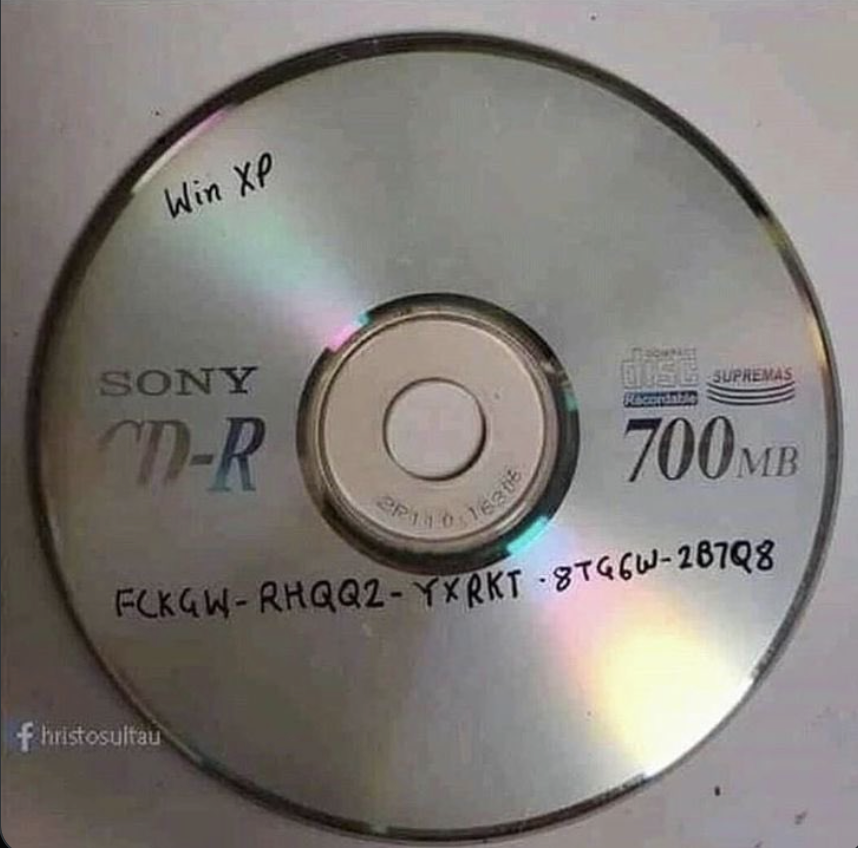
This is the story of FCKGW-RHQQ2-YXRKT-8TG6W-2B7Q8.
I was the primary author of Windows Product Activation on the operating systems side. Not the key math – those were the ACTUALLY smart guys with heads so big that they bumped the doorjamb on the way into your office. I just did the protection of and integration into the operating system.
As you likely recall, Product Activation required that you have a key, and you’d have to activate it online or over the phone.
But Microsoft had large corporate customers, think hundreds of thousands of PCs, and those customers did not want to have to activate every offline PC. So in that case, you would be given special “Volume Media” that could be unlocked with a Volume key.
That way, a volume key could never unlock your retail CD.
Now, to know what media you have, I inspect the disc image. And the Volume licensing media contained a special binary blob that I made. It was about 10MB of data, entropy stripped, hard to duplicate on Usenet at the time. And it was only present on the Volume media.
That secret data, which I hashed and checked to match to the key, was Microsoft Bob. I took their disc data and compressed and encrypted it several times. Rest assured it’s encrypted and even in the AI age no one has extracted it yet. I really just needed random data, so I started with a precompressed binary image because, secretly, I was young and didn’t know if I could trust CryptGenRand
And so, if you ever tried the FCKGW key on a regular XP CD, it wouldn’t work, because you didn’t have Bob buried in your bits.
But if you had the means in 1995 to download large ISO binaries or copy CDs, all it took was the key and a copy of the disc.
The key itself still had to pass the product-key validation math (the part I didn’t own). Once it did, WPA simply skipped the rest of the process. That combination—valid VLK + matching volume media—is what made the install look fully legitimate, including early Windows Update checks.
How it leaked
RTM went to manufacturing on 24 August 2001. Retail launch was 25 October. Roughly five weeks before launch the warez group Devils0wn (often written “Devil’s Own”) posted a complete, non-beta “Windows XP Pro Corporate” ISO together with the FCKGW key. That ISO was the volume media. Pirates then started baking the key into images or just writing it on the CD with a Sharpie. The famous photo of the marked-up disc is from that scene.
The most plausible source is an OEM or hardware partner that received final media early so they could ship PCs on launch day. Dell is the name that comes up most often; Intel has also been mentioned because of later source dumps. There were very few organizations that actually possessed a VLK that early, which is why the timing points at a partner rather than a random corporate customer. But I do not know. Presumably someone does.
Aftermath
We started blacklisting the Product IDs that belonged to the leaked keys (FCKGW decoded to one of the 640-range PIDs we later treated as toxic) in SP1. SP2 and Windows Genuine Advantage made the check more aggressive and also started blocking updates for those installs. Other, un-leaked VLKs continued to work on volume media for years; Microsoft did not kill the entire volume-licensing path, just the ones that had escaped.
So the design decision was “give trusted big customers a convenient offline path.” The operational failure was that the media and one of those keys left the building before the product even reached stores. Once both pieces were public, WPA’s hardware-binding never got a chance to run.
These Days
If you’re curious about what I’m doing today, check out Task Manager TMOG at https://t.co/OZcq1axGTb where you can download the Free version! It runs fully native on Windows, Mac, and Linux!
I wrote about the state of AI, why I’m concerned about the next few years, and the choices we need to make to keep the future in humanity’s hands.
An Alien Mind: https://t.co/FeIfWNe0UE
MIT, autumn 2011. Four years before his death, an eighty-four-year-old man explained, on camera, why the self you feel yourself to be is an illusion built out of stupid parts. Then he showed you which ones.
Marvin Minsky co-founded the MIT Artificial Intelligence Laboratory in 1959, with John McCarthy. He won the Turing Award in 1969. He built a robotic arm in the late sixties that used a camera and a computer to stack blocks, and it was that work, trying to make a machine pick things up, that pushed him toward the question of what a mind actually is.
He was also the technical adviser on 2001: A Space Odyssey, and he is named inside the film itself.
The course is 6.868, The Society of Mind. There is no single thinker inside your head, he tells the room. What you experience as one continuous self is the output of a large number of small processes, none of which is intelligent, none of which understands what it is doing, and most of which are arguing.
Intelligence, on his account, is not a thing. It is what a crowd of stupid mechanisms looks like from the outside once they are organised well enough to argue their way to an answer.
Then he spends thirteen lectures naming the crowd.
Consciousness. Emotion. Pain. Why an infant cries. Why you can be in two minds about something, literally, because on his account you are made of minds, plural, and disagreement between them is not a malfunction.
One lecture is called From Panic to Suffering. Another asks what consciousness is, and argues the question itself is badly formed, which is a stranger claim than saying it is hard.
He teaches it the way an old man tells stories. No slides marching forward, no script. He wanders, digresses, follows a thought sideways for ten minutes, and lands somewhere you did not expect.
This is the last recording of the course. Minsky died in January 2016, at eighty-eight.
It is free. Thirteen lectures, the readings, the assignments, and the book the course is built on, which he put on his own website. No login, no cohort, no waitlist.
What it costs you is the sense that there is someone in there running the show. By the end, he has replaced that someone with a committee, and told you what sits on it.
Earth is just one of about 100 billion planets in our galaxy, which is just one of about two trillion galaxies in the universe. And our lifetimes are only about 1/3,000 of humanity's existence, which itself is only 1/20,000 of the Earth's existence.
In other words, we are unbelievably tiny and short-lived and no matter what we accomplish, our impact will be insignificant.
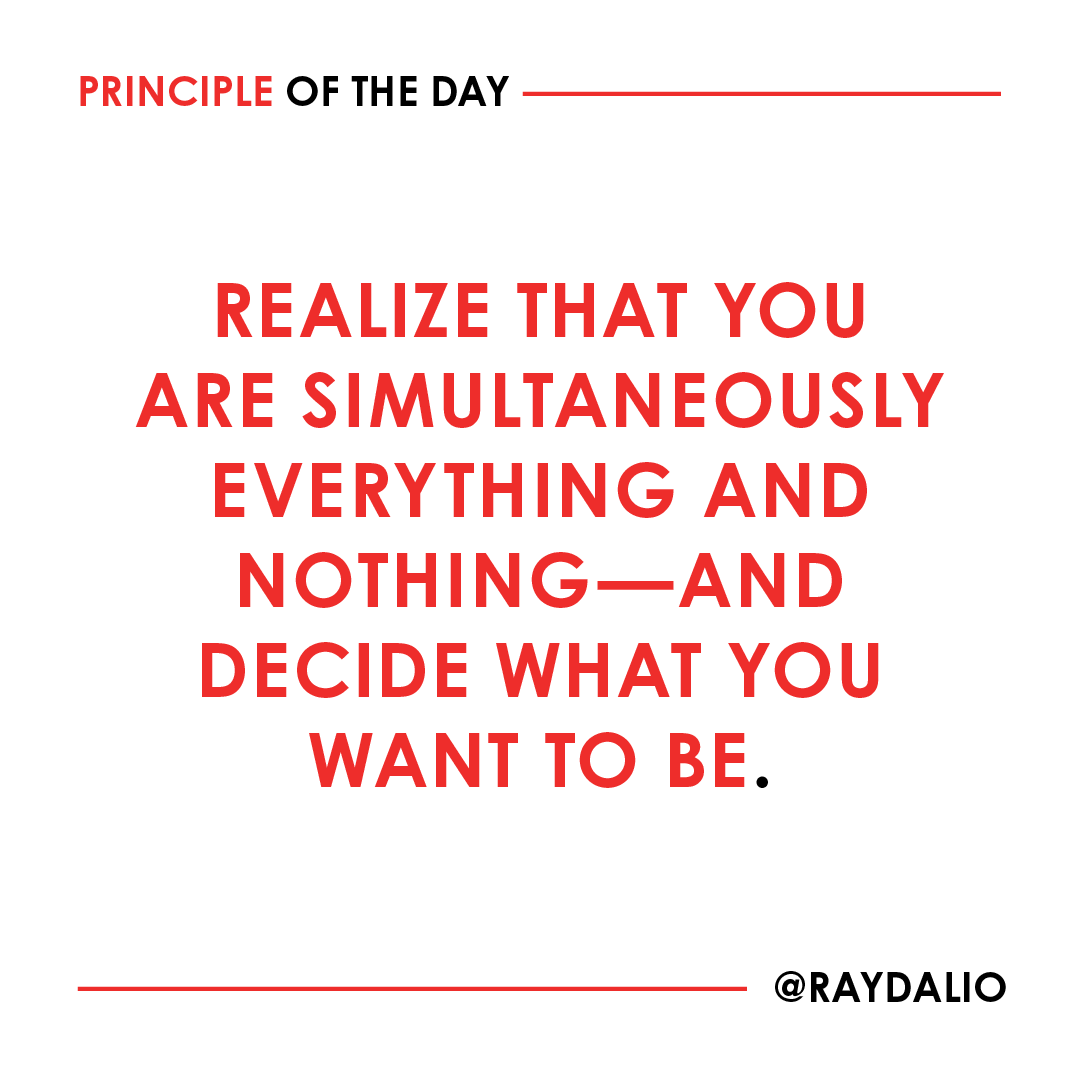
At the same time, we instinctually want to matter and to evolve, and we can matter a tiny bit--and it's all those tiny bits that add up to drive the evolution of the universe. #principleoftheday
My greatest blackpilling event was probably when I volunteered to do "hometown recruiting" when I was in the Coast Guard.
I drove to dozens of high schools all over Northern NY, talking to kids about life in the USCG.
Met hundreds of students -- got zero applicants.
I had assumed that it'd be a very easy thing, particularly because at the time, the CG was desperate for new recruits (which was very unusual).
So all I had to do was find the young men, tell them about the legitimately adventurous life that the USCG could offer them, share my glowing review of my time in the branch, and get them in contact with the recruiting office. The door was wide open for them to make what would certainly be one of the best decisions in their young life.
Instead of finding adventurous young men, I found visibly distressed, obese, effete, proudly lazy teenagers whose primary concern seemed to be about whether the job was "easy" and whether you get cell service when underway on a Coast Guard ship. Many were visibly high on marijuana, clad in sweatpants, long-haired, dead to the world.
Their interest was only vaguely piqued at the idea of the GI Bill. And at any appeal made to the bold adrenaline and selflessness of Search and Rescue operations at sea, I was met with bafflement and total disinterest.
At first, I thought it was a fluke -- that the school I visited first simply had a student body that was particularly dysfunctional. But soon, I found myself having the same experience at every school, without exception. And this went on for weeks. Day in, day out, the portrait of America's youth I saw was dismal.
If you ever wonder why I seem to have developed a passion for telling young men to get their asses in gear, to grow up, grab life by the horns, and to reject all forms of self-pity and passionlessness -- I think I picked it up when I did Hometown Recruiting.
At midnight on February 6th, earlier this year, the doorbell to our apartment rang. The doorbell was followed by a pounding on the door. I answered the door and a security person in our building handed me his phone. It was my oldest daughter Eloise. She had found my 26-year-old daughter unconscious on the floor of her apartment and had called 911. The EMT team was already there, but they did not know what was wrong with Lucy or to which hospital they would take her.
I threw on some clothes and jumped in an Uber heading east toward Brooklyn. (Lucy lived alone in Williamsburg.) On the way, I learned that they were taking her to Elmhurst, a City trauma hospital in Queens. I arrived about five minutes after the ambulance to join Eloise, Lucy’s mom, and a friend, and waited to learn what was wrong.
After about 15 minutes, I asked a nurse where she was. I looked over his shoulder to his computer. Next to her name, it said “non-responsive.” I walked into the emergency room and wandered around looking for her until I found her unconscious on a gurney surrounded by several doctors and nurses.
By about 2:30am with the results from a CAT scan, Lucy’s doctors had determined that she had a massive brain hemorrhage and would need an emergency hemicraniectomy to release the pressure on her brain and remove the blood from the hemorrhage. I called our wonderful friend and family doctor Eddie Fisher and explained what was going on. He woke up Josh Bederson, Chairman of Neurosurgery at Mount Sinai, to find out more about Zach Hickman, the neurosurgeon on call that night. Dr. Bederson said Hickman was an excellent surgeon, which was comforting as we had no choice.
The surgery to save Lucy’s life began around 3:15am and finished around 5:30am. It was successful.
The following day, I joined Lucy in an ambulance while she was being transferred to Mount Sinai on Madison Avenue. Later that day, we determined from Lucy’s Oura ring that her hemorrhage had occurred around 9am, which meant that more than 19 hours had passed from the time of the hemorrhage to the completion of the surgery to release the pressure on her brain (I only wish @ouraring had an alert for this kind of a medical event. Imagine it could call a family member if the wearer doesn’t cancel the alert).
I later learned that the standard of care is not to do surgery to save a patient with a large brain bleed if more than five hours have passed since the hemorrhage. Even when the surgery is done, I was told that the likely outcome for the patient is a few months in a nursing home and death from pneumonia.
When I met Lucy’s doctors, I did my best to inspire them: “Let’s see what can be accomplished if we give her the best care possible and we invest unlimited resources to restore her to life.” And I promised that whatever we learned we would make available to everyone.
Dr. Chris Kellner, her neurosurgeon, and Dr. David Putrino, Director of Rehabilitation Innovation for the Mount Sinai Health System have led Lucy’s care team since that day. Words cannot describe the remarkable and compassionate care that she has received beginning with the EMT team and then from nurses, doctors, therapists, and the army of people who have worked to save her and return her to life. To this day, we have a daily Zoom where we discuss her progress and make adjustments to her care. While her care and oversight have been incredible, the learnings for the Mount Sinai team have also been elucidating and will assist in the care of many others.
Lucy began in a bad place. She was in a coma for several weeks and then awoke not being able to breathe on her own, unable to walk, see or speak.
Over the last six months, she has recovered her cognition – she understands everything including her circumstance – is able to walk a hundred or more steps at a time with assistance, is making progress with sounds, vowels and consonants and the beginnings of speech, but she remains unable to see.
Each day, she makes a little progress, and daily progress compounds. Every day I tell her that she just needs to make a little progress and it won’t be long before she is back.
We remain optimistic that Lucy will return to normal function. It will likely take years, but I believe it is only a matter of time, hard work, and technological progress, along with some, and perhaps a lot, of divine intervention.
Many people have been praying for Lucy and we are incredibly grateful for the prayers and remarkable support she has received. Lucy’s friends have been with her every day since the beginning, and their presence and friendship have saved her life and helped to rebuild and maintain her spirit. And on a very positive note, Lucy’s challenge has brought together our entire modern family who have all been incredibly devoted to her care and recovery.
Lucy's vision and other faculties may require some form of brain computer interface, work that is underway at Neuralink, Precision Neuroscience, Science, Synchron, Nudge, and other companies in the space.
If you are going to have a devastating brain injury, now is the best time in history for that to happen. We are living in a world when you can be confident that the blind will soon see again. We are going to do everything we can to help make that happen, including by assisting existing companies in the space.
With respect to our promise to make Lucy’s care available to others, we have made good progress. In May, a real estate colleague made me aware of a 93% vacant, brand new, 400,000 square foot Class A+ purpose-built biotech facility on West End Avenue between 65th and 66th Streets that missed the market and was available for sale. The Pershing Square Foundation acquired the building 60 days later.
We also put under contract an adjoining 130,000 square foot building at 320 West 66th Street that is currently being used by Saturday Night Live for studio space. The building has 35-foot ceilings with massive column-free spaces that can be converted into superb rehabilitation facilities. We will close on the SNL building in December.
We are also acquiring an adjoining vacant lot with additional air rights. With just the existing zoning rights, we can add a 150,000 square feet for a total of 680,000 square feet, a lab footprint larger than Rockefeller University, and that’s without including the potential for an upzoning that would allow for substantially more buildable area on the site’s 3.4 acres with spectacular views of the Hudson.
Our goal is to build the world’s greatest brain research, rehabilitation, recovery, human optimization, and longevity institute. We have named it The Ackman Oxman Institute or the AOI for lack of a better name, but also to reinforce the point that Neri and I and our family are all-in on the mission.
The AOI will be patient-centric. It will not be an academic research institute that produces lots of papers, a Nobel Prize winner or two, but little if any results for patients. We will be laser-focused on cures, treatments, devices, rehabilitation and exercise equipment, and targeted and basic research with a goal of massively accelerating the time from idea to innovation to production to helping a patient.
While the AOI will be a non-profit, it will have highly commercial instincts. The AOI will have its own venture funding and will work to develop innovations to create companies that we will seed, assist, and spinout to ensure technologies, treatments, techniques, and drugs get to patients as promptly as possible.
On one 3.4 acre campus in what is still the greatest city in the world, we will do neurosurgery, neuroscience, rehabilitation, nutrition, BCI and device development, human trials, hyperbaric oxygen treatments, and life extension programs, and we will mandate and incentivize collaboration among the teams with no silos, politics, bureaucracy, or any other constraint that is inconsistent with the mission.
Mount Sinai will be an important partner and deservedly so, but it won’t be our only hospital or medical school partner as we don’t believe any institution has a monopoly on the best ideas or the best talent. We don’t believe in exclusive relationships because that is not in the best interest of patients.
Five years ago, we considered launching a brain institute inspired by Neri’s mom who sadly died from Alzheimer’s. We couldn’t make the math work as the real estate was too expensive and we believed it would be too difficult to recruit the best talent from universities to our effort.
Since then, the real estate became available at a 70% discount, universities became a much less attractive place to work due to politics outweighing meritocracy, protests that disrupt learning, the curse of antisemitism, and a decline in funding. Fortunately, during the same time, I made sufficient personal economic progress to make the AOI possible.
The advance of AI in the last few years will also enable us to greatly accelerate our mission. AI still has a lot to learn about human intelligence and the brain, and the AOI should be at the forefront of the interplay between the brain and AI.
Today, I am making a public filing disclosing a gift from Neri and me of ~$400 million or 10,000,000 shares of Pershing Square Inc. (PS) to the AOI. It is very early days for Pershing Square so these shares are intended to anchor the long-term work of the AOI as the shares compound over time while generating what we expect will be a growing stream of quarterly dividends to fund the Institute.
We will also be announcing an additional gift of similar and potentially greater size which won’t be in the form of Pershing Square stock to provide the AOI with the short- and intermediate-term runway necessary to enable it to achieve its goal of becoming a self-sustaining institute, which reinvests all of its revenues, royalties, and the economic rewards of company formation to advance the fields of brain health and human longevity.
Neri and I have chosen to anchor the funding of the AOI to maintain vision alignment and limit the need for the organization to focus on fundraising. We expect the AOI to be the best-resourced brain, rehab, recovery, and longevity institute in the world.
We are grateful to have been able to form a board which includes Dean Kamen (our generation’s Thomas Edison), George Yancopoulus (CEO of Regeneron), James Rothman (Nobel Laureate), Bernardo Sabatini (neuroscientist), Chris Kellner (neurosurgeon), Olivia Flatto (CEO Pershing Square Foundation), Neri Oxman, and myself.
We have recently identified a CEO who we expect to announce by October along with other key hires, and are beginning searches for a Chief Scientific Officer, a Chief AI/Technology Officer, a Chief Operating Officer, a Chief Financial Officer, and other key leadership roles.
If you find what we are building compelling and want to be part of the leadership team that creates and builds the AOI from a standing start, please send an email to: [email protected] with a short note as to why you believe you can help. Please include your best three ideas for the AOI along with a summary of your background and your most important accomplishments.
We promise strict confidentiality to those expressing interest in working with us.
We have learned from Lucy that the brain can recover from even catastrophic injury. There is so much more work to be done as the mind is a terrible thing to waste.
For details from my Pershing Square SEC filing see:
https://t.co/gZKafCw6Ia
URGENT: Sepehr Amirzadeh, a young medical student in Iran, has reportedly been sentenced to death after treating wounded protesters.
I am calling on every doctor in Iran and around the world: please help save your fellow future doctor.
His name is Sepehr Amirzadeh. He is a medical student. He reportedly faces execution in Iran.
His “crime”? He treated wounded protesters during January uprising. He tried to save lives.
When people were bleeding, Sepehr did not ask about their politics. He did what medicine demands: he helped the wounded.
For that act of humanity, security forces raided his home, arrested him and now he may be sent to the gallows.
Doctors of the world, please do not let him face the executioner alone. Be his voice. Save Sepehr.
#SepehrAmirzadeh
#StopExecutionsInIran
The pre AI world is gone. It will never come back.
From here, intelligence gets cheaper, more abundant, and more capable. Science accelerates. Engineering accelerates. Robotics accelerates. Entire industries begin moving at speeds that once seemed impossible.
Acceleration will be accelerating.
3 months in 2027 may feel like the entirety of 2026 compressed into a single quarter.
By the time most people realize how much has changed, the old world may already feel very distant.
We are entering the fastest technological transformation in human history.
You could move to New York City.
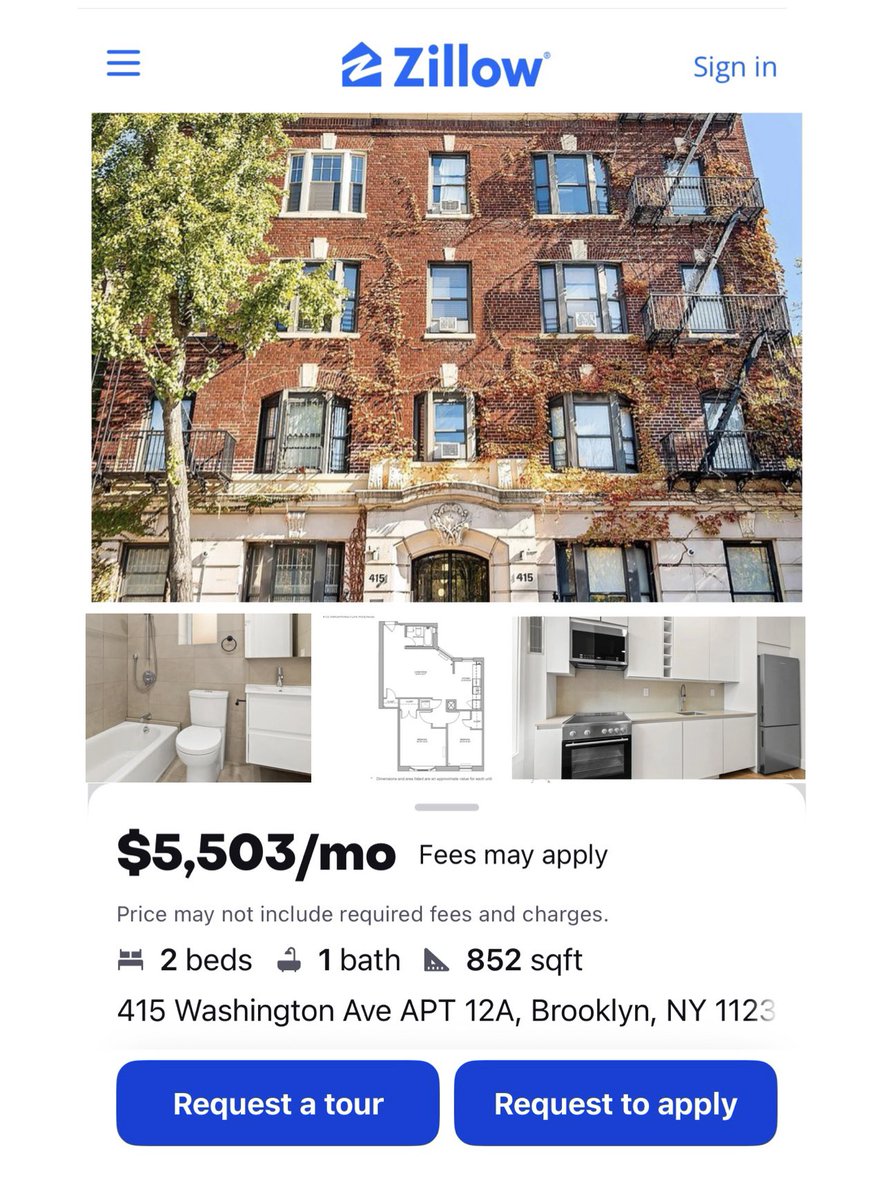
Rent an 852-square-foot apartment for $5,503 a month.
Blow $500 on three “first dates” a week and somehow remain single for six years.
Finally meet someone you like, then discover they’re “not really looking for anything serious right now.”
Get a master’s degree so you can qualify for an internship.
Apply to 147 jobs, get 93 automated rejections, and finally find an “entry-level” position requiring five years of experience.
Eventually land a six-figure job and still need a roommate to make rent.
Pay federal income tax, New York State income tax, AND New York City income tax because apparently living there is a three-level subscription.
Learn that a “quiet neighborhood” means the sirens only come by every 20 minutes.
Pay $27 every day for a sandwich (no sides) because the place has exposed brick and a handwritten menu.
Take the subway to work every morning and develop the useful skill of pretending not to notice absolutely anything happening around you.
Spend 45 minutes traveling three miles.
Carry your groceries home six blocks because parking near your apartment is more of a philosophical concept than an actual possibility.
Have “owning a washer and dryer” become one of your primary measures of generational wealth.
Walk past a mountain of trash bags on your way to a restaurant with a Michelin star.
Tell your friends back home you don’t need a car while spending $46 on an Uber because the subway is delayed again.
Go to Central Park when you want to remember what trees look like.
Spend your twenties telling everyone you could NEVER live anywhere else.
Then one day you visit your cousin in Iowa.
He has a house with four bedrooms, a garage, a yard, two cars, four kids, and somehow pays less than you do for the apartment where your refrigerator touches your couch.
But hey.
The NYC bagels are incredible.
35-year-old father of five, Garnet Harper, was denied a life-saving kidney transplant in Ontario — not because there weren’t donors, but because he hadn’t received the COVID vaccine.
His own brothers had volunteered to give him a kidney, yet no hospital would perform the surgery.
Garnet passed away in May, leaving behind his wife of 12 years and their five young children. While he was still fighting for his life, hospital staff asked his wife if they could harvest his organs once he was gone.
He was considered unworthy of receiving a transplant while alive… but valuable enough to take organs from once he died.
This isn’t just a policy debate anymore. It’s a family that will never be whole again.