@Ticketmaster ive been on hold for 30 minutes now to talk to a supervisor. I have an event in 24 hours with a tickets not being able to download that has still not been resolved with numerous calls!!!
@TMFanSupport ive been on hold for 30 minutes now to talk to a supervisor. I have an event in 24 hours with tickets not being able to download that has still not been resolved with numerous calls!!!
ANOTHER GIVEAWAY! Aggie head covers this time 😈
To enter, you must:
-Follow our account
-Quote tweet this post
-Tag (3) friends in the comments
*we can ship anywhere in the United States
One lucky winner will be selected Nov. 14th at 2:30 PM CT!
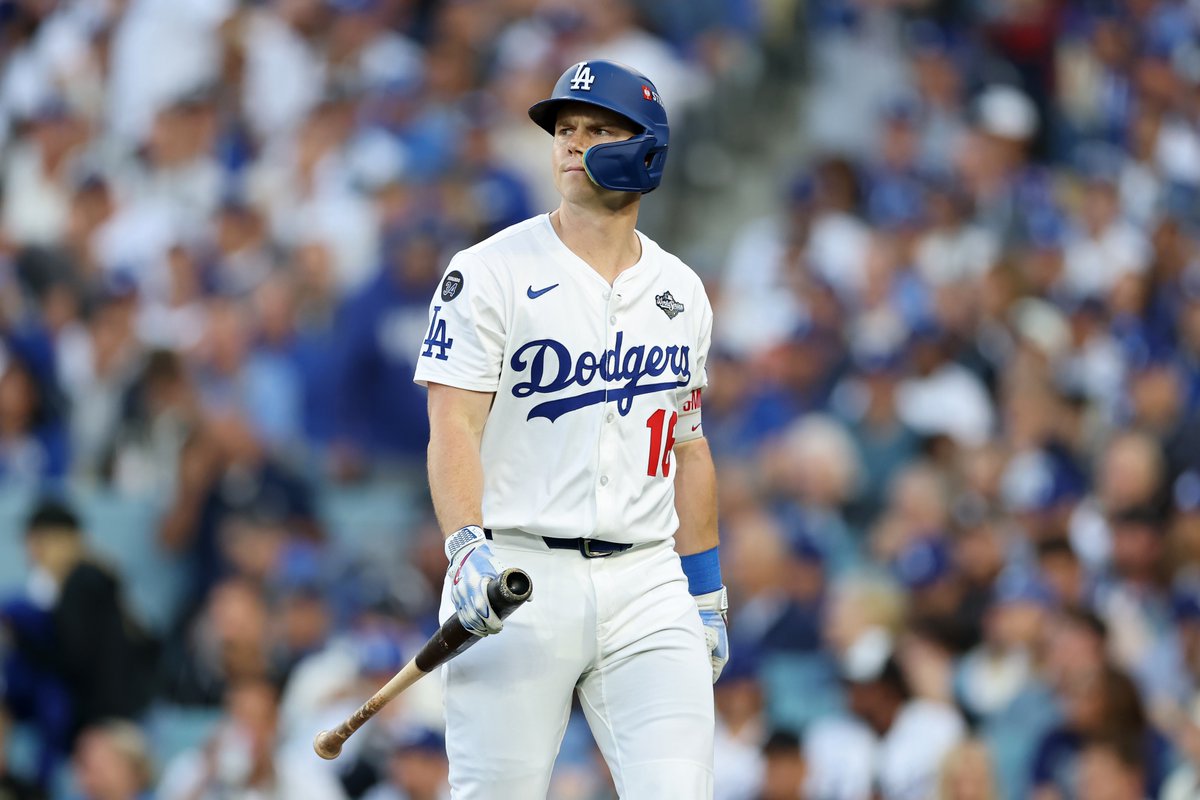
A player named Will Smith has now won the World Series for the 6th consecutive year
2020 Will Smith (LAD, C) ✅
2021 Will Smith (ATL, P) ✅
2022 Will Smith (HOU, P) ✅
2023 Will Smith (TEX, P) ✅
2024 Will Smith (LAD, C) ✅
2025 Will Smith (LAD, C) ✅
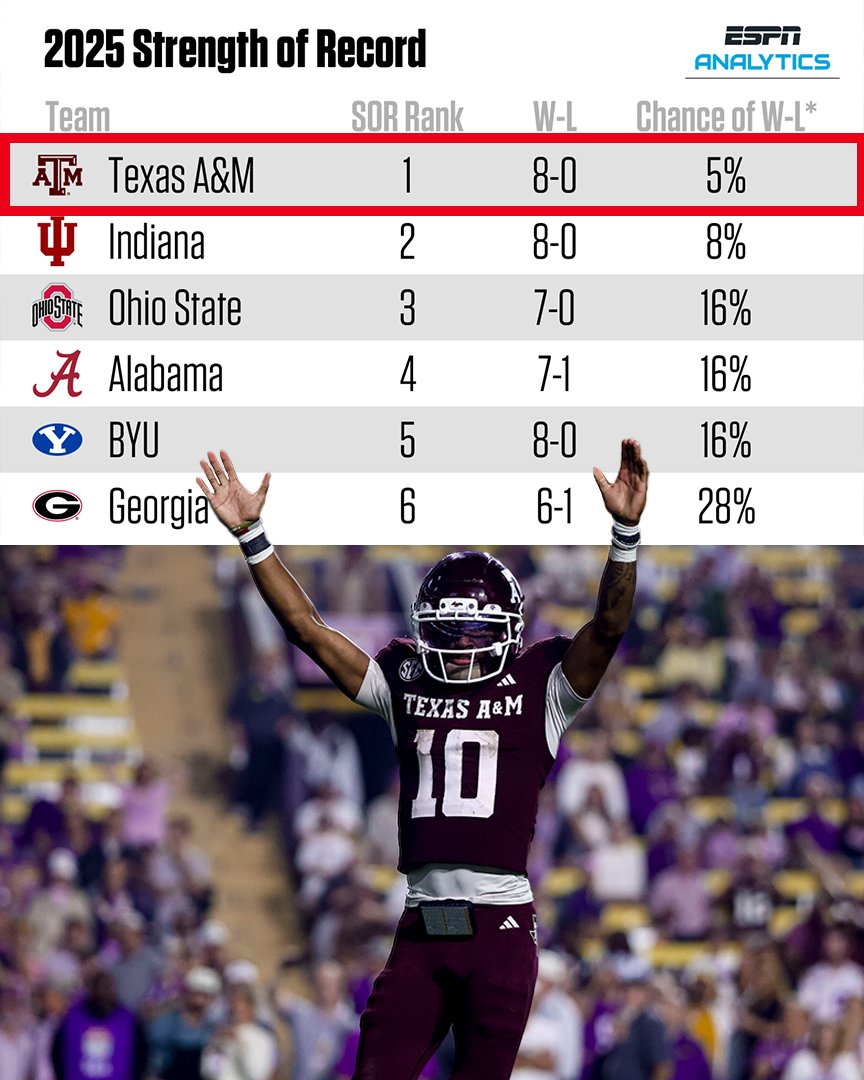
Texas A&M will enter November with an 8-0 record and the best resume in the country according to ESPN Analytics.
The average Playoff contender would only have a 5% chance to go 8-0 against the Aggies' schedule to date 🤯
Monica Keasler was blamed for filing a report leading to "Peanut the Squirrel's" death.
She is 100% INNOCENT.
In fact, she and her sons were big fans of the famous squirrel. These past 2 weeks have been hell for her.
This report explains everything.
https://t.co/HWcsibYuyl
People need to stop overreacting about Kamala’s plan to reduce food inflation, as if it would lead to communism, mass starvation, and the end of America.
I worked in M&A in the food industry. Here’s a step-by-step summary of what would actually happen:
1. The government announces that grocery retailers aren’t allowed to raise prices.
2. Grocery stores, which operate on 1-2% net margins, can’t survive if their suppliers raise prices. So the government announces that food producers (Kraft Heinz, ConAgra, Tyson, Hormel, et. al.) also aren’t allowed to raise prices.
3. Not all grocery stores are created equal. Stores in lower-income areas make less money than those in higher-income areas, as the former disproportionately sell lower-margin prepackaged foods (“center of the store”) instead of higher-margin fresh products like meat (“perimeter of the store”). Because stores in lower-income areas aren’t able to cover overhead (remember, even if their wholesale costs are fixed, their labor, utilities, insurance, and other operating expenses aren’t fixed… yet), grocery chains start to shut them down. Food deserts in rural areas and in low-income urban areas alike become worse.
4. Meanwhile, margins for food producers are also quickly eroding. Their primary costs (ingredients, energy, and labor) aren’t fixed, and their shrinking gross profits leave less cash flow available to cover overhead, maintain facilities, and reinvest in additional production capacity.
5. Grocery chains, which have finite shelf space, start to repurpose their stores (those they didn’t have to shut down, I should say) to sell more non-price-controlled items—everything from nutrition supplements to kitchenware to apparel—and less price-controlled food products. Your local Kroger or Safeway starts to look and feel more like a Walmart.
6. Food producers stop making products with lower margins. Grocery chain start competing with each other to secure inventory. Since they can’t compete by offering stronger prices (remember, producers aren’t allowed to raise prices here, and, even if they could, grocery chains no longer have the gross profit to bear price increases), they compete on things like payment terms.
7. Small grocery chains start to shut down entirely, or get sold to larger chains like Kroger. In addition to not being able to cover fixed costs, a major reason for this is because they can no longer reliably secure delivery of products, due to producers prioritizing sales to larger customers, which are able to leverage their stronger balance sheets to offer superior payment terms.
8. Smaller food producers—which typically sell via distributors, rather than directly to grocery chains—start to go out of business. Because these producers have an additional step their value chains, and because they have lower volumes over which to spread their fixed costs, their cost structure is inherently disadvantaged compared to major food producers. When grocery stores aren’t able to raise prices, cutting product costs becomes all the more important, and deprioritizing purchases from smaller producers is an easy way to do so.
9. As supply chains break down, lines start to form outside grocery stores every morning. Cities assign police officers to patrol store parking lots, and food producers draft contingency plans to assign armed escorts to delivery trucks.
10. The federal government announces a program to issue block grants for states to purchase and operate shuttered grocery stores. The USDA also seizes closed-down production facilities.
11. The government announces that prices for all key food costs—corn, wheat, cattle, energy, etc.—are also now fixed, to stop “profiteers” from gouging the now-government-operated food industry.
12. Shockingly, the government struggles to operate one of the most complex industries on the planet. The entire food supply chain starts imploding.
13. Communism, mass starvation, and the end of America quickly ensue.
Hey wait a second