How to share your progress with your mentors/collaborators?
Throughout your research project, 99% of the time your approach DOESN'T WORK (yet). 😬
How could we share these "failed results" and have productive conversations with your mentors/collaborators? 👇
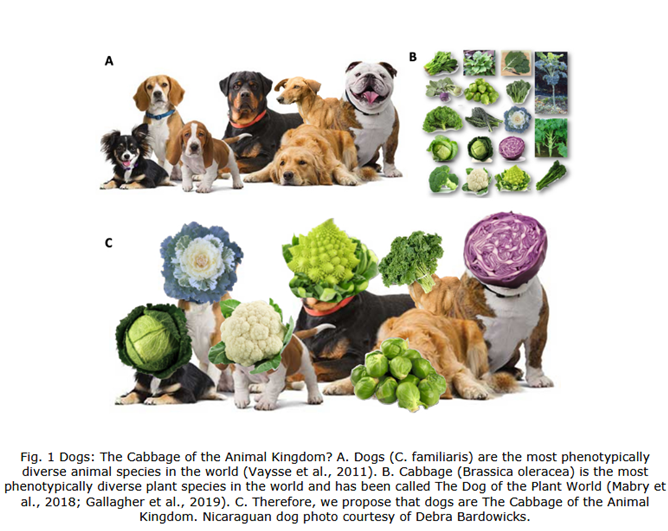
Getting this figure published is a highlight of my scientific career thus far. https://t.co/iFfqznXNYH
@KenzieMabry@JChrisPires @Greger_Larson #dogs#cabbage
More rules-of-thumb are in the blog post. I've simplified things a bit in these tweets, see the paper for the complete mathematical picture. https://t.co/C2W9rEdk7x
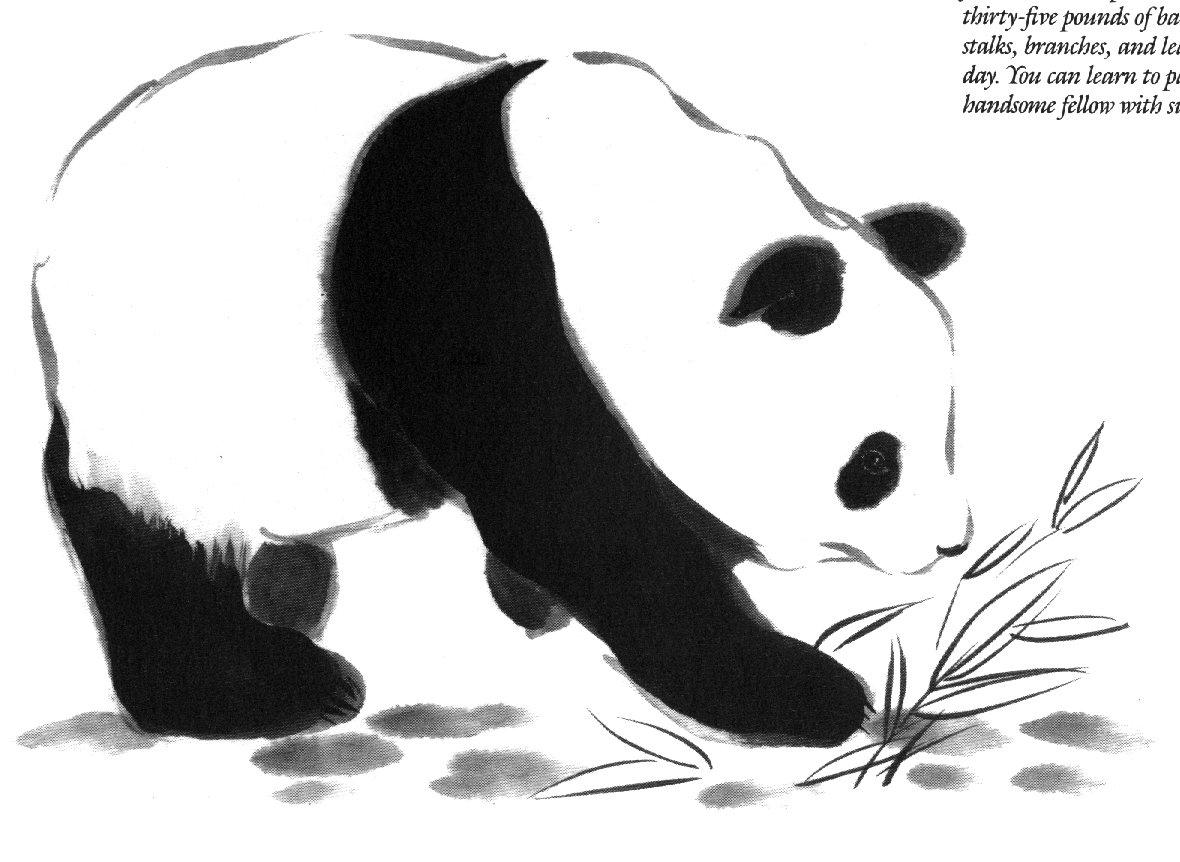
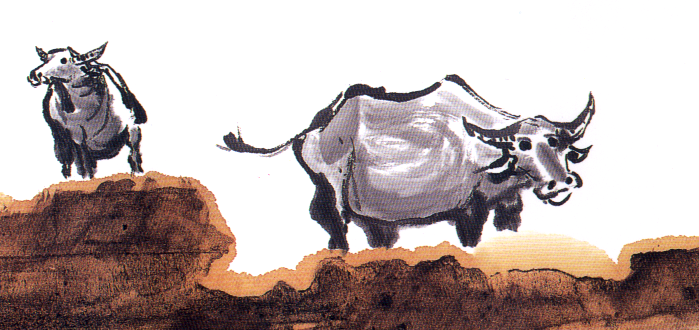
Most of my examples here are from comics, but this also shows up in other styles. Here are some examples in Chinese and Japanese brush painting that match these observations at times. The thicknesses of outline strokes give a sense of the view-dependent curvature of the object.
How do you vary line thickness in drawings? In my own art classes, I never learned anything about this. In 2007, we developed a simple theory that matches some styles of drawing very well, and provides simple rules-of-thumb.
https://t.co/lb2gLCSl7c
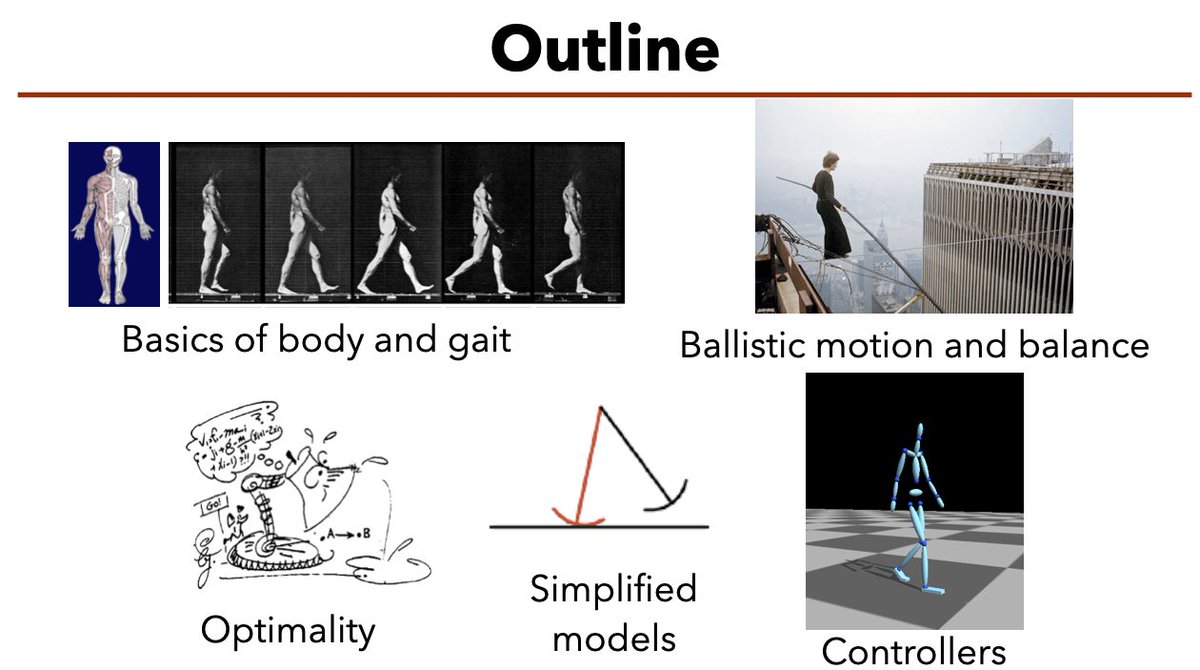
I've just put online some slides (from 2019) and lecture notes (2009) on biomechanical models in character animation and vision. They're a bit old, but I think still could be useful to someone starting out in this space.
https://t.co/guh4E1OWk1
https://t.co/OoGeoUzUn9
Secondly, there were many instances of superposition that weren't just lines. Animals were given extra body parts, for example, like in the images (an ibex w/ 2 heads, a mammoth w/ 3 trunks). Another example is a drawing of a bull superimposed on a drawing of a deer.
First off, many of the images were obscured by what are called "Spaghetti lines." These were webs of lines drawn overtop of the images, but Wachtel noted that it seemed they were always careful not to completely destroy the image, just obscure it.
In 1993, the scholar Edward Wachtel travelled to southern France, specifically the caves of Lascaux, Font-de-Gaume, Les Combarelles, and La Mouthe to see the art for himself. After visiting the first three, he had more questions than answers.
Something related I just learned about: Another type of Paleolithic proto-animation that has been hypothesized are thaumatropes.
This is an example of a thaumatrope:
All of you have seen cave art, right? Either sketches or photos in books or online. If you're really lucky, maybe you've been in a cave yourself with a flashlight or something. But is it possible that the way we look at cave art today hides a key aspect of the art? 🧵