New Ofsted management information is out — and it gives us an early glimpse of what inspections are showing under the renewed framework.
The important word here is early.
The latest data covers inspections published up to 30 April 2026, but only a small proportion of schools have been inspected under the renewed model so far. So this is not the whole national picture — but it is a useful signal.
What stands out?
Safeguarding is overwhelmingly being judged as met.
The areas most likely to need attention are:
• achievement
• curriculum and teaching
• attendance and behaviour
• leadership and governance
For leaders, the takeaway is not to panic or chase labels.
It is to be clear on the story your school can tell:
How does curriculum connect to classroom practice?
How are attendance, behaviour and inclusion affecting achievement?
How do governors know what is working?
Where are pupils not learning as securely as they should — and what is being done about it?
This is useful early data, but it needs careful interpretation.
Read the full HeadteacherChat briefing here:
https://t.co/V9kw1Vwxql
#Ofsted #SchoolLeadership #Headteachers #Governance #Education
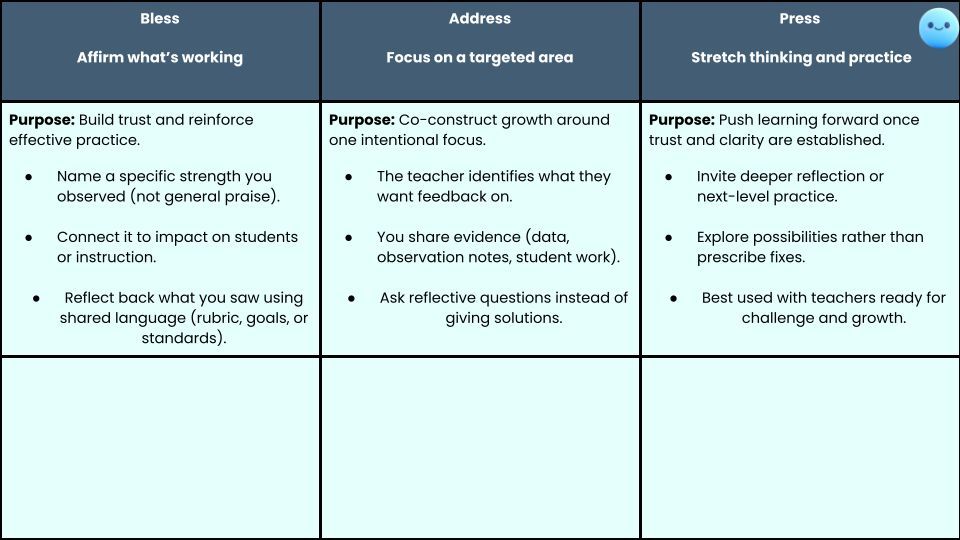
Feedback fails when students don't know what to do with it.
Bless, Address, Press gives them a clear path. Praise, fix, push. That's the whole flow. ✨
See it in action: https://t.co/4llO7cNWhz
Systematic inclusion: Is literally everyone thinking, talking, practising, learning? How much does it matter to you? https://t.co/BxTyllMMBh via @teacherhead
The IDSR can be useful — but only if you know what you’re looking at.
This guide breaks down what it is, how to read it, what to set aside, and how to use it well in inspection preparation.
Take a look:
https://t.co/gJZpowfowC
NEW ONE-PAGER! Collaborating with @C_Hendrick on Responsive Teaching—translating his excellent new @UNESCO guide into a clear, practical summary for busy teachers.
Help share these important principles—repost 🔁 and download it FREE here 👇
https://t.co/to98KgwPt4
⏰ FINAL HOURS — LAST CHANCE!
No need to DM anymore — here’s the direct link:
🎁 FULL Rosenshine CPD Pack:
→ 10 ready-to-run CPD sessions
→ 10 strategy checklists
→ 10 planning templates
https://t.co/YeWIglCIbT
⌛️Closes 8:00PM Perth time / 12:00PM UK time / 22nd March
🔄 ADAPTIVE TEACHING! This week’s edition of ⚗️DistillED focuses on adaptive teaching — supporting ALL learners to reach the same ambitious goals through responsive, in-the-moment instructional decisions. Includes FREE one-page guide!
https://t.co/IqpPL8I9Cs
Key Resource
If you are tightening your SEF or refining leadership discussions, the Toolkit Evaluation Reference Sheet is a helpful guide. It brings safeguarding, curriculum, inclusion and leadership into one clear, structured view to support sharper decision-making.
https://t.co/eQCjmgcudu
In this week’s edition of ⚗️DistillED, I’m looking at retrieval practice and covering:
🧠 Why thinking hard strengthens learning
📈 When retrieval helps (& when it doesn’t)
🧟 Common lethal mutations
🎓 How to design retrieval with fidelity
https://t.co/u3rXX03E92
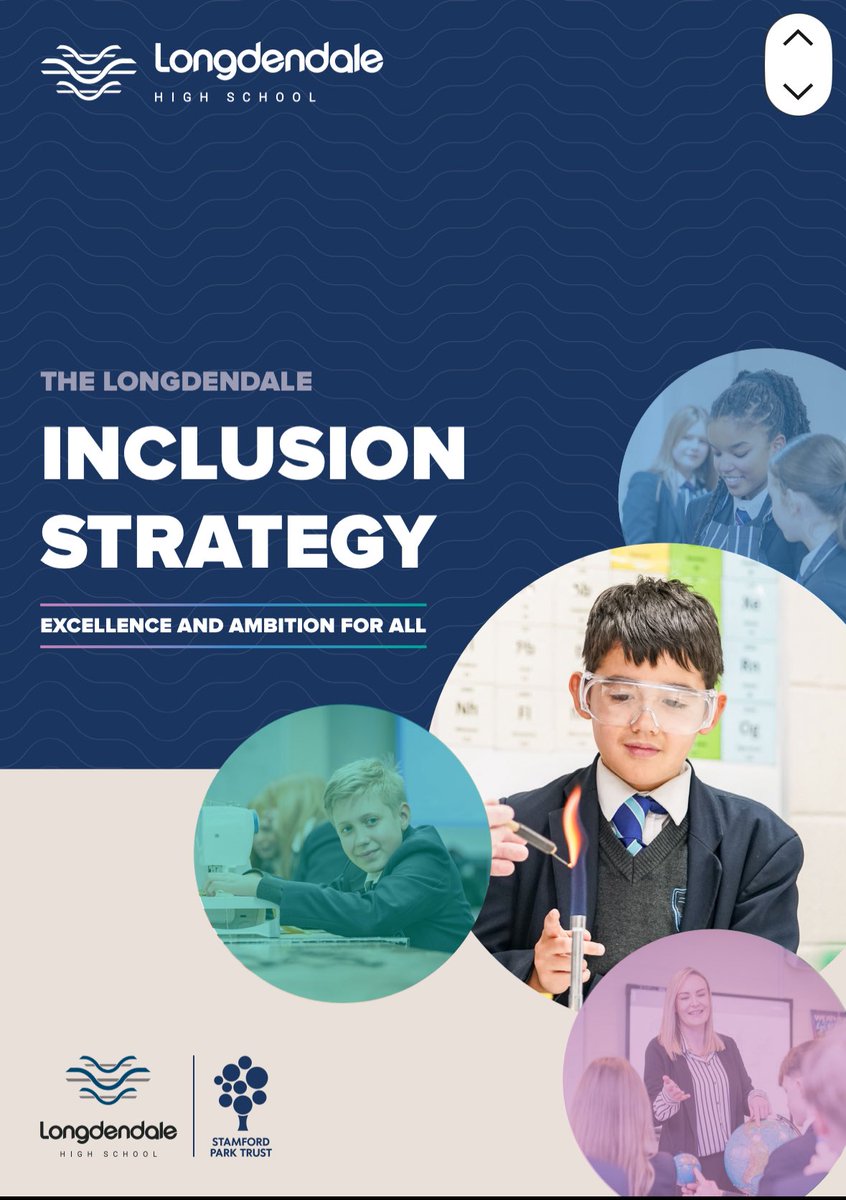
***INCLUSION***
Inclusion isn’t just one room or in
addition to our provision it is woven into our school tapestry.
Quality first teaching is at the heart of this so every student feels empowered to thrive.
Good teaching for students with SEND is
good teaching for all and that additional interventions cannot be at the detriment of access to consistent good quality everyday teaching.
What are we doing to build a fully inclusive culture?
/1
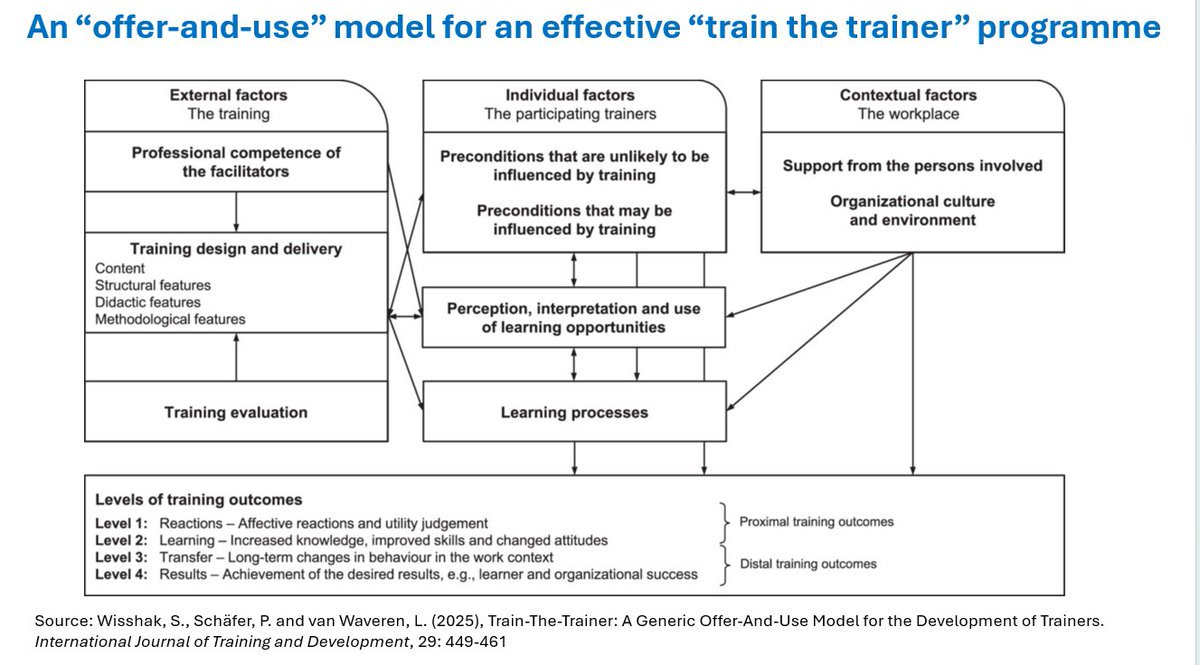
“Train-the-trainers” (TTT) is one of the most common methods used to scale up improvement & change capability across organisations, yet we often fail to set it up for success.
A recent article, drawing on teacher professional development & transfer-of-training research, argues TTT should always be based on an “offer-and-use” model:
OFFER: what the programme provides—facilitator expertise, session design, practice opportunities, feedback, follow-up support & evaluation.
USE: what participants do with those opportunities—what they notice, how they make sense of it, how much they engage, what they learn, & whether they apply it in real work.
How to design TTT that works & sticks:
1. Design for real-world use: Clarify the practical outcome - what trainers should do differently in their next sessions & what that should improve for the organisation. Plan beyond the classroom with post-course support so people can apply learning. Space learning over time rather than delivering it in one intensive block, because spacing & follow-ups support sustained use.
2. Use strong facilitators: Select facilitators who know the topic & how adults learn, how groups work & how to give useful feedback. Ensure they teach “how to make this stick at work” (apply & sustain practices), not only “how to deliver a session.”
3. Make practice central: Build the programme around realistic rehearsal: deliver, get feedback, & practise again until skills become automatic. Use participants’ real scenarios (especially change situations) to strengthen transfer. Include safe practice for difficult moments (challenge, unexpected questions) & treat mistakes as learning. Build peer learning so participants learn with & from each other, not just the facilitator.
4. Prepare participants to succeed: Assess what participants already know & can do, then tailor the learning. Build confidence to use skills at work (confidence predicts application). Help each person create a simple, specific plan for when & how they will use the approaches in their next training sessions.
5. Ensure workplace transfer support: Enable quick application (opportunities to deliver training soon after the course), plus time & resources to do it well. Provide ongoing support (feedback, coaching, & encouragement) from leaders, peers &/or the wider organisation.
6. Evaluate what matters: Go beyond satisfaction scores - assess whether trainers changed their practice & whether this improved outcomes for learners & the organisation. Use findings to improve the next iteration as a continuous improvement cycle, not a one-off event.
https://t.co/Ku1ucQ6lrm. By Susanne Wisshak & colleagues, sourced via John Whitfield.
Next time you’re talking with a colleague about retrieval practice and they say, “I already do this,” send them this article.
The core of evidence-based practice isn’t just using the practice. It’s using it the way the evidence says it works.
This week won so here's the link (there are around 1200 files in all): https://t.co/tEtmpq3SQL.
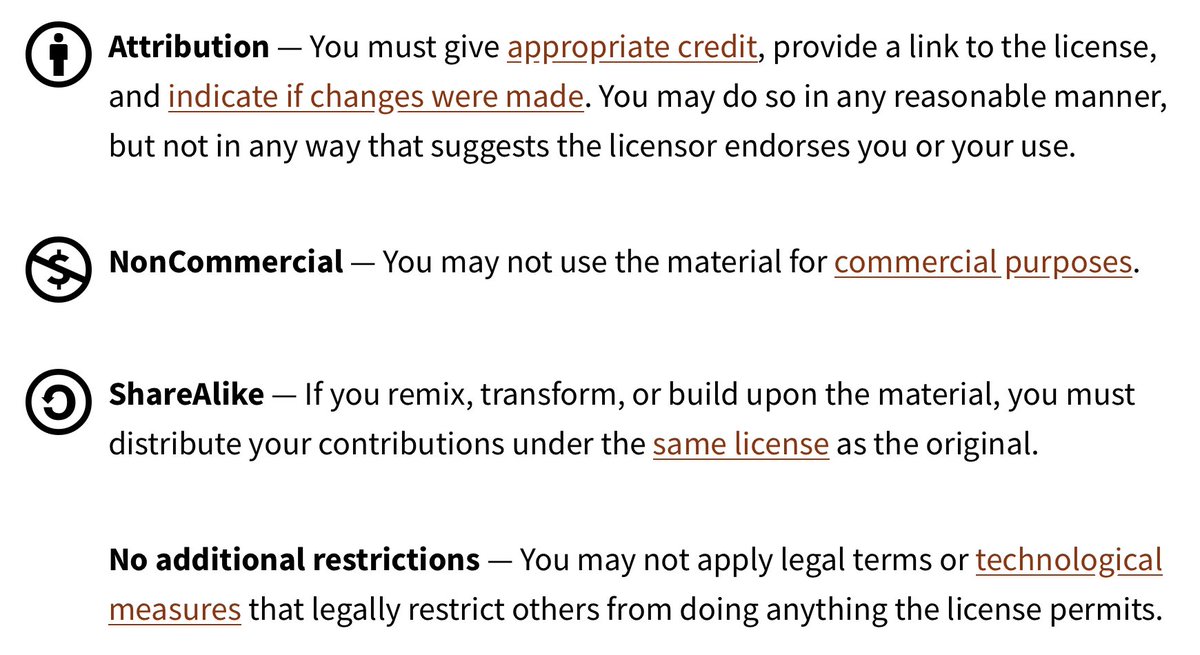
These are made available under a Creative Commons BY-NC-SA license: https://t.co/qei9LJvtu1. This means you can Share and
Adapt the material with the following conditions:
I think I am going to post these in my room, right next to Dr. Archer's Archerism chart.
Responsive Teaching Principles by @C_Hendrick :
"Adjust the teaching, not your expectations."
"Reteach don't just repeat."
"Feedback is a change, not a comment."
"Slow down to speed up."
"Make excellence explicit."
"Use tasks to reveal, not just to assess."
Gaurav is right, this is pure brilliance.