The article “The Surprising Science of an All-Meat Diet,” which I published last week, is now on the most-read list for health articles and uptrending.
This morning, I also finished an interview with a major newspaper in the United Kingdom that was interested in covering my perspective on saturated fat and cholesterol for National Cholesterol Month in the UK.
A brief summary of my two major positions, because I don’t think they’re at all radical. I’ll be as concise as possible and link to more information below.
1) First, the carnivore diet is a tool, not a religion.
It’s a mistake to present it as the best diet for humans or to make strong claims that go beyond the literature, such as that it will improve longevity.
What we can say, accurately and humbly, is that it’s helping many people who have struggled with debilitating disorders and failed to find support through conventional approaches.
We can also say that there is strong biological plausibility for many of the conditions for which it’s being used, including mental health disorders and autoimmune and inflammatory conditions.
That’s not definitive proof. But it’s a possibility that deserves curiosity and compassion, not disdain.
If you want the full scientific breakdown in video form: “The Strange Science of Eating Only Meat”
https://t.co/n37PBgzJ7w
2) The second major point I’ll make is that CONTEXT matters.
Meat is vilified largely because of its saturated fat and cholesterol content. However, when it comes to improving the cardiometabolic health of the general population, focusing on reducing saturated fat intake is like worrying about a mosquito when you’re being chased by a tiger.
We now have randomized controlled trial data showing that low-carbohydrate ketogenic diets (despite typically being much higher in saturated fat and cholesterol) can provide greater improvements in many cardiometabolic risk markers than low-fat plant-based or Mediterranean-style diets higher in carbohydrates, particularly in people with obesity and insulin resistance.
More here: https://t.co/wpCaTQghTq
At the end of the day, I don’t fancy myself a carnivore fanboy. Just carnivore-curious and open-minded. That’s enough.
P.S. There’s a tendency to make meat and diet unnecessarily political. Resist that tendency. What’s on my plate does not inform what I do at the ballot box. Stereotypes impair our ability to have thoughtful academic discourse.
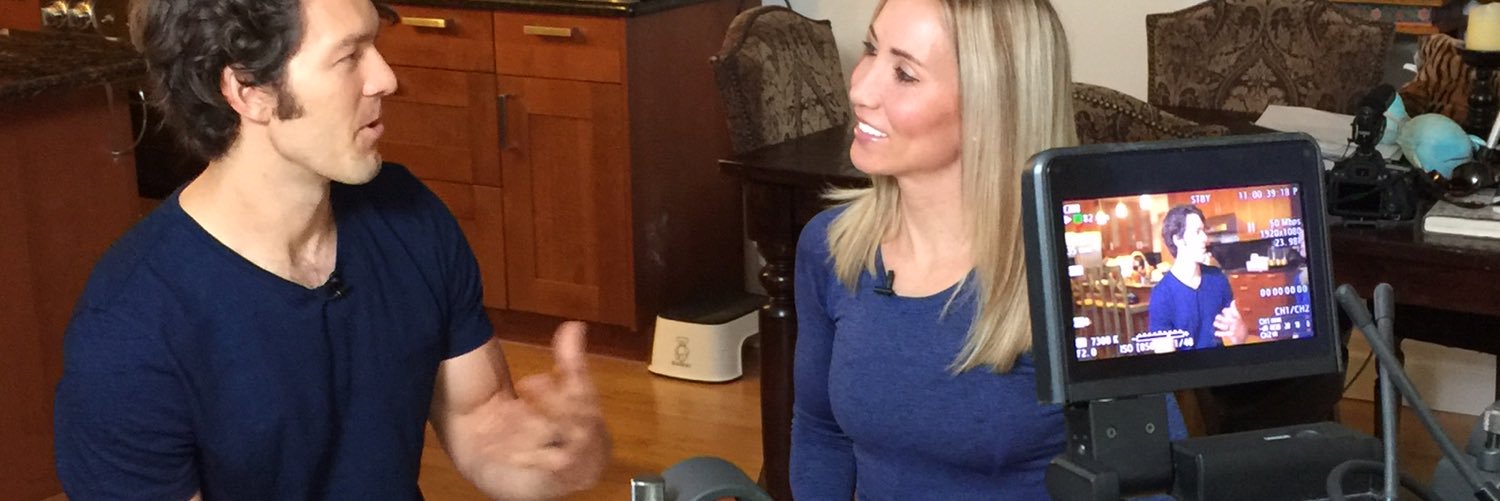
Ht/ @MikhailaFuller for her contribution (including the click-boost from her adorable baby) @EpochTimes
🚨New Paper: "Seven Years of 700 Cholesterol Without Coronary Atherosclerosis: A Lean Mass Hyper-Responder Case Report"
Link: https://t.co/5VnRpZlFdR
For the past 7 years, I’ve been running what is essentially a natural experiment in cholesterol and heart health.
During that time, I’ve largely lived with:
👉Total cholesterol around 700 mg/dl
👉LDL cholesterol between 500–600 mg/dL
I recently underwent advanced coronary CT angiography imaging with AI-guided analysis. This is not a CAC. It measures all plaque (soft + calcified), with expert interpretation and AI-guided analysis capable of quantifying plaque down to the cubic millimeter (mm3).
Now, to address the obvious question:
Am I too young for plaque?
In brief: No.
The clearest comparison is individuals with homozygous familial hypercholesterolemia, who often have similarly extreme LDL/ApoB levels and can develop advanced plaque as toddlers, and even heart attacks as early as age 8.
Also, nutrition influencers in their 30s have publicly shared quantified plaque scores from these same imaging technologies. In one recent case, a plant-based influencer in his thirties was found to have 61.3 mm³ of plaque despite having far lower lifetime LDL exposure. (He can identify himself if he so chooses.)
My case also isn’t a one-off.
There are many individuals like me, including older individuals with similar LDL-C and ApoB without any plaque.
The difference is that I’m an unusually well-characterized subject, with extensive metabolic data and health markers tracked over time. You can learn more at the newsletter or open-access paper, linked above.
The science of heart health is not settled. And cholesterol is not a simple story.
🚨 If you want to help spread the word...
Quote Tweet this post (or create an original post) including the article link with a thought. Academic papers are increasingly evaluated using attention metrics. Original posts from unique users are one way to increase these metrics and help ultimately increase its reach.
🚨 If you want to learn more, I'll include more learning resources below 👇
@Anthony_B_36@realDaveFeldman@JeffryGerberMD Nothing has happened to me, I started a manufacturing facility in Arizona and have been busy getting things up to snuff there but will be back to content creation soon. Thanks for your concern though!
When The “Cholesterol Drop” Misses the Mark
(Links in 6/7 and 7/7)
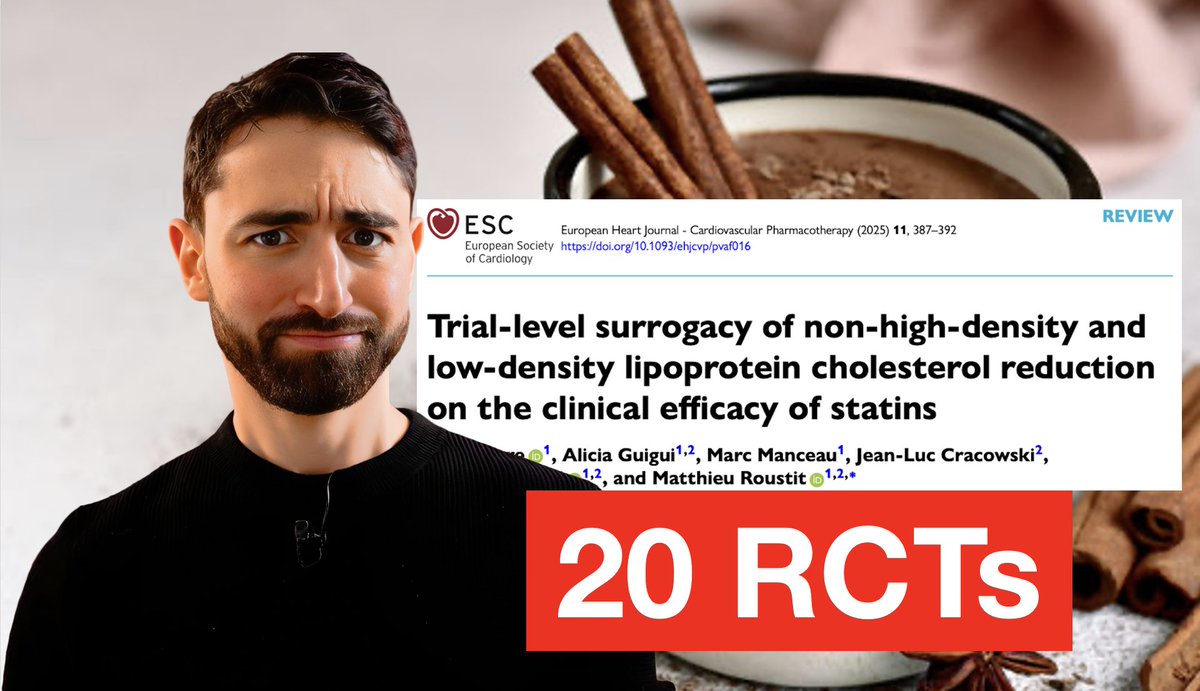
1/7) Can we assume that how much LDL drops tells us how much cardiovascular risk is reduced?
A new meta-analysis in the European Heart Journal says, “No.”
In fact, it suggests the link between LDL-C reduction and actual cardiovascular outcomes is incredibly weak.
So, have we built a multi-billion-dollar industry on the assumption that hot chocolate equals real illness?
Let’s unpack that…
cc @realDaveFeldman@AdrianSotoMota@ApoDudz@DrEricRodgers@LDLSkeptic@AKoutnik@janellison@bschermd
Getting our meals, bedtime, and workouts at the same time every day have a surprising impact on health. Our hormones synchronize to routine and our health benefits from it! Get ontime today.
@MikeMutzel
Excuse me for a little bit longer, Internet. Just did a longform podcast with @MikeMutzel , and we’re gonna catch a steak.
Let me know what I missed while I was away. 😂
🚨🚨🚨BREAKING🚨🚨🚨
#LMHRstudy / KETO-CTA published!
100 lean, metabolically healthy #keto:
🔥 No association of #ApoB with #plaque ↗️
🔥 No association of #LDL#cholesterol with #plaque ↗️
🫀What is association? Existing plaque
Read and share 👇👇👇
https://t.co/JkbH2vTB44
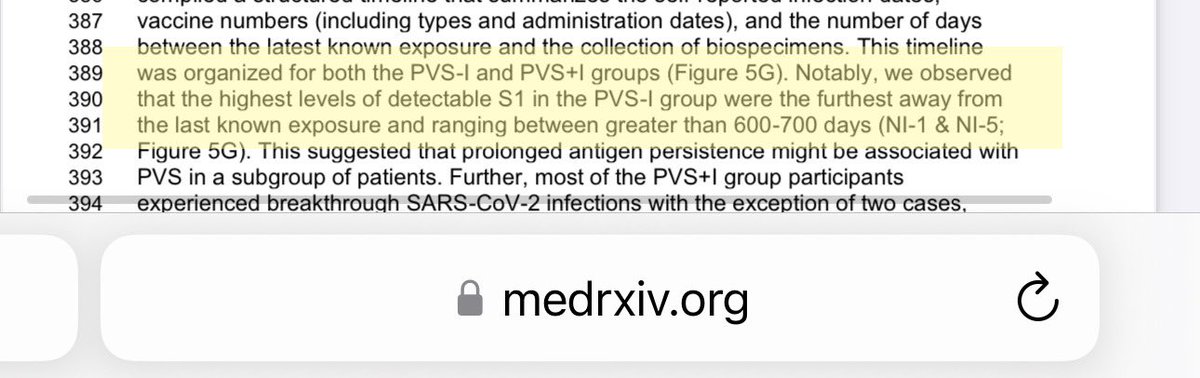
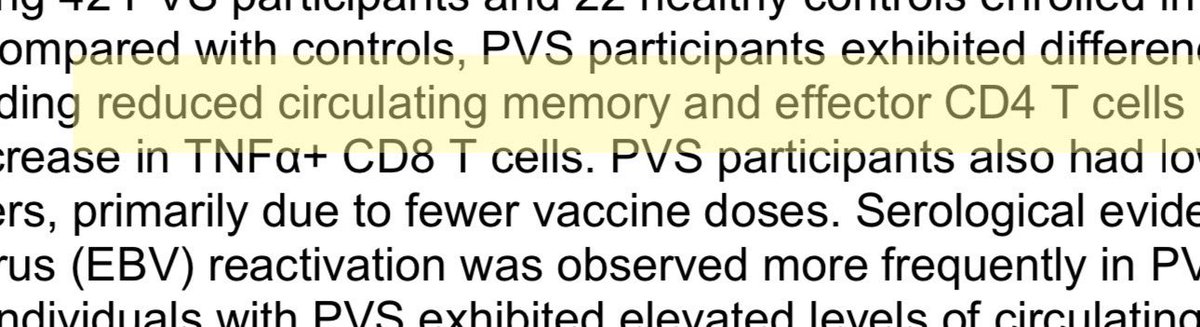
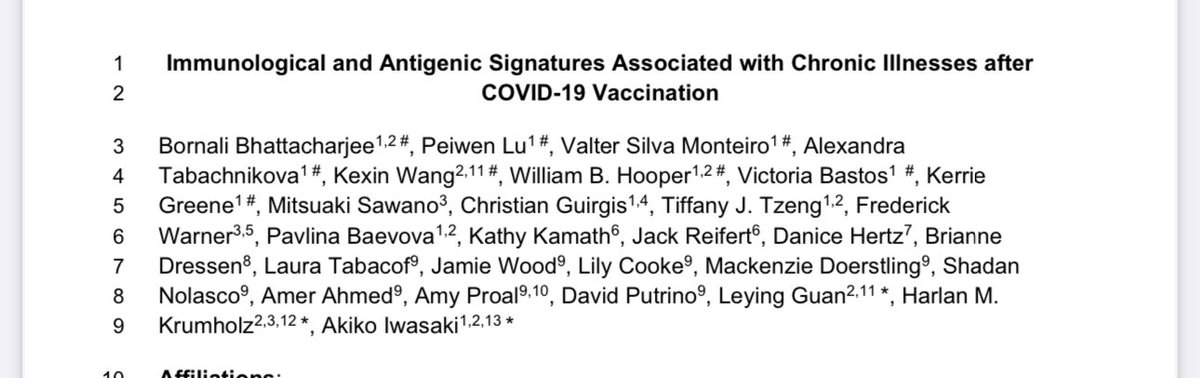
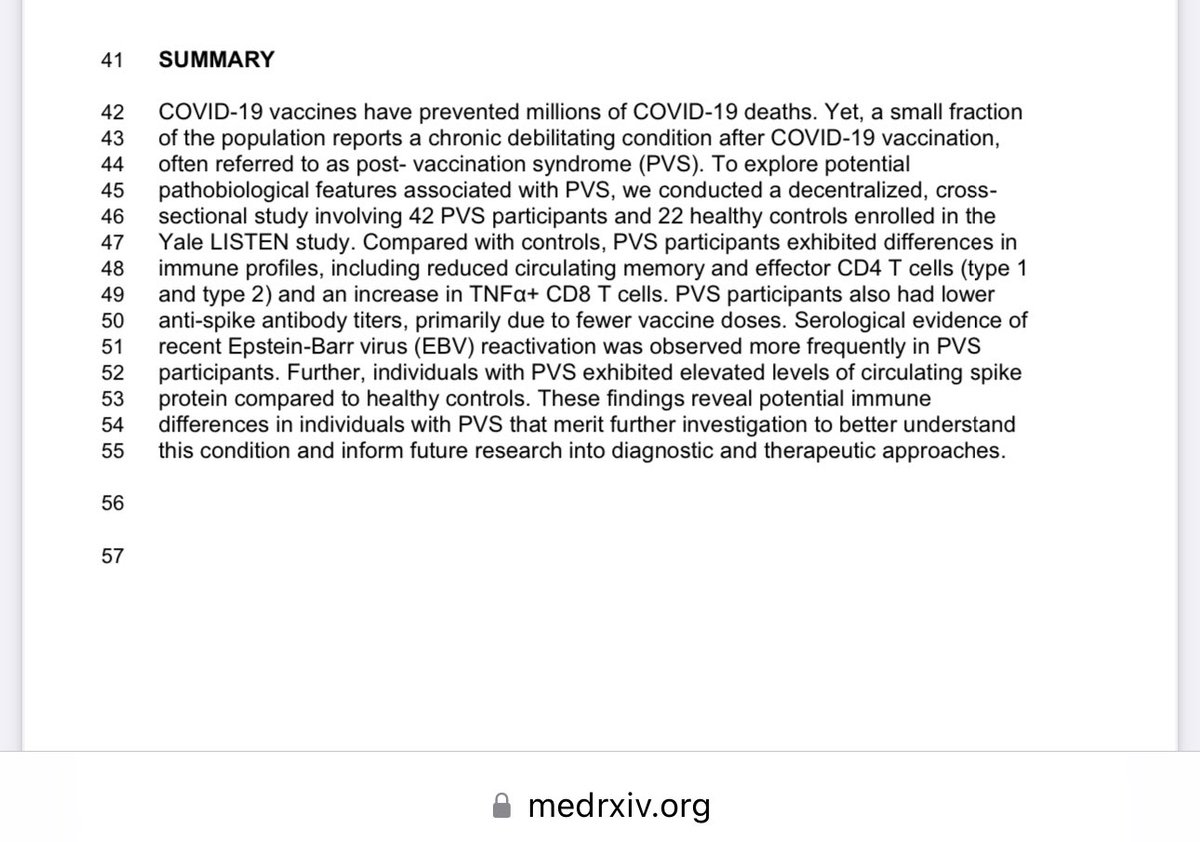
VERY URGENT: Top Yale scientists have found of T-cell exhaustion and prolonged spike protein production in some COVID vaccine recipients - with spike levels INCREASING over time.
This is the study I wrote about in December. The preprint is out. It’s very, very worrisome.
@DrNadolsky Yeah statin researcher is unequivocally positive and will extend you life by 3 whole days if you take them for ~6 years. Sign me up! https://t.co/QZ0olT9c5H