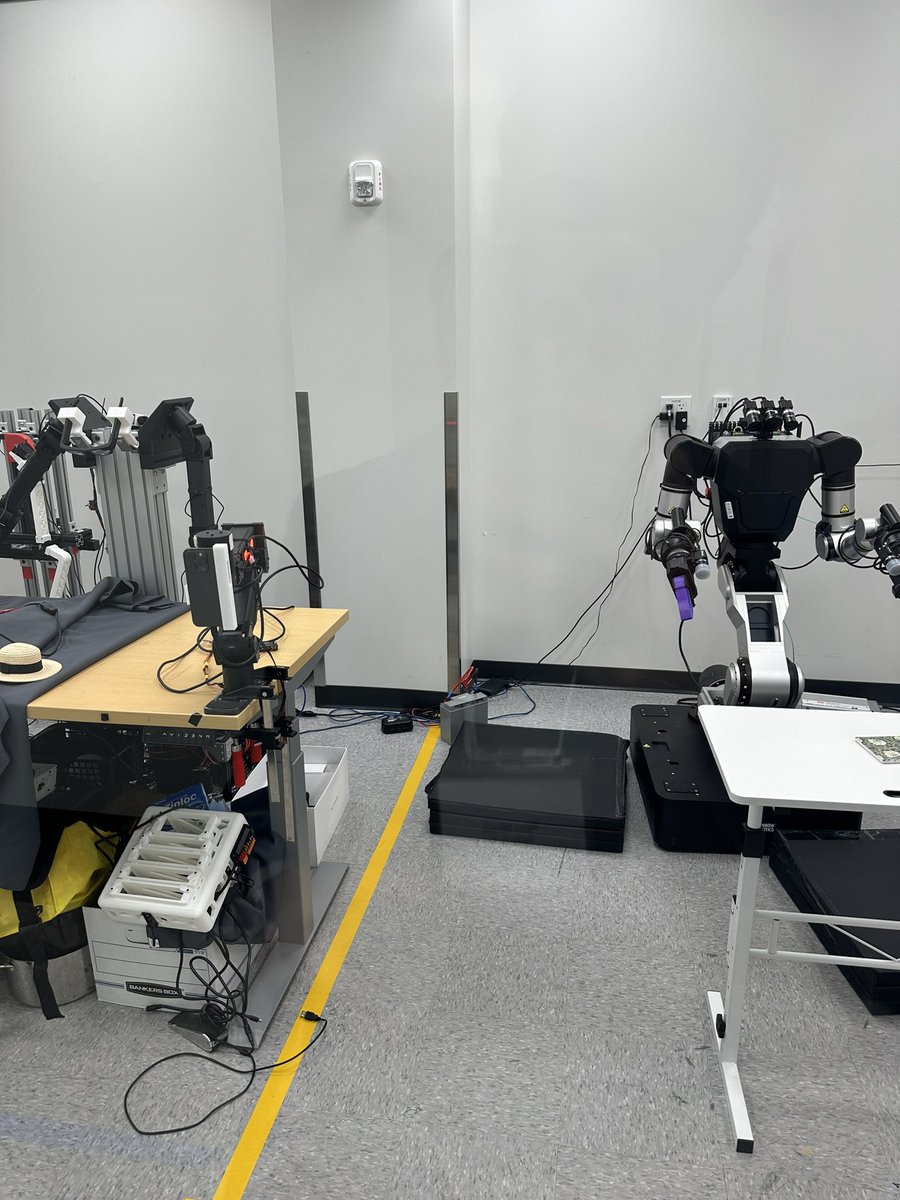
Last week, we launched our Physical AI Deployment Hub, already being used by leading robot companies.
Robot teams can explore real customer workflows ready for automation and deploy their robots using @DeplaceAI's evaluation & integration tools.
🦾 The deployment era of Physical AI is here. DM me to learn more!
That’s what our Motion2Text API is for: turning human demos into fine-grained language descriptions that guide robotic models and make human data truly useful.
Interested in trying out? Get in touch: https://t.co/RKB2sZUHaA
What if Physical AI could fully leverage human videos for model training? 💪➡️🦾
Human demos like the one below hold massive potential, but to unlock that power, we need to extract the relevant information they contain.
@aesposito__ @IlirAliu_@DeplaceAI Also see a lot of value in Motion2Text for 3rd person videos, something we will focus more on later. Today, we're working on language to better leverage ego human demos for contact points, trajectory strategies, etc.
@IlirAliu_@DeplaceAI There’s a lot of info in human demos: object affordances, trajectory strategies, contact points, etc We just have to make it useful for robotics
You will soon be able to teach robots what human are doing… using natural language.
I spoke to one of the founders a couple of months ago on my podcast:
An API that takes raw human videos and returns detailed language annotations describing the motion.
@DeplaceAI is building something wild:
Not just basic labels, it captures:
✅ motion semantics
✅ relative positions
✅ cause and effect
✅ task outcomes
✅ and more
It’s built on top of research in point tracking, segmentation, and learning from demos;
all to make it easier to train robots and embodied agents without manual labeling.
They’re offering early access and sharing some of the datasets they collected via their global network of video collectors.
Thanks for sharing, @MilcentPedro !
🔗 https://t.co/Gu3DvSrwrj
One of the most interesting motion-to-language interfaces I’ve seen.
If you’re working in robotics, vision, or LfD, it’s worth checking out.
What if you could send human videos and get back detailed language descriptions of the motion to guide your Physical AI model?
Happy to share more about the Motion2Text API we are building at @DeplaceAI! We are working on natural language descriptions that capture:
📙 Motion semantics
📏 Relative positions
⚙️ Cause and effect
💡 and more
Leveraging state-of-the-art research and models in point tracking, semantic generalization, object segmentation, and learning from human demos
✋➡️🤖
This helps robots understand human movements and close the gap between humans & robots to fully leverage human videos to train Physical AI!
👉 If you want early access to the API or to use the datasets we gathered through our network of collectors, let us know, we would love your feedback: https://t.co/nALZssV1cG
Interesting research from @ylecun and the @metaai + @Mila_Quebec teams on a task-agnostic, action-conditioned world model 🌐
The paper has valuable insights into training strategies and model design.
Check out V-JEPA 2 here: https://t.co/gcAIFc0gci
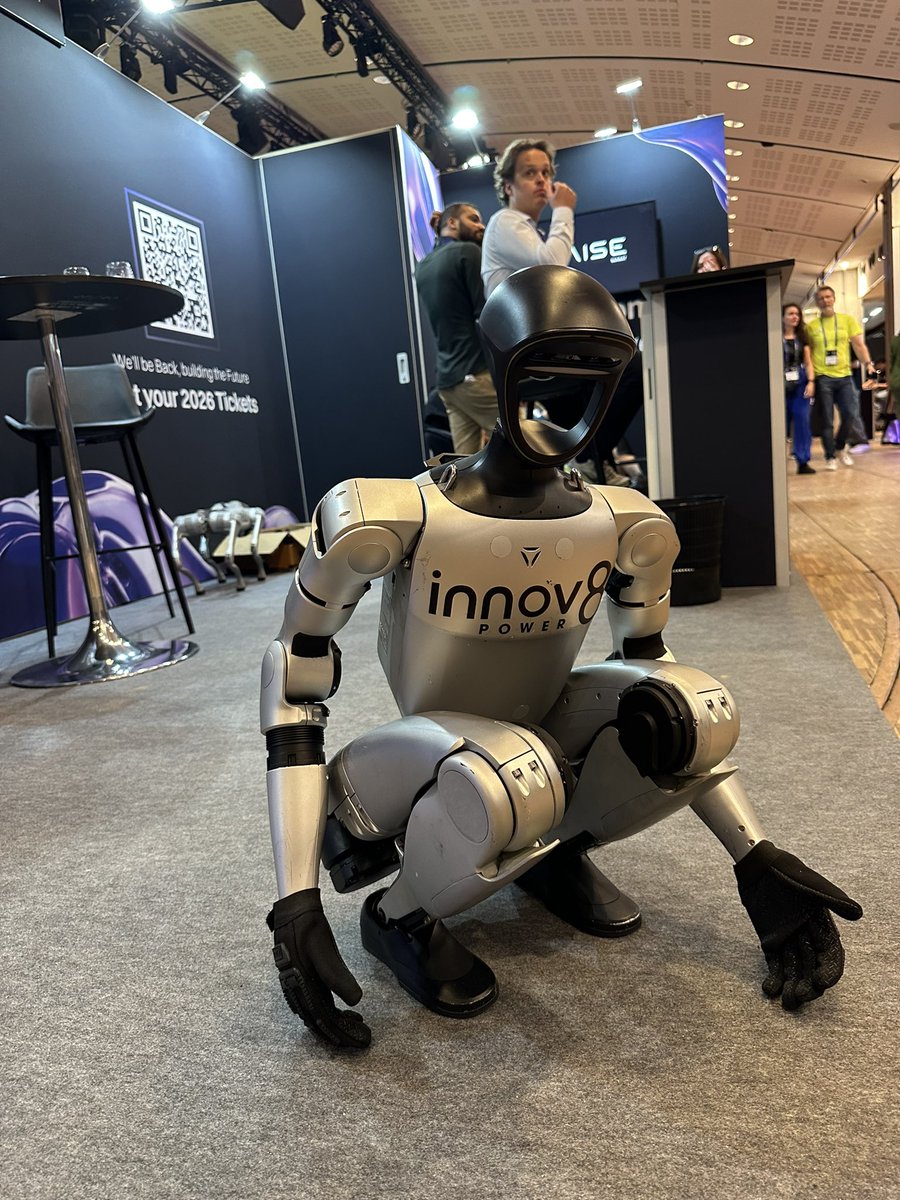
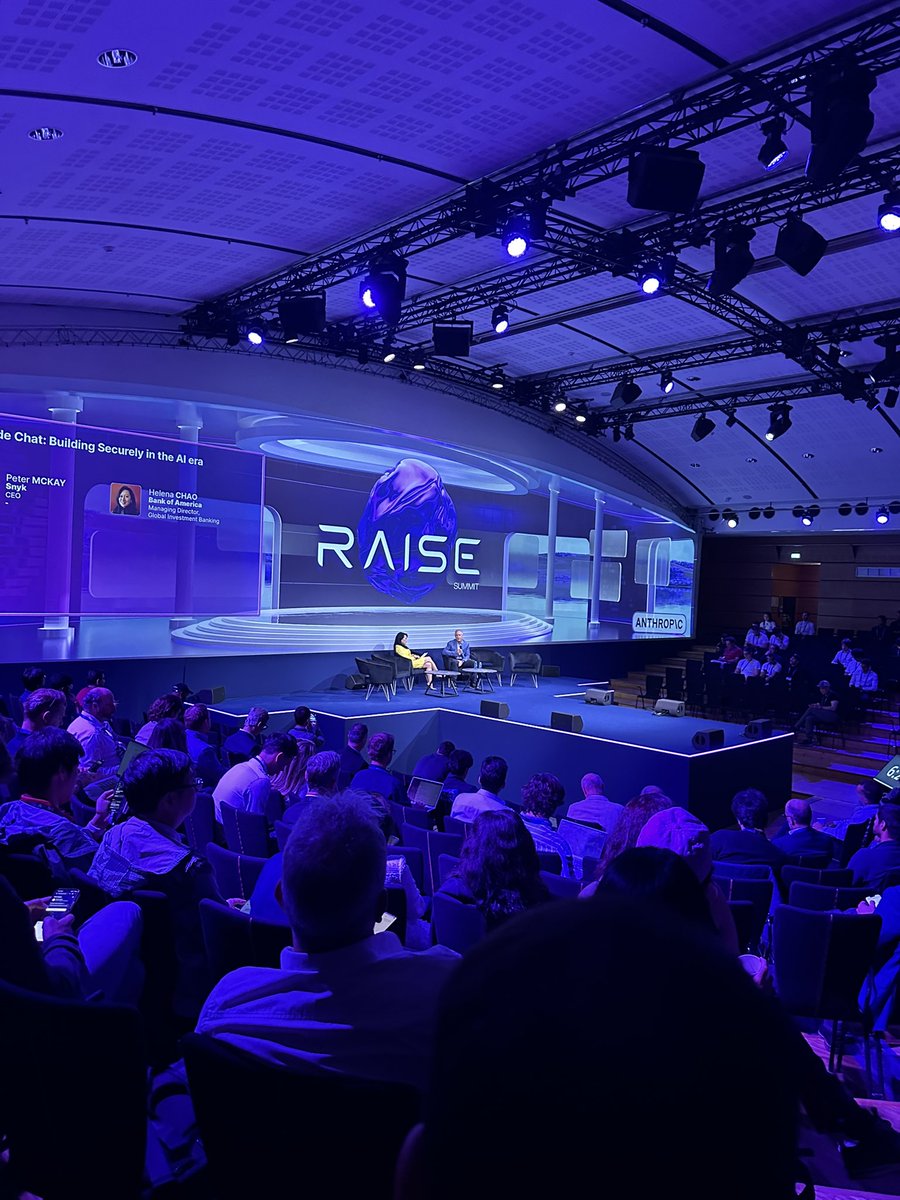
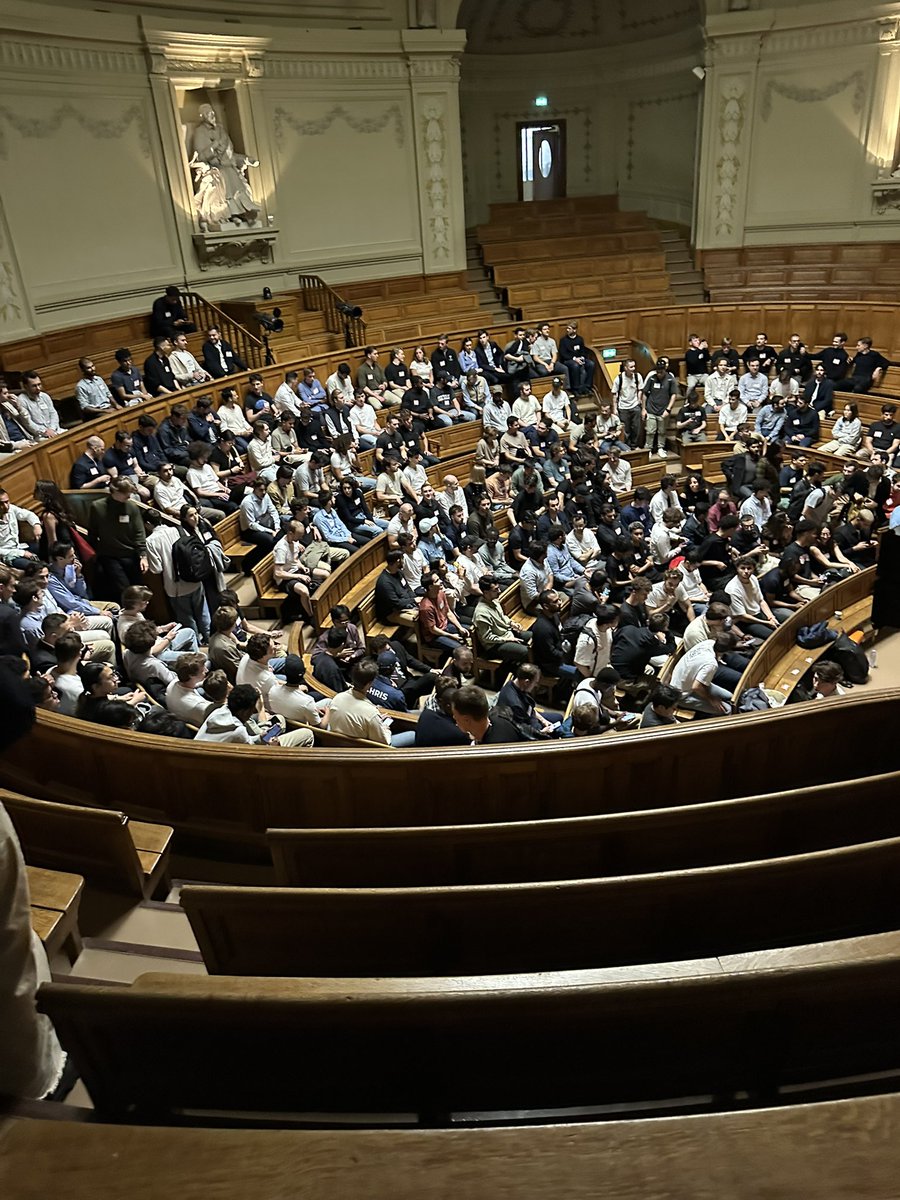
Awesome few days in Paris, @ycombinator event at Sorbonne had great tips for early-stage founders, and the @RaiseSummit was all about the future of AI (Physical AI too!). More tomorrow 🦾 🤖
Great paper by @mimicrobotics, showcasing the 16 DoF Faive hand in action and highlighting the importance of #real, diverse, and curated #data for Physical AI models that are performant, generalizable, and capable of self-correction 📈✋
📄 Check out the paper by @elvisnavah and team here: https://t.co/ddcjv20V9p