Physio at Millbrook Mental Health Unit & Interim In-patient Therapy Team Leader for @MHSOPNottsHC @NottsHealthcare. Health & Wellbeing Champion. Green Champion.
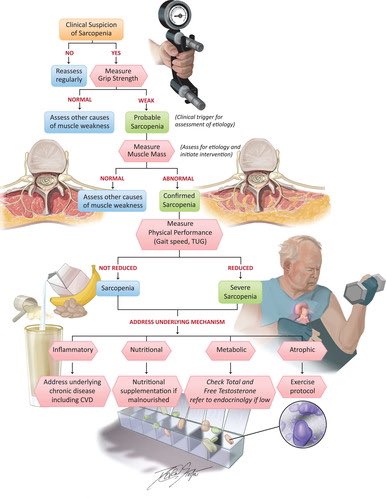
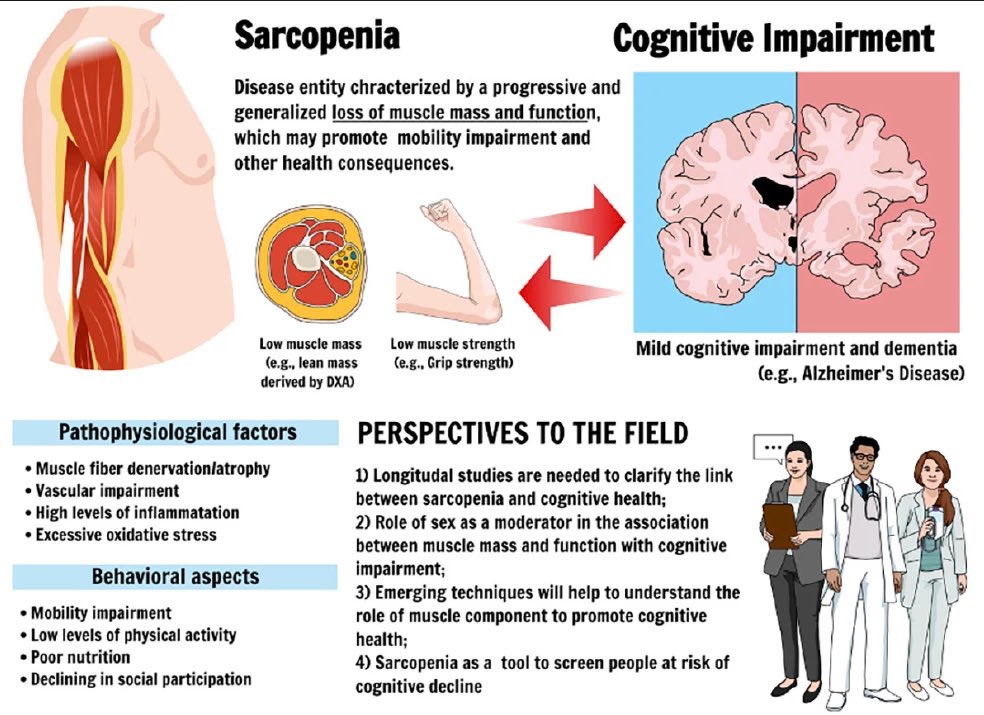
“May the Force (and Size) Be with You”: Muscle Mass and Function Are Important Risk Factors for Cognitive Decline and Dementia…
https://t.co/kSr0E3kQNf
Muscle mass is important.
But muscle function is arguably more important.
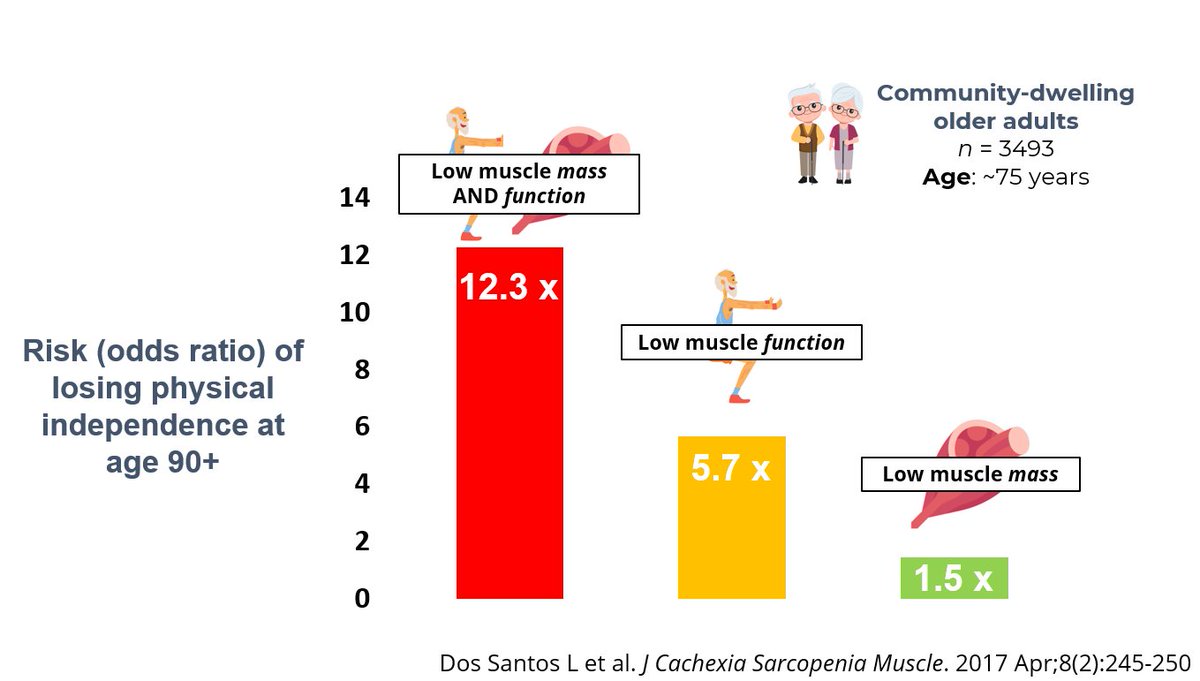
Particularly when it comes to maintaining our physical independence for longer.
This study found older adults who had low muscle function (assessed via sit-to-stand test) alone were at a much greater risk of losing their independence later in life versus those with low muscle mass (but normal muscle function).
The good news: improving muscle function with resistance training is a low-hanging fruit versus building muscle.
https://t.co/jVDZISspGN
Fascinating article highlighting the lower incidence of falls in patients placed by a window, a seemingly simple but effective intervention to reduce falls-related harm
https://t.co/nhCMV9ehz0
HT @AGILECSP @adamgordon1978 @GeriSoc@betterageing@deirdrelanglang#EndPJpararlysis
BGS President @adamgordon1978 comments on new research: "Doctors and patients are often nervous to stop #bloodpressure medications because they’re worried about what might go wrong. They can now use these results to make decisions about what to do with greater confidence."
WE NEED YOUR SUBMISSIONS! We welcome a range of manuscripts including research articles, commentaries, case reports, reviews, and study protocols in all aspects of health and healthcare of older people. #AGILITY
Strength loss with ageing is muscle group-specific.
Loss of strength is greatest in:
- Lower-body vs. upper-body muscles
https://t.co/6qF5hnd1wd
- Stabilisers vs. prime movers
(e.g., hip abductors/adductors vs. knee extensors)
https://t.co/U5gawkW2Il
Targeting strength loss in these muscle groups could positively influence balance and falls risk.
Our new World Psychiatry Meta-Review on “Lifestyle Psychiatry” examines physical activity, smoking, diet and sleep in onset+outcomes of mental illness
More attention to health environments/behaviour is needed in primary prevention & mental healthcare!
https://t.co/fOcF5gfP1M
New cohort study of older adults, shows significant antidepressant 😁benefits of #physicalactivity. Greater #exercise doses 🏃🏽♀️were associated with less #depression symptoms. https://t.co/mKexa1fRMB
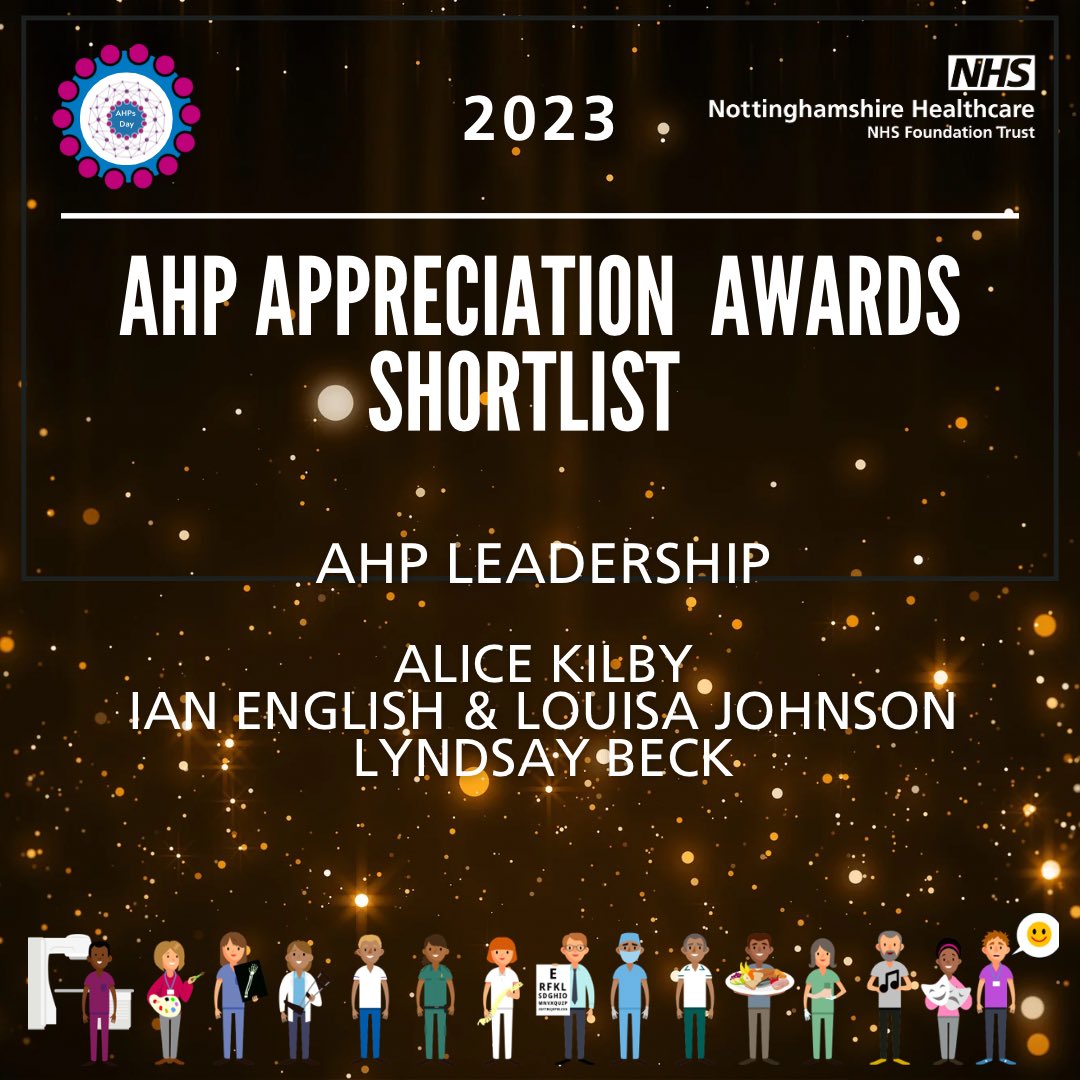
Our fourth #AHPAppreciationAwards category shortlist is AHP Leadership. Congratulations to Alice Kilby, Ian English & Louisa Johnson, and Lyndsay Beck who all received outstanding nominations 👏🏻🎉
📢 New BGS statement.
We've published a statement responding to the paper by Street et al in the BMJ about the impact of the Acute Frailty Network. We explain why we think this paper means we need to focus on older people's care more than ever. 👇
https://t.co/zFlU1Fuy8a
Benefits outweigh the risks: a consensus statement on the risks of physical activity for people living with long-term conditions Read more: https://t.co/jxt29Xsz07… #PhysicalActivity
Son, B.K., Imoto, T., Inoue, T. et al. Social Detachment Influenced Muscle Mass and Strength during the COVID-19 Pandemic in Japanese Community-Dwelling Older Women. J Frailty Aging 11, 231–235 (2022). https://t.co/aBagVTyspw
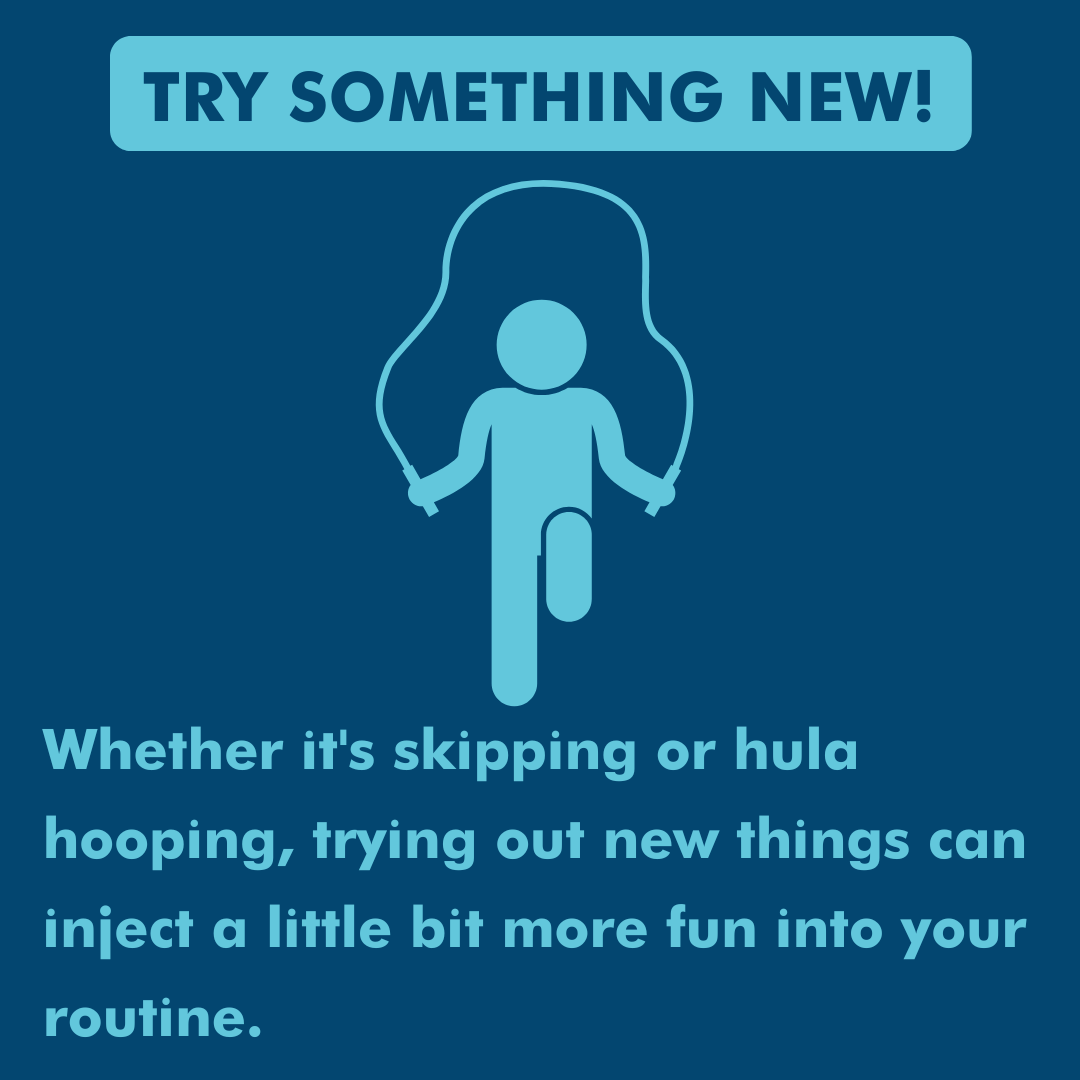
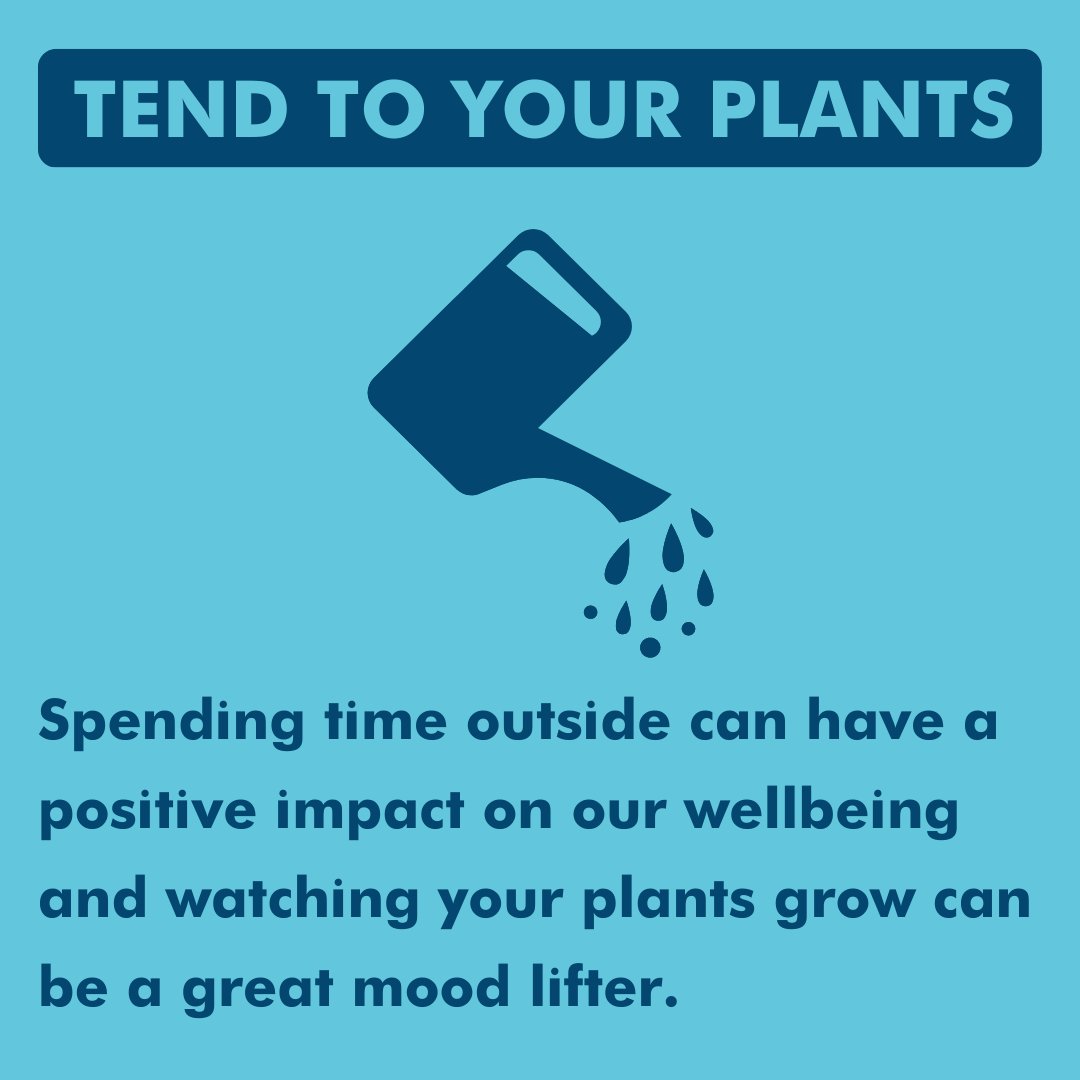
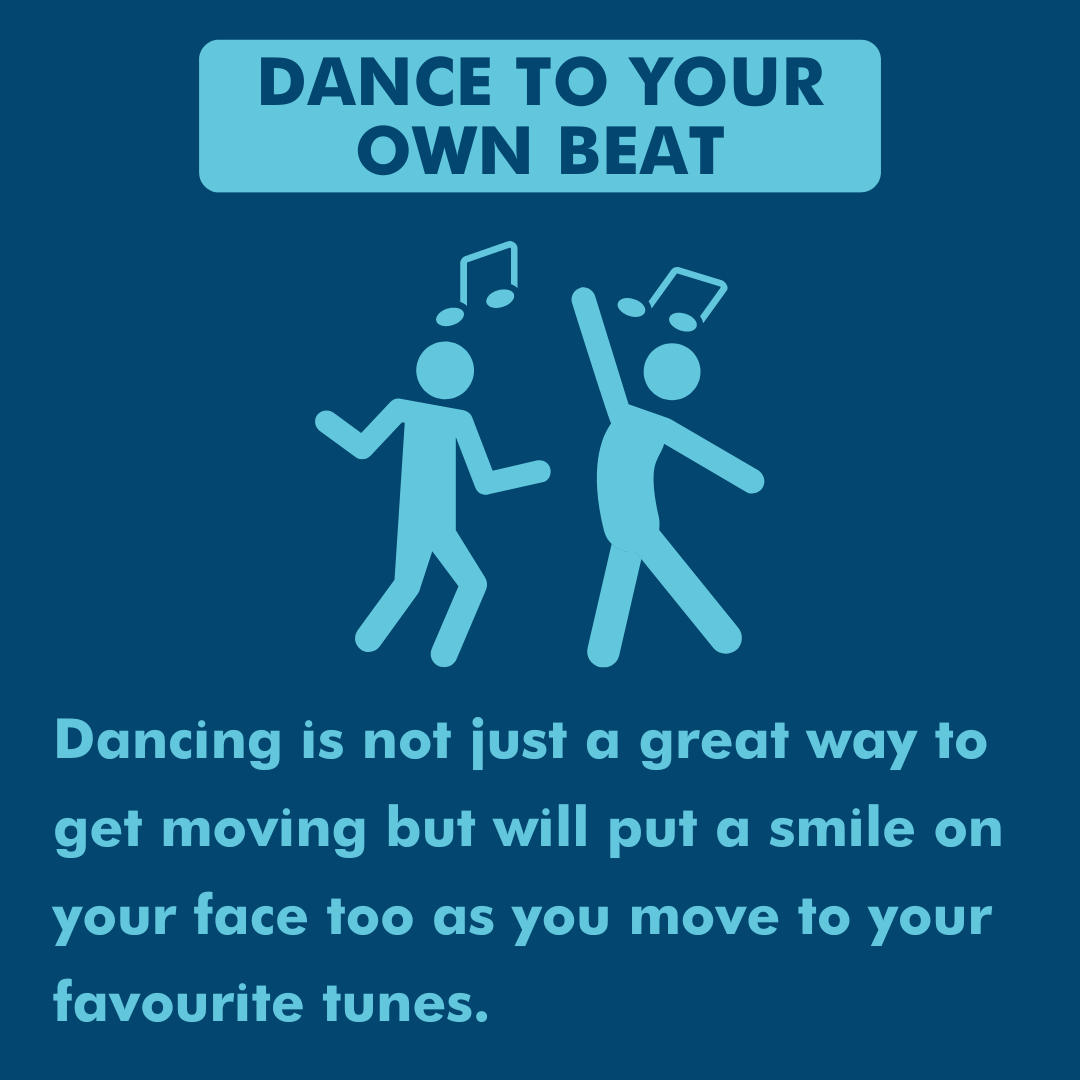
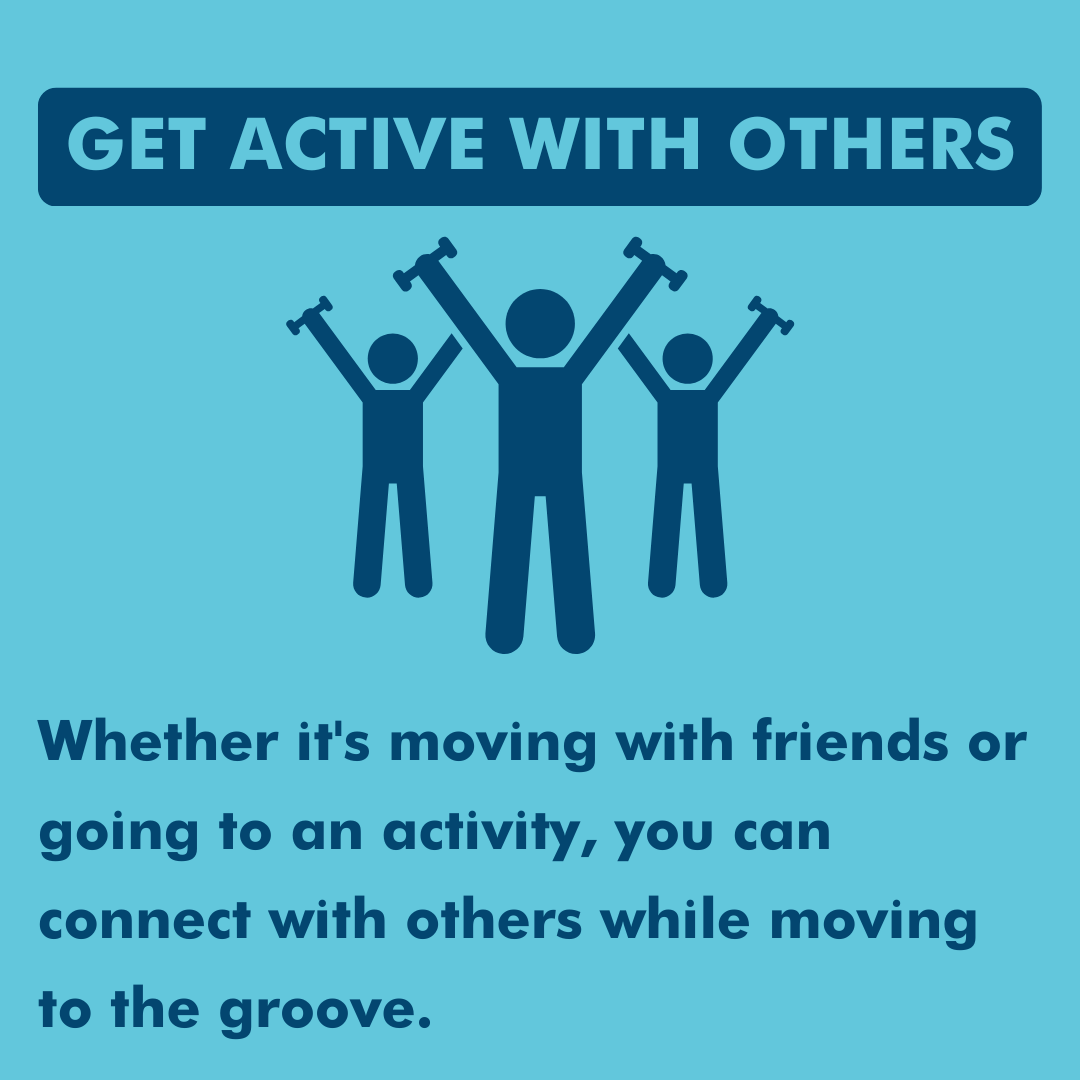
We know that sometimes the motivation to get moving can be a struggle but remember that getting active can be a great mood lifter too! Here are 4 ways to get moving that'll boost your mood 🙌
Click save on this post for a spark of inspiration whenever you need it 👇