A new study of over 50,000 kids just dropped a sobering finding:
Kids getting more than 4 hours of screen time a day showed significantly higher rates of anxiety, depression, and attention problems like ADHD.
It’s not proving direct cause and effect, but the pattern is clear: when screens replace sleep, physical activity, and real human connection, mental health suffers.
The nurse practitioner on FOX Carolina put it simply — it’s less about the exact number of hours and more about what those hours are replacing.
Research consistently shows that excessive screen time disrupts melatonin production, reduces deep sleep, and limits opportunities for physical movement and face-to-face interaction — all critical for healthy brain development in children.
We’re raising a generation glued to screens, and the mental health fallout is becoming impossible to ignore.
Many families are now seeing the difference when kids get more outdoor time and less scrolling.
What do you think — are we letting screens take too much from our kids’ development, or do you think the benefits outweigh the risks?
Write about your worst memory for 15 minutes a day, four days in a row. Six months later you'll go to the doctor half as often as people who didn't. James Pennebaker first ran that experiment at SMU in 1986. He's been trying to figure out why ever since.
Two years later he ran it again with two scientists who study the immune system. The writers' T-cells came back stronger. Way stronger than everyone else's. Those are the cells your body uses to fight off infections.
In 1999 the same idea got tested on people with asthma and arthritis. Twenty minutes a day, three days in a row. Four months later the asthma group was breathing better, and the arthritis group had fewer symptoms.
A 2004 study in New Zealand tried it on 37 people with HIV. The writers' CD4 counts went up. That's HIV's main target. The other group, who wrote about boring everyday stuff, didn't budge.
By 2006 someone had pulled 146 of these studies together. The same effect kept showing up across cancer patients, prisoners, college kids, and people with autoimmune diseases.
Researchers in the UK pushed it further in 2008. They split 36 people into two groups and gave each person a tiny circular cut on the inside of the arm, the kind you get from a skin biopsy. The first group had spent three days writing about something painful before the cut. The other wrote about their day. Two weeks later the writers' cuts had closed up faster on ultrasound.
Different angle, 2024. A team in Norway put EEG caps on people while they wrote. 256 sensors picked up brain activity. When you write by hand, wide stretches of your brain start talking to each other. The parts that handle movement and memory fire in patterns tied to learning. When you type, that doesn't happen.
Forty years in. The simplest version still works. Sit down for 15 minutes, write about what's bothering you. The "crazy gift" yimika is talking about shows up in blood draws, biopsy ultrasounds, and brain scans.
Schools with an above-average number of pupils with SEND are more likely to be marked down by Ofsted for attendance and behaviour, analysis finds
https://t.co/KvUdrsbLUj
I’ve put a load of my most popular files together in a Dropbox folder. Let me know if you’d like the link. Can I also ask that you share this post pretty please 🙏 (as it seems the only way to get anything seen nowadays!). 😊
We already know that top performing state schools admit fewer children eligible for free school meals and fewer children with SEND - even when they live in the catchment area.
Schools that make efforts to be more inclusive should be supported, not penalised.
It's the Easter holidays (2026), and I have two copies of Primary Reading Simplified to give away!
For your chance to win, simply retweet this tweet *or* reply below with the name of a children's book that you love.
(Or you can do both to double your chance of winning!)
Exclusive: Schools with the highest proportion of disadvantaged pupils are more likely to be marked down by Ofsted in the achievement category, Tes can reveal
https://t.co/XEevCGqqJD
‘6 strategies to support shared reading for students with SEND’
“… the solution for pupils who struggle with reading is not to only offer them a thin diet of levelled/banded reading, but instead to better scaffold the reading of complex texts.”
https://t.co/ALvG1wQuHm
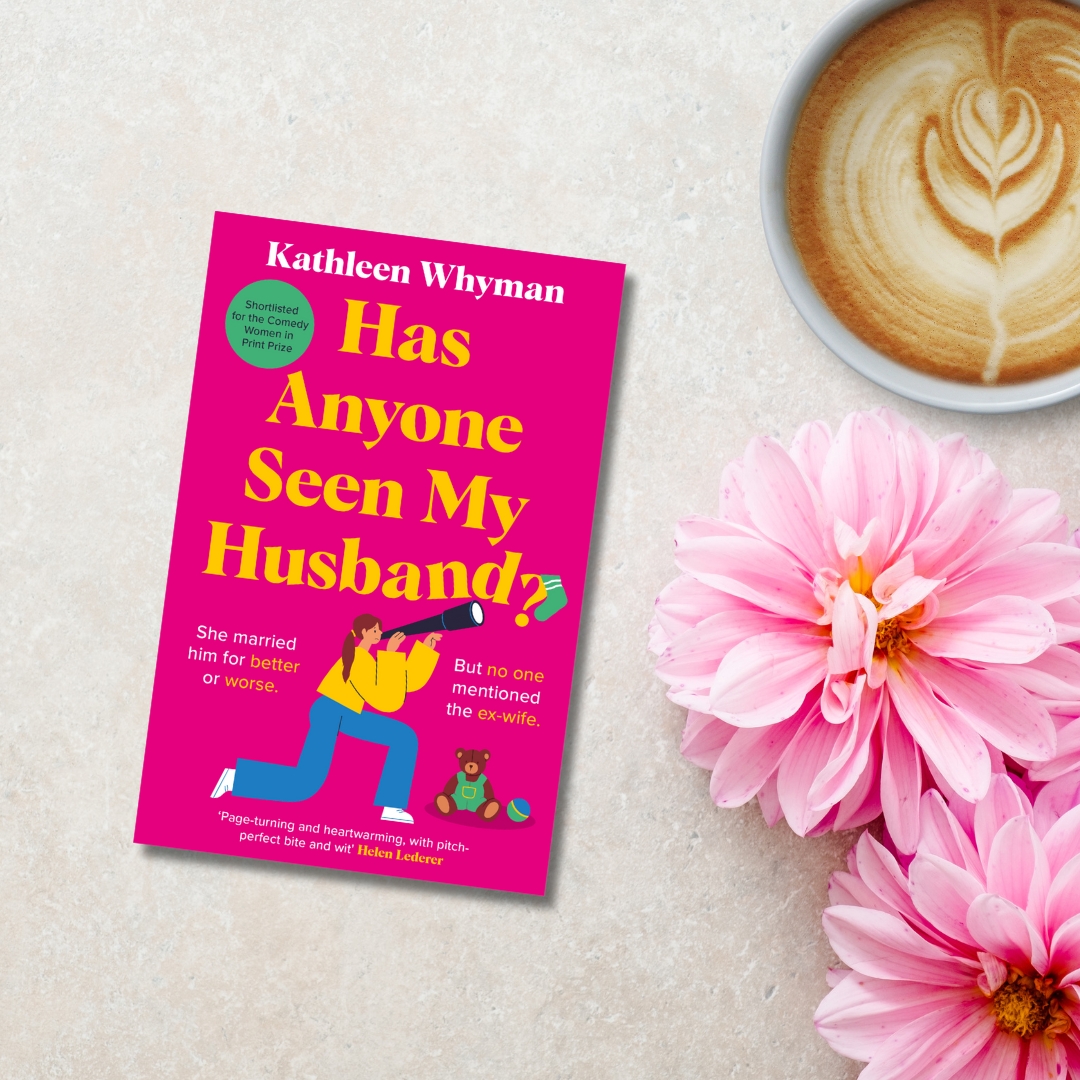
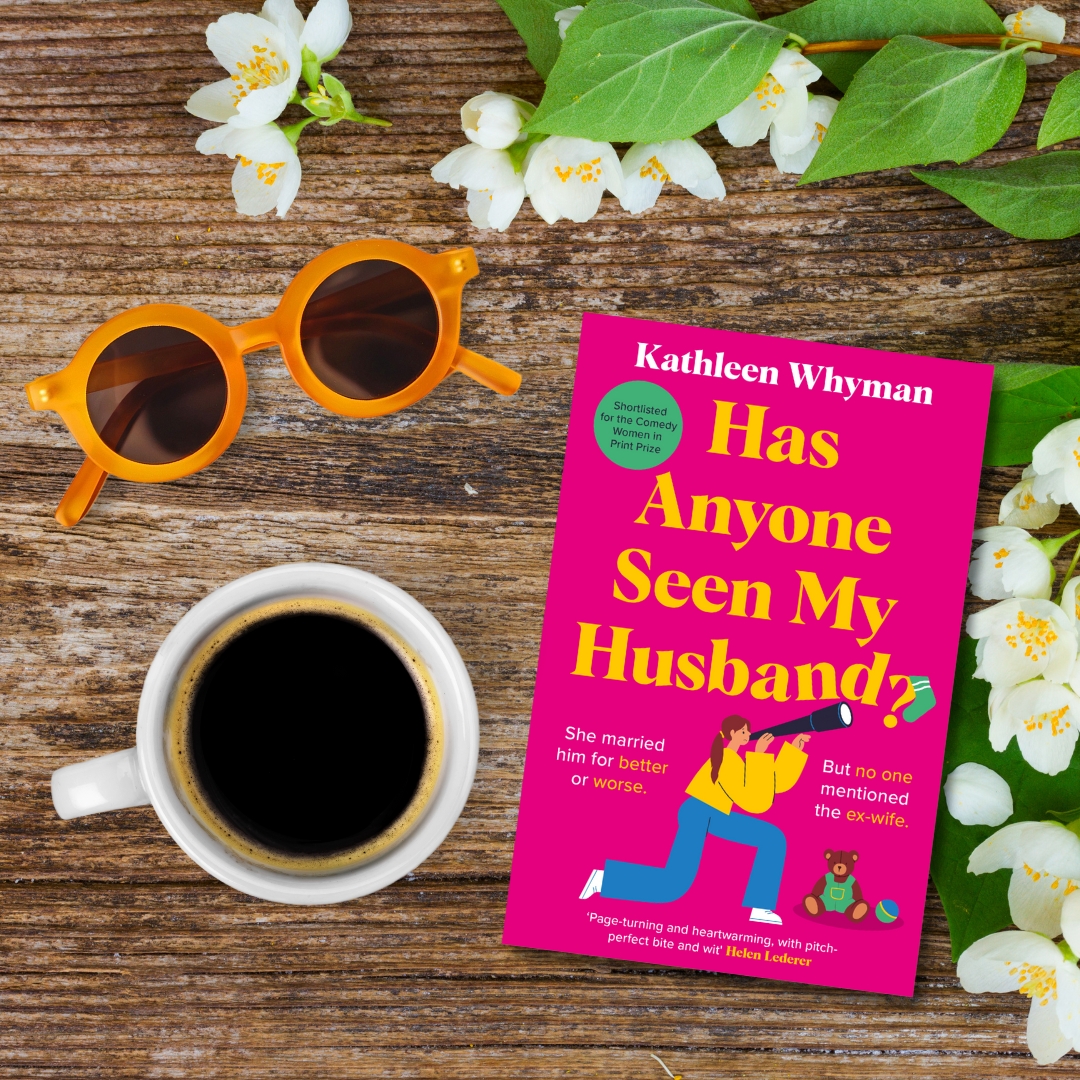
Get ready to love, laugh and cringe.
Has Anyone Seen My Husband by @kathleenwhyman1 is out today! For fans of Why Mummy Drinks and Confessions of a Forty Something.
Has Anyone Seen My Husband? by
@kathleenwhyman1 is out now. This is such a funny and insightful read. Perfect for fans of Why Mummy Drinks, Fiona Gibson and Confessions of a Forty Something. https://t.co/3cpk7YGAqg #WomensFiction