CHECKMATE 648: TPS vs CPS — SAME TRIAL, DIFFERENT BIOMARKER RULES!
📖 The story in 5 steps:
1️⃣ THE TRIAL: Phase III | n = 970 | Advanced ESCC. Nivolumab + chemotherapy or nivolumab + ipilimumab vs chemotherapy.
2️⃣ THE BIOMARKER: Original trial analysis used tumour-cell PD-L1 ≥1% (TPS ≥1%), assessed by IHC 28-8.
3️⃣ TPS vs CPS:
- TPS: PD-L1-positive tumour cells.
- CPS: PD-L1-positive tumour cells + lymphocytes + macrophages, relative to viable tumour cells.
4️⃣ THE 5-YEAR OS RESULTS:
- TPS ≥1%: HR 0.62 for both nivolumab combinations.
- CPS ≥1 (retrospective): HR 0.74 (Nivo + chemo) and 0.75 (Nivo + Ipi).
5️⃣ THE REGULATORY TWIST:
- 🇺🇸 FDA: CPS ≥1
- 🇪🇺 EMA: Tumour-cell PD-L1 ≥1%
🎯 MEMORY HOOK:
Read the trial with TPS. Read the US label with CPS.
⚠️ TPS and CPS are not interchangeable!
📚 Reference: CheckMate 648, 5-year follow-up and PD-L1 biomarker analyses. Annals of Oncology, 2026.
@larvol@OncoDaily@OncoAlert
#CheckMate648 #EsophagealCancer #ESCC #PDL1 #Immunotherapy #MedicalOncology #MVOnco
2026 Key European Guideline Changes for Metastatic Breast Cancer and Their Impact on Practice—Commentary Based on a Virtual Focus Group
https://t.co/RLoAb6SAK3
🚨 Are we overtreating early breast cancer with chemotherapy?
A timely perspective in @JCO_ASCO revisits 4 landmark trials: MINDACT → TAILORx → RxPONDER → OPTIMA.
The evolution of genomic-guided chemotherapy in HR+/HER2− breast cancer is fascinating.
🔹 MINDACT | MammaPrint
High clinical risk ≠ automatic chemotherapy. Favorable genomic biology can support omission.
🔹 TAILORx | Oncotype DX
Most node-negative patients with RS 11–25 can avoid chemotherapy. Younger women remain an important exception.
🔹 RxPONDER | Oncotype DX
With 1–3 positive nodes and RS ≤25:
• Postmenopausal: No meaningful chemotherapy benefit.
• Premenopausal: Significant benefit persists.
🔹 OPTIMA | Prosigna (PAM50)
The next frontier!
✅ Included patients with up to 9 positive nodes.
✅ ROR ≤60 guided chemotherapy omission.
✅ ~2/3 avoided chemotherapy.
✅ Genomic-guided treatment was noninferior at 3.9 years’ median follow-up.
But here’s the BIG unanswered question:
Does chemotherapy benefit younger women because of its cytotoxic effects, or because it suppresses ovarian function?
OPTIMA mandated ovarian suppression in premenopausal participants and found no significant heterogeneity by menopausal status.
This is hypothesis-generating, NOT definitive proof.
🔬 Next to watch: OFSET (NRG-BR009) and OPTIMA-YOUNG.
💡 My takeaway: The future isn’t simply identifying who can skip chemotherapy. It’s determining whether optimized endocrine therapy can replace chemotherapy in selected younger women.
Excellent perspective by @YAbdouMD and Lisa Carey.
@myesmo@ESMO_open@OncoAlert
#BreastCancer #PrecisionOncology #ESMO26
Full paper link in comment below ⬇️
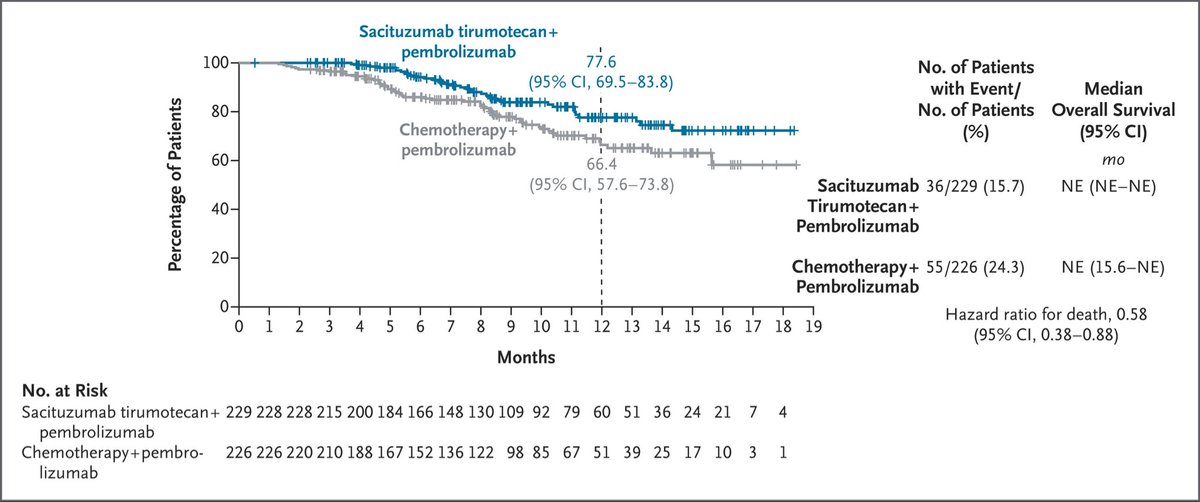
🚨 ESMO 2026 × NEJM: Is chemotherapy losing its place in first-line lung cancer?
🔥 OptiTROP-Lung06 delivers a striking Phase III result in PD-L1–negative advanced nonsquamous NSCLC!
Sacituzumab tirumotecan + pembrolizumab vs chemo + pembrolizumab:
📊 Median PFS: 15.0 vs 5.7 months
🔥 51% lower risk of progression/death (HR 0.49)
✅ Grade ≥3 AEs: 47.6% vs 60.6%
⚠️ OS remains immature.
The big question: Could TROP2-ADC + immunotherapy replace platinum chemotherapy in first line?
Published simultaneously in NEJM during #ESMO26.
@my_esmo @ESMO_open@ASCO@oncoalert
#LungCancer #NSCLC #ESMO26
Metastatic ESCC: Choosing the Treatment
📌 Based on the ESMO 2026 Clinical Practice Guideline
• First line: chemotherapy + anti-PD-1 when the relevant drug-specific PD-L1 cut-off is met; platinum doublet chemotherapy below that threshold.
• At progression: prior immunotherapy guides the next step—taxane/irinotecan after ICI; nivolumab/tislelizumab for eligible ICI-naïve patients after platinum chemotherapy.
• Selected TPS ≥1% patients: nivolumab–ipilimumab is an alternative, with caution about early progression.
🔴 CPS ≠ TPS ≠ TAP. Match the score and cut-off to the drug. Toripalimab’s European approval is PD-L1-independent, although the guideline algorithm uses CPS ≥1.
Take-home: The right biomarker interpretation—and prior treatment—determines the pathway.
Ref: Al-Batran et al. Ann Oncol. 2026. doi:10.1016/j.annonc.2026.09.015
#ESCC #EsophagealCancer #ESMO2026 #Immunotherapy #PDL1 #PrecisionOncology #MVOnco
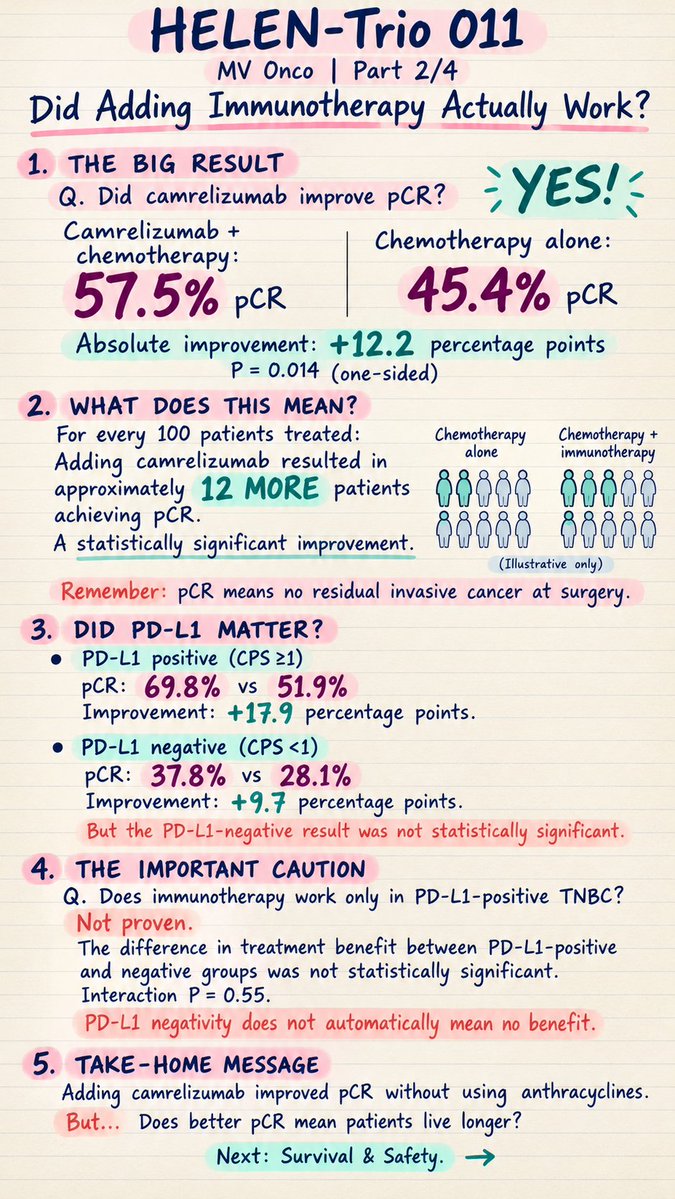
HELEN-Trio 011 | Can We Treat TNBC Without Anthracyclines?
A promising phase III trial — but is it practice-changing?
Part 1 — The Big Question
Can we simplify neoadjuvant treatment for stage II–III TNBC by avoiding anthracyclines?
Part 2 — The Good News
Adding camrelizumab to docetaxel–carboplatin significantly improved pCR:
57.5% vs 45.4% (P = 0.014, one-sided).
Part 3 — The Survival Question
2-year EFS: 89.7% vs 86.4%
HR 0.67 (95% CI 0.34–1.33).
Encouraging, but not statistically significant. Severe toxicity was manageable.
Part 4 — Why NOT Practice-Changing?
- No direct comparison with KEYNOTE-522.
- Survival benefit remains unproven.
- Anthracycline omission has not been proven noninferior.
- Apparent safety advantages require direct comparison.
My Take-Home:
Improving pCR is encouraging. But before removing anthracyclines from a curative regimen, we need confidence that long-term outcomes are preserved.
Promising de-escalation. Not yet practice-changing.
📖 Reference: Jiao D et al. HELEN-Trio 011. Annals of Oncology, 2026.
DOI: https://t.co/otwbvTiW2N
#MVOnco #BreastCancer #TNBC #HELENTrio011 #Immunotherapy #OncologyResearch
🚨 ESMO 2026: 15 Trials That Could Change Oncology Practice!
From personalized cancer vaccines and bispecific antibodies to next-generation ADCs, major results are coming.
🔥 My Top 15 to Watch:
1. INTerpath-001 | Melanoma
2. SAFFRON | EGFR+ NSCLC
3. Krascendo 1 | KRAS G12C NSCLC
4. DeLLphi-305 | ES-SCLC
5. HARMONi-GI1 | Biliary
6. VOLGA | Bladder
7. DASL-HiCaP | Prostate
8. NATALEE | Breast
9. TRIO-US B-12 TALENT | Breast
10. ENERGIZE | Bladder
11. CLARITY-Gastric 01 | Gastric
12. KEYNOTE-C93 | Endometrial
13. KEYNOTE-B49 | Breast
14. LITESPARK-011 | RCC
15. SigVie-002 | NSCLC
📊 The big question: Which trials will deliver meaningful survival benefits and redefine standards of care?
Not every positive trial is practice-changing.
👨⚕️ Oncologists, which trial are you watching most closely?
#ESMO26 #Oncology #CancerResearch
@ASCO@oncoalert@myesmo@esmo_open
🔴“Espero que no me corran”, expresa la doctora Rubí, del Hospital de Oncología del Centro Médico Siglo XXI del IMSS, al denunciar las condiciones en las que atienden a pacientes con cáncer.
Advierte que los pacientes oncológicos enfrentan esperas de hasta seis meses para recibir tratamiento por falta de infraestructura adecuada. Antes, asegura, la espera llegó a ser de un año.
Explica que el hospital recibe pacientes de Chiapas, Guerrero y Morelos, y que el servicio subrogado que ayudaba a reducir la saturación fue suspendido.
“El cáncer no es algo que pueda esperar”, señala.
📹 @merazr | @Radio_Formula
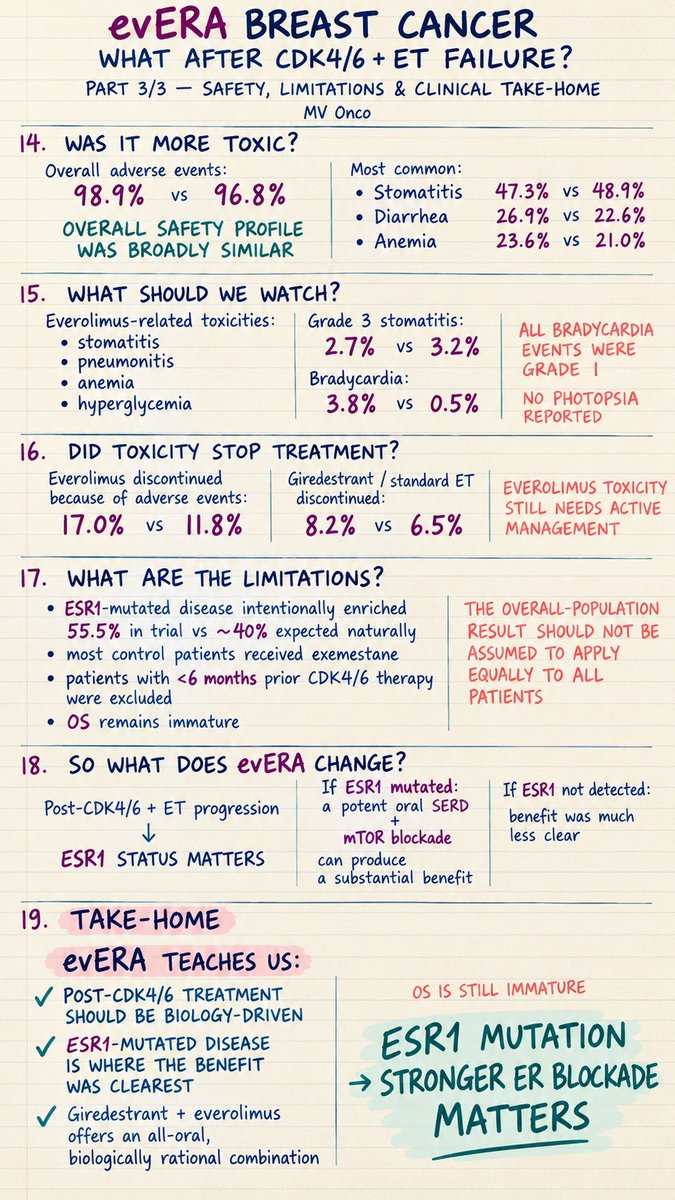
evERA Breast Cancer: The ESR1 Story After CDK4/6 Failure
Part 1 — Why evERA?
After progression on CDK4/6 inhibitor + endocrine therapy, resistance may be driven by ESR1 mutation and PI3K–AKT–mTOR signaling. evERA tested giredestrant + everolimus vs standard ET + everolimus.
Part 2 — Did it work?
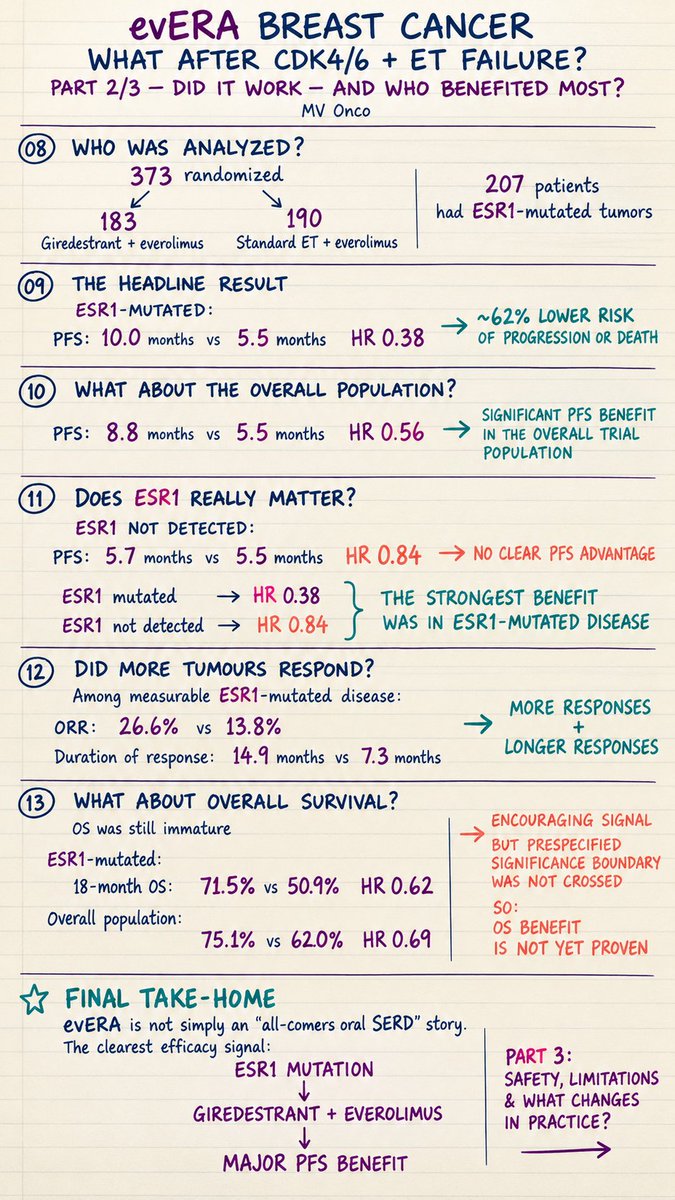
ESR1-mutated: PFS 10.0 vs 5.5 mo; HR 0.38
Overall population: PFS 8.8 vs 5.5 mo; HR 0.56
ESR1 not detected: PFS 5.7 vs 5.5 mo; HR 0.84 → no clear PFS advantage.
The KM curves tell the story: the strongest and most sustained separation is in ESR1-mutated disease. OS shows an encouraging but still immature signal: HR 0.62 in ESR1-mutated disease and 0.69 overall.
Part 3 — Take-home
Safety was broadly expected. A key limitation is ESR1 enrichment (55.5%), so the overall-population result should not be assumed to apply equally to all patients.
Take-home:
evERA is primarily an ESR1-mutated combination story — stronger ER blockade + mTOR blockade produced the clearest PFS benefit.
Reference: Mayer EL, Tolaney SM, Martín M, et al. N Engl J Med. 2026;395:1285–1298. doi:10.1056/NEJMoa2602457.
#evERA #ESR1 #Giredestrant #Everolimus #BreastCancer #CDK46 #MedicalOncology #MVOnco
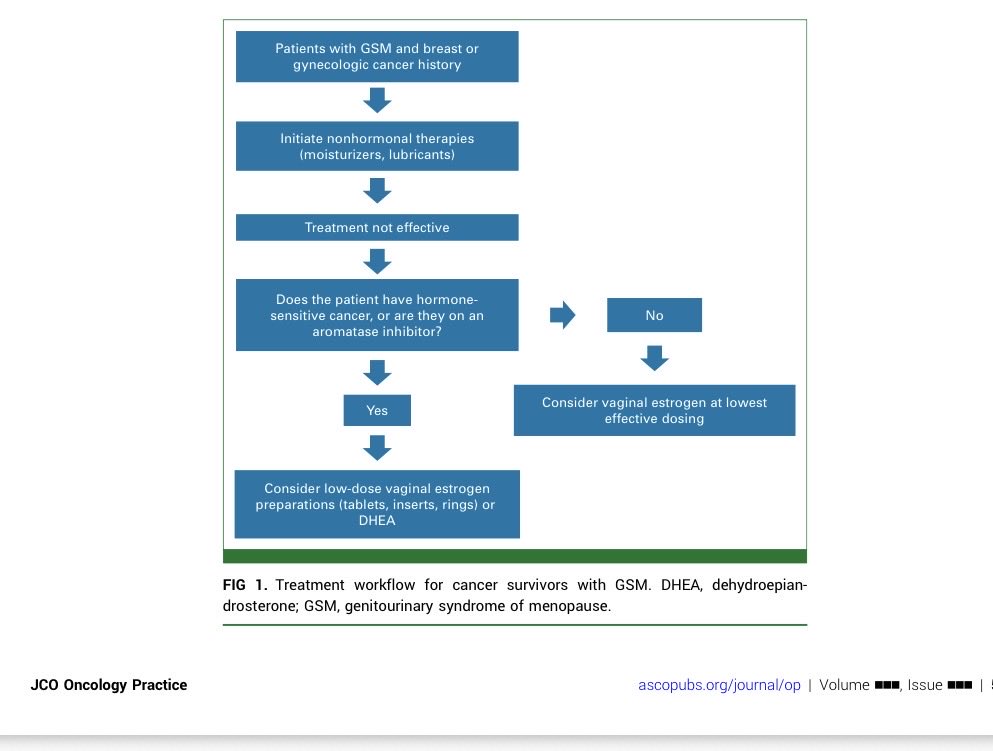
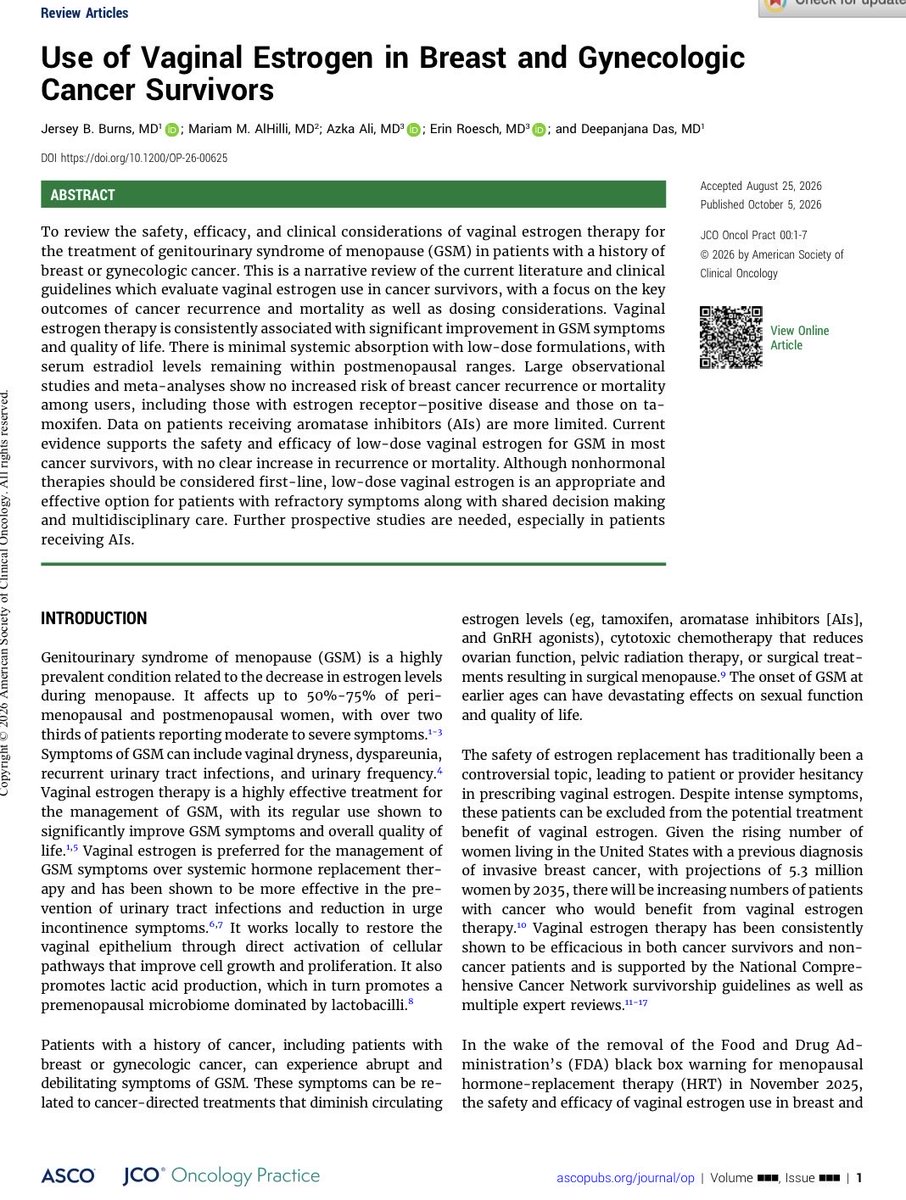
Use of Vaginal Estrogen in Breast and Gynecologic Cancer Survivors | JCO Oncology Practice https://t.co/XPbukHMLJF @OncoAlert@JCOOP_ASCO@MMAlHilli@ClevelandClinic in selected patients with refractory symptoms low dose vaginal estrogen could be effective !
Chemotherapy-induced peripheral neuropathy 🤦♂️
I believe we’ll figure out how to prevent it one day. Whoever does should get the Nobel Prize without having to wait 15–20 years...
Does cryotherapy really work for preventing taxane-induced peripheral neuropathy?
In the randomized CryoPac trial, cryotherapy with frozen gloves and socks reduced the incidence of CIPN from 84% to 74%, but the primary endpoint did not reach statistical significance (P=0.07). However, sensory symptoms such as numbness and tingling were less frequent, and objectively assessed tactile disturbance decreased from 15% to 4% (P=0.006).
The proportion of patients completing all planned chemotherapy cycles was numerically higher (82.9% vs 74.5%; P=0.128), while there was no difference in dose reductions. Full compliance with cryotherapy was only 67%.
Although the primary endpoint was negative, the signal for sensory neuropathy is noteworthy.
https://t.co/pgpFuQMcu5
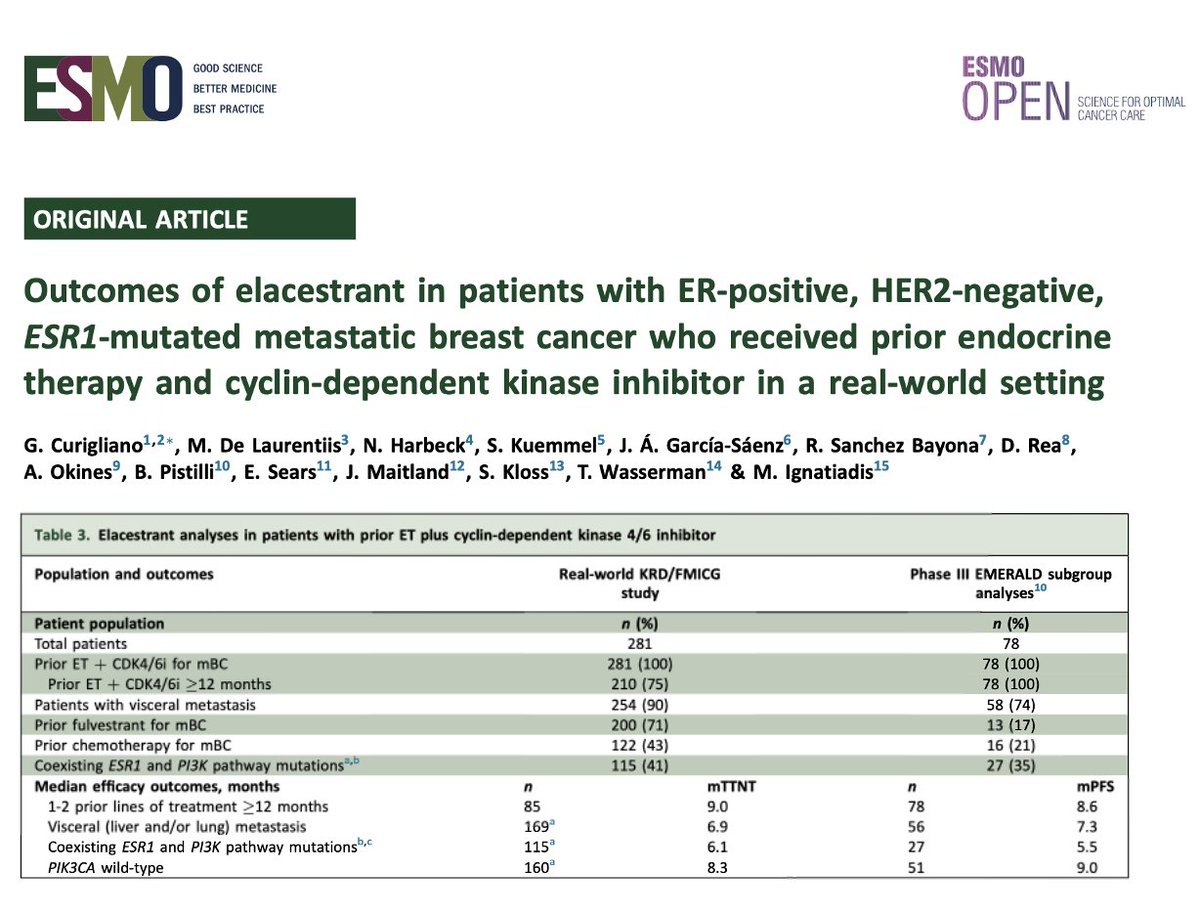
Outcomes of elacestrant in pts with ER+ HER2, ESR1m metastatic breast cancer who received prior ET & CDK4/6 inhibitor in a RW setting in @ESMO_Open.Durable benefit of elacestrant with 8.2 months of mTTNT after 1 to 2 lines of ET+CDK4/6i. https://t.co/p756cGNrxa
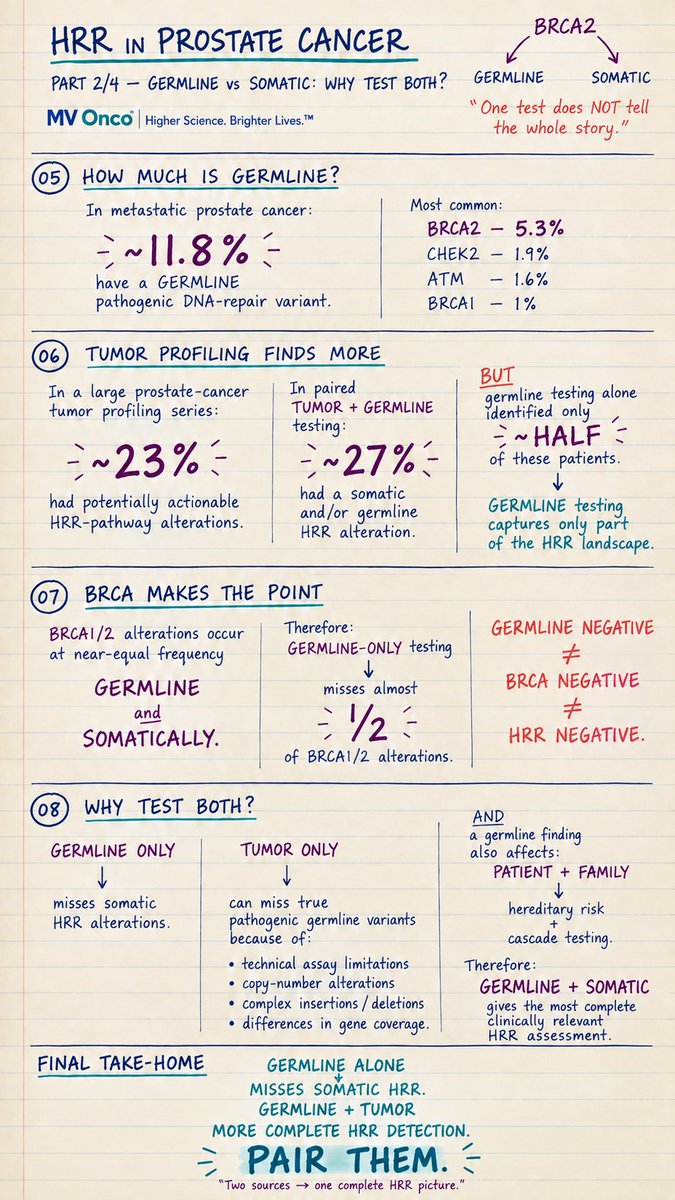
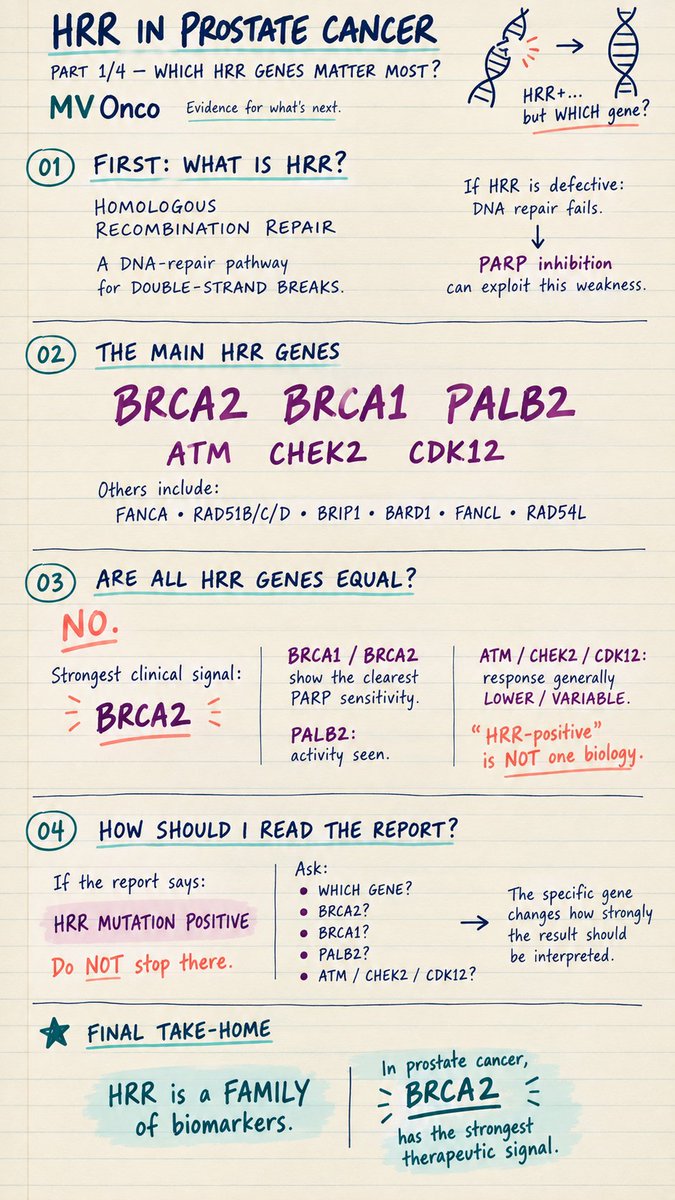
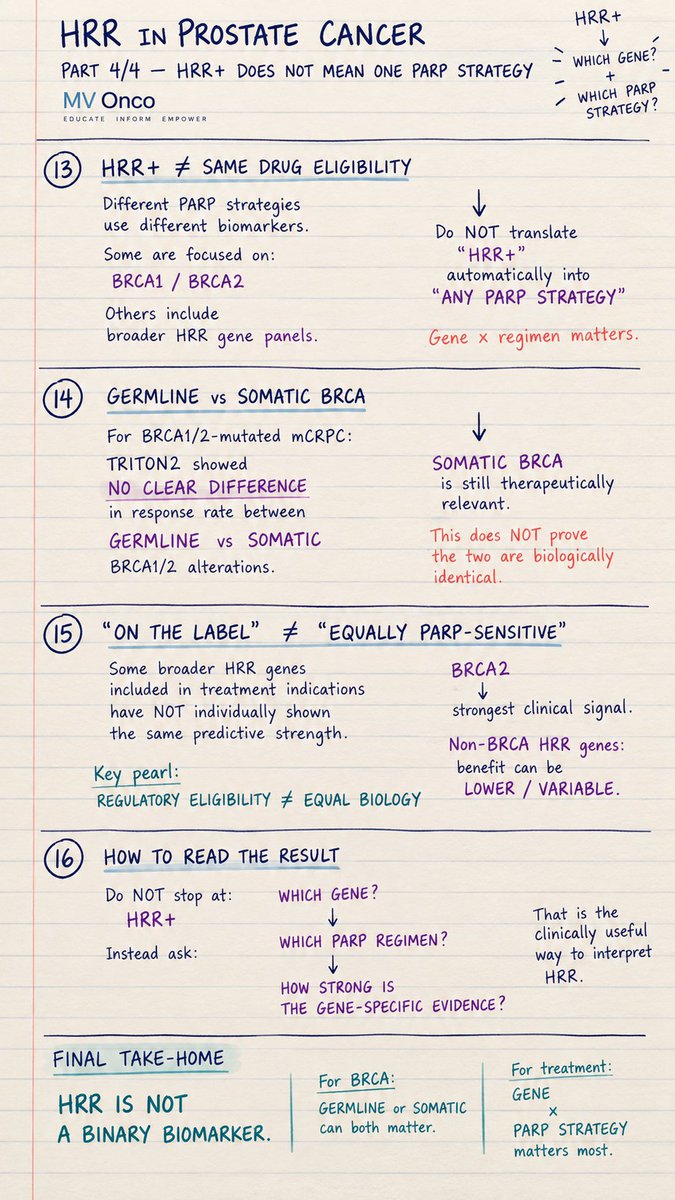
HRR IN PROSTATE CANCER 🧬
4 Important Principles for Clinical Practice
1/4 — The gene matters
HRR is not one biology. BRCA2 has the strongest therapeutic signal.
2/4 — Germline ≠ the whole picture
Germline + tumor testing gives a more complete HRR assessment.
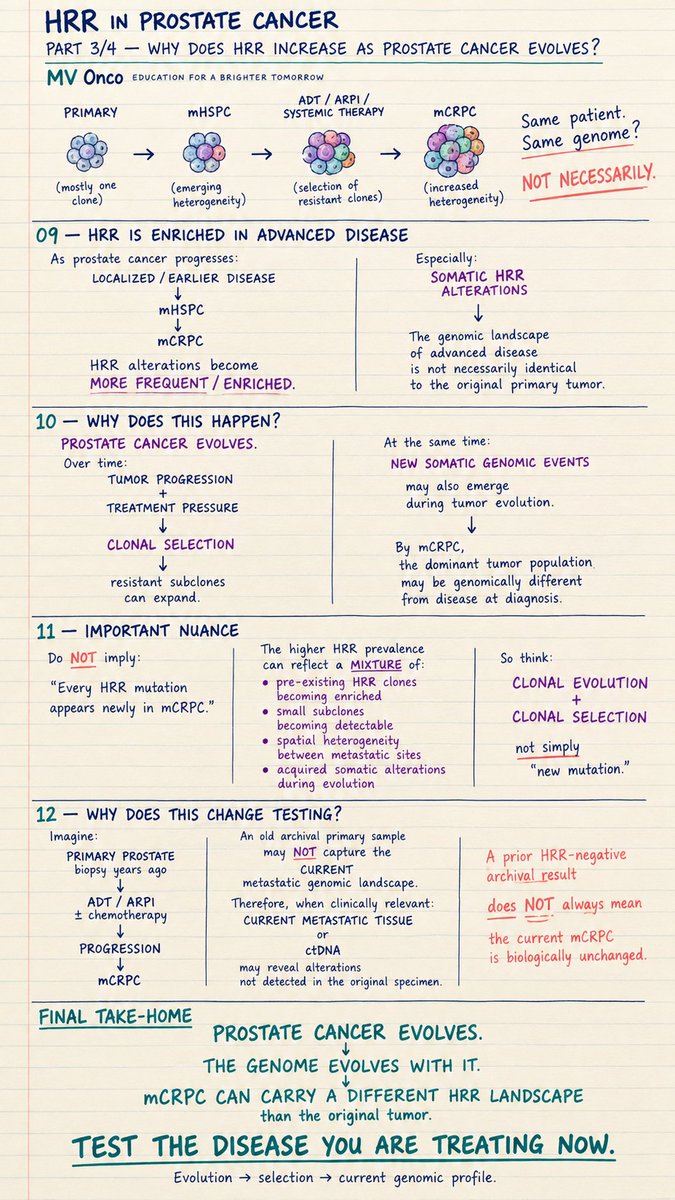
3/4 — The disease evolves
Clonal evolution and treatment pressure can change the HRR landscape.
4/4 — HRR+ ≠ one PARP strategy
Think gene × PARP strategy × strength of evidence.
Take-home:
HRR is not a binary biomarker. Read beyond “HRR+”.
Refs: Pritchard NEJM 2016 | Robinson Cell 2015 | TRITON2 | PROfound | MAGNITUDE
#ProstateCancer #HRR #BRCA #PARPInhibitors #mCRPC #PrecisionOncology #MVOnco
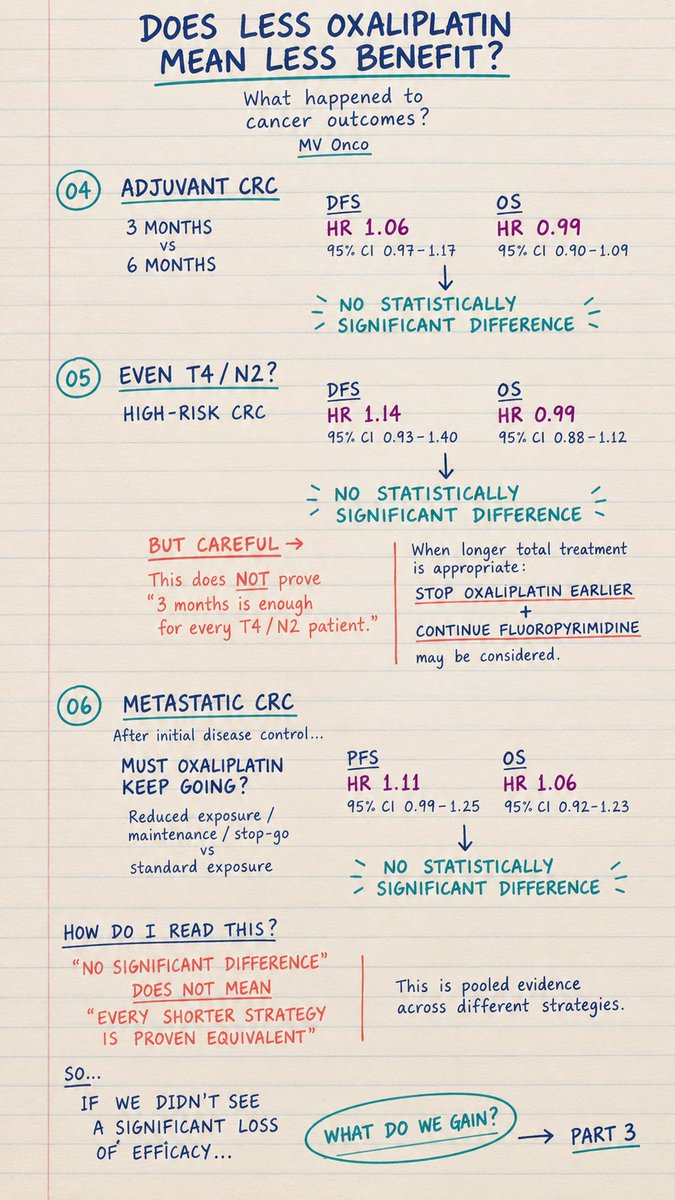
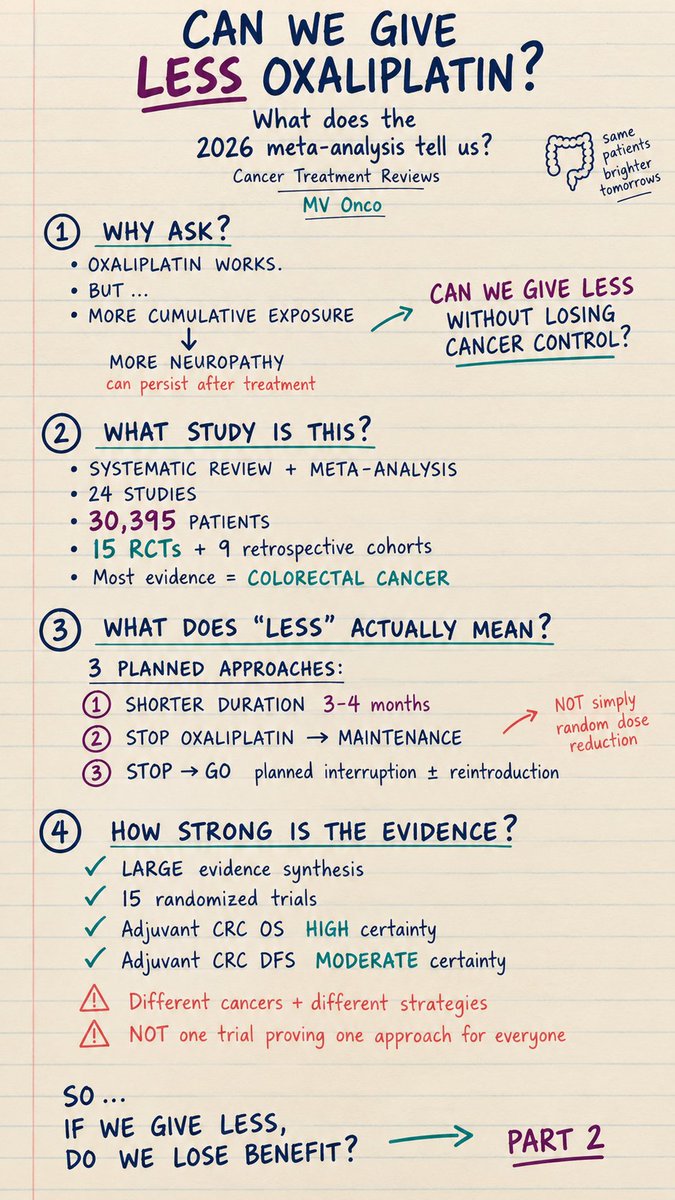
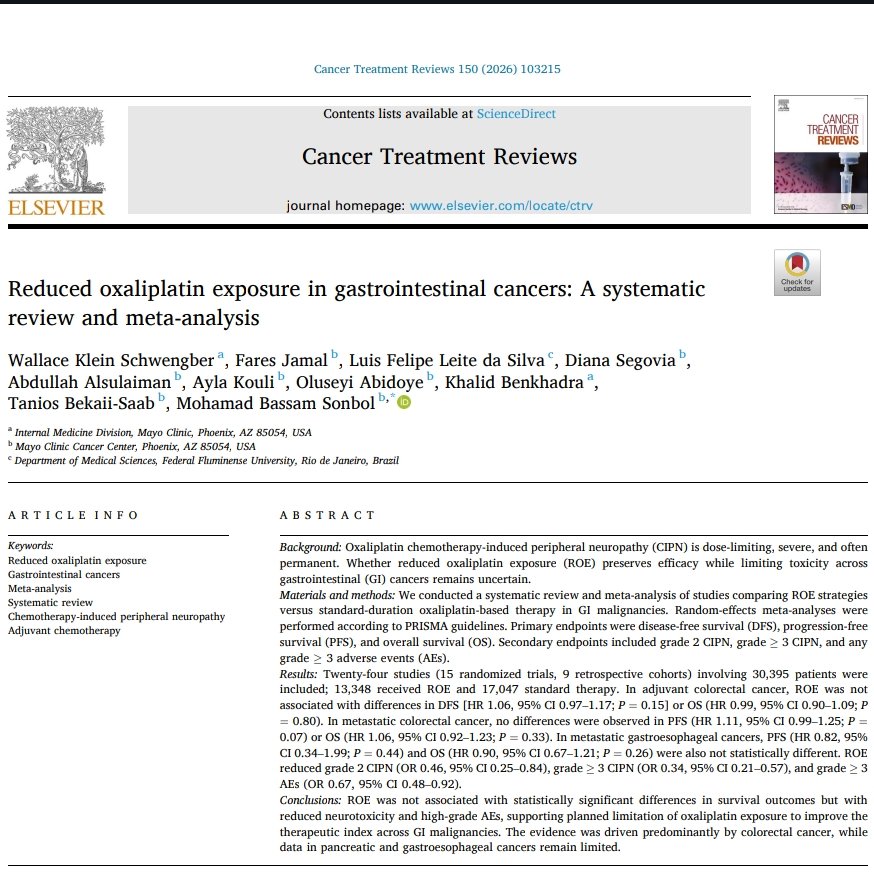
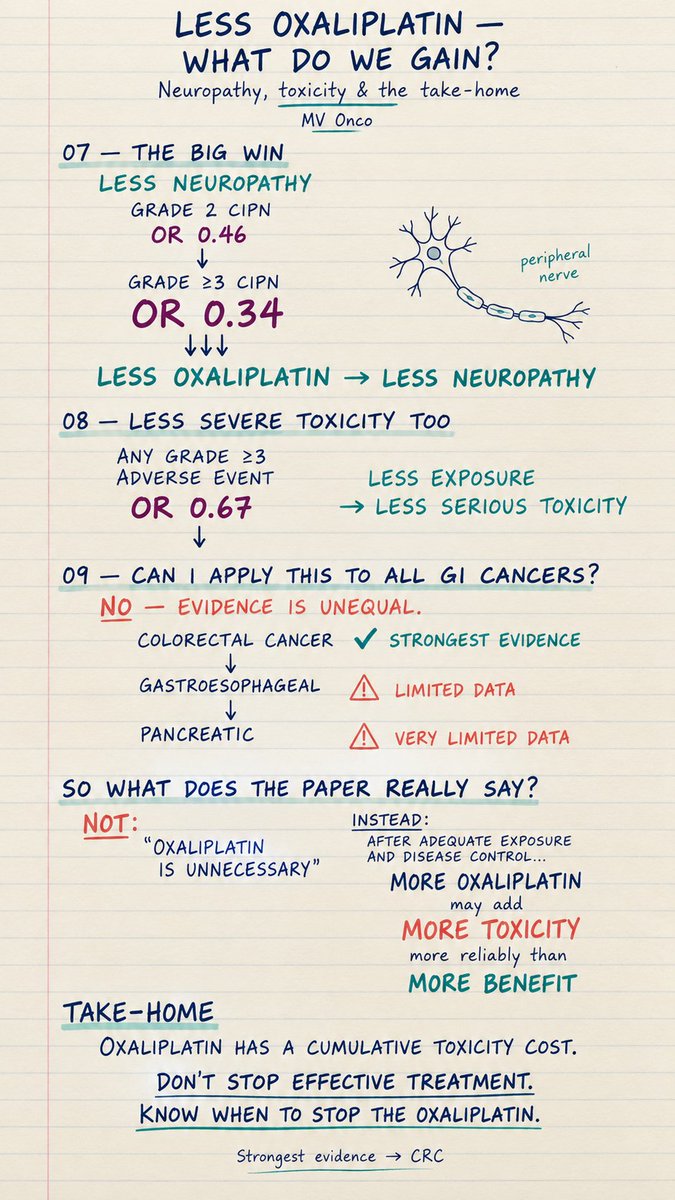
Can we give less oxaliplatin — without losing benefit? 💉
A 2026 systematic review/meta-analysis of 24 studies and 30,395 patients asks a very practical question: when is enough oxaliplatin enough?
🔹 Part 1 — Can we give less?
What “reduced exposure” actually means, how strong the evidence is, and why cumulative neuropathy matters.
🔹 Part 2 — Do we lose benefit?
In CRC, reduced exposure showed no statistically significant difference in DFS/PFS or OS in the pooled analyses—including an exploratory look at T4/N2 disease.
🔹 Part 3 — What do we gain?
Clearly less neuropathy and severe toxicity—grade ≥3 CIPN OR 0.34. The evidence is strongest in CRC and much more limited in other GI cancers.
🎯 Take-home:
Don’t stop effective treatment. Know when to stop the oxaliplatin.
#Oxaliplatin #ColorectalCancer #GIOncology #Neuropathy #MedicalOncology #CancerResearch #MVOnco