Join us at the crossroads of media, development, and powerful storytelling, weaving connections and shedding light on impactful transformations from Nigeria across the continent of Africa. Welcome to a world where narratives shape destinies. #MirrorMultimedia
Building schools is only the beginning. The real measure of success is ensuring that these schools are completed, fully equipped, operational and serving the learners they were designed for.
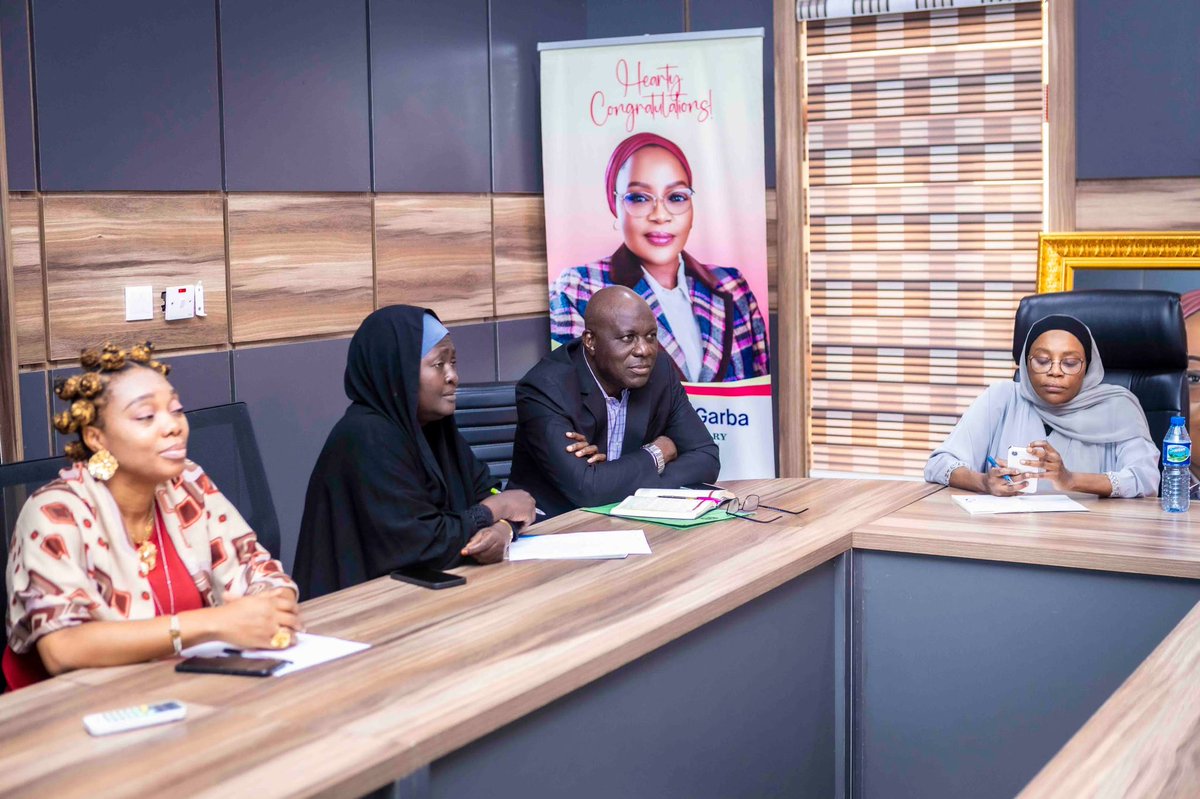
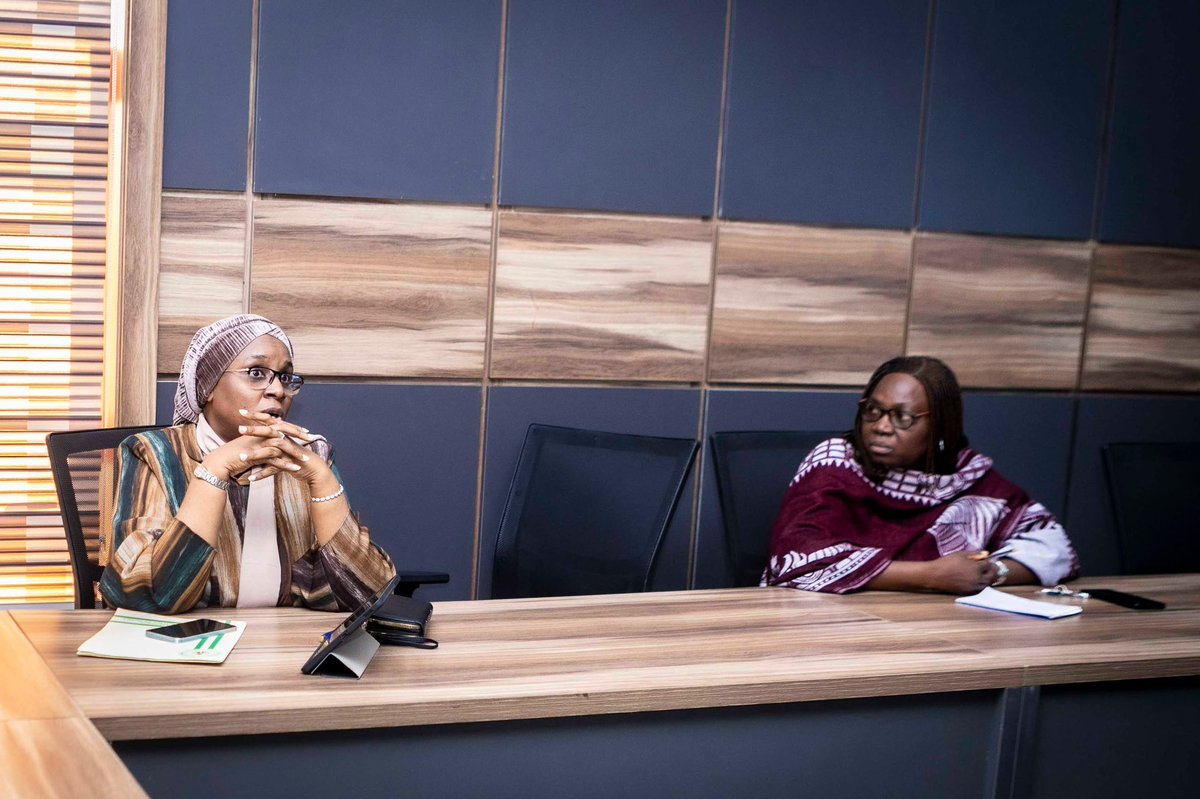
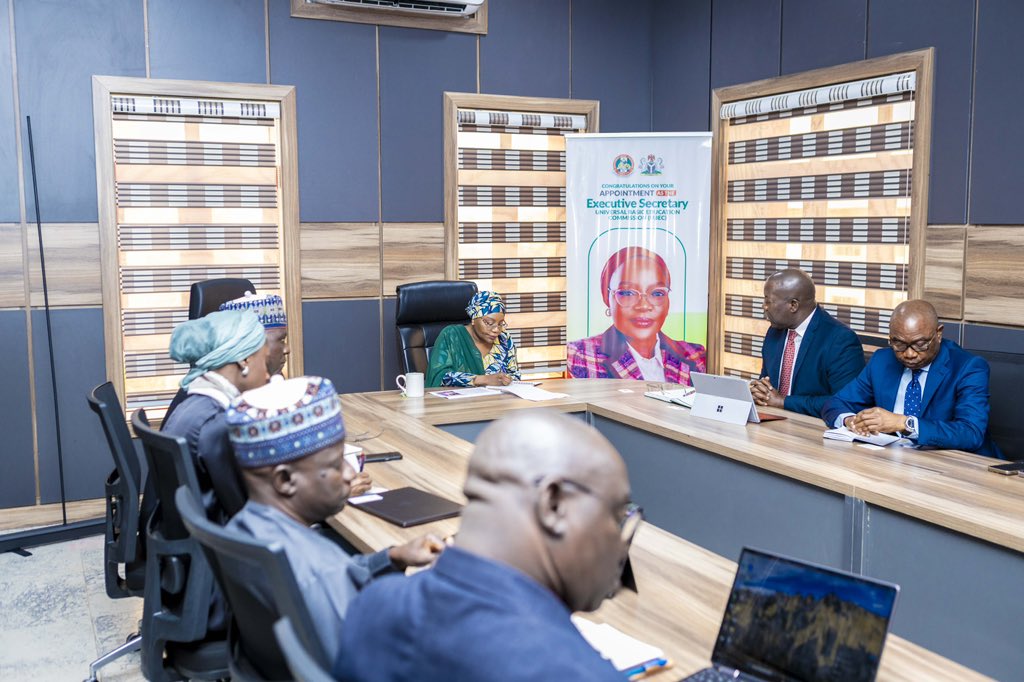
The Ministerial Implementation and Monitoring Committee (MIMC), inaugurated by the Honourable Minister of Education, provides a coordinated framework for strengthening the implementation and monitoring of the Federal Government’s Smart Schools, Bilingual Education Schools and Alternative Schools initiatives across the country.
As part of the Committee’s work, attention is being given to the completion of outstanding projects, operational readiness, provision of essential facilities and learning resources, stakeholder coordination, commissioning and effective utilisation of completed schools.
For me, this is an important part of ensuring that substantial investments in education translate into functional learning environments and meaningful opportunities for our children.
Through stronger monitoring, accountability and collaboration with the Federal Ministry of Education, State Governments, SUBEBs and other stakeholders, we can move beyond completed infrastructure to schools that are truly ready to teach, support and transform lives.
Every school built must become a school that works. Every investment must ultimately serve the child.
UBEC, World Bank Strengthen Collaboration on HOPE-EDU/GOV and Future Education Programmes
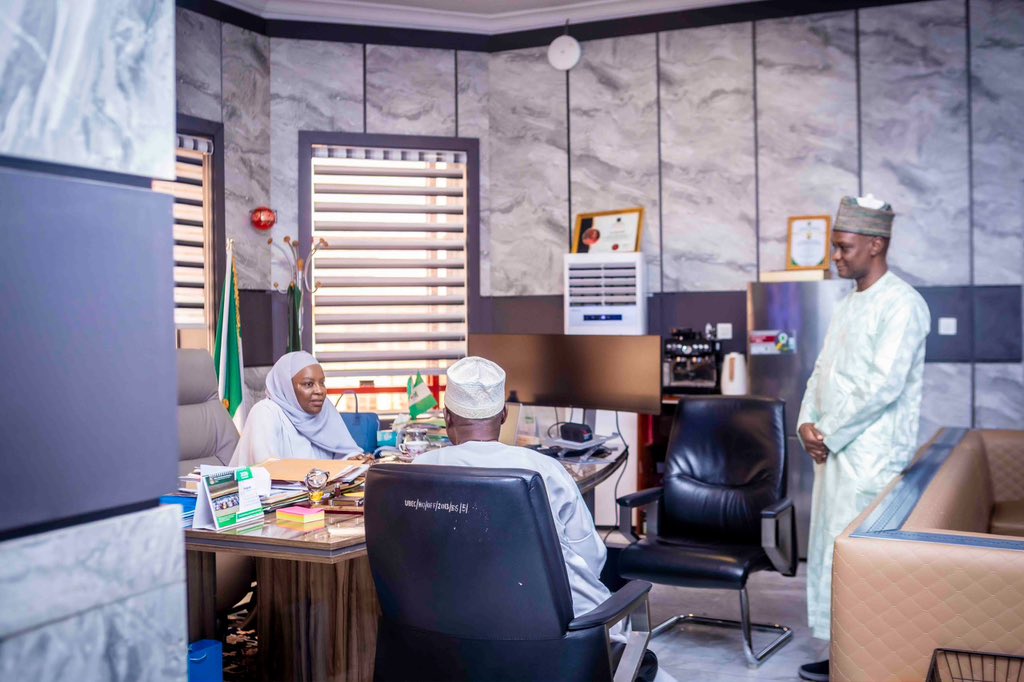
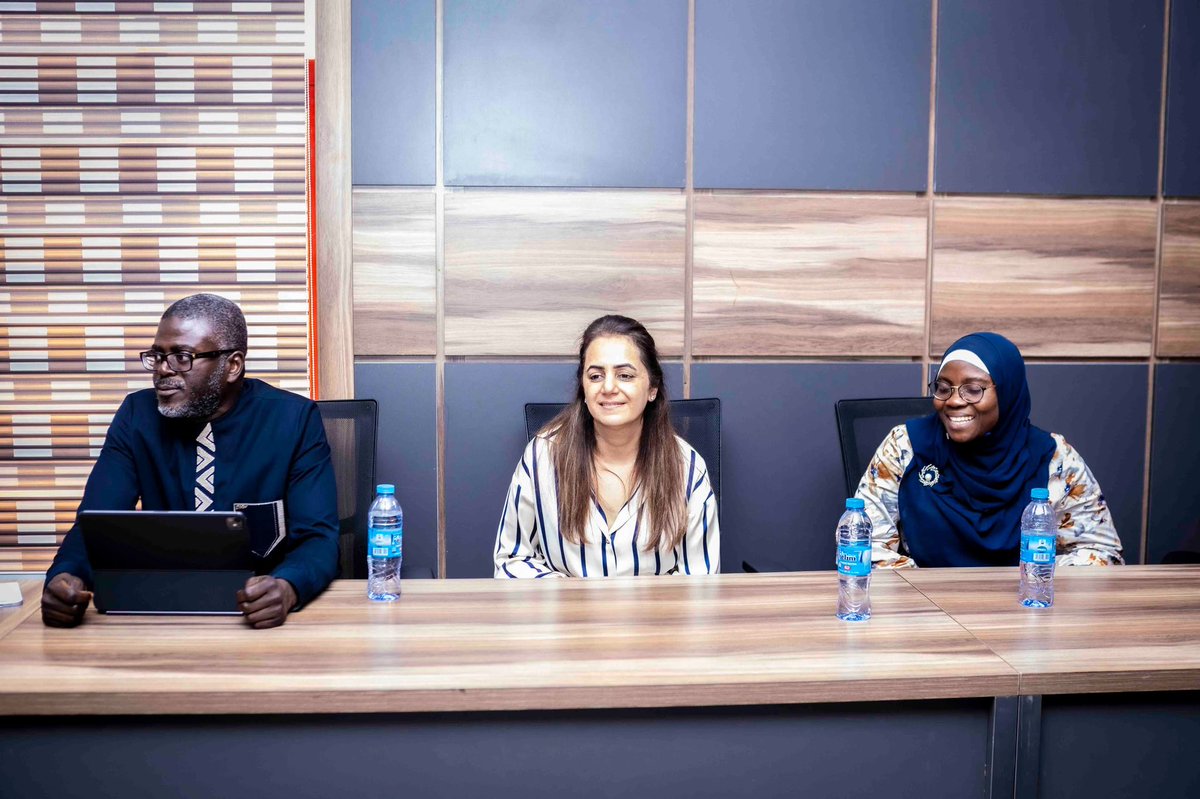
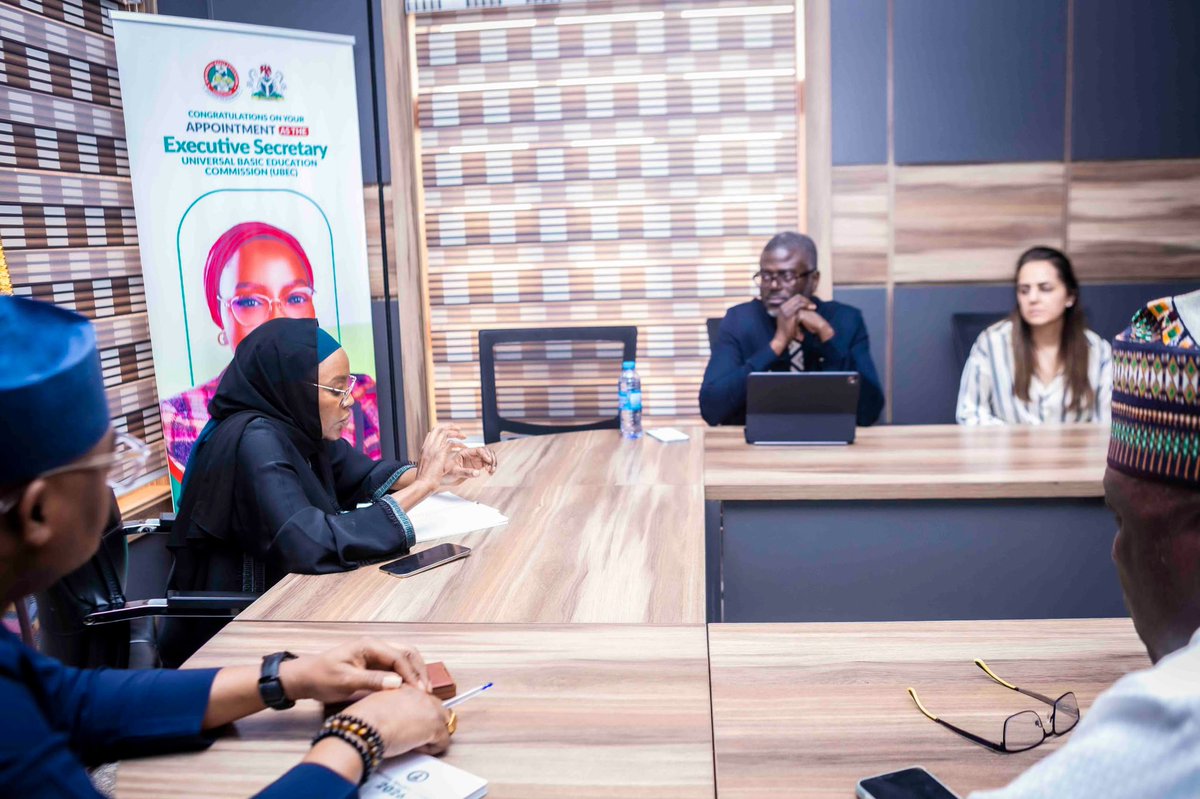
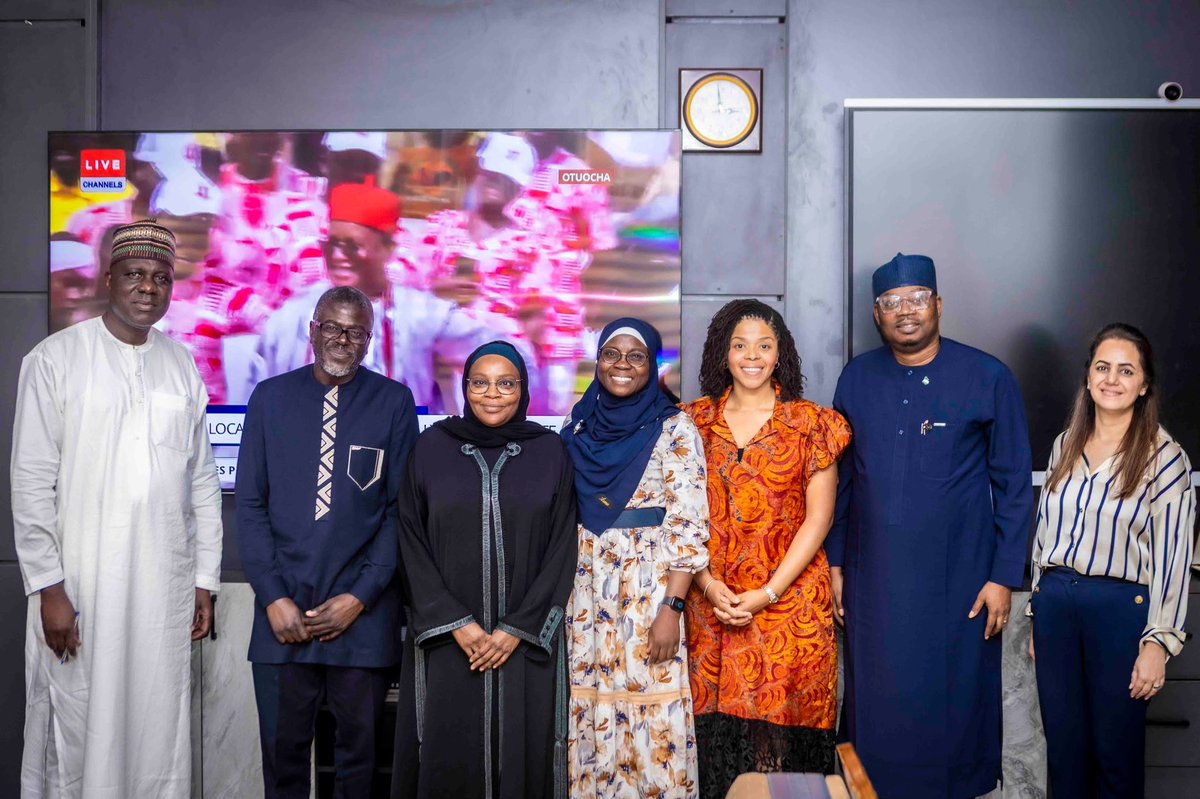
Yesterday, I received a delegation from the World Bank, led by Waly Wane, Practice Manager, for high-level discussions on the progress of the HOPE-EDU/GOV programme, the sustainability and strengthening of the BESDA-AF project, and the future of education interventions in Nigeria.
The engagement provided an opportunity to review progress made through ongoing programmes, reflect on emerging priorities, and explore practical ways to sustain and build on the gains achieved through our collaboration.
Our discussions centred on strengthening the delivery of quality, inclusive and equitable basic education, while ensuring that future interventions are responsive to Nigeria’s evolving educational needs and aligned with national priorities.
We also considered the importance of sustainable approaches, stronger education systems, improved learning outcomes and expanded opportunities for Nigerian children. These priorities require consistent collaboration among government institutions, development partners and other stakeholders.
I appreciate the World Bank’s continued partnership and commitment to supporting Nigeria’s education sector. At UBEC, we remain committed to building strategic partnerships that drive innovative, sustainable and impactful interventions for the development of a stronger and more resilient basic education system.
Together, we can continue to strengthen the foundations of basic education and create better opportunities for every Nigerian child.
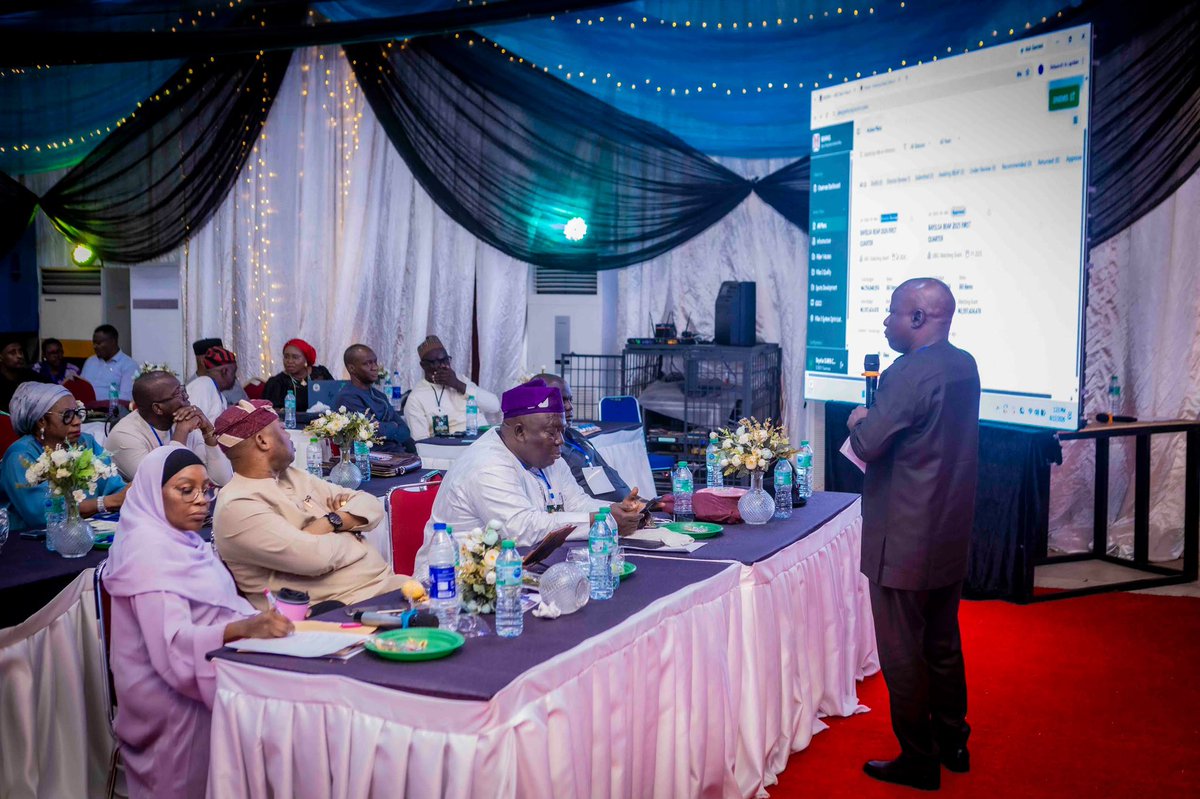
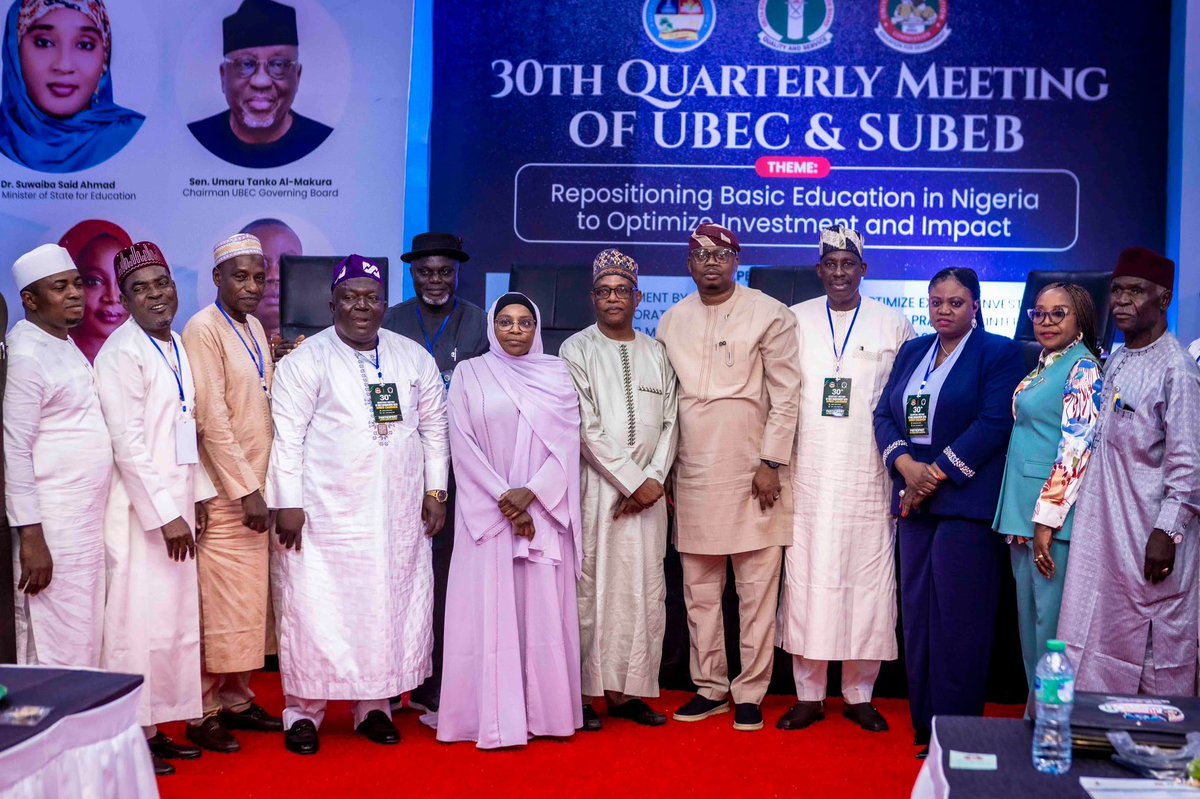
The second day of the 30th Quarterly Meeting of UBEC Management and Executive Chairmen of State Universal Basic Education Boards (SUBEBs) in Asaba, Delta State, continued to provide a valuable platform for reflection, collaboration and strategic engagement on the future of basic education across Nigeria.
Discussions focused on strengthening the delivery of basic education, sharing experiences across states, reviewing ongoing interventions and identifying practical approaches to improving access, quality and learning outcomes.
The meeting also reinforced the importance of strong collaboration between UBEC, SUBEBs and other stakeholders, particularly in ensuring that investments, policies and programmes translate into meaningful impact within our schools and communities.
I appreciate the commitment and contributions of the Executive Chairmen and all stakeholders participating in this important engagement. The work of transforming basic education requires shared responsibility, purposeful collaboration and sustained commitment.
Strong institutions and effective collaboration are essential to delivering meaningful progress in basic education.
As part of our engagements in Asaba, I visited the Delta State Universal Basic Education Board (SUBEB) and the UBEC State Office to engage with the teams and gain firsthand insight into ongoing activities, priorities, and the implementation of basic education programmes across the state.
The engagements provided an opportunity to review progress, discuss emerging priorities, and reinforce the importance of effective coordination between the Commission, the State Universal Basic Education Board, and our field teams.
The impact of our interventions is ultimately measured by what happens in our schools and communities. Strengthening coordination, monitoring implementation, and ensuring that programmes respond to the realities on ground therefore remain critical to achieving better outcomes for learners.
I appreciate the dedication of the teams working across the state and look forward to continued collaboration as we strengthen the delivery of quality basic education in Delta State.
Effective governance is strengthened through collaboration, transparency, and purposeful communication.
I was pleased to receive Rahma Abdulmajid, Personal Assistant to the President on Radio, alongside members of the UBEC Public Relations Department, during a strategic engagement focused on showcasing the Federal Government’s achievements in the basic education sub-sector.
Our discussions centered on the remarkable strides being recorded in expanding access to quality basic education, strengthening educational infrastructure, advancing digital learning, improving teacher development, and implementing reforms that are transforming learning outcomes across the country.
We also explored the importance of effectively communicating these achievements to Nigerians, ensuring that citizens remain informed about the progress being made under the leadership of President Bola Ahmed Tinubu, GCFR, in repositioning the education sector for sustainable national development.
Meaningful progress deserves meaningful visibility. By telling the stories of impact, innovation, and transformation, we not only strengthen public trust but also reinforce our collective commitment to delivering quality basic education for every Nigerian child.
Together, we will continue to champion initiatives that build a stronger, more inclusive, and future-ready education system for generations to come.
Meaningful partnerships are essential to transforming education and expanding opportunities for every learner.
I had the pleasure of receiving representatives of the WPG Consortium (West African Book Publishers Ltd.) to explore areas of collaboration aimed at strengthening basic education delivery in Nigeria.
Our discussions focused on improving access to quality instructional materials, supporting curriculum implementation, leveraging digital learning solutions, and exploring innovative approaches to ensure that learning remains accessible to every child, regardless of location or circumstance.
We also exchanged ideas on how technology can enhance learning experiences, equip learners with relevant digital skills, and contribute to addressing the challenge of out-of-school children through flexible and inclusive education solutions.
At UBEC, we remain committed to fostering strategic partnerships that drive innovation, strengthen learning outcomes, and support our shared vision of providing inclusive, equitable, and quality basic education for every Nigerian child.
Together, through collaboration and innovation, we can build a stronger future for education in Nigeria.
Quality education begins with quality teachers.
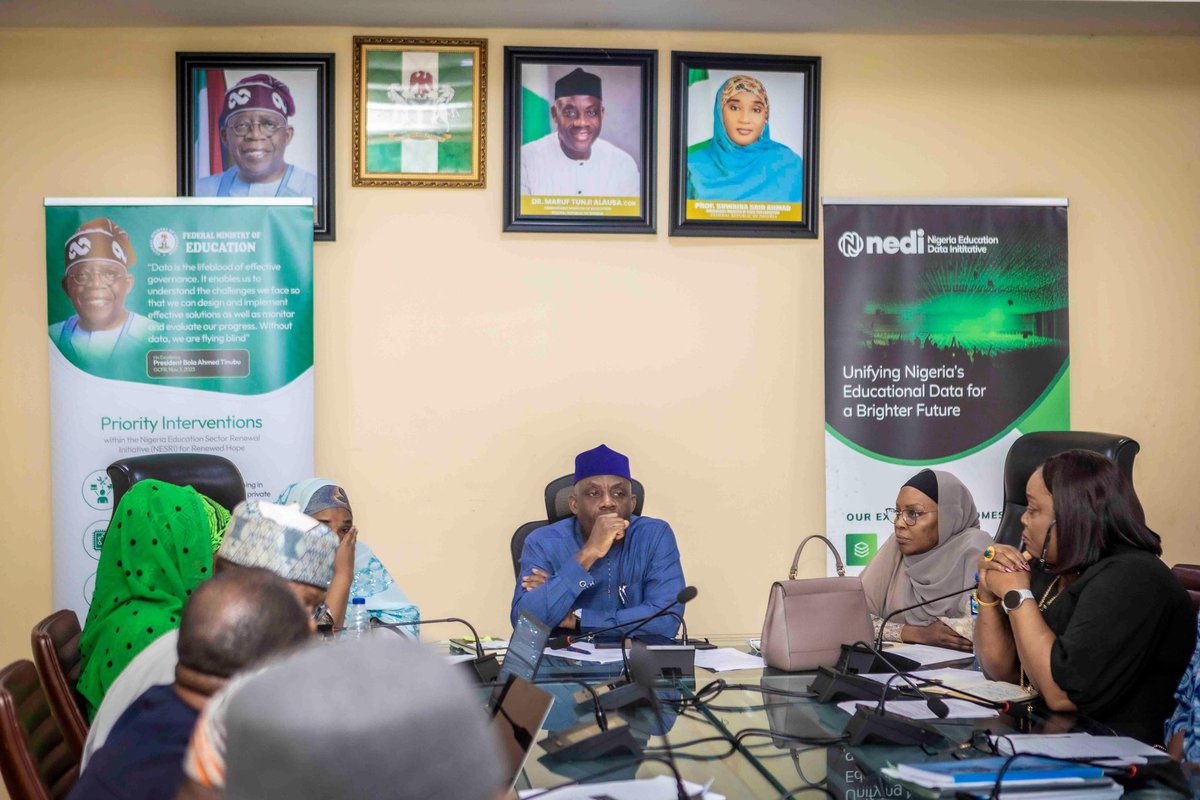
I joined the Honourable Minister of Education, Dr. Maruf Tunji Alausa, CON, the Honourable Minister of State for Education, Professor Suwaiba Sa’id Ahmad, and other key stakeholders at the Accelerated Teacher Professionalisation Pathway (ATPP) Technical Working Group (TWG) meeting to advance discussions on strengthening the teaching profession and improving the quality of basic education in Nigeria.
Investing in teachers is one of the most effective ways to improve learning outcomes and build a resilient education system. By strengthening teacher professional development, enhancing competencies, and fostering collaboration among key stakeholders, we are laying the foundation for a future where every learner has access to quality education delivered by well-prepared and motivated educators.
The journey towards educational transformation depends on a well-supported and highly skilled teaching workforce. By investing in teacher professionalisation today, we are strengthening the foundation for better learning outcomes and a brighter future for every Nigerian child.
Together, we will continue to build a stronger education system, one that empowers teachers, inspires learners, and secures a brighter future for every Nigerian child.
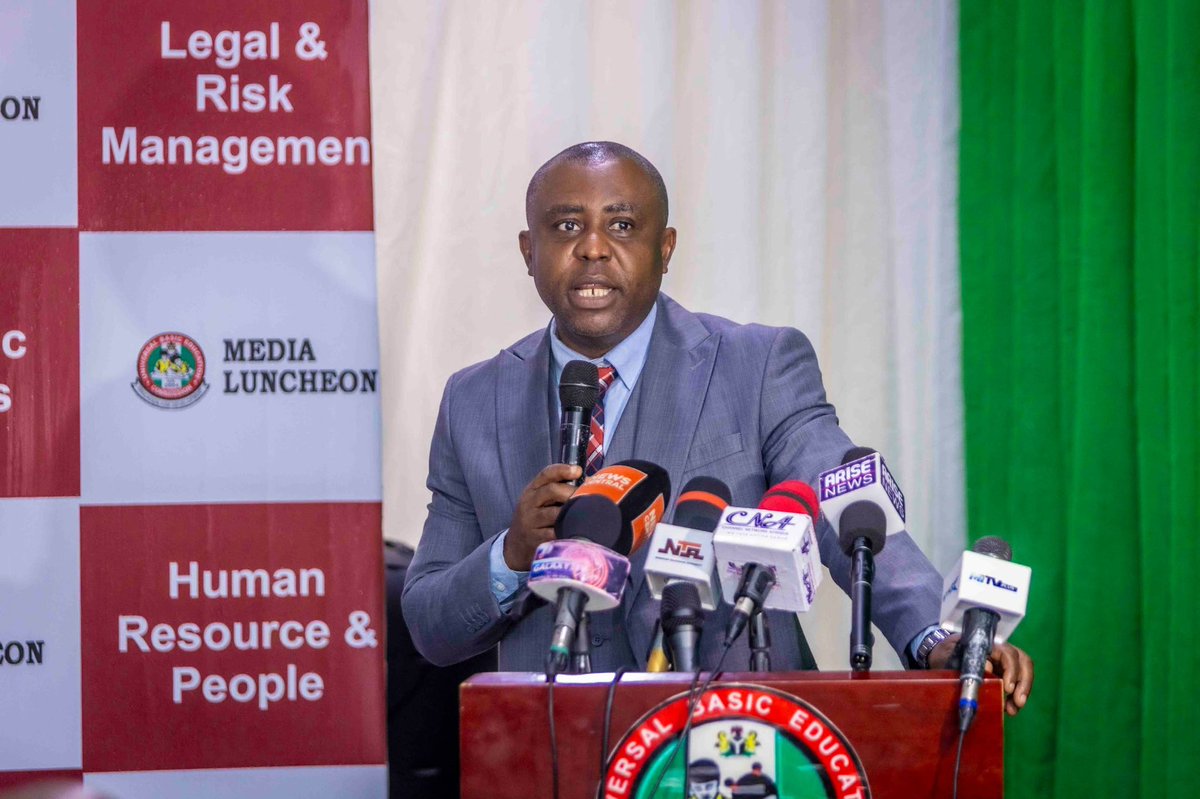
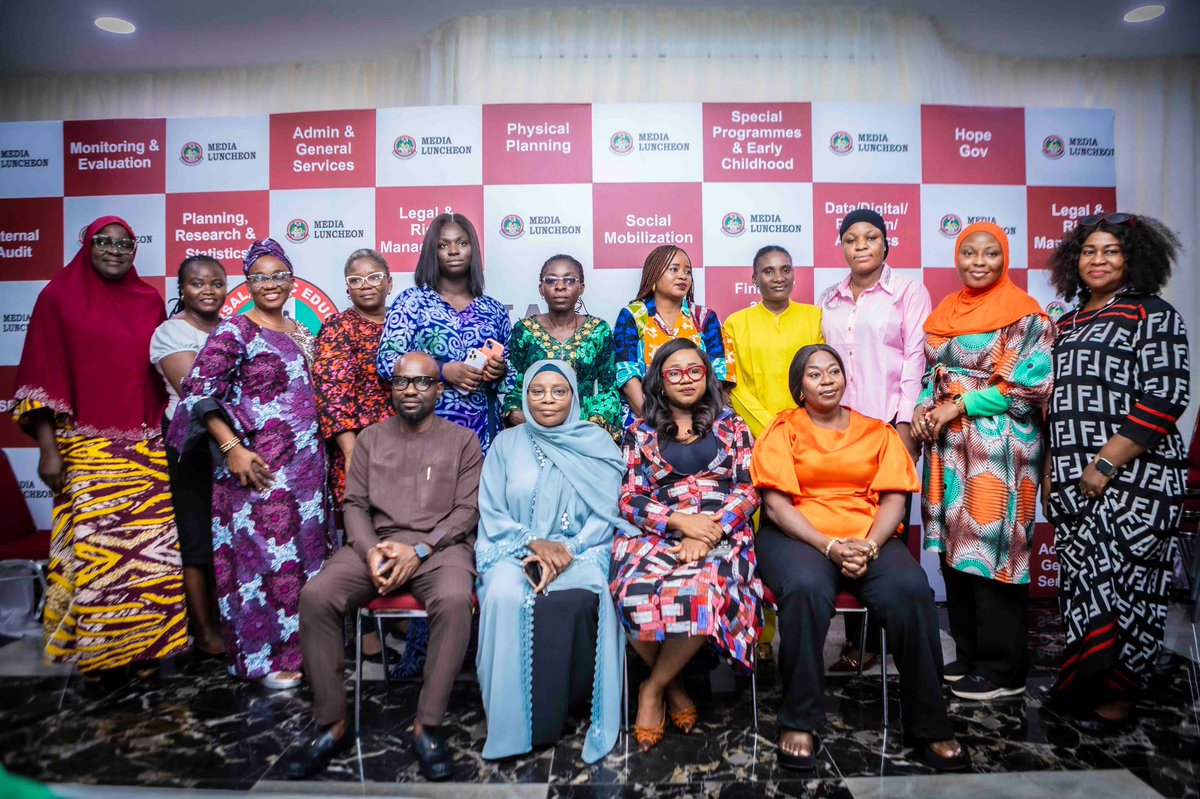
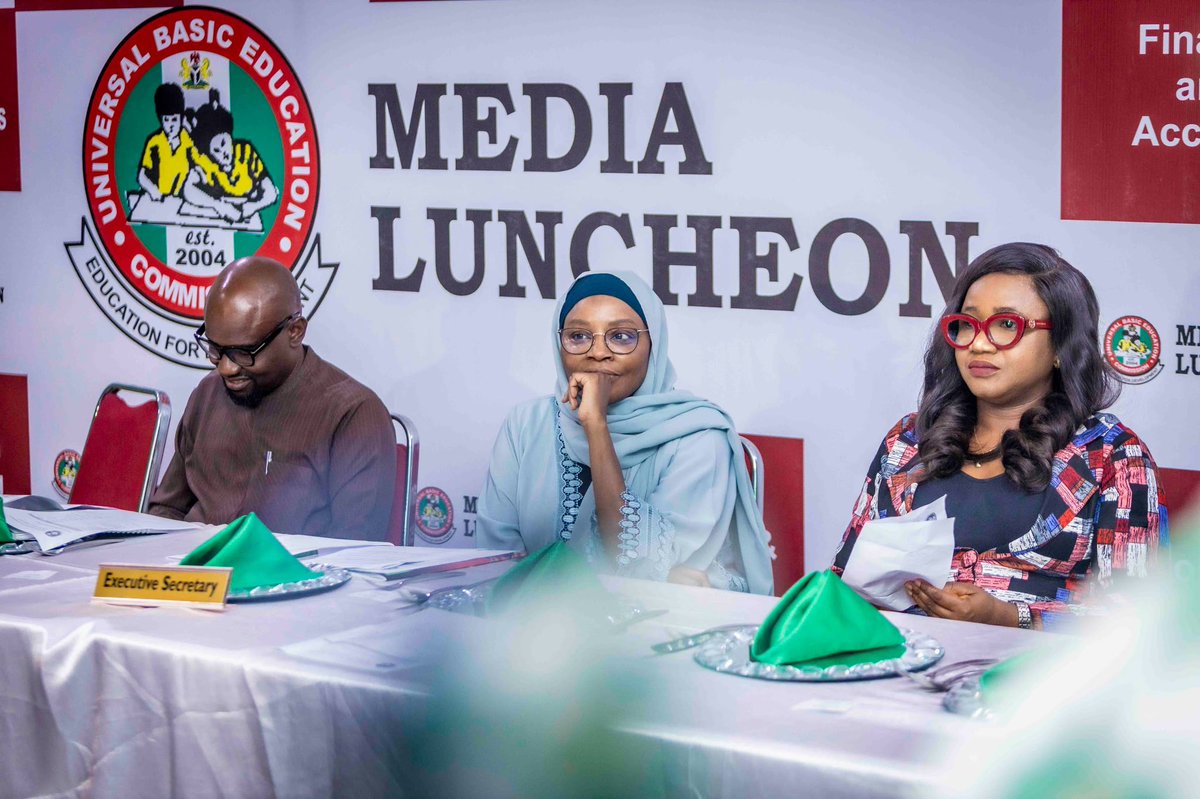
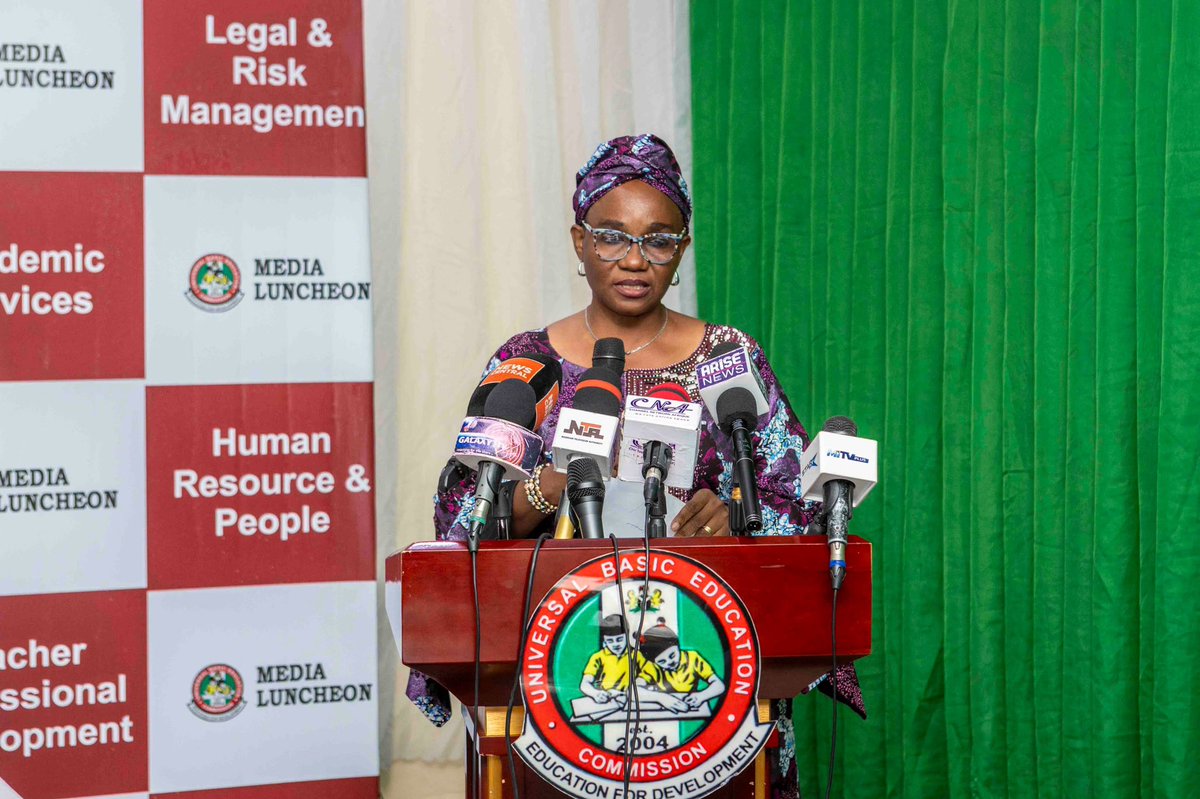
Yesterday, I had the pleasure of hosting Education Correspondents at a Media Luncheon to strengthen our partnership in advancing quality basic education across Nigeria.
The media remains a vital partner in shaping public understanding, promoting transparency, and amplifying the impact of the reforms taking place in our education sector. The engagement provided an opportunity to share UBEC’s progress under our 2025–2031 Strategic Blueprint, including the mobilisation of over ₦100 billion in matching grants, investments in school infrastructure, teacher professional development, digital learning, and initiatives that are expanding access to quality education for every Nigerian child.
As we continue to build a more inclusive, accountable, and future-ready basic education system in line with the Renewed Hope Agenda of President Bola Ahmed Tinubu, GCFR, we value the role of the media in telling balanced, factual, and impactful stories that inspire confidence and collective action.
I sincerely appreciate all members of the education press for honouring our invitation and for their unwavering commitment to promoting education in Nigeria.
Together, we will continue to build a stronger foundation for the future of our children.
Advancing quality basic education requires collaboration, innovation, and a shared commitment to the future of our children.
I had the honour of participating in the courtesy visit of the ProFuturo Foundation delegation (@ProFuturo_), led by Bishop Matthew Hassan Kukah, to His Excellency, the Vice President of the Federal Republic of Nigeria (@KashimSM). The engagement provided an opportunity to explore collaborative approaches to strengthening digital learning, teacher development, and inclusive education for Nigerian learners.
In line with the Renewed Hope Agenda of President Bola Ahmed Tinubu, GCFR (@officialABAT), we remain committed to leveraging strategic partnerships that expand access to quality basic education, strengthen teacher capacity, and improve learning outcomes across the country.
At UBEC, we believe that innovation and collaboration are essential to building an inclusive and future-ready education system for every Nigerian child.
Today, we celebrate the dedication, resilience, and unwavering commitment of Nigerian workers who continue to drive progress across all sectors.
At UBEC, we recognize and deeply appreciate the tireless efforts of our educators, administrators, and stakeholders who are shaping the future of basic education, one school at a time.
In line with the Renewed Hope Agenda, we remain committed to strengthening the foundation of learning and empowering those who make quality education possible.
Your work matters. Your impact is lasting. Your contribution is nation-building.
Happy Workers’ Day!
I received a debriefing on the World Bank Implementation Support Mission in Oyo State, led by the World Bank Task Team Lead, Mr. Shinsaku Nomura, and the National Project Coordinator of BESDA-AF, Mr. Aleshin Mayowa.
The engagement reviewed the progress made under the BESDA-AF project and outlined practical strategies to address the remaining gaps as the project approaches completion.
I appreciate the continued support of the World Bank and commend the NPC and the entire team for their commitment to repositioning the project and ensuring it delivers on its mandate for the Nigerian child.
GROUP PICTURE :
Pariticipants of the Continental Workshop To Promote The Socio-Economic Rights of Women including in the context of Extractive Industries
📍Accra, Ghana
#HerEconomicRights#EquityInExtraction
Ms. Matilda Lasseko-Phoko from the @CHR_HumanRights joins Session 2 to share insights on the Regional Normative and Policy Frameworks on the Social and Economic Rights of Women.
Follow the proceedings here: https://t.co/0950fSSghC
#HerEconomicRights#EquityInExtraction
During the interactive session today at the 27th Quarterly Meeting, I had the opportunity to engage directly with participants and respond to their concerns. These conversations remain a vital part of strengthening our collective effort towards improving basic education delivery across Nigeria.
I also emphasized the need for states to leverage dedicated budget lines to establish comprehensive digital platforms for collecting, processing, and analyzing education data, a critical step towards strengthening planning and decision-making in the sector.
Grateful for the opportunity to contribute to this ongoing journey of transforming basic education for every Nigerian child.
Every frame tells a story.
For @rhnkorg, it was a story of voice, advocacy, and the right to health.
We didn’t just film; we captured the urgency, the passion, and the need for change.
Watch the story. Feel the message.
#StorytellingForChange#DevelopmentMedia#NGOPartners
At #RHNKConference2025, youth voices led the conversation.
In powerful interviews facilitated by @AfricaCDC, young people reflected on what Africa’s health future means to them and how youth leadership should shape it.
They spoke of access, equity and the urgent need for youth-led and youth-funded health solutions. Their message was clear; the future of health in Africa must be co-created with young people at the center.
Watch the video to hear their voices.
#RHNKConference2025
#RHNKPanAfricanConference
I had a productive conversation today with Gimba Kakanda (Senior Special Assistant to the President on Research and Analytics) and Nasir Yammama (Senior Special Assistant on Innovation) on leveraging data and technology to address one of our most urgent educational challenges: the issue of out-of-school children.
We explored innovative, data-driven strategies to rethink access and inclusion in education.
I genuinely appreciate collaborations like this, as they are key to unlocking sustainable solutions and ensuring that no child is left behind.
Today, I had the privilege of meeting with the Digital Learning Network team and Samsung Electronics Company Ltd. as we explore a groundbreaking partnership.
Our shared goal is to launch a transformative Digital Education Initiative that will provide over 50 million students and 1.7 million teachers with access to devices, connectivity, AI-powered learning tools, and comprehensive training all at zero cost to parents or the government.
This is more than innovation; it’s equity, inclusion, and a bold step towards the future of education in Nigeria.