We’ll never forget the lives we lost on September 11, 2001. Let’s continue to honor their memories, and the courage of our first responders who put themselves in harm’s way.
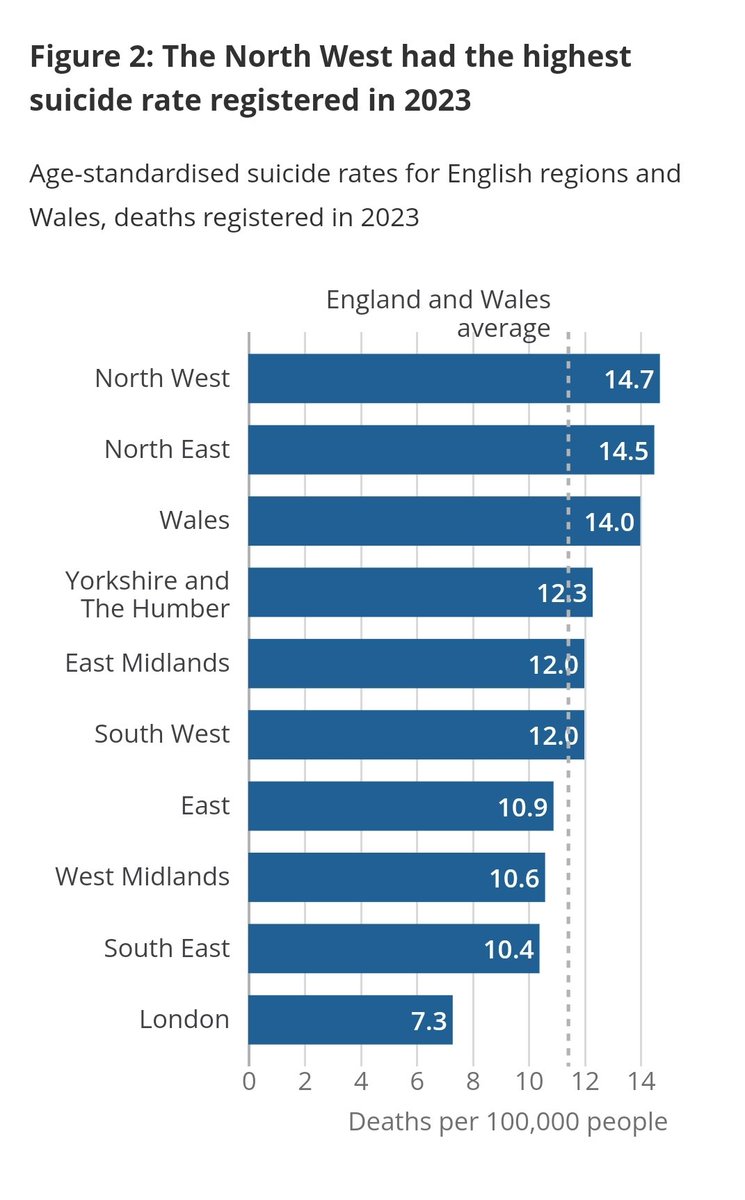
The rate of suicides in England & Wales has reached its highest level for 25 years according to new @ONS data.
I was struck by this north south divide in the data. Each suicide is a real person and the collapse of mental health care should concern us all: https://t.co/MDq6GNMZ8F
6. "Most amazing or great things are done by people doing them for the first time"
Resumes are for factory workers of the industrial age
Kevin: hire a person for their natural ability and train them for the skills they need.
If your mindset is right, the rest is teachable.
Robert Greene's ideas will make you immune to depression.
But his books average 500+ pages and take 100s of hours to read.
I curated his best ideas, so you don’t have to.
Here's his 5-step protocol for a lifetime of happiness:
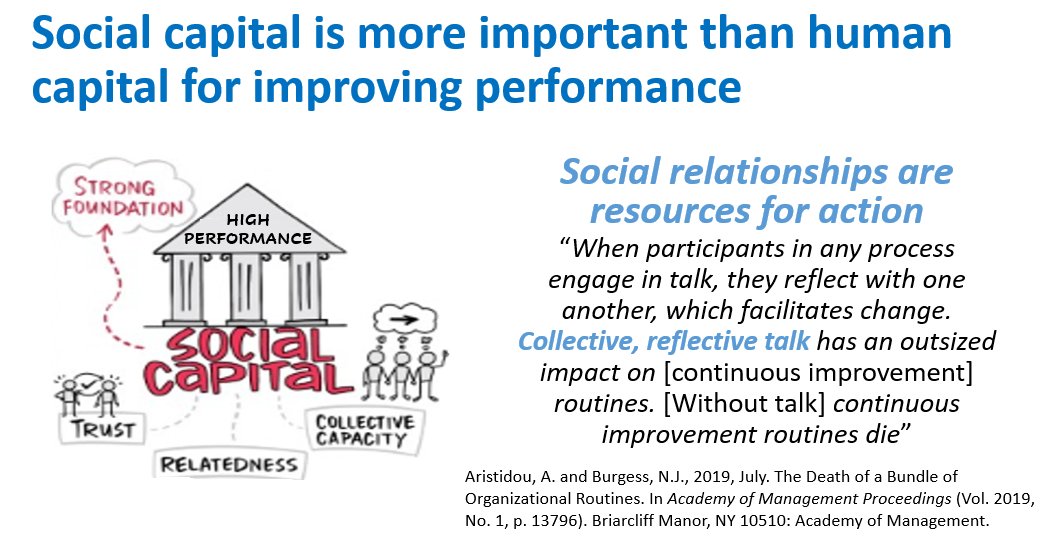
High levels of ‘social capital’ (the value gained when people work well together) create the conditions for high performance in health & care. The evaluation of 5 NHS organisations that undertook whole system transformation showed that social capital is more important than human capital (the skills, knowledge & experience people possess) when it comes to improving performance. Now, research newly published in @HarvardBiz concludes that social capital is at least, or more important, than human capital OR financial capital for high performance in healthcare organisations.
If we want to improve performance & productivity, we need to get serious about:
- understanding social capital (relational co-ordination & social network analysis)
- providing the time, space, focus & leadership support for relationships & connections
- building it into our improvement routines & nurturing & measuring its growth as a key component of our performance strategy.
https://t.co/30h5nDpMYc. Article via @ThomasHLeeMD. Material for graphic from @DrNicolaBurgess
For many NHS staff, the recent racist violence in this country will leave them feeling afraid and unwelcome. To those colleagues, our message is simple: you are welcome and you are valuable members of our community. Reach out for support if you need it.
https://t.co/S2mWJOex6F
I am immensely proud that the NHS I work in is one of the most multi-ethnic and diverse organisations in the world.
NHS colleagues and emergency workers from many countries and faiths work around the clock to serve every UK community. You have my utmost appreciation and respect.
If you work in the #NHS
And are White?
You will have many many colleagues worried, scared about everything that’s going on
This maybe about the time to stand by them & reassure
Can I also ask @AmandaPritchard @NHSEnglandNMD to please consider a statement
Thank you
In my experience, people don't resist change because they have "resistant personalities" or because of "human nature". They mostly resist because of the way we go about introducing or implementing the change or imposing it on them. @Digitaltonto suggests five major categories of change resistance, most of which can be less of an issue if we think about them beforehand:
1) Lack Of Trust: by focussing on what's new & different, there's a danger that leaders communicate changing values. Need to focus on shared values & creating a sense of safety around the change conversation.
2) Change Fatigue: the change needs to be seen in the context of all the other initiatives that are happening.
3) Competing Incentives and Commitments: we shouldn't have to "incentivise" people to take part in change. If the change has real value, we should be able to find people who are enthusiastic about it & want to make it work.
4) Switching Costs: what we experience in the here & now always seems more tangible/concrete than the more distant benefits of change, which many will suspect will never come.
5) Identity, Dignity & Sense of Self: people's sense of identity can act as one of the strongest barriers against change. We resist things that challenge our perceptions of ourselves, including loss of status. Helping people navigate the fear of losing their identity & see new possibilities emerge is crucial for successful change outcomes.
https://t.co/9MdXSJwqkR. Graphic adapted from @FLIMPStudios.
#Oliverscampaign
One day, we will look back in history and hang our heads in shame at what we have done to autistic people, and learning disabled people. But until then, we fight on for acceptance, equality and inclusion
https://t.co/qQvhtyBIxU
It's estimated there are 111,000 vacancies across the NHS, with demand rising quicker for services than the NHS can recruit staff. These roles can sometimes be covered by bank and agency staff, but this comes at a great cost to budgets. Find out more. https://t.co/xhvZWXAa42
We're delighted to share that the soldiers and Military Working Horses injured in London in April, continue to make remarkable progress in their recovery. (1/5)