Monday's free webinar on Secondary Writing explores the role of metacognition and modelling in effective writing instruction.
We'll look at the evidence base & practical examples and classroom scenarios from across the curriculum.
Sign-up b4 2pm Monday: https://t.co/p9SeTFtSVd
Which words should you actually teach?
Start by selecting “keystone vocabulary”: the words most vital to understanding a topic. Then explain, explore and consolidate.
The SEEC model, from Literacy Essentials for Every Teacher.
Subscribe to my website to download for FREE
The Visualiser: The Complete Guide — 5 practical classroom uses, from live modelling to whole-class feedback, the research behind why they work, and a FREE one-page guide.
https://t.co/1w1qlLpZP4
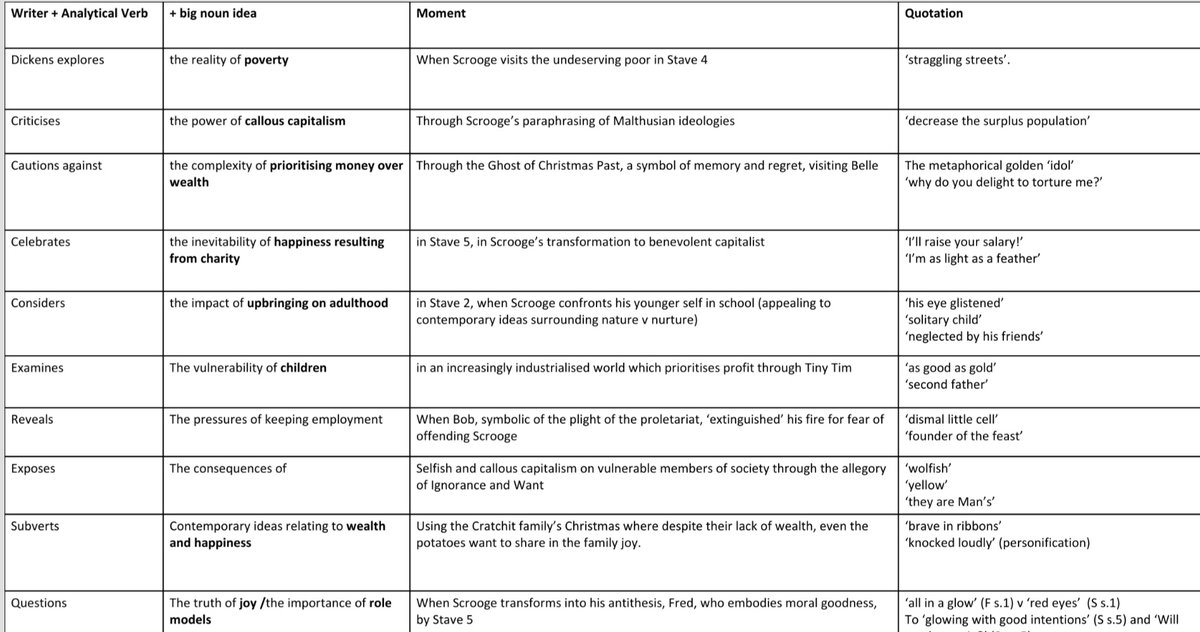
A revision guide covering all five staves of A Christmas Carol, with retrieval practice and practice papers built in to help students revisit key events and strengthen their recall. Access here: https://t.co/88uNQqgR5L #AChristmasCarol#EnglishLiterature
Love using this booklet for an end of unit #revision!
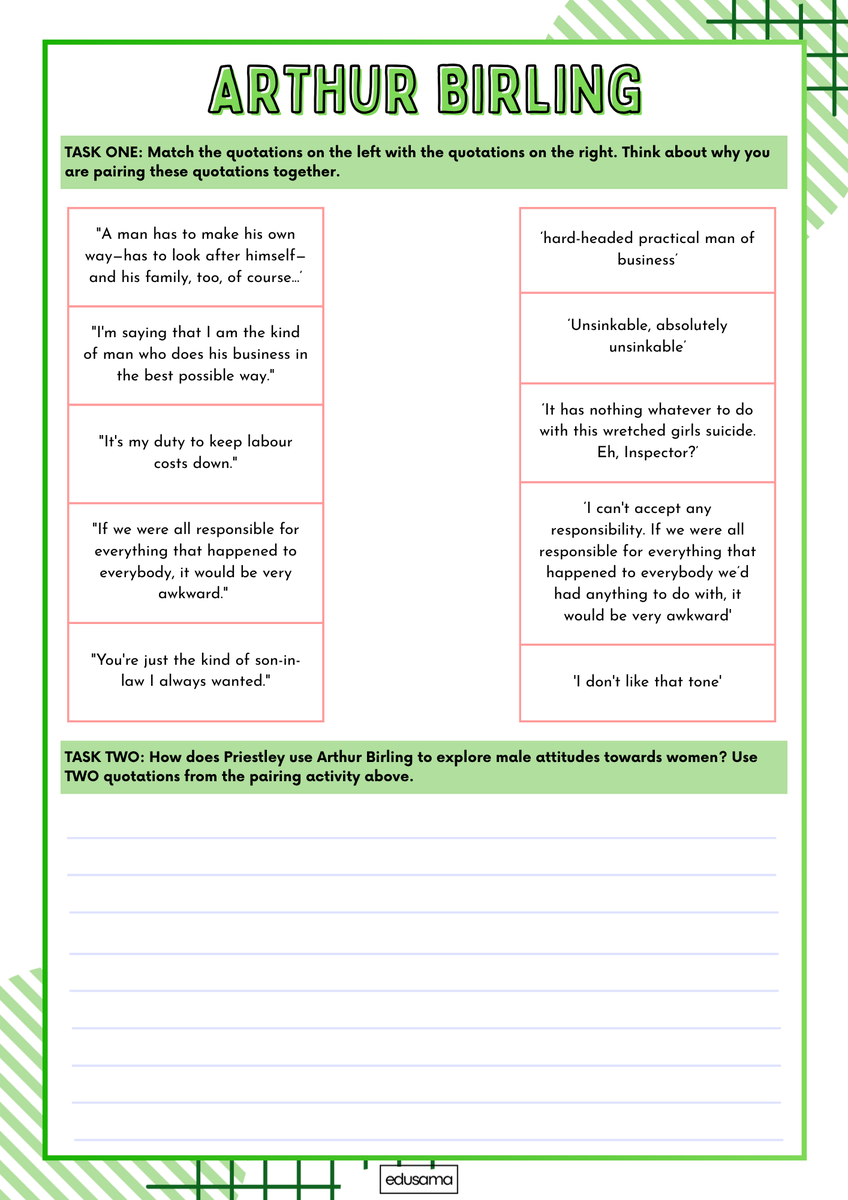
AQA An Inspector Calls Pairing Quotations https://t.co/2iWKzWC44i
💍8 quotations per character
📞Make me better tasks
🕵️AQA AO specific
🍾Multiple #exam Qs
🔍SO MUCH MORE!
#AnInspectorCalls#English#GCSE#KS4#TeamEnglish
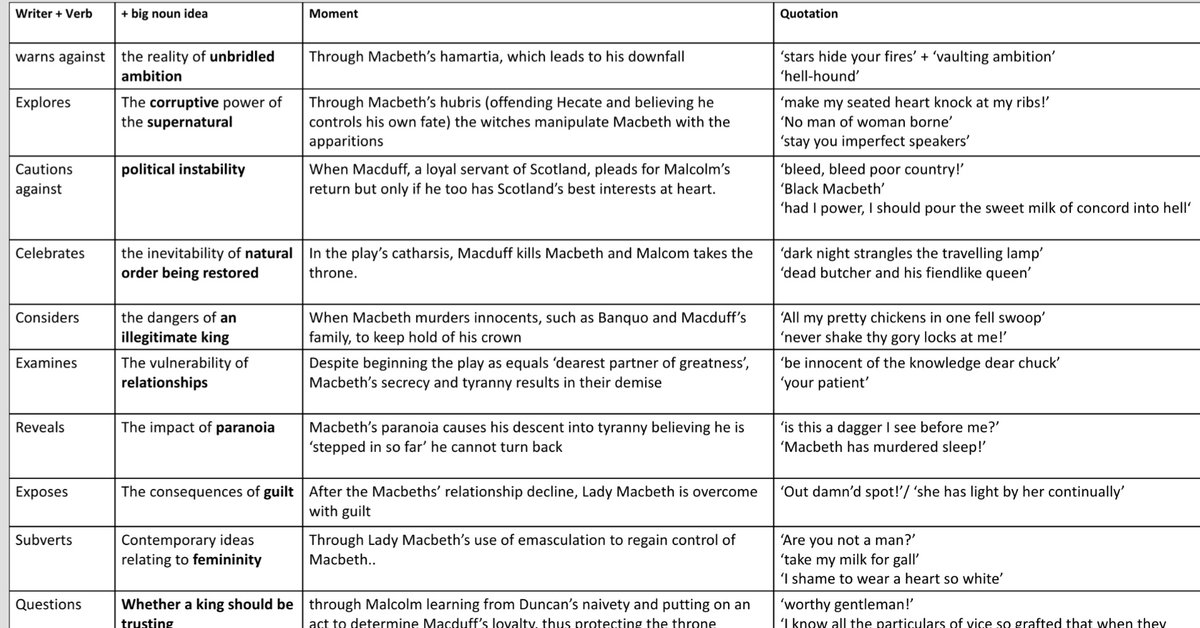
Another set of notes on ‘Macbeth’, this time for guilt. I found this format online somewhere and have been playing around with it with my own ideas, so please do shout if you recognise it so I can credit you!
🧵A slide deck is not a plan, and a plan is not a slide deck. I'm unsure as to exactly when the conflation of the two things became so deeply entrenched but so deeply is this belief held in some settings that it dictates almost all the approaches to T&L.
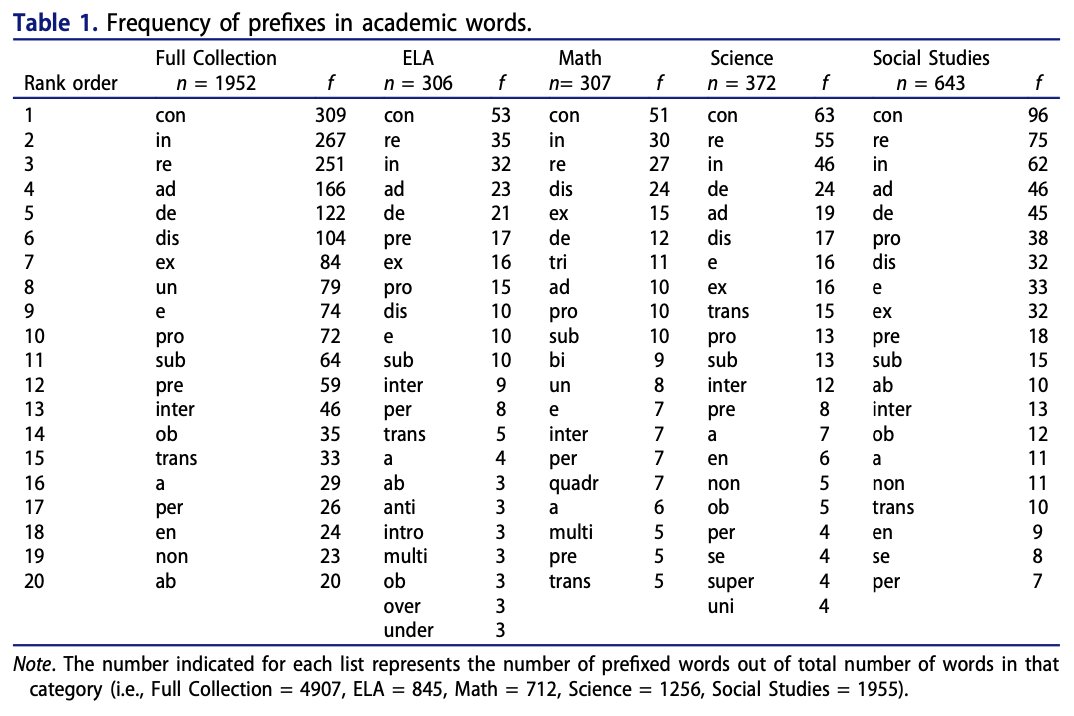
I know Latin & Greek roots is the cool morphology that gets all the attention, but I'd wager that teaching focused (at least initially) on the most common affixes would prove the more valuable for spelling development, such as these by Holly B. Lane, Linda Gutlohn, W. van Dijk.
I keep hearing stories about primary age children in English schools, 'hating writing'. Why? I know why: because primary school writing has become a matter of jumping through hoops which require you to lever in so-called grammatical features in order to reach the 'expected level'
🧵
The @educationgovuk Curriculum and Assessment Review's commitment to a new national oracy framework, sitting alongside reading and writing, is a significant moment for how we think about spoken language in schools.
Next two interactive morpheme maps are up.
#007 mort (death, dead)
#008 scribe / script (write)
And I'm done for the weekend. 🙂
https://t.co/HZuWxeuorq