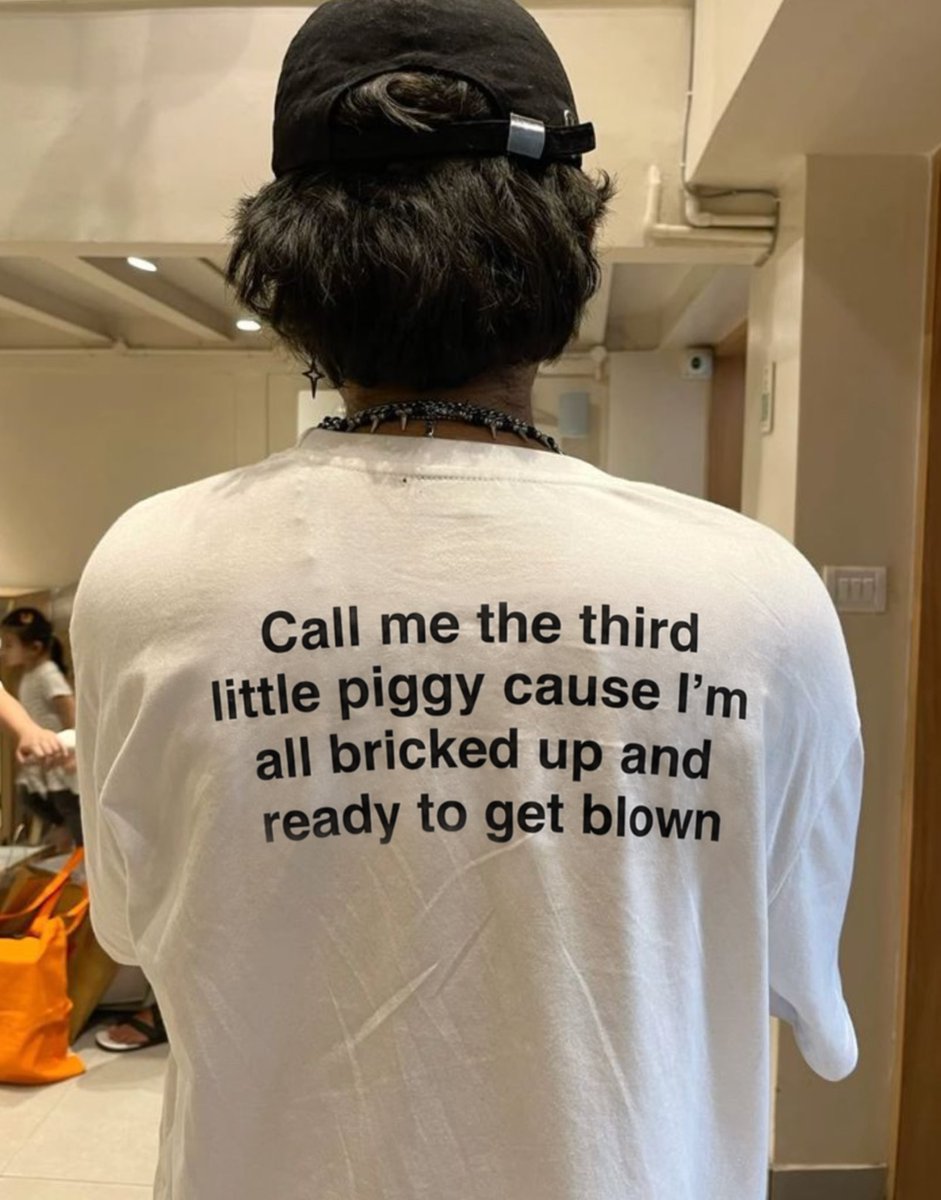
i love that our generation managed to kill the stereotype that if you have tattoos, you won’t be able to find a job.
now nobody can find a job, whether you have tattoos or not.
Sometimes I think of the things I’ve said publicly where I misspeak, over speak, and just plain get it wrong, and really struggle. Those moments replaying in my head like a dripping faucet. James 3:2 reminds me that everyone stumbles repeatedly, and this universal experience isn’t hidden or shameful, it’s acknowledged as part of our humanity. This isn’t an excuse for those times, but reassurance not to dwell on them.
I need to be continually reminded that my identity in light of my inadequacy rests on God’s response to my failures. God compassionates those who fear him, knowing our fragile nature and that we are dust (Ps 103:10–14). Rather than withdrawing, God demonstrates his love by sending Christ to die for us while we were still sinners (Rom 5:8). This means acceptance precedes our improvement. God knows how truly inadequate and incompetent I am, and yet still accepts me. Not because of my successes and failures but in spite of them.
We should strive to get things right, do things well, and show competence. But rather than demanding perfection, Christ understands our struggles and invites us to approach God’s throne confidently to receive mercy and grace in our time of need when we inevitably fall short (Heb 4:15–16).
Recovery from failure receives particular emphasis. The righteous fall repeatedly but rise again (Prov 24:16), and though the righteous fall, they won’t be destroyed because God holds them by the hand (Ps 37:23–24). God’s mercies are new each morning, and his faithfulness is great (Lam 3:22–23); suggesting that each day offers fresh opportunity regardless of yesterday’s failures.
I need the constant encouragement to forget what lies behind and press forward toward the goal (Phil 3:13–14), indicating that dwelling on past mistakes contradicts the gospel’s forward momentum. I have made many mistakes: some more public than others! And guess what, I will continue to do so, but my prayer is that God and those around me give me grace in such instances. Look towards Jesus — the only one who got and gets it right every time.
If you are a Christian your confidence today rests on foundations that cannot be shaken. If God is for you, and He has not spared His own Son but delivered Him up for all of you, then He will graciously give you all things with Him. (Rom 8:28–39) And please don’t hear this as a platitudinal X post: it flows from the reality of your election. God chose you in Christ before the foundation of the world to be holy and blameless, predestining you for adoption as His children according to His pleasure and will.
The Puritan theologians are helpful here, and understood something vital about this assurance: election and covenant work together, offering troubled believers a double source of assurance; you can plead the covenant with God, asking Him to fulfill His promises, while simultaneously finding comfort in the sufficiency of His prevenient grace and the immutability of His will in election. Your election is not fragile or conditional on your performance, as I’ve said before, your salvation is received not achieved. God’s immutable decree of election proceeds from His perfect counsel, the basis for maintaining His people in sanctification and imparting to them an inward principle of holiness.
Yet this absolute promise does not leave you passive. God’s love, made known to you, draws you out of yourself toward Him in orderly, faithful obedience. The conditional promises of the covenant are inseparable from your daily renewal of it through prayer, meditation, and worship. Your obedience becomes the very means by which you experience and confirm what God has already secured.
Anchor yourself in the permanence of God’s word. Heaven and earth will pass away, but His words will not pass away. (Matt 24:35) All Scripture is breathed out by God and profitable for teaching, reproof, correction, and training in righteousness. (2 Tim 3:16–17) In this word, your election is declared, your redemption is promised, and your perseverance is guaranteed — not by your strength, but by His.
if you speak too much, you will lie. if you think too much, you will feel depressed. if you complain too much, you will feel powerless. if you care too much, you will be taken for granted. if you trust too much, you will be betrayed. if you fake too much, you will sacrifice your soul. don't do too much cos that too much can hurt you so much. buena suerte.
Be a paradox - ruthless and kind, disciplined and untamed, humble and proud, dangerous and gentle, skeptical and faithful, proletarian and aristocratic, cold in judgment and warm in affection, patient in strategy and decisive in action, private yet magnetic, ambitious without desperation, powerful without cruelty, civilized without becoming soft, and independent without becoming isolated.
you must believe you are special and then go so hard, for so long, with such violent refusal to accept any other ending, that reality itself starts running out of ways to tell you no. you must wage a war daily against the ordinary outcome, until the belief you invented out of nothing in a room by yourself has been hammered into the world so many times that it stops being a claim and becomes reality.
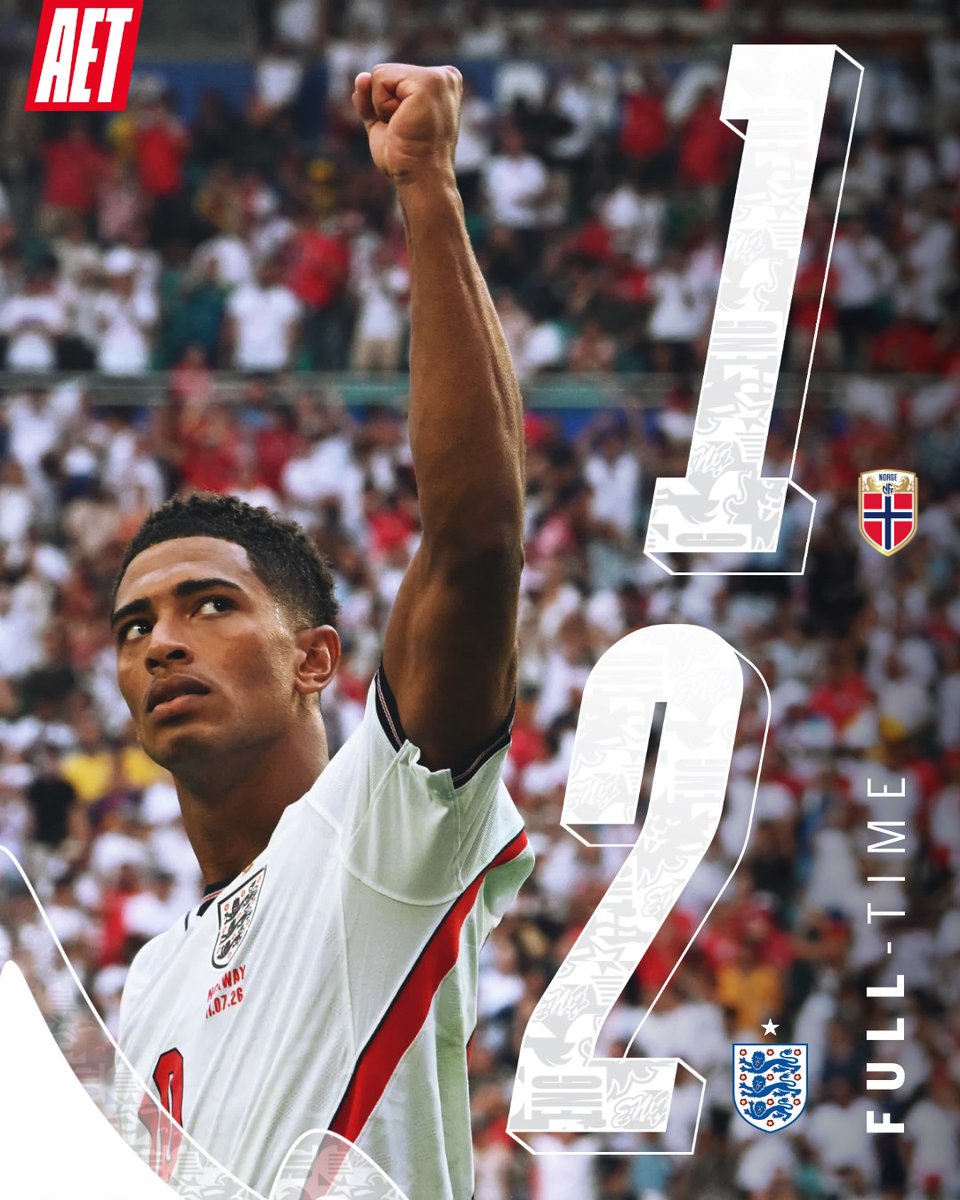
Me da igual si Inglaterra nos eliminó.
Inglaterra nos dio a los mejores escritores de la historia, el rock, el fútbol, los pastes y la industria moderna a los mexicanos.
Argentina nos dio putas, meseros y gente miserable.
El miércoles seré más inglés que Churchill 😎🇲🇽❤️🏴.
The man in this September 1979 photo was already a self-made millionaire, and the money had almost nothing to do with bodybuilding or movies. Arnold Schwarzenegger built his fortune buying apartment buildings in Santa Monica, and his first box-office hit was still three years away.
The trick was simple: use the bank's money. He would buy a building for about $500,000 and put down only $100,000 of his own cash, borrowing the rest. In the 1970s, with high inflation pushing prices up fast, that same building would be worth around $800,000 a year later. After paying off the loan, his $100,000 was worth about $400,000. He had made $300,000 in profit, which he called a 300 percent return. He said the decade was "unbeatable" and did it again and again, trading up to bigger buildings each time.
His starter money came from bricklaying. In 1968 he and fellow bodybuilder Franco Columbu started a masonry business, rebranded themselves as pricey "European bricklayers," and got flooded with work after a 1971 earthquake knocked chimneys off houses across Los Angeles. They rolled those profits into a mail-order company selling fitness gear and training courses. Arnold took that cash, plus his competition winnings, and kept putting it down on property.
September 1979 was also when his movie career looked like a dead end. His one leading role that year was a western comedy called The Villain, and it flopped so badly it is still the only film in his entire career with a zero percent score from critics on Rotten Tomatoes. The acting was going nowhere. The money kept coming in anyway.
That gap was the whole point. Watching other actors in his classes, he saw they were broke, so they took any part offered just to pay rent. He wanted the opposite. "I did not rely on my movie career to make a living," he later told author Tim Ferriss. The buildings let him turn down bad scripts and wait for a good one.
By the time Conan the Barbarian made him a star in 1982, his buildings had been paying him for years. The photo labels him a bodybuilder. By 1979, landlord fit just as well.