G2G Recommendation #5 underscores that effective project management is what determines success. Rigorous planning, consistent data validation, regular reviews & flexibility to adapt when conditions change are essential to delivering results. Read more: https://t.co/rw8APcodoC
At a June 4 briefing hosted by MFAN and the Consensus for Development Reform, experts explored DRM, private investment, debt management and country ownership. As @AmbassadorGreen noted: development should help countries achieve self-reliance - not dependence.
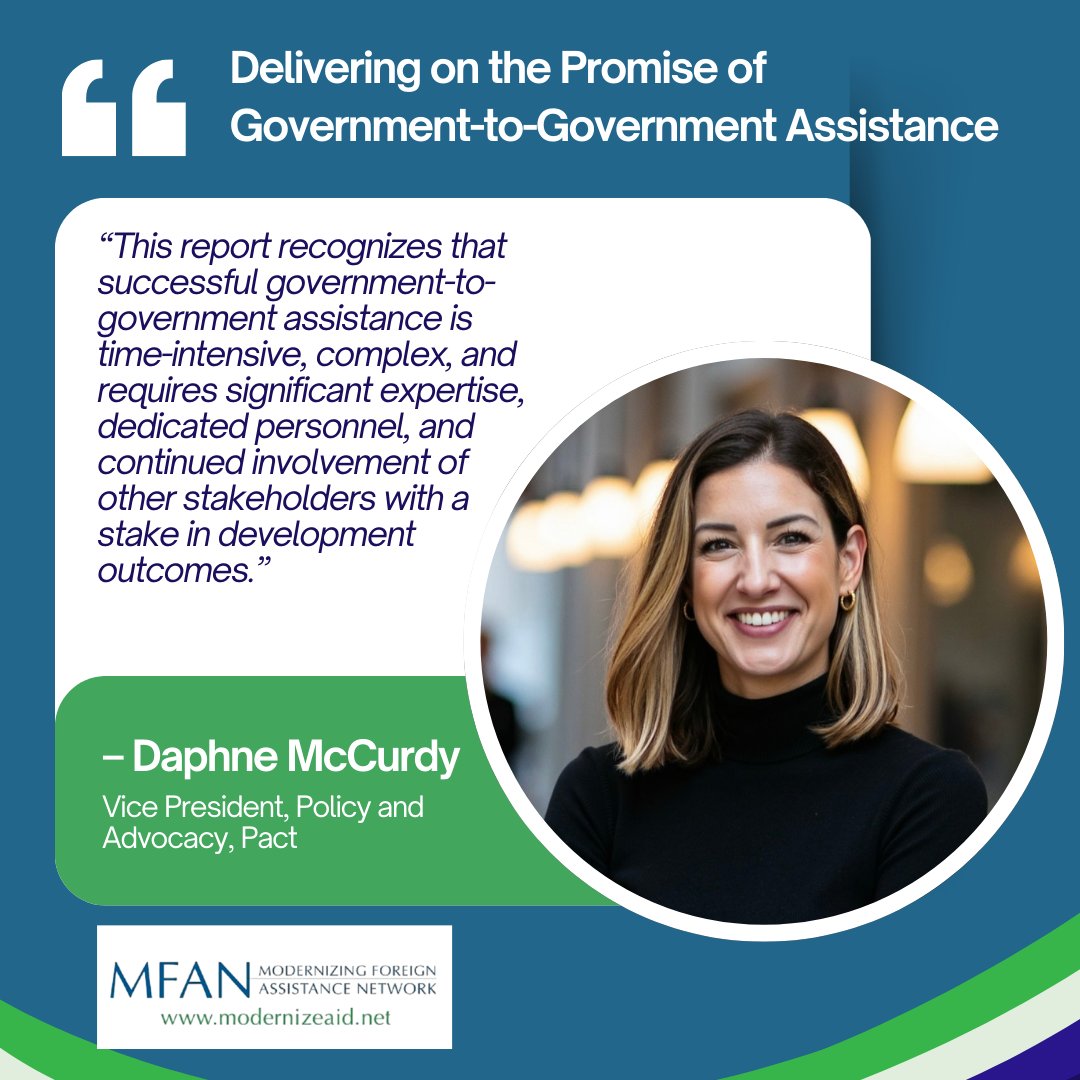
As U.S. #ForeignAssistance consolidates into the #StateDepartment, the question is no longer whether it happens, but whether it’s designed to preserve what makes development effective. Dennis Vega of @PactWorld outlines 4 priorities for getting this right. https://t.co/C7HC4T3NRe
As debates continue on the future of U.S. international assistance, many of today’s key policy, budget, and implementation challenges were flagged early in MFAN’s bipartisan 2025 roadmap.
Nearly a year later, the recommendations remain highly relevant: https://t.co/FENOgYmSTw
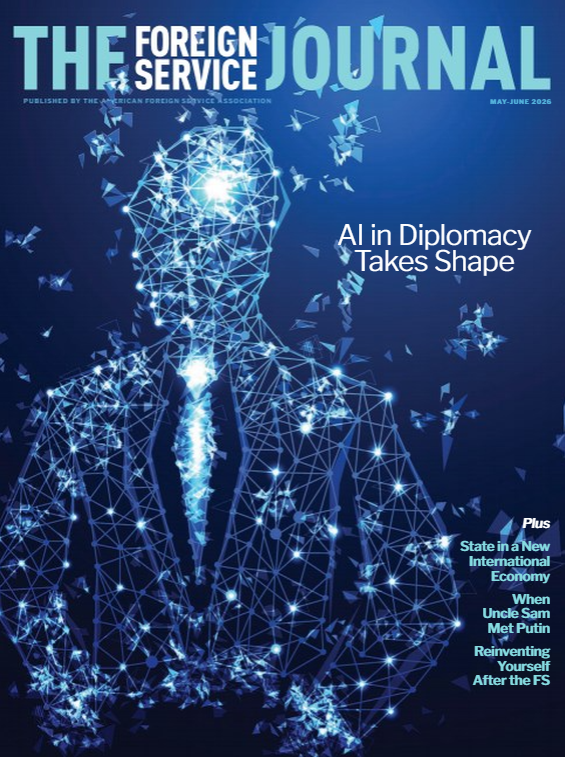
MFAN is honored to be featured as the Site of the Month in the May–June 2026 issue of @afsatweets Foreign Service Journal! We remain committed to advancing bipartisan reforms that make U.S. development & humanitarian assistance more effective. https://t.co/2BPX19bwfY
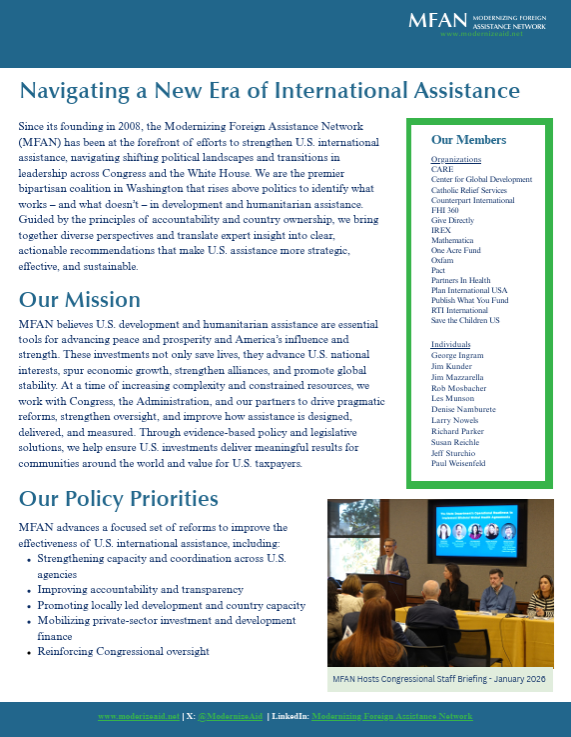
Check out MFAN’s updated 2026 factsheet! At a pivotal moment for U.S. foreign assistance, the factsheet highlights our continued work advancing practical, bipartisan reform grounded in accountability, country ownership, and evidence-based policy. https://t.co/pJ28dJDrhR
Timely @devex op-ed from MFAN members George Ingram & @sallyppaxton: as access to U.S. foreign assistance data declines, risks to decision-making & accountability are rising. A strong case for investing in better data systems ⤵️ https://t.co/G3yNAk3VBR
Opinion: Amid the restructuring of U.S. foreign assistance, the responsibility for timely, usable, public information should rest with the government. https://t.co/m1alzhCunu
Opinion: Amid the restructuring of U.S. foreign assistance, the responsibility for timely, usable, public information should rest with the government. https://t.co/m1alzhCunu
How do we ensure foreign assistance leads to lasting, #LocallyLedoutcomes? In MFAN’s latest blog, @counterpartint shares 4 lessons from decades of experience transitioning programs to local actors – from design to long-term sustainability. Read more: https://t.co/GU43SSNzbn
As the House prepares for the FY27 markup, MFAN’s testimony highlights a growing capacity gap in the State Department's #ForeignAssistance and calls for urgent reforms - including fixing #transparency gaps, and prioritizing evidence in funding decisions. https://t.co/RIxrpFAQRe
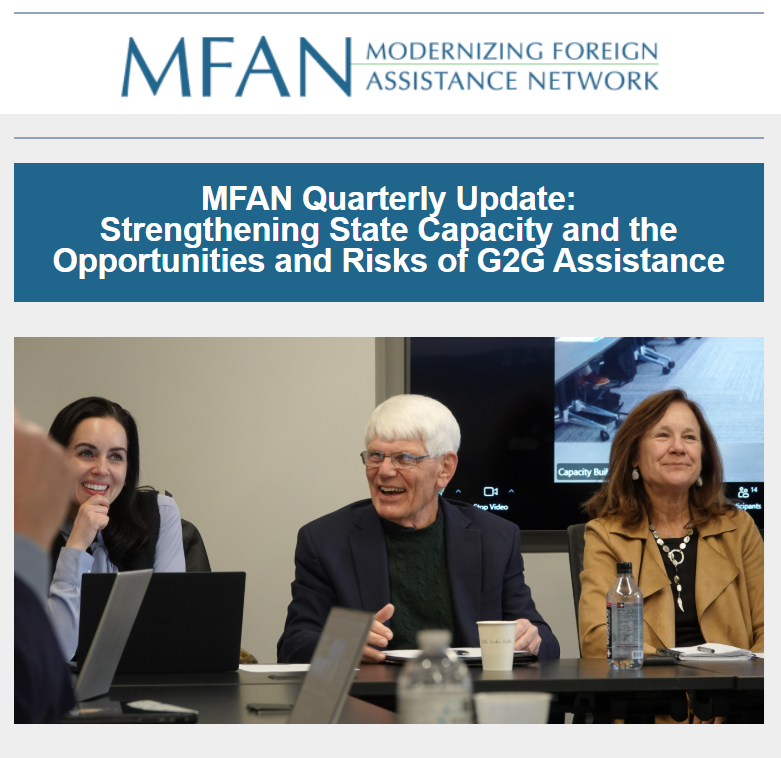
MFAN’s Spring 2026 Quarterly Update is here. As U.S. #ForeignAssistance continues to undergo significant transformation, this edition explores key priorities for delivering effective, accountable, and locally led programs at scale. Read more: https://t.co/u9Hp9N5mvx
In case you missed it: A must-read opinion in today's
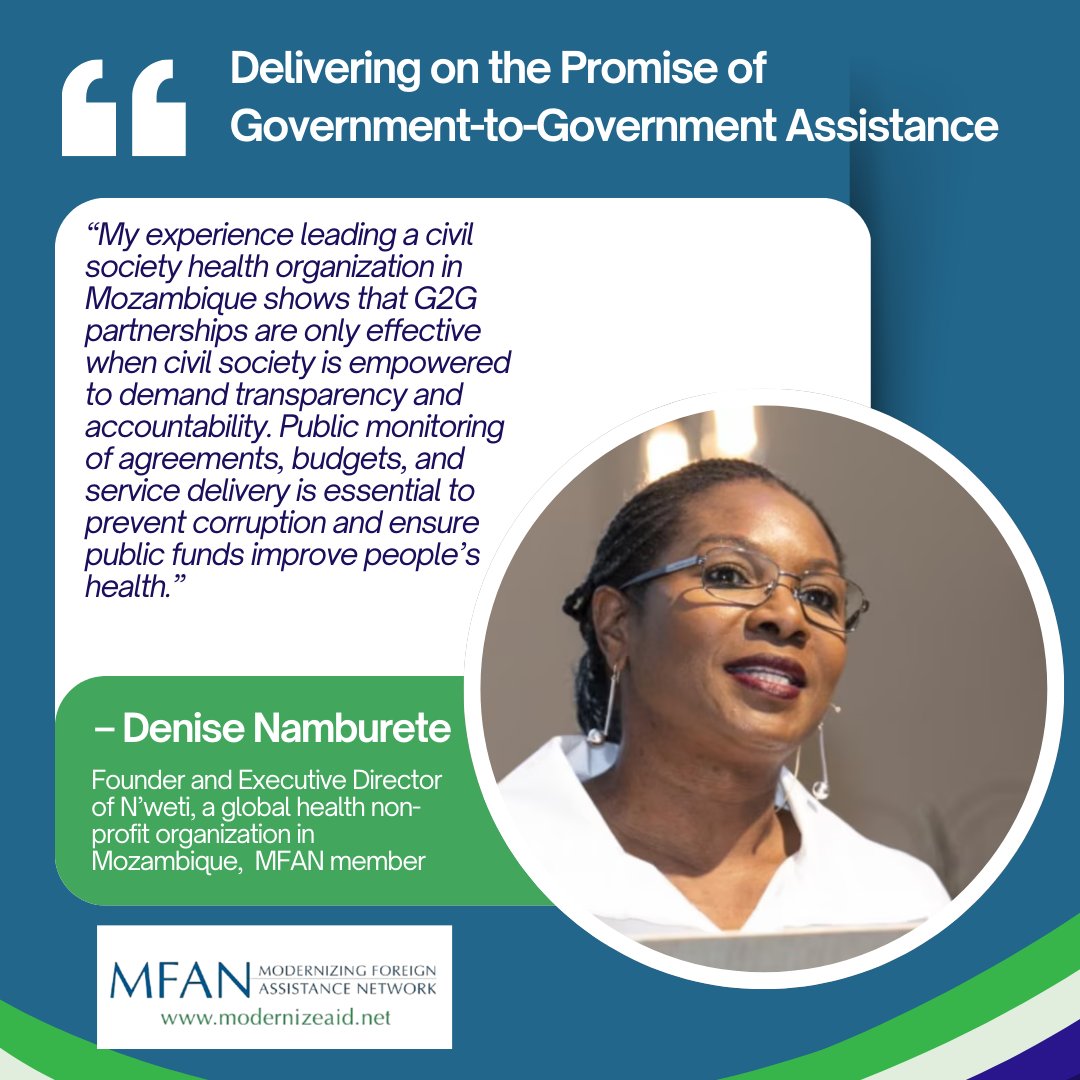
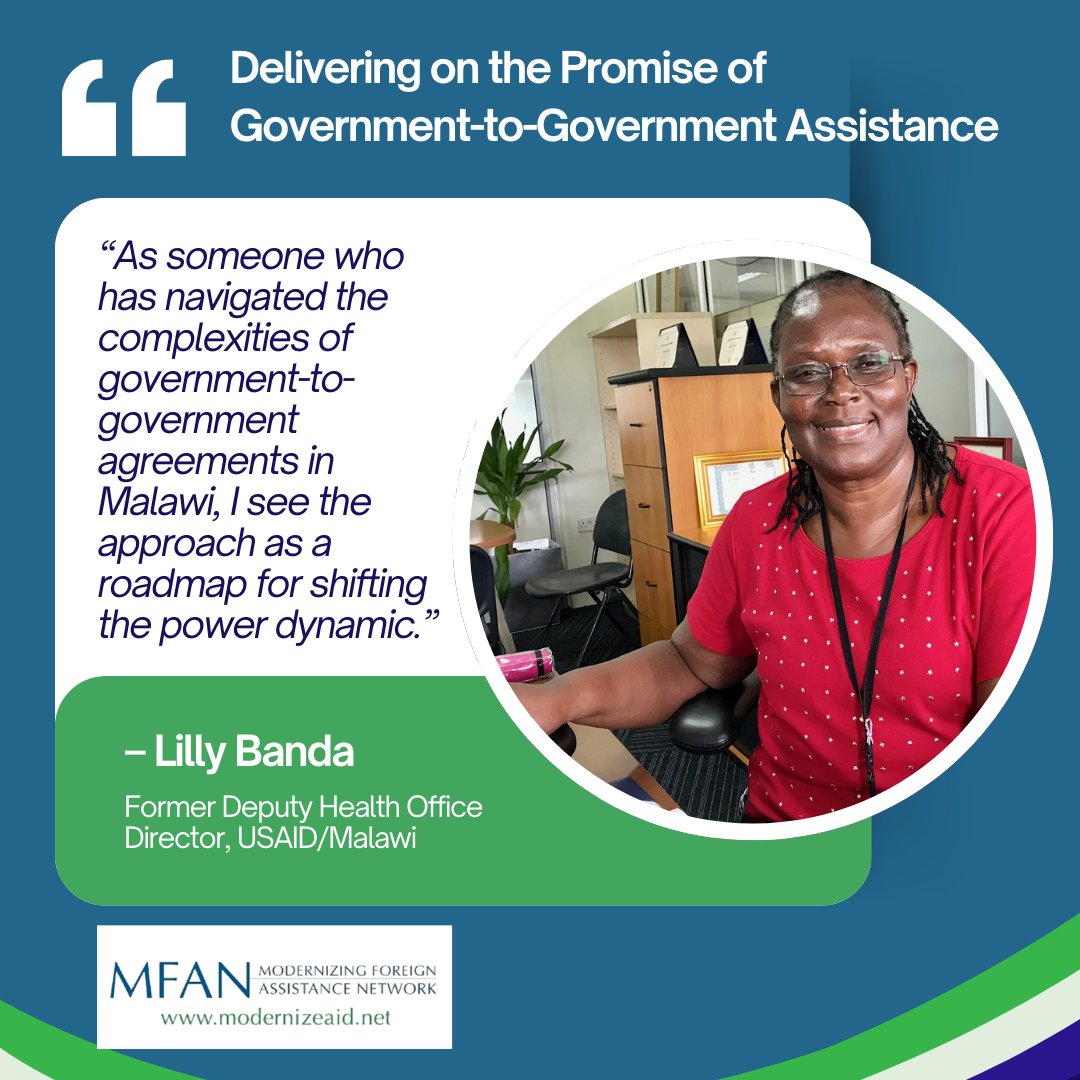
@devex Newswire from Deborah Cook Kaliel, Lilly Banda, Phillip Palmer, and Denise Namburete - smart insights on making government-to-government assistance both effective and accountable. https://t.co/FzvuN1mSGP
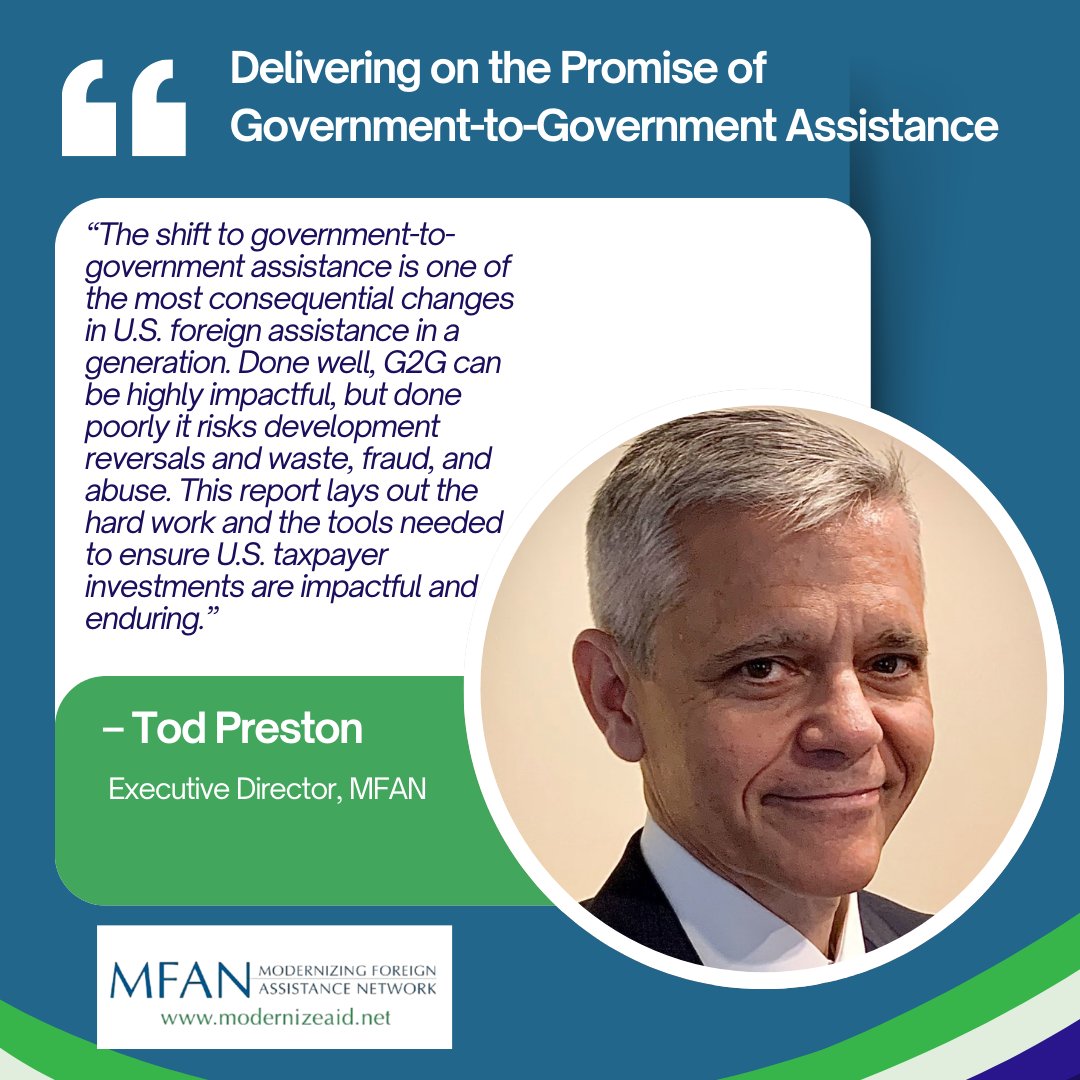
The U.S. is moving billions in aid directly to partner governments via the @StateDept. A new @Devex opinion piece highlights MFAN's recently released roadmap on implementing government-to-government assistance. https://t.co/fpueFLhBnv
Civil society can ask the hard questions. As our recent G2G report highlights - G2G agreements only deliver when they’re accountable. In #Mozambique, N'weti put that to the test - by digging into the fine print of a billion-dollar health deal. Read more: https://t.co/5caaLNzhrj
The U.S. is moving billions in aid directly to partner governments via the @StateDept. A new @Devex opinion piece highlights MFAN's recently released roadmap on implementing government-to-government assistance. https://t.co/fpueFLhBnv
Aid in an Era of Disruption. In his new @MFAN blog, George Ingram explores how dramatic shifts in geopolitics, declining budgets & a fragmented global system are forcing a rethink of #DevelopmentAssistance and #AidEffectiveness. Read more: https://t.co/ZsjA04dW2c
Congress is calling for more effective & transparent U.S. foreign assistance. In our new blog, Delia Welsh, @MathematicaNow, and David Alzate, @GiveDirectly, outline how the @StateDept can strengthen #MonitoringAndEvaluation and cost-effectiveness. https://t.co/UpDvfXCL1M
MFAN welcomes new organizational members @PactWorld, @PIH, @irexintl - strengthening a cross-sector network advancing more effective, accountable international assistance. Even amid uncertainty and budget cuts, momentum for reform is growing. Read more: https://t.co/Ytgt9JUbGY
G2G Recommendation #6 emphasizes supporting local orgs and the private sector. Effective programs fund community oversight, expand social contracting to reach marginalized populations, engage local suppliers & promote pro-business reforms. Read more: https://t.co/40ZjkLIFpT
G2G Recommendation #4: By using milestone-based financing, planning for contingencies, strengthening anti-corruption safeguards & pairing funding with targeted technical assistance, G2G agreements can manage risk and deliver results. Read MFAN’s roadmap: https://t.co/rw8APcodoC
G2G Recommendation #3 – Use Government Systems. Sustainability requires stronger public systems. This includes: budget financing, national payrolls, procurement, independent audits & domestic co-investment. Learn more in MFAN’s new roadmap: https://t.co/rw8APcodoC