If you feel you are not good enough as a writer, that's already a sign for you to start doing what you need to do to be good. Your inner critic is also your motivator.
We’re excited to announce the release of our latest issue, featuring work by Akal Mohan, Taofeek Ayeyemi, McLord Selasi, and others. https://t.co/00h69cXxB7
How does theology shape our public and political lives and what realities does this relationship?
In this episode, The Curious Case of Kenyan Theologies, Bishop Francis Omondi highlights that the survival mindset within religious institutions leads to literal, decontextualized reading of the Bible. Verses like "Do not touch the anointed" are quickly pulled out of context and projected onto politicians, stifling critical thought and accountability.
Watch: https://t.co/TvWYMod39G
@AnglicanNews@AnglicaninKenya
How to Be an African Writer in the AI Era by Tope Folarin
A past winner of the Caine Prize draws a hard lesson from the controversy over its latest recipient.
Archived, no paywall link to the Atlantic article is here: https://t.co/8QBhJ4V6il
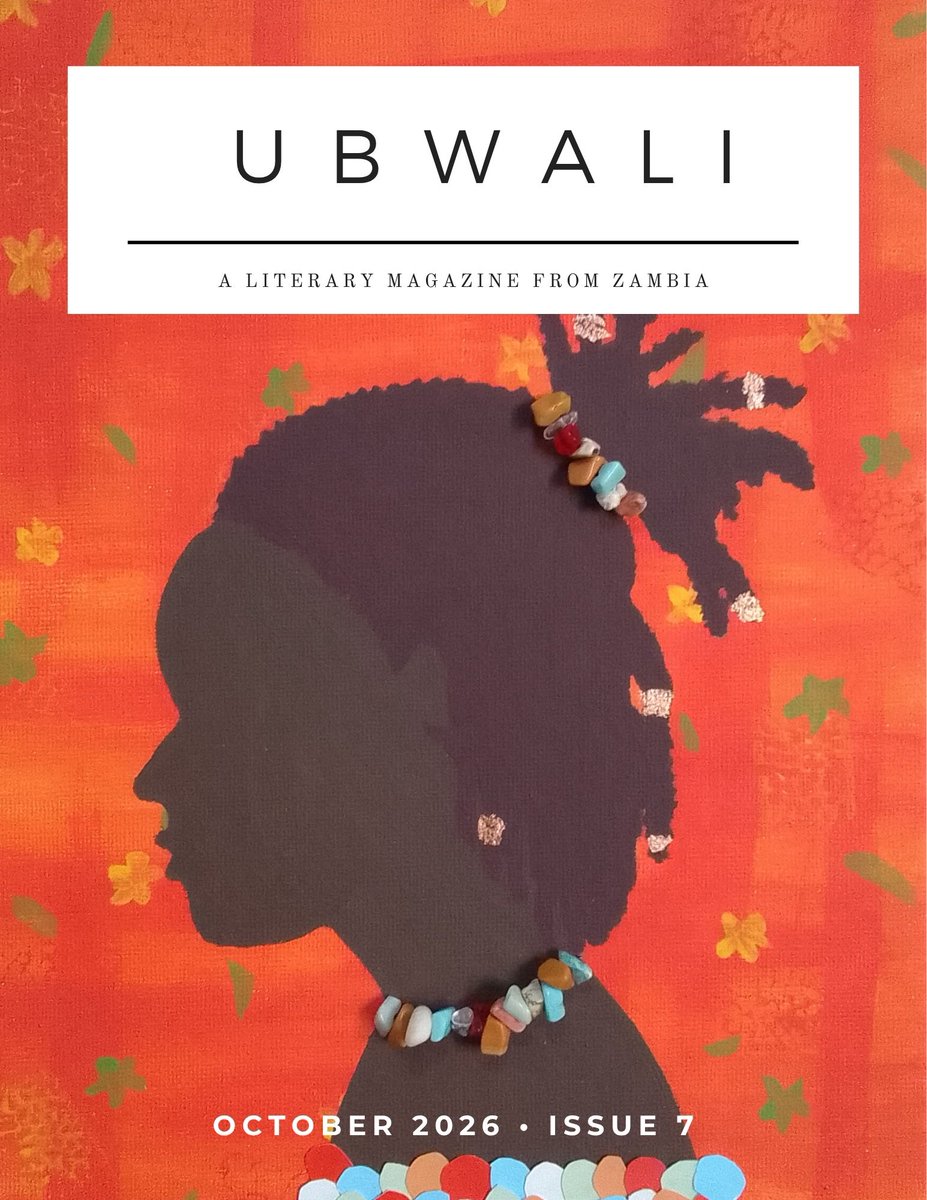
𝐂𝐎𝐕𝐄𝐑 𝐑𝐄𝐕𝐄𝐀𝐋!!🔊🔊🔊
Our 7th issue drops this Saturday! Our October issue will feature 4 short stories, 2 essays, 8 poems & 4 visual art pieces, including this stunning cover by Mayase Zulu.
What's your fave Ubwali cover image so far?
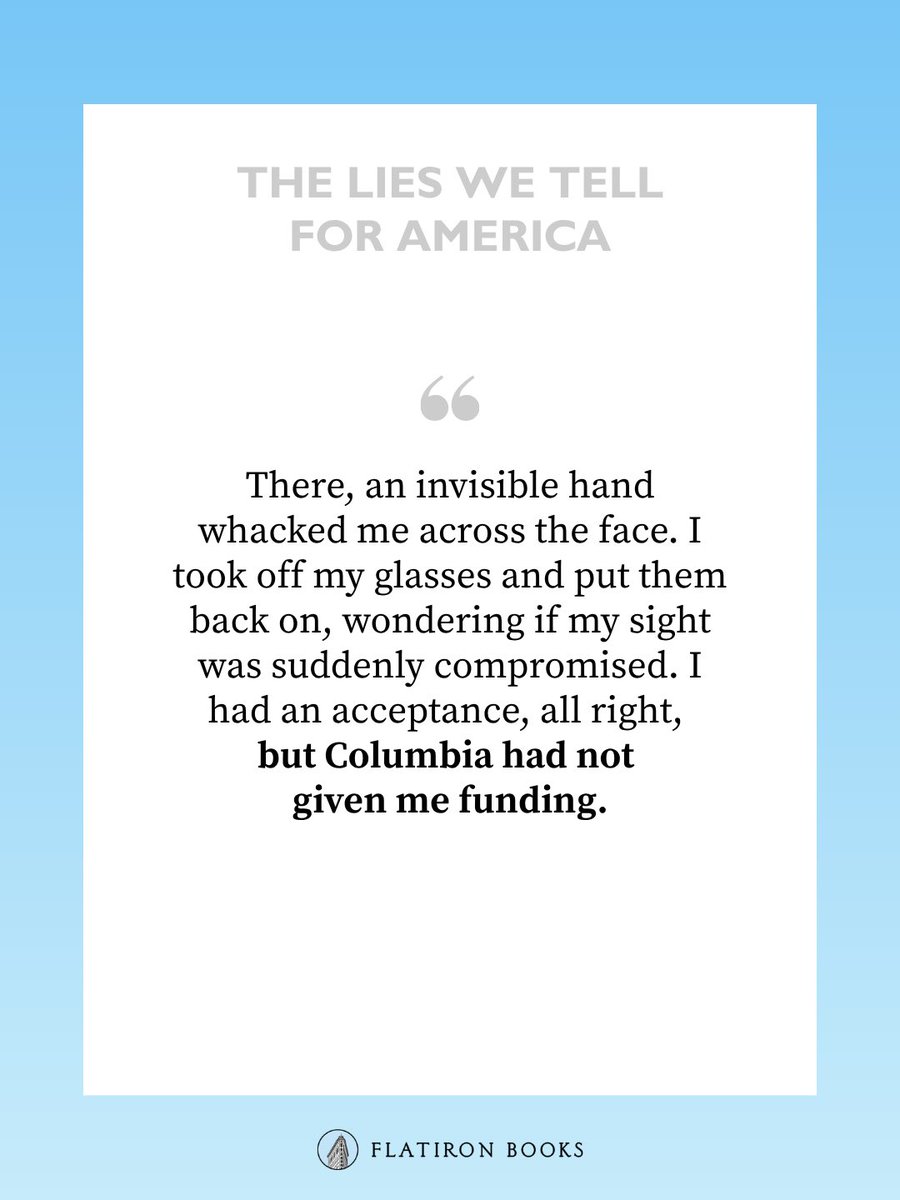
I still recall the surreal phone. I’d been admitted into Columbia’s MFA Writing program. The Chair asked if I’d accept the offer & I replied with many yeses, clueless about the bumpy journey ahead.
The Lies We Tell for America arrives on Nov 10
#Tell a book lover
#preorder
It’s actually the other way round Mr. President. There is a reason the right to life and the fundamental freedoms come first in the Bill of Rights. More than anything else we want to live in a free and democratic country because in the dark of the grave where you put Rex Maasai and Albert Ojwang, you can’t see shiny things.
yes, the news is out. i am excited to begin work in my new role with @Sarabamag, we have so many projects in the works already, digging through the treasure troves of our archives & curating new ones. many thanks to the team for the trust!
few days ago when joyce carol oates blabbered about AI use & a bunch of African writers took her to task, & she blocked all of them instead of engaging in good faith, that is the colonial machinery in action. for them, we are nothings, there is historical evidence for this.
If the Caine Prize withdraws the award from Simba, then I propose that African writers boycott the prize. We cannot afford to be spineless in this fight against the erasure of writers whom racist platforms consider vulnerable simply because they have not been published or acknowledged in the West.
They came for the Commonwealth Prize, and those people are now saying they are going to restrategize. We don’t even know what that looks like. The same thing is happening to the Caine Prize. Why are these people, who are so quick to put our stories through Pangram, not putting stories published in The New Yorker through Pangram?
There has to come a time when we demand that the people who provide platforms for our work grow a spine and defend us. Because providing a platform for African writers and then failing to protect them when racist wolves come for them is deeply problematic.
🔸Where is the article announcing that Simbarashe Kundizedza won the Caine Prize? Where is the article discussing his writing prowess? Why would you choose to centre spurious, defamatory, malicious allegations that aren’t even substantiated? He is a brilliant writer. This poorly-veiled campaign to take him down is regrettable.
We look forward to continuing to read his work.
We need new leaders.🇿🇼
A HUGE CONGRATULATIONS to our Fiction Editor, Mali Kambandu, on being shortlisted for the 2026 Morland African Writing Scholarships! We are so proud!!
https://t.co/5Jr9Hrp9jT
@malingose
You can say you stand with the writer, but sorry, you cannot say you stand with the Caine Prize because the Caine Prize has not stood for anything. They have, instead of shutting this down and standing by their decision (or admitting that they too have doubts and made a mistake) opened the door to more speculation and attacks against the writer they awarded the prize to, especially by saying in response to that malicious article that they have "initiated a process" to "look into" the allegations.
If they decide that one African writer is writing programmatically, you're not special. You cannot outwork that. Now is not the time for you to be silent, thinking you're too brilliant—too fluid—to resist.
What a weak statement. A whole institution has let one weird journalist put out something as embarrassing as this. First, the Caine Prize knew or should have known this would happen. People were already talking about this. Second if they decided to award the prize anyway then they should stand by their decision. Third they have failed in their duty of care to this writer which they are failing to clearly and unequivocally support. What does this statement mean? You have initiated a process to do what? Take him to the evil forest and make him swear an oath after you already said you believe him? Force him to turn over his computer and keys to his flat and trash can so you can investigate? Do you no longer believe him?
Calling something a human centered approach doesn’t make it human centered. You have failed the African literary community in this case by being both slow and weak. Either you stand by what you think or you should not have awarded the prize to the story in the first place. You knew the story was coming, you said you stand by the author and now you want to investigate what exactly?
Even if you end up saying you stand by the process you have already thrown doubt into the equation and nothing can fix this. The process is tainted by your capitulation. Either that or you never believed him in the first place and also had doubts about the story.
Whatever the case this is a shame.